• Home
  • About
  • Work
  • Contact Me
  • Blog Visitors

Kerry's Blog

Feed
  • Hello and Welcome

    Hello and thanks for visiting my blog. Please have a look around, and if you would like to leave a comment on any posts please click HERE to register.
  • Subscribe


  • Recent Comments

    • sandra mosley on The Update
    • sandra mosley on The Carpentry and the Return
    • sandra mosley on Two onto One does Go
    • sandra mosley on Spring has Sprung
    • grazer on A singing waiter and a travelling cat
  • Pages

    • About
    • Work
    • Contact Me
    • Blog Visitors
  • Categories

    • Abbot's Leigh
    • Animals
    • Australia
    • Beijing
    • Brecon
    • Bristol
    • bunbeg
    • Castle Carey
    • Chaddesden and Breadsall
    • China
    • Churches
    • Clifton Bridge
    • Copenhagen
    • Culross
    • Dali
    • Derby
    • Easton in Gordano
    • Edinburgh
    • Elmore
    • Family History
    • Gloucester
    • Home
    • Inverkeithing
    • Jinghong
    • Kent
    • Kunming
    • Lake Lugu
    • Ledbury and Colwall
    • Lijiang
    • London
    • Lydney Harbour
    • Melbourne
    • Other
    • Portbury
    • Qingdao
    • Tadcaster and Newton Kyme
    • UK
    • Uncategorized
    • Wells
    • Work
    • Xingtai
    • York
    • Yunnan
  • Favourite Websites

    • David's Blog
    • Webmail
  • Site

    • Register
    • Log in
    • Entries feed
    • Comments feed
    • WordPress.org
  • Tags

    agriculture animals architecture art and craft Australia baby carriers Behai Park Beijing bus China college computer culture Dali Dashalan dogs Education ethnic minorities Fashion Parade Food games guanxi Health holidays hostels Kumning lake Lake Lugo Lijiang maps markets matriarchial society medicine military training park performance plants Qianmen religion shops taxis teaching temple transportation Xingtai
  • Archives

    • April 2018
    • December 2015
    • November 2015
    • October 2015
    • September 2015
    • November 2014
    • October 2014
    • September 2014
    • August 2014
    • July 2014
    • June 2011
    • January 2011
    • December 2010
    • November 2010
    • October 2010
    • September 2010
    • August 2010
    • July 2010
    • June 2010
  • Brecon, Wales

    Nov 17th 2015

    By: Kerry

    No comments

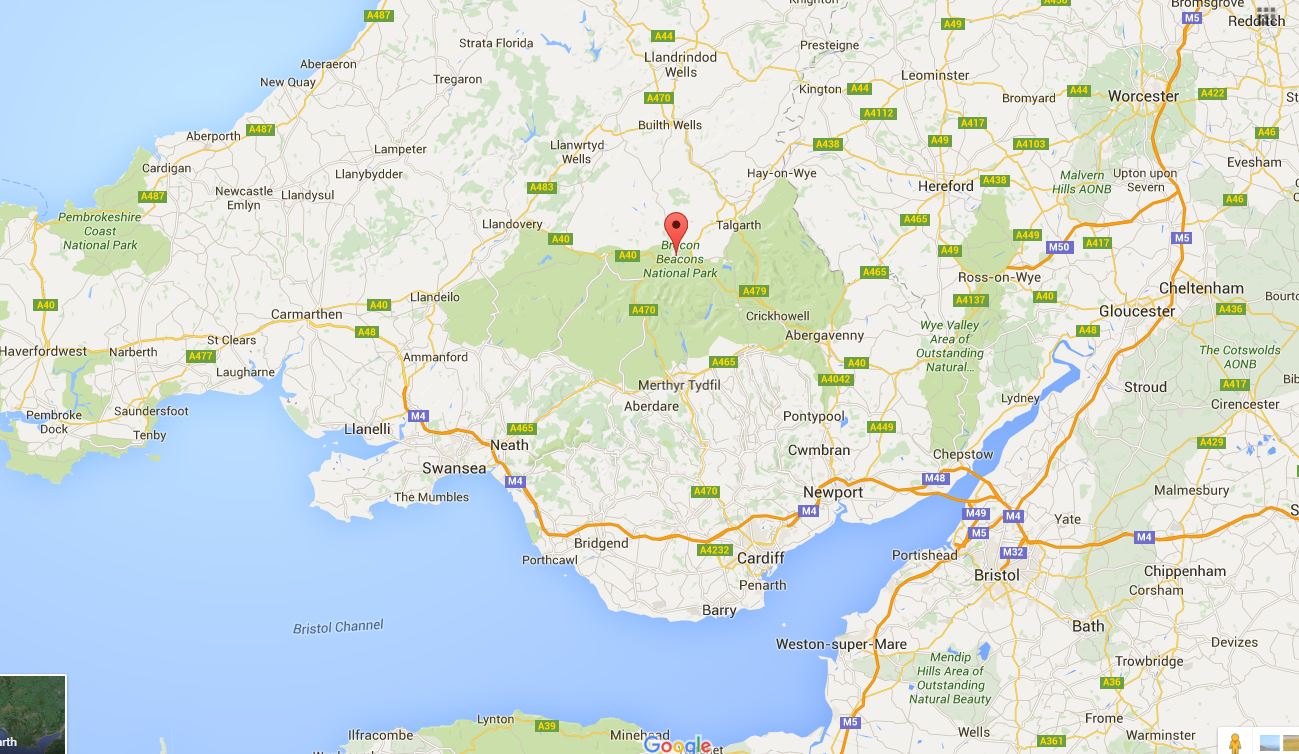
    After leaving the Clifton Bridge near Bristol we drove to Brecon in Wales.  Some ancestors, the Vicks,  had given up farming and taken to running a pub in Brecon.  It was not a successful venture as in less than five years  Anne Vick had died and Silvanus Vick was bankrupted the following month.  A few months later during the 1851 census their 5 daughters were spread among various branches of the family and Silvanus was living with his parents in law.


    Map of south west UK showing Bristol and Brecon

    Map of south west UK showing Bristol and Brecon

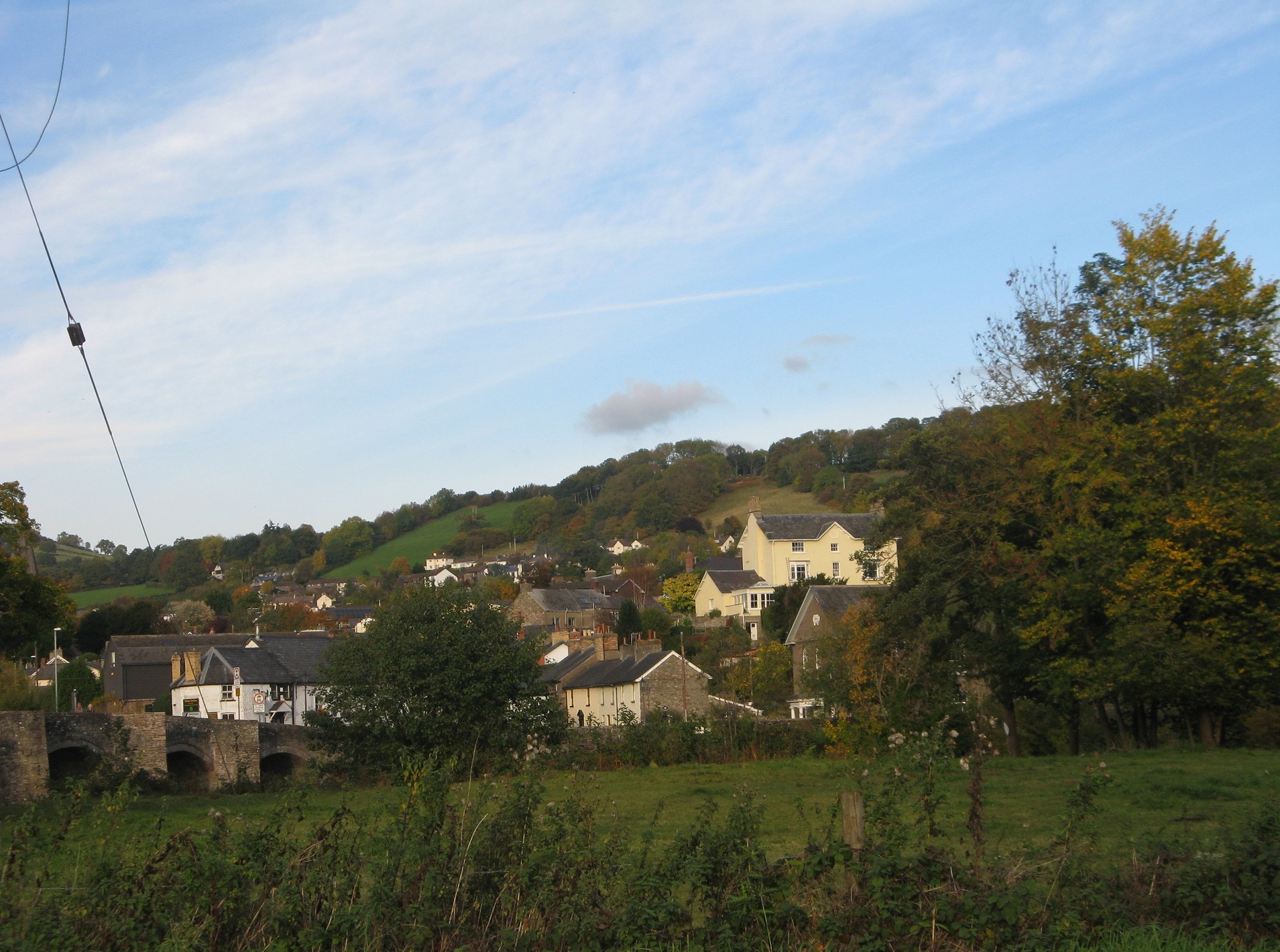
    Approaching Brecon

    Approaching Brecon


    After settling into our B&B we headed out for tea followed by a short walk.

    Streetscape showing what is likely to be a mounting block for horse riders

    Streetscape showing what is likely to be a mounting block for horse riders

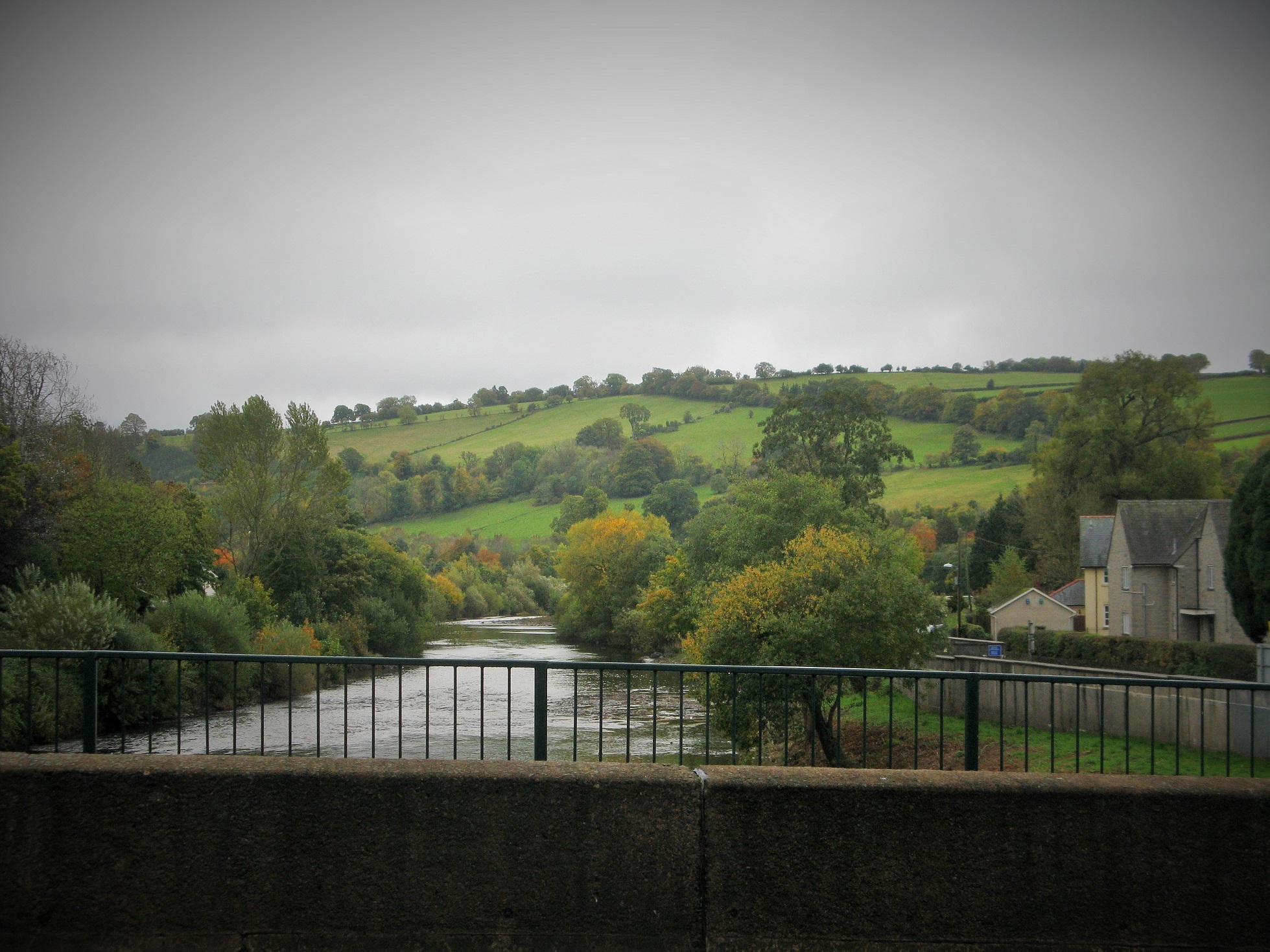
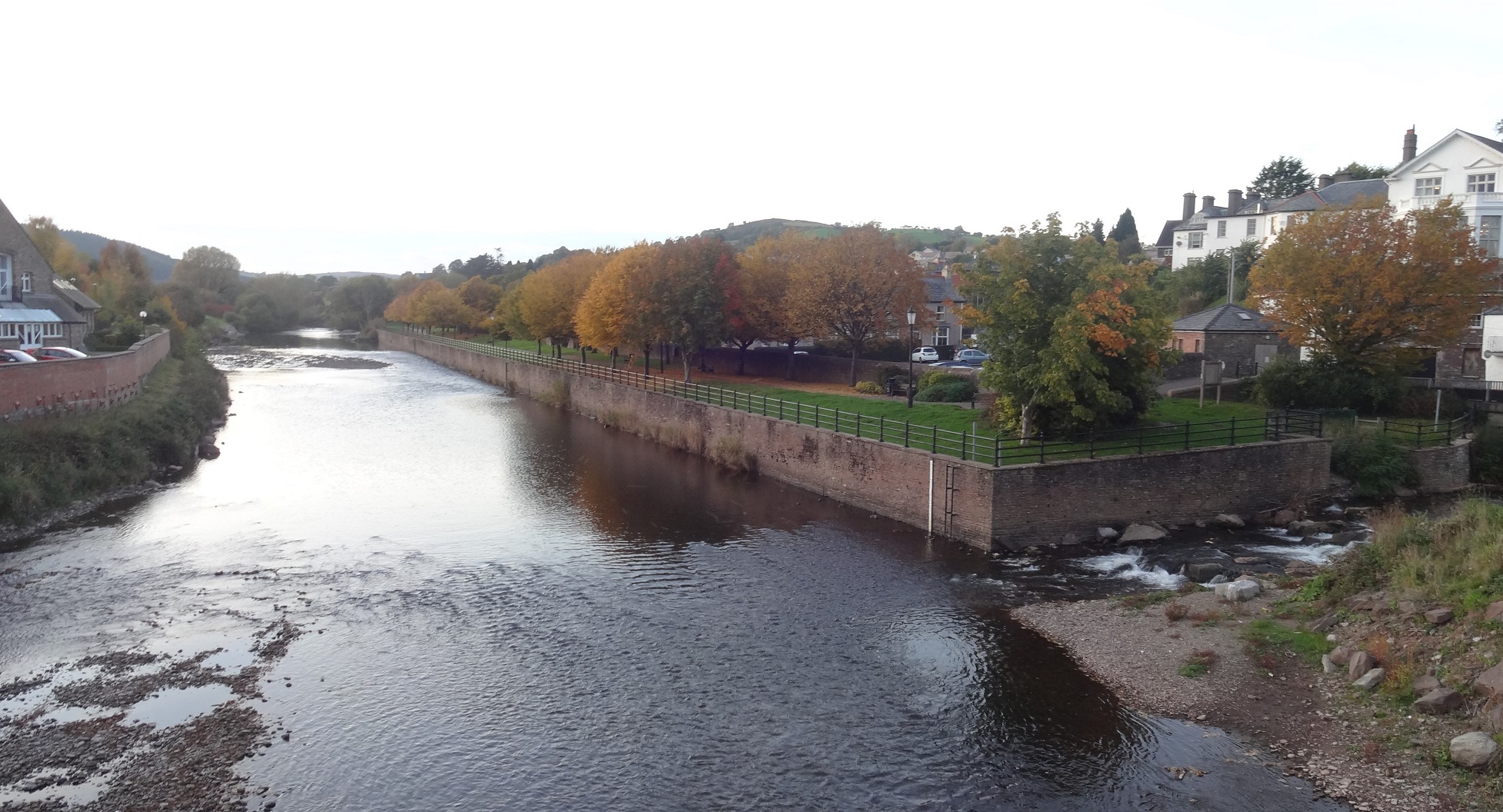
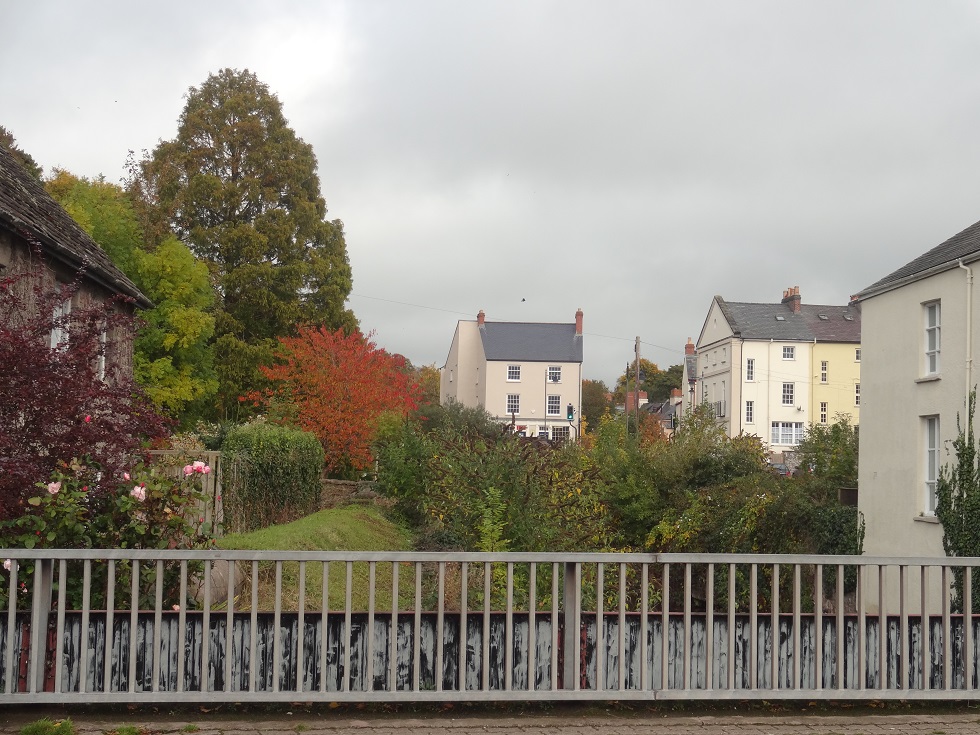
    View from the bridge

    View from the bridge over which we crossed to reach the main section of town

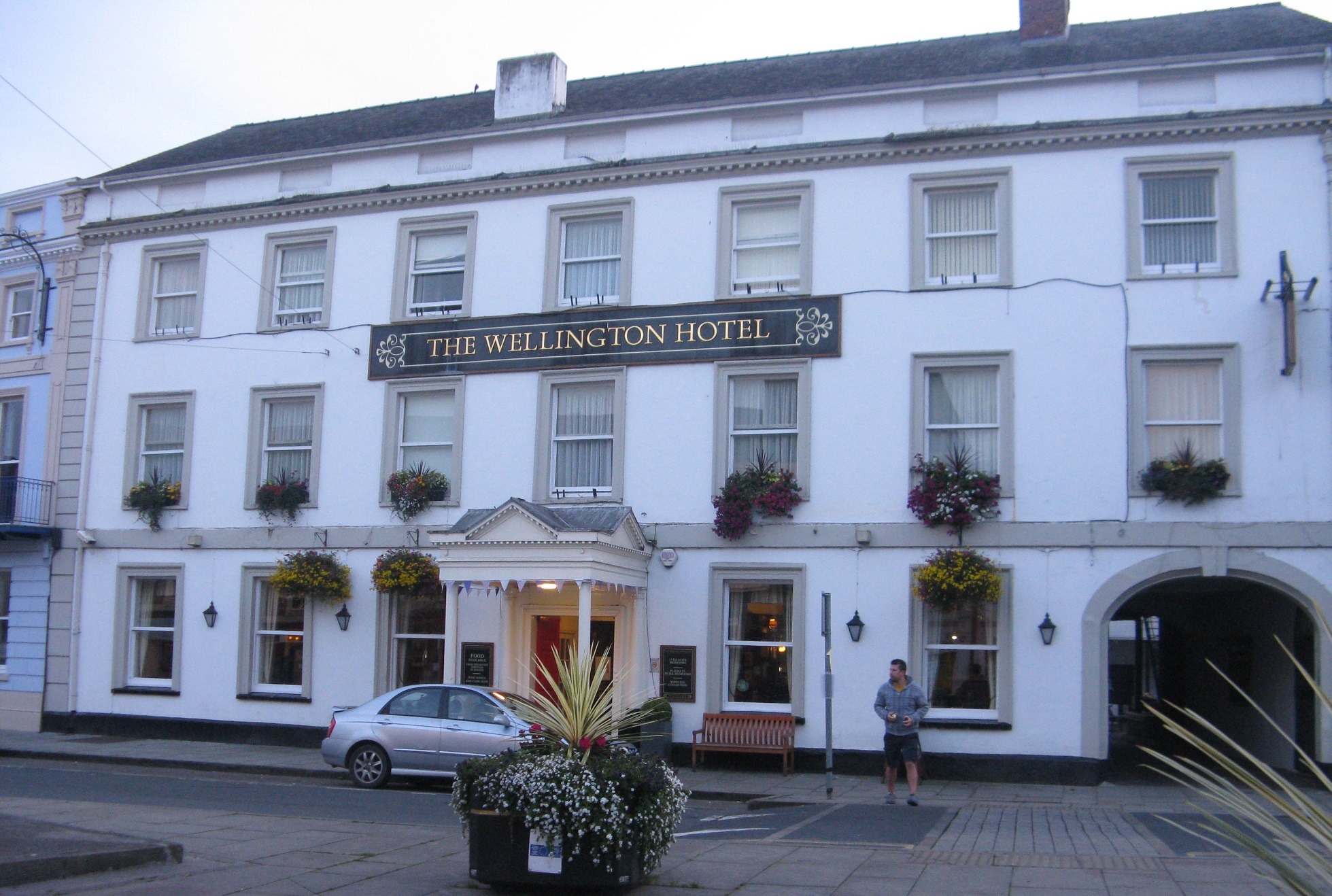
    The Wellington Hotel

    The Wellington Hotel where we had tea

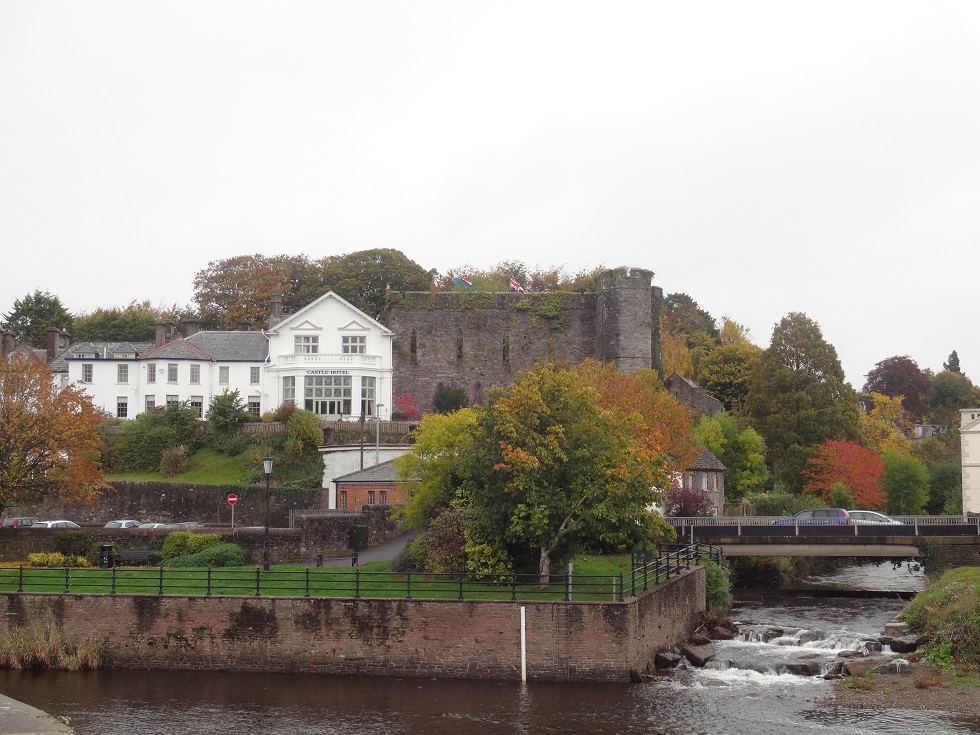
    River and Castle Hotel

    River and Castle Hotel

    River

    River

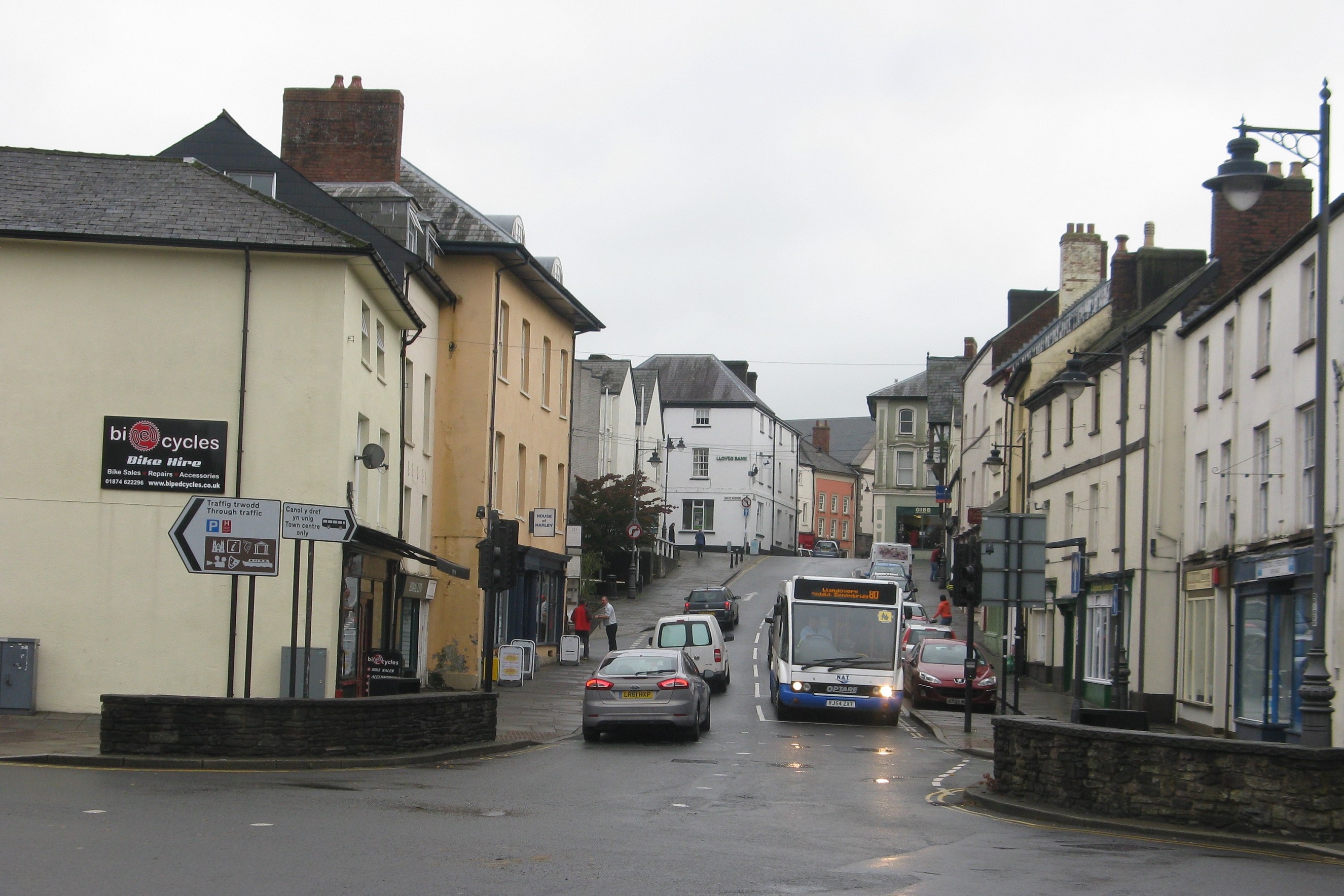
    Street

    Street


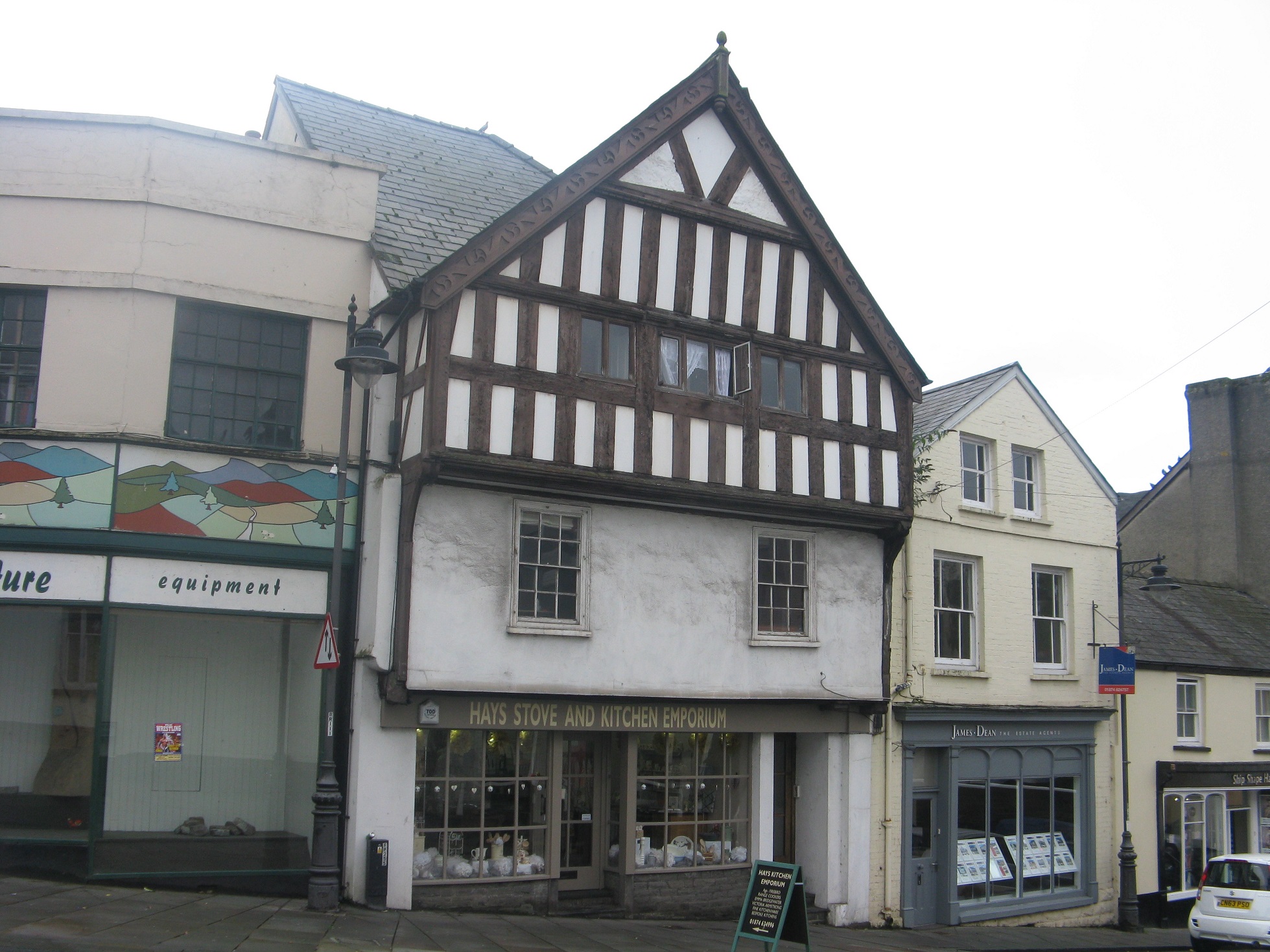
    Old building with carved gable

    Old building with carved gable


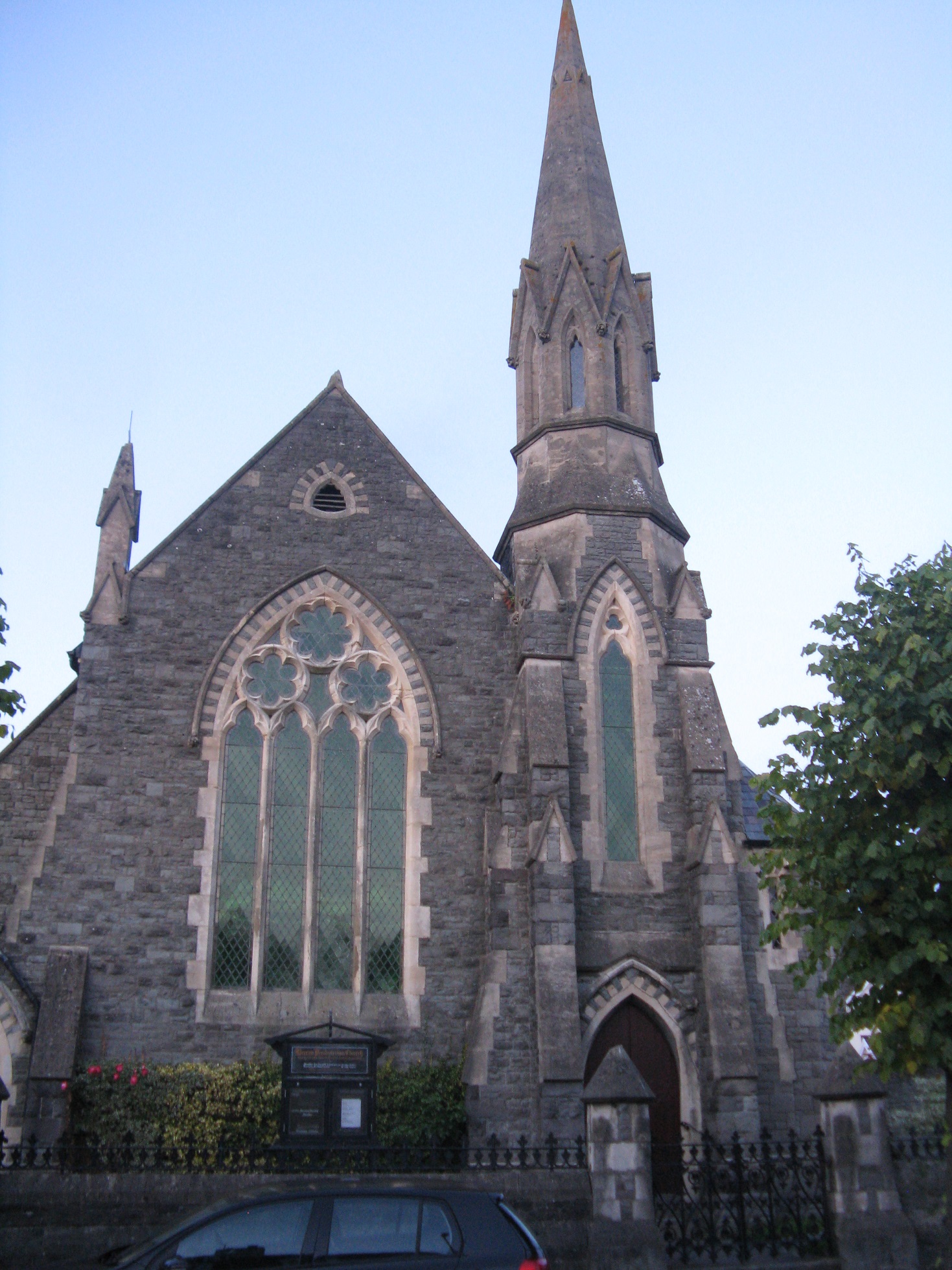
    Church

    Church

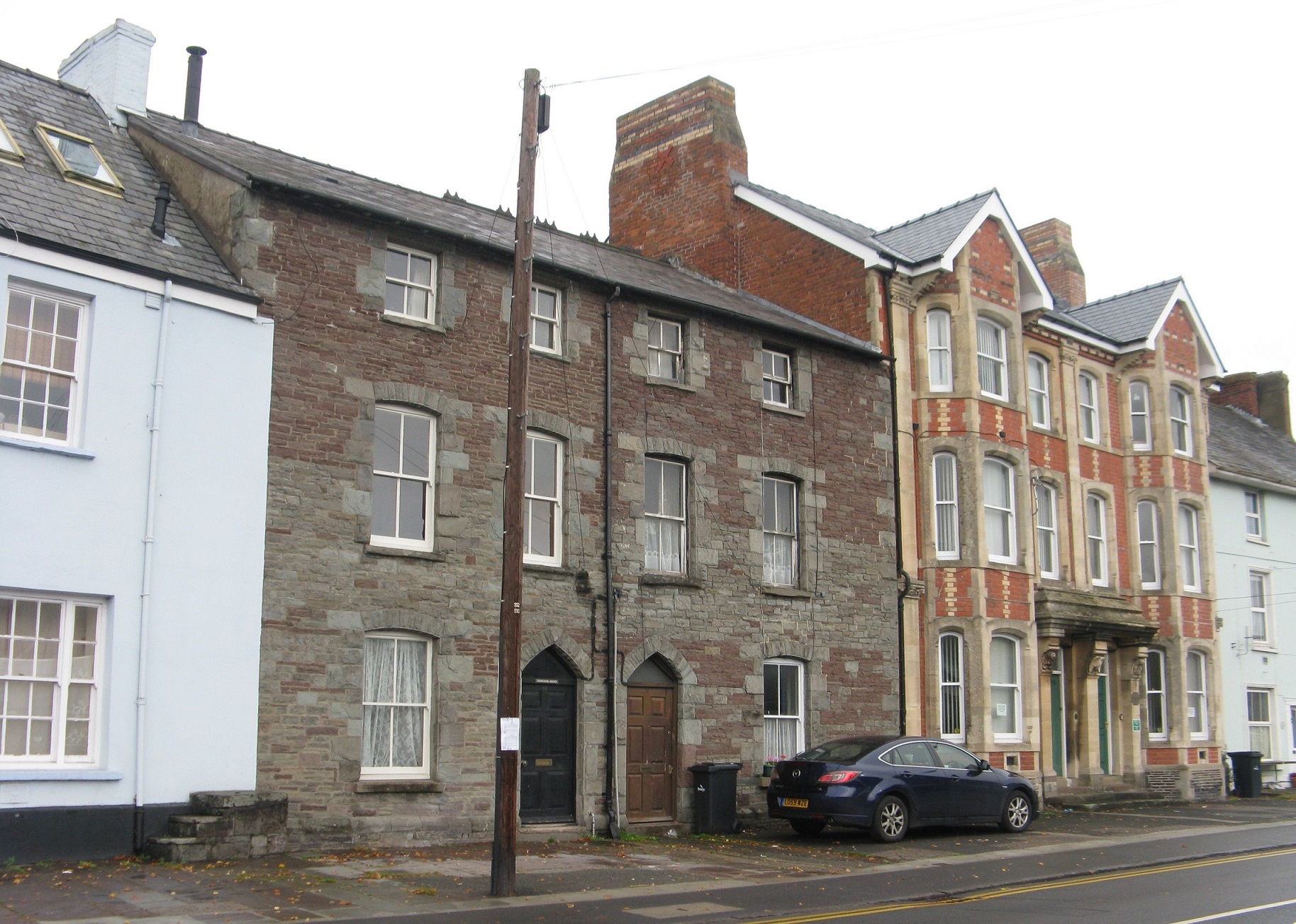
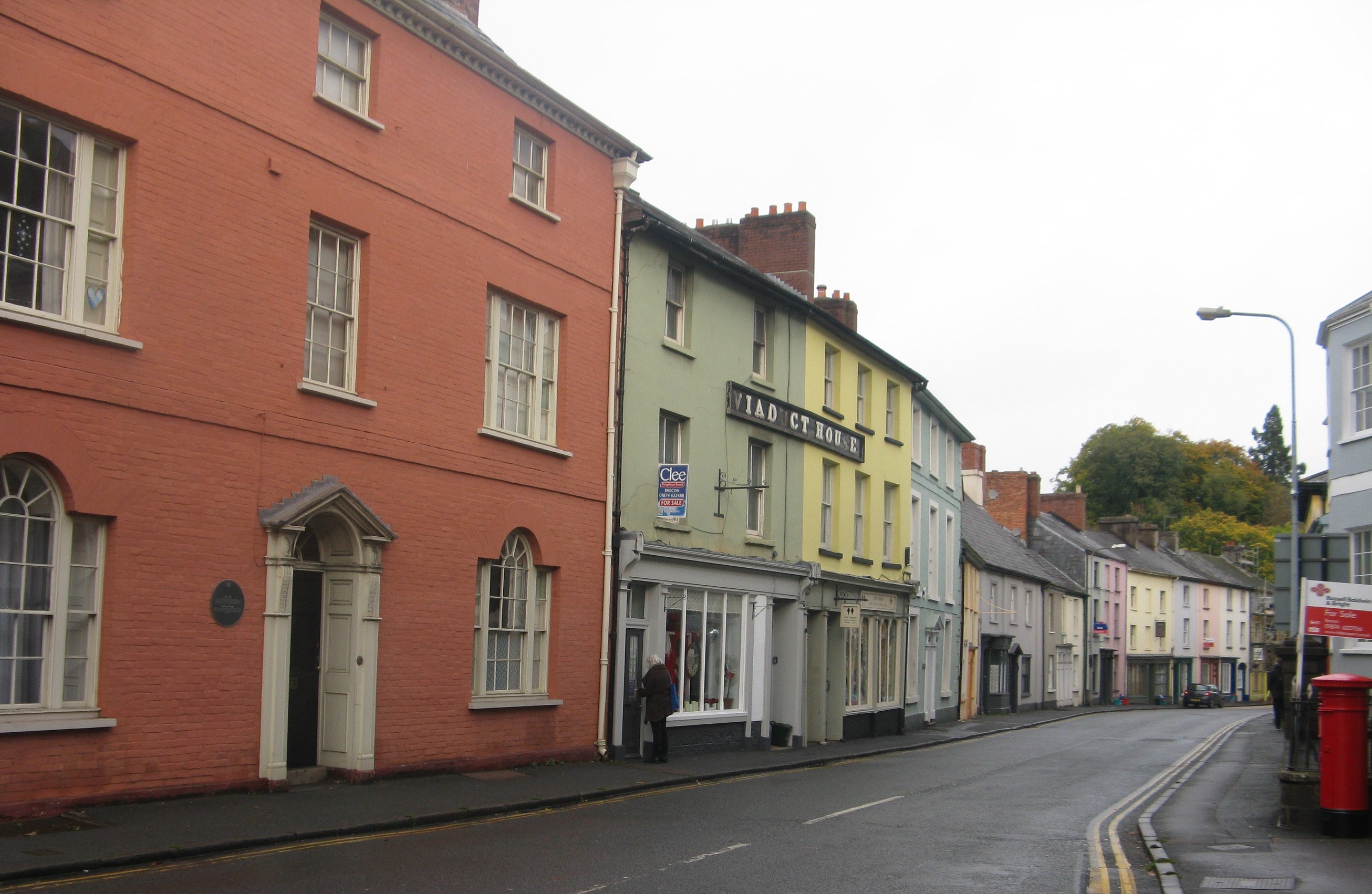
    The next day we went looking for the family pub and the church from which Ann Vick was buried and while doing so saw some of the following sights.

    Brecon streetscape

    Brecon streetscape

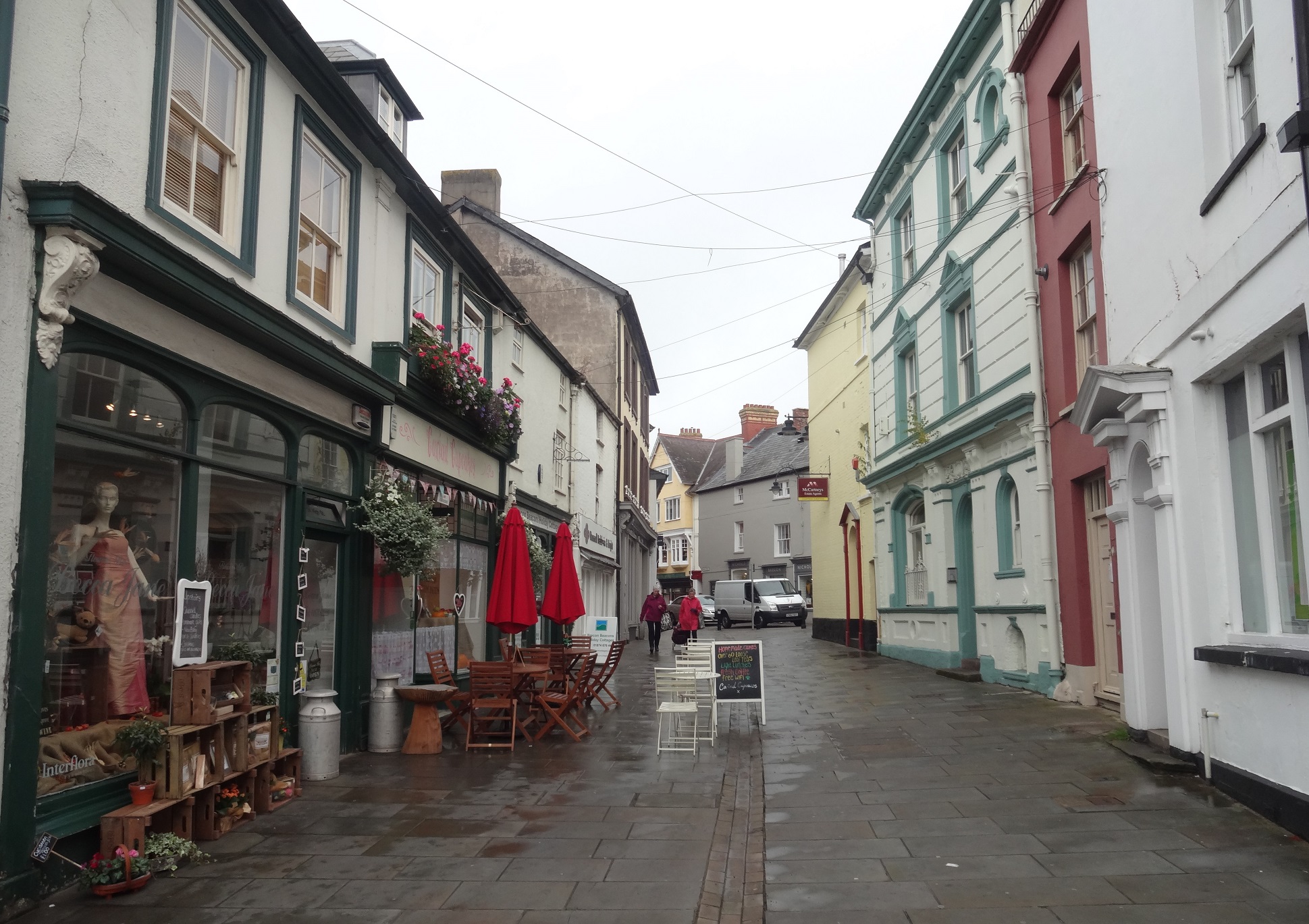
    Streetscape

    Streetscape

    Picturesque scenery

    Picturesque scenery

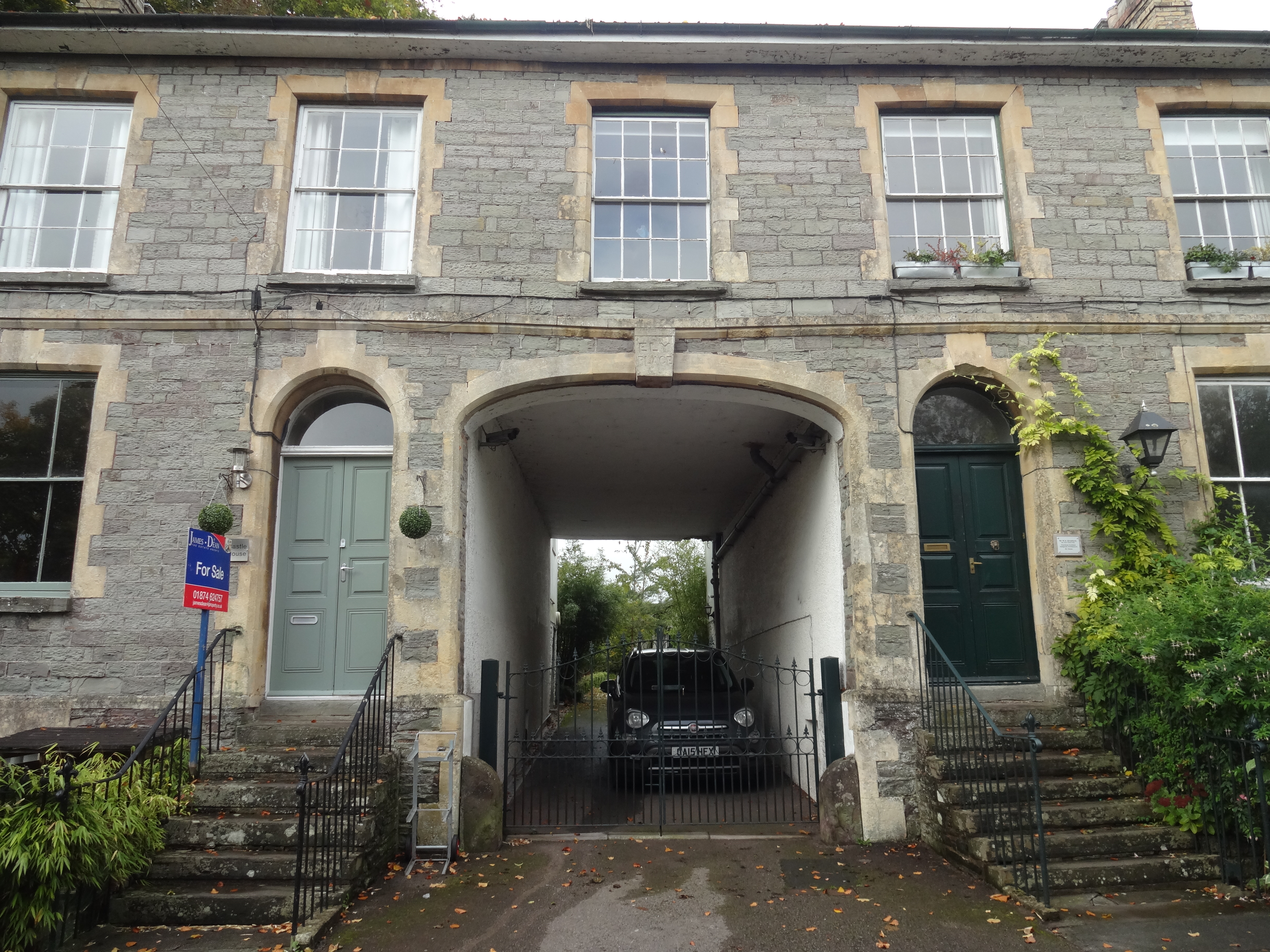
    What looks like another carriage entrance

    What looks like a carriage entrance

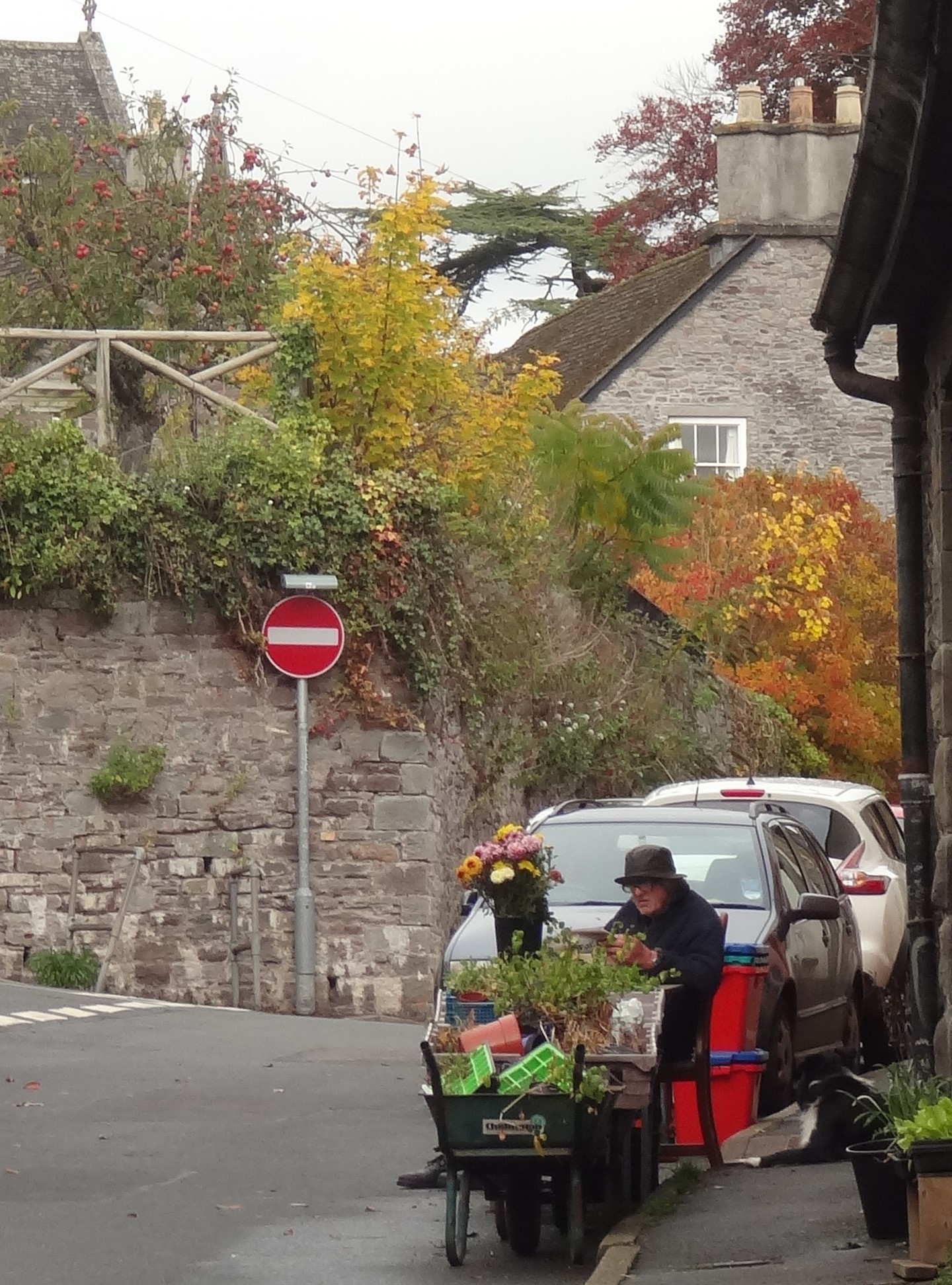
    Man and his dog selling flowers their home

    Man and his dog selling flowers outside their home

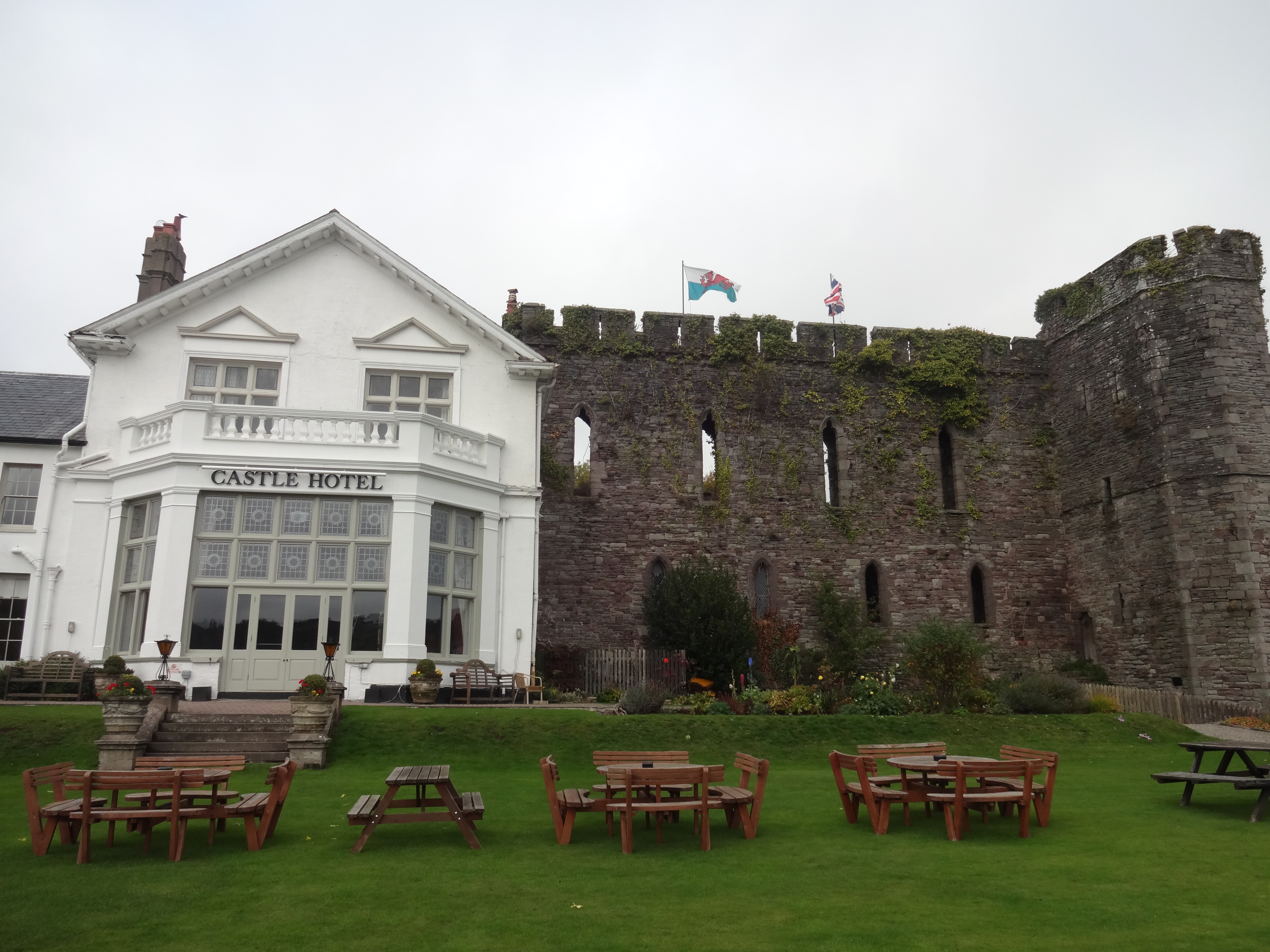
    Castle Hotel with remains of 11th century castle

    Castle Hotel with remains of 11th century castle

    Brecon, Family History

  • Portbury and Clifton Bridge

    Nov 11th 2015

    By: Kerry

    No comments

    My last day in Ireland involved an early departure by bus for Belfast. The light was dingy and the bus fast so photos were poor.  I did a bus tour of Belfast and while I had an excellent seat the drizzle and bus departure coincided and again the situation didn’t augur well for good photos and I had no time to get off and do it properly so its not worth showing photos.

    The next day  saw Son No.1, his girl fiend and myself head to southeastern UK by car. Our first stop was Portbury in Somerset south of Bristol.

    One of the ancestors was a farmer at Ham Green a tiny settlement in Somerset, now under housing.  His three daughters were baptised in Portbury, the Church of the Blessed Virgin, and various records indicate that his first marriage occurred there.   He was buried in Portbury when his children were very young.

    Parish history goes back to the pre-Norman times with the area being held by the ruling Saxon family. The church itself, like all family churches I’ve seen, evolved over time from very small buildings to larger ones undergoing many additions and restorations over the centuries.

    https://en.wikipedia.org/wiki/Portbury

    We were shown around the church by the obliging churchwarden and spent time in the graveyard examining the tombstones.   The ancestors tombstone was not found and I’d be most surprised if one had never existed.


    The church of St Mary the Virgin with some interesting Celtic tombstones

    The church of St Mary the Virgin with some interesting Celtic tombstones

    The main entrance is to the right.

    Norman entrance
    Norman entrance

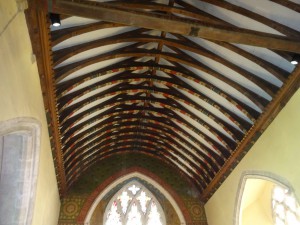
    The painted ceiling in the central section of the church

    The painted ceiling in the central section of the church

    Hand painted decorative wall

    Hand painted decorative wall


    Unusual sculpture. Unlike others in the church it looks African. Portbury is close to Bristol which was a major mercantile port involved in the slave trade during the 17th and 18th century.

    Unusual sculpture. Unlike others in the church it looks African. Portbury is close to Bristol which was a major mercantile port involved in the slave trade during the 17th and 18th century.


    Tombstones showing one of the reasons for not identifying them

    Tombstones showing sone of the reasons for not identifying them

    Section of the graveyard

    Section of the graveyard

    Yew tree said to be almost 2000 years old.

    Yew tree said to be almost 2000 years old.

    Our next stop was the Clifton Bridge.  A Bristol  wine merchant named William Vick left a significant amount of money in his will to be invested and for a bridge to be built over the Avon Gorge when sufficient money was accrued.  Two design competitions, starting in 1829,  were held and Isambard Kingdom Brunel eventually declared the winner.  His design was based on Egyptian design.   Construction was halted due to money troubles but resumed and finally finished in 1864.

    It is not known if William Vick the bridge benefactor who died in 1754  is a relative.  I have not yet managed trace that branch of my family  far enough.  My grandparents visited the UK in 1896 and a travel diary notes a family connection.

    Clifton Bridge The design was based on Egyptian architecture.
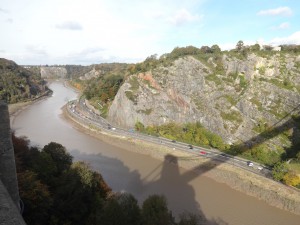
    Clifton Bridge The design was based on Egyptian architecture.

    Looking west from the bridge

    Looking west from the bridge

    Looking east towards Clifton and Bristol
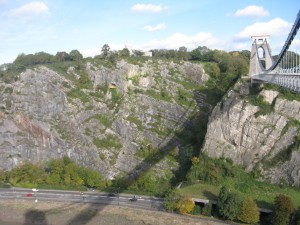
    Looking east towards Clifton and Bristol

    The bridge I did have a better photo but couldn't persuade it to present correctly

    The bridge.  I did have a better photo but couldn’t persuade it to present correctly


    Plaque to bridge builder and the bridge
    Plaque to bridge builder and the bridge

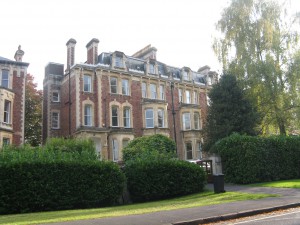
    One of the houses on the Clifton side of the bridge. the house next door had a large coat of arms at the top of the house.

    One of the houses on the Clifton side of the bridge. the house next door had a large coat of arms at the top of the house.

    After Clifton Bridge we headed off to Wales to our base for the night prior to searching for the burial place of one of the little girls baptised in Portbury and to search for the pub she and her husband ran.
    Clifton Bridge, Family History, Portbury

  • Searching for Family

    Nov 10th 2015

    By: Kerry

    No comments

    On my third day I walked up to Derrybeg.  Essentially the main road is an undulating string upon which houses, empty blocks  and commercial properties perch themselves with one tiny townland merging into another.  The local church is in Derrybeg and I wanted to access church records.

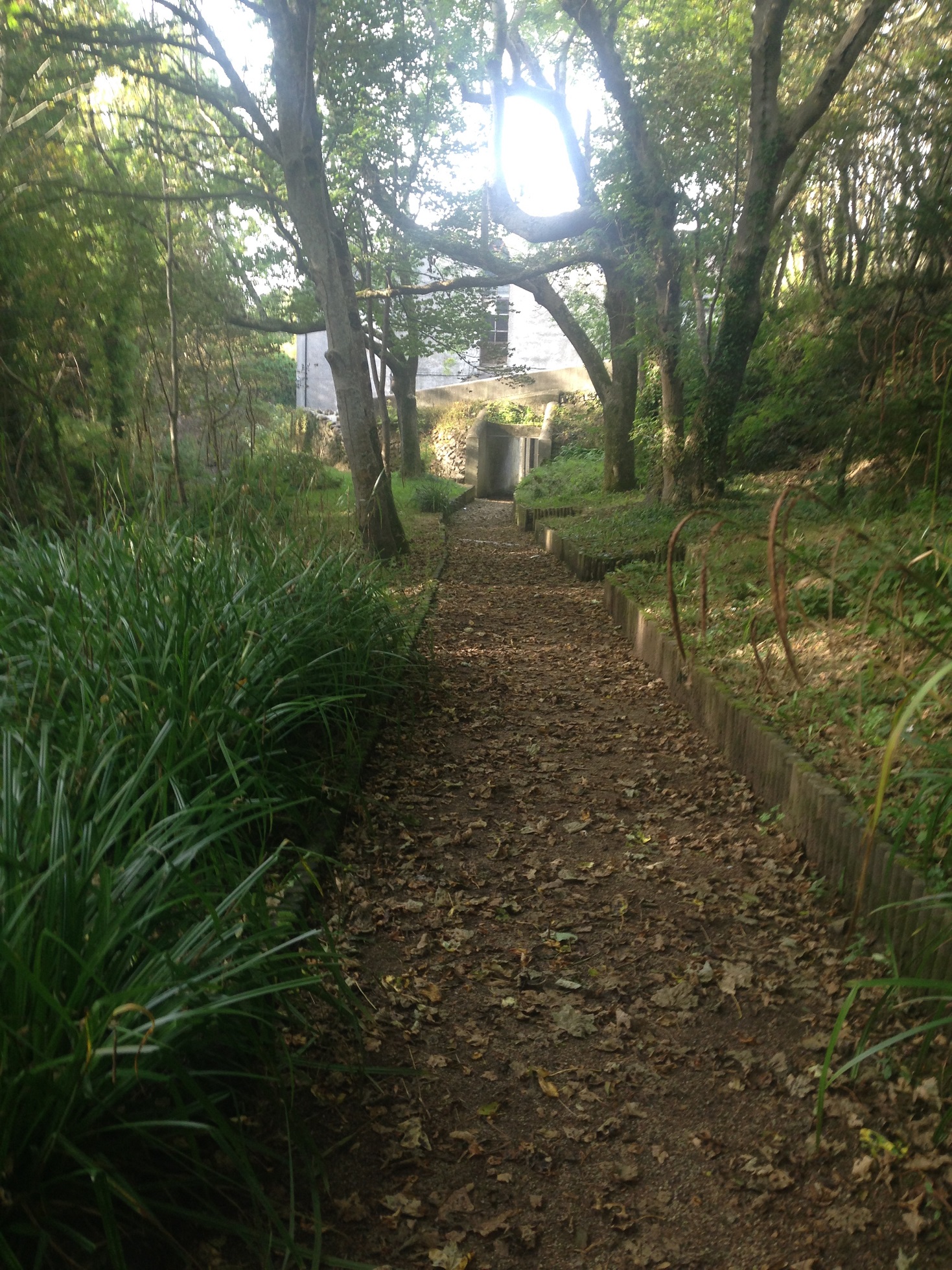
    There are two churches, a closed one and a replacement built in the 1970s.  The older church is an unimpressive looking building tucked into a hillside with a gloomy garden walkway covered by overarching trees, rather unusual in an area place with minimal trees due to the strong winds from the Atlantic Ocean.  It suffered badly from flooding in the 1880s with many church records destroyed.

    Path behind old church

    Path behind old church looking towards church

    I then went looking for the priest’s house which was up the hill above along with another priests house and the newer church. The parish priest was not home but I did get to talk with the gardener and a grandmother accompanying her grand kids home from school.   She advised me of the concept that if there are two people with the same name their father’s name is added to distinguish one from another.  eg Mary O’Tool becomes Mary “Paddy” O’Tool.   I had read of this happening long ago but had no idea that it still existed.  I left a note for the priest and returned a couple of days later to discover that remaining baptismal registers were too recent to provide the information I wanted for my great grandmother and her older twin  sisters.

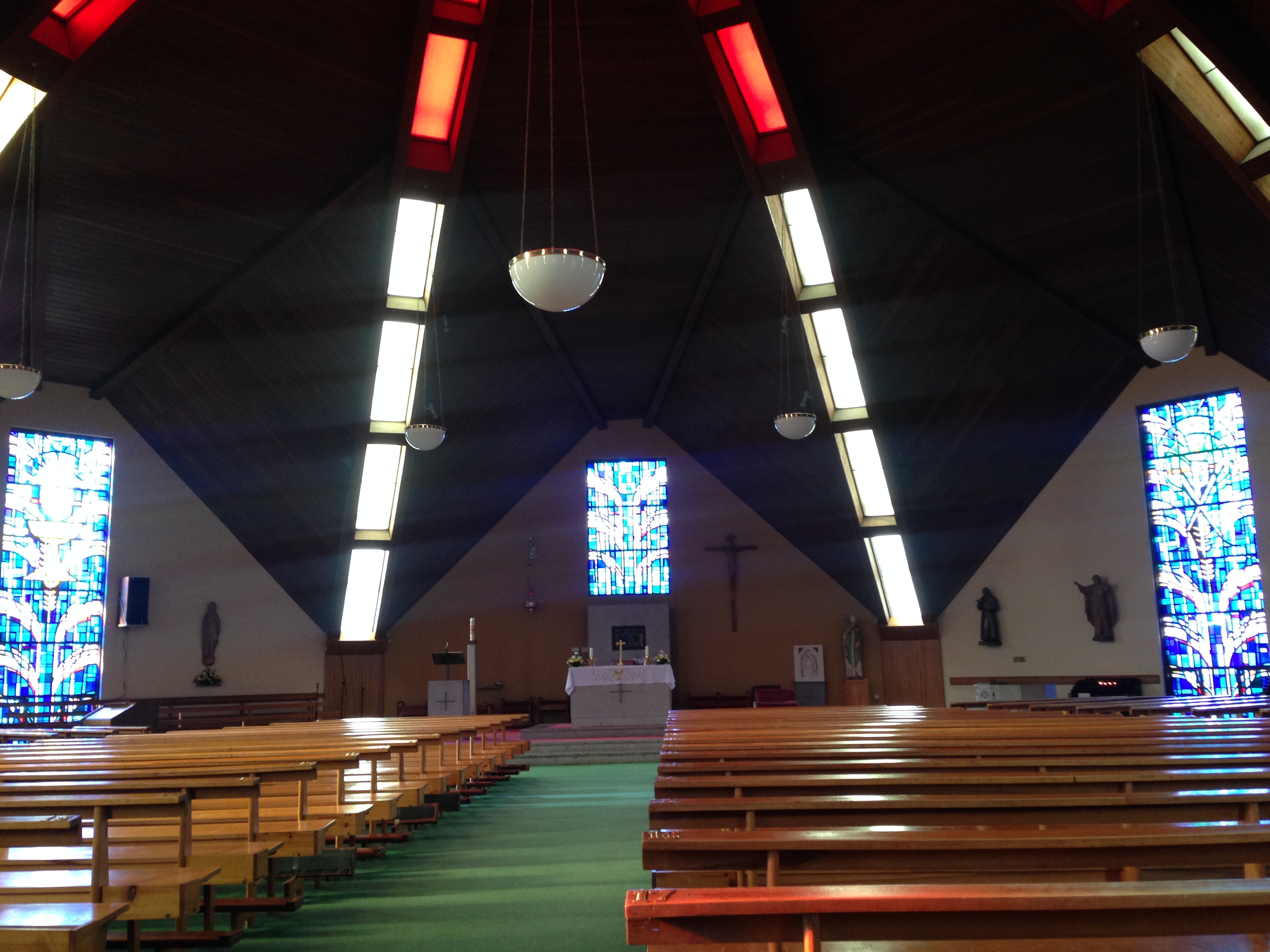
    Inside the new church

    Inside the new church

    The female owner of my B&B returned from an absence and busied herself sourcing people who knew my relatives.  She, from her childhood, also remembered my great grand aunt Cecilia and one of her kids.  Descendants of Cecilia had also visited in the past too. Two people came to visit me and showed me a photo of my great grand aunt  with her son and shared information.  One was generous enough to leave some of her records with me  until we met again a couple of days later to visit Cecilia’s home.

    The day before I left I was visited by a number of women who were related either as siblings and/or as relations to my family many generations ago.  There is  a strong knowledge of family genealogy which is just as well due to the paucity of records.  Was rather hard to keep up with the conversation and source specific information due to the nature of the conversation.  Everyone always seemed to be talking and often it was in Gaelic if not directed at me as one promptly added information to something another had said.  I need to email and seek specific information I missed in the confusion.  It was a real melee of conversation.

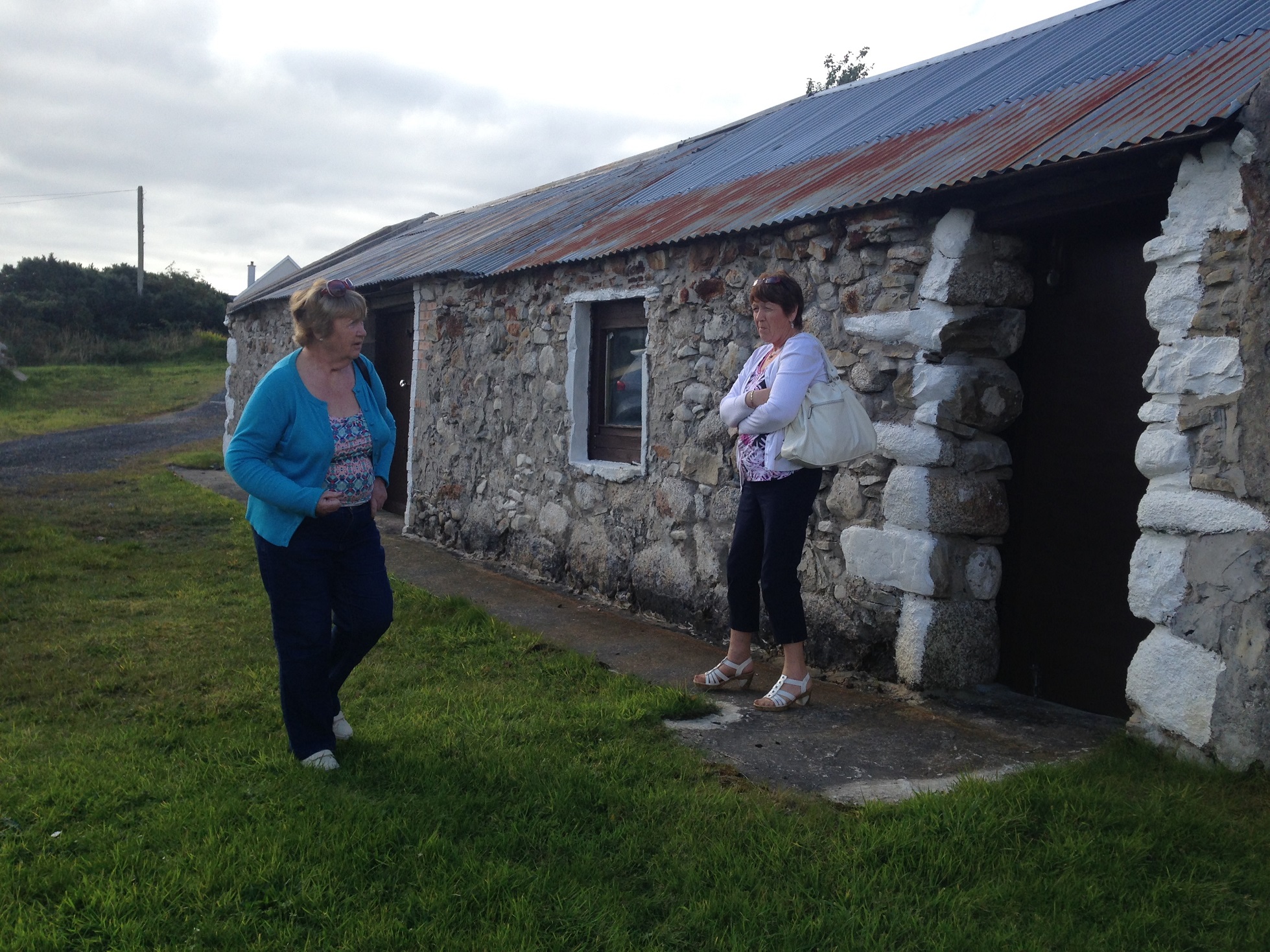
    We then drove to the land which Cecilia had owned.  Whether this is the same land that her father had rented in the mid 19th century  is unknown but seems a reasonable possibility but needs further investigation.  She was the only child left in Ireland with her three sisters having travelled to Australia.  Cecilia’s stone house still stands minus its porch.  A small window showed a good stack of turf; at least some of the house is now used as a storeroom.  A modern house has been built adjacent but the owners don’t always live  there, seemingly a common occurrence.  Several of the people I met had grown up next door and knew Cecilia when they were children when they used to run errands for her.  Their family home could be seen and is lived by another sibling while their homes are nearby.  The land was located near what used to be boggy land and the community’s common land ie land available for all.  The community sold the land in the 20th century and an industrial park and community facilities  created.  The industrial park was adversely affected by the most recent financial crisis with the closure of many businesses although some still do exist.

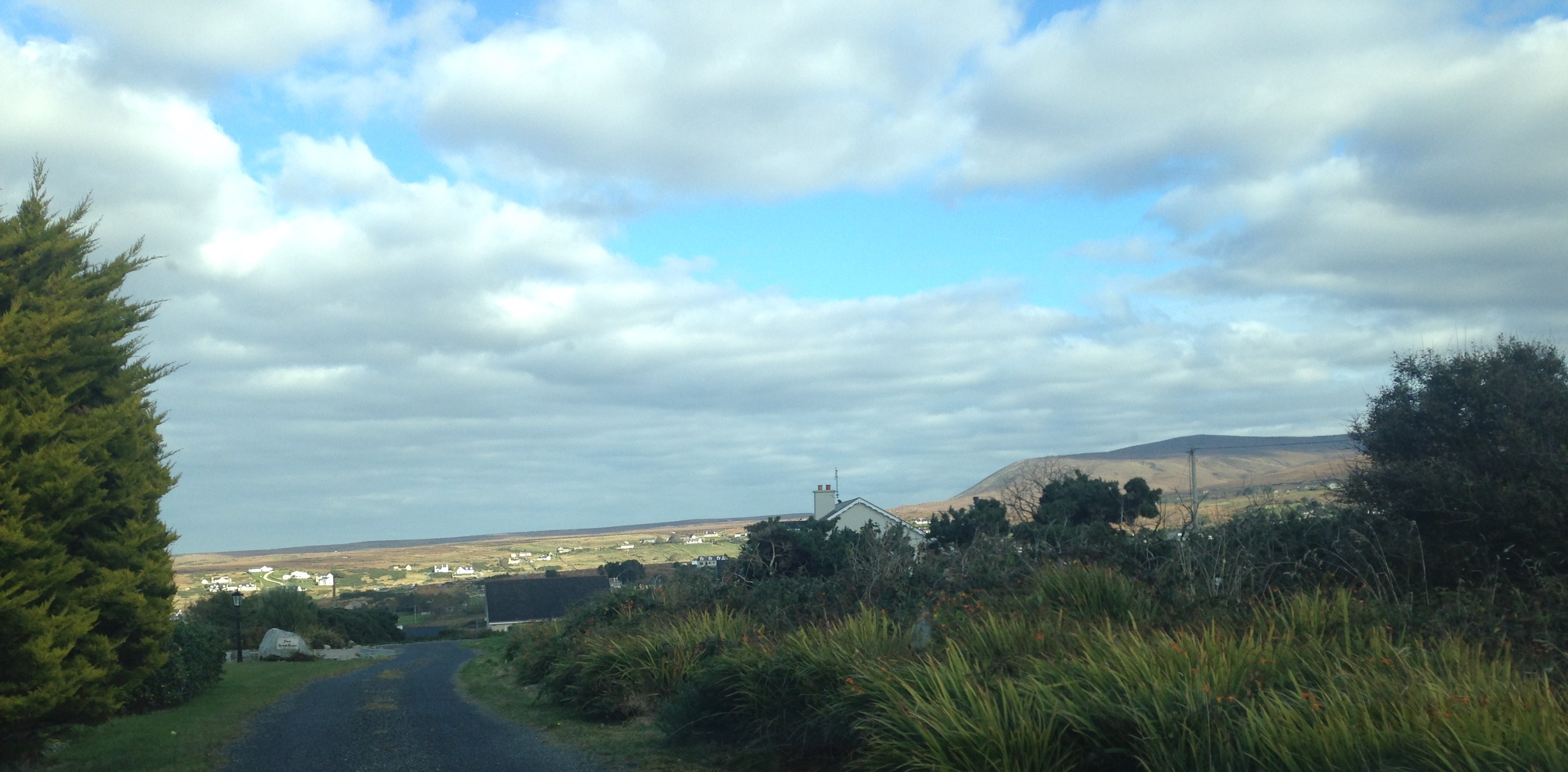
    Roadway down to Cecilia's property The main road has numerous such roads accounting for the scattered nature of housing

    Roadway down to Cecilia’s property.  The main road has numerous such roads accounting for the scattered nature of housing

    According to my informants, towards the end of her life, Cecilia sold her land to a farmer neighbour  with the understanding that she and her son, Eddie, could continue to live in the house during their lifetimes.   Eddie was an odd character who had no employment and used to go off wandering for weeks at a time.  Cecilia admitted herself to the local hospital/rest home twice with the last one coinciding with one of Eddies trips.  When he returned he found the farmer had locked him out.   One of the locals was so upset that he canvassed the community for donations of 5 ponds each to build Eddie a hut on common land.  The hut is no longer in existence as the land was part of that sold for the industrial park but I was shown the location.

    Cecilia's house

    Cecilia’s house

    Turf in Cecilia;s old houseTurf in Cecilia’s old house
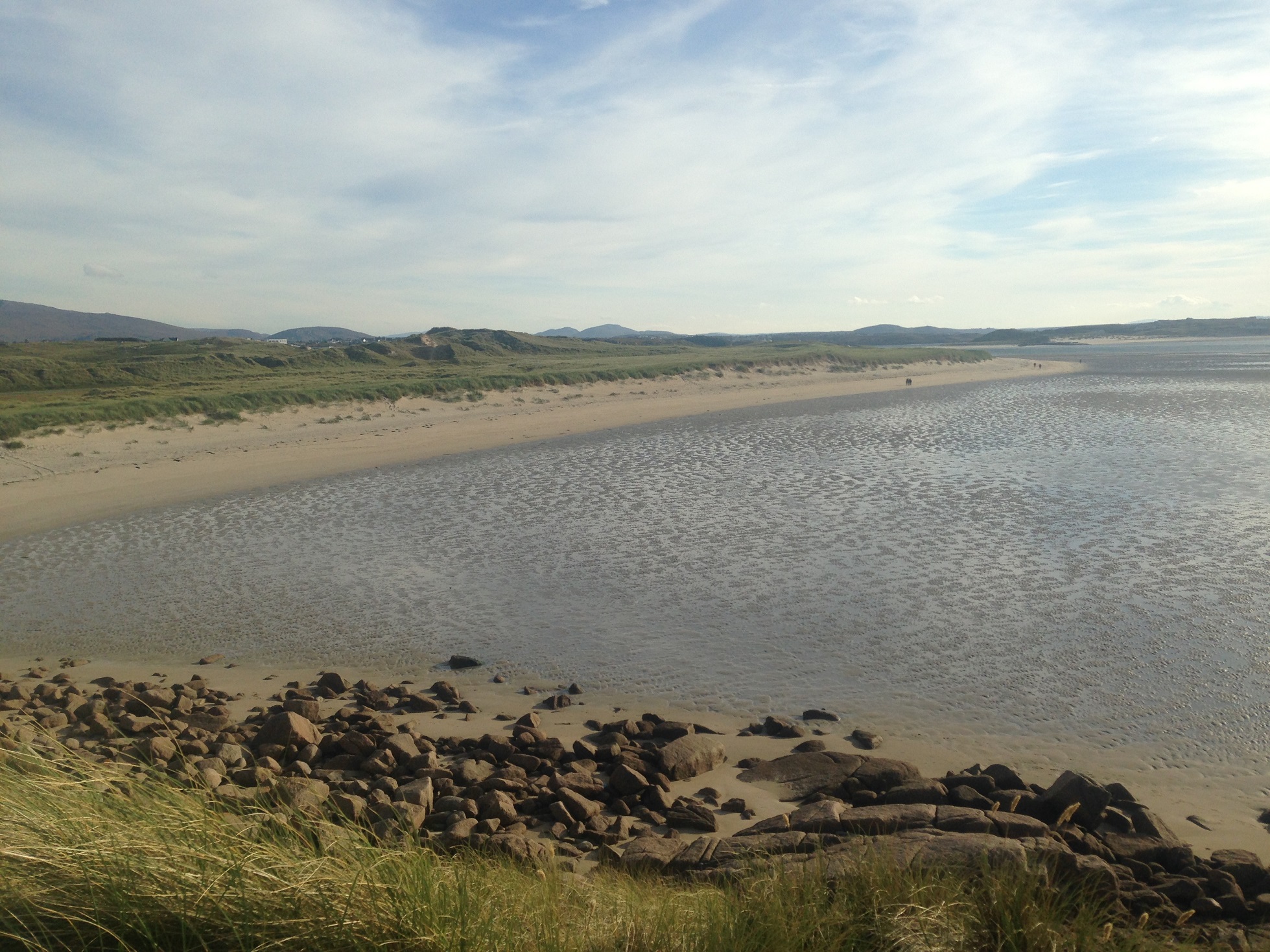
     

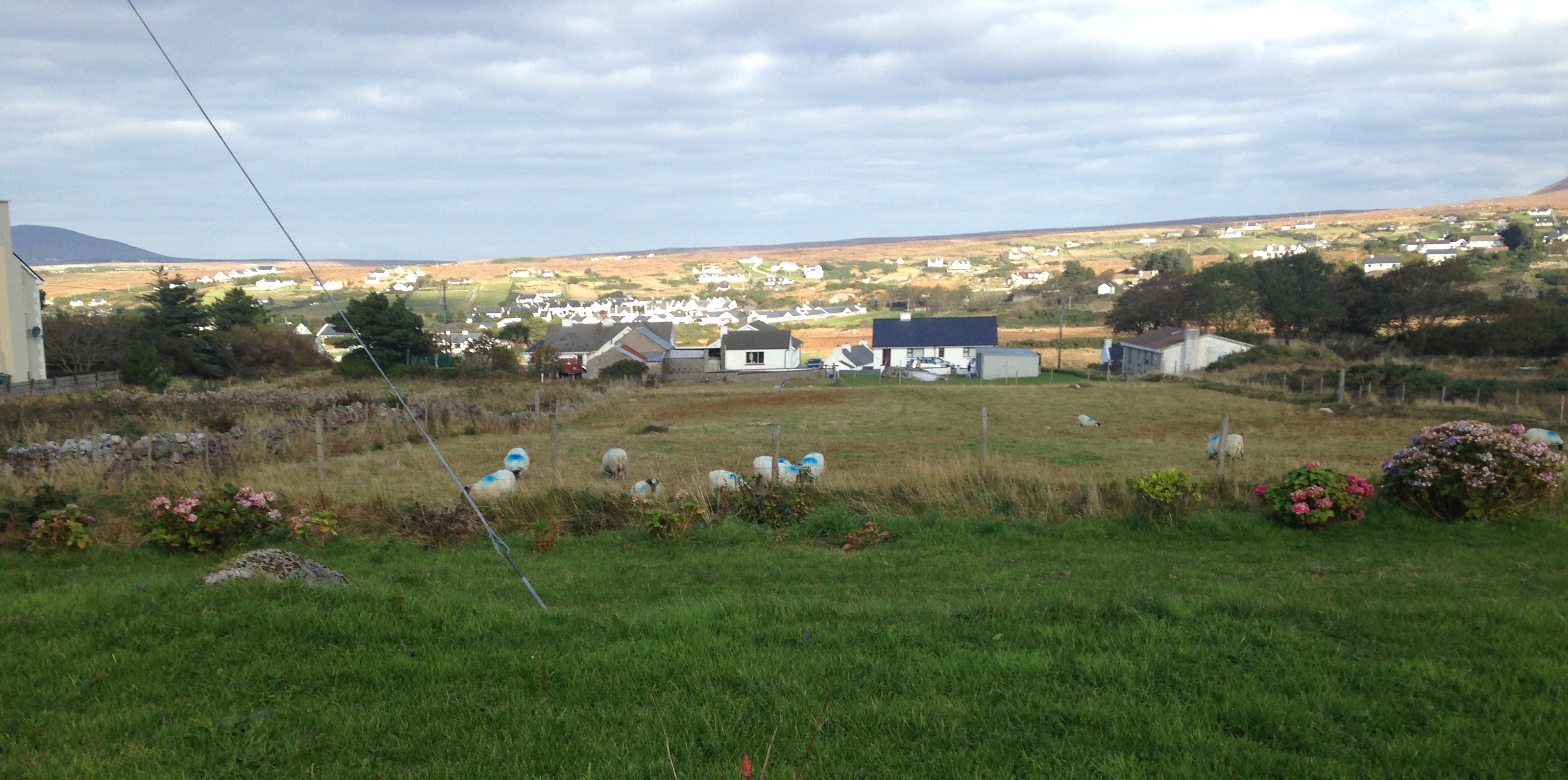
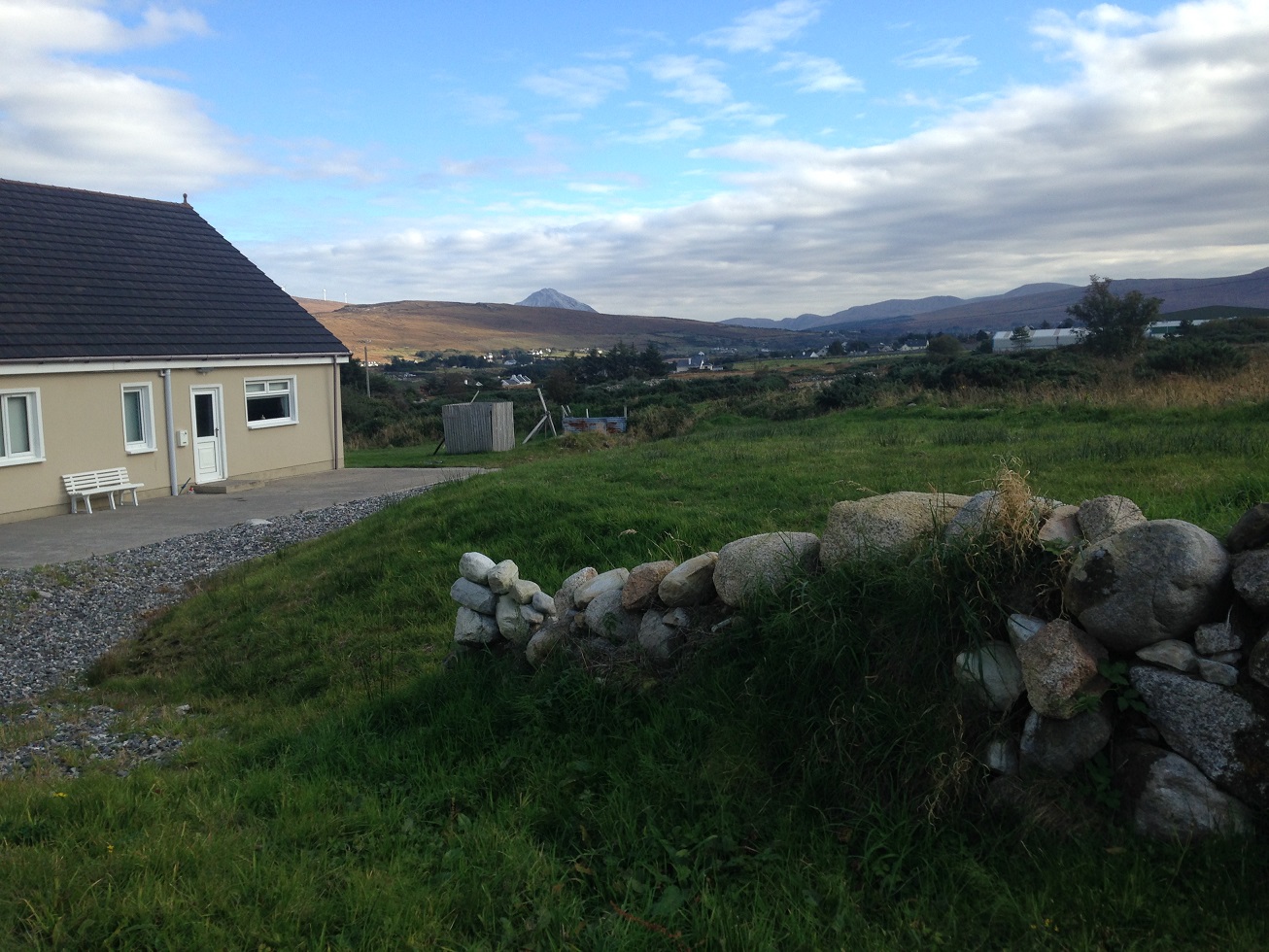
    View from Cecilia's property

    View from Cecilia’s property

    The new house on Cecilia's property and Mt Errigal in the distance

    The new house on Cecilia’s property and Mt Errigal in the distance

    After some photos we adjourned next door to the old family home of some of my informants for a cuppa and more chat and to meet another sister.  There was a wonderful pile of rich dark turf drying in the back yard but the photo didn’t work out.  I was offered some turf to take home but had to reject it on quarantine grounds.  A cheerful turf  fire was burning inside.  I was told that everyone had had land elsewhere  where they dug turf for their fires.  From what I’ve read the old system of land use meant that land was allocated so that all families had separate pieces of land of differing qualities and uses.   The next morning I saw some land from the bus where it was obvious that turf had been cut.


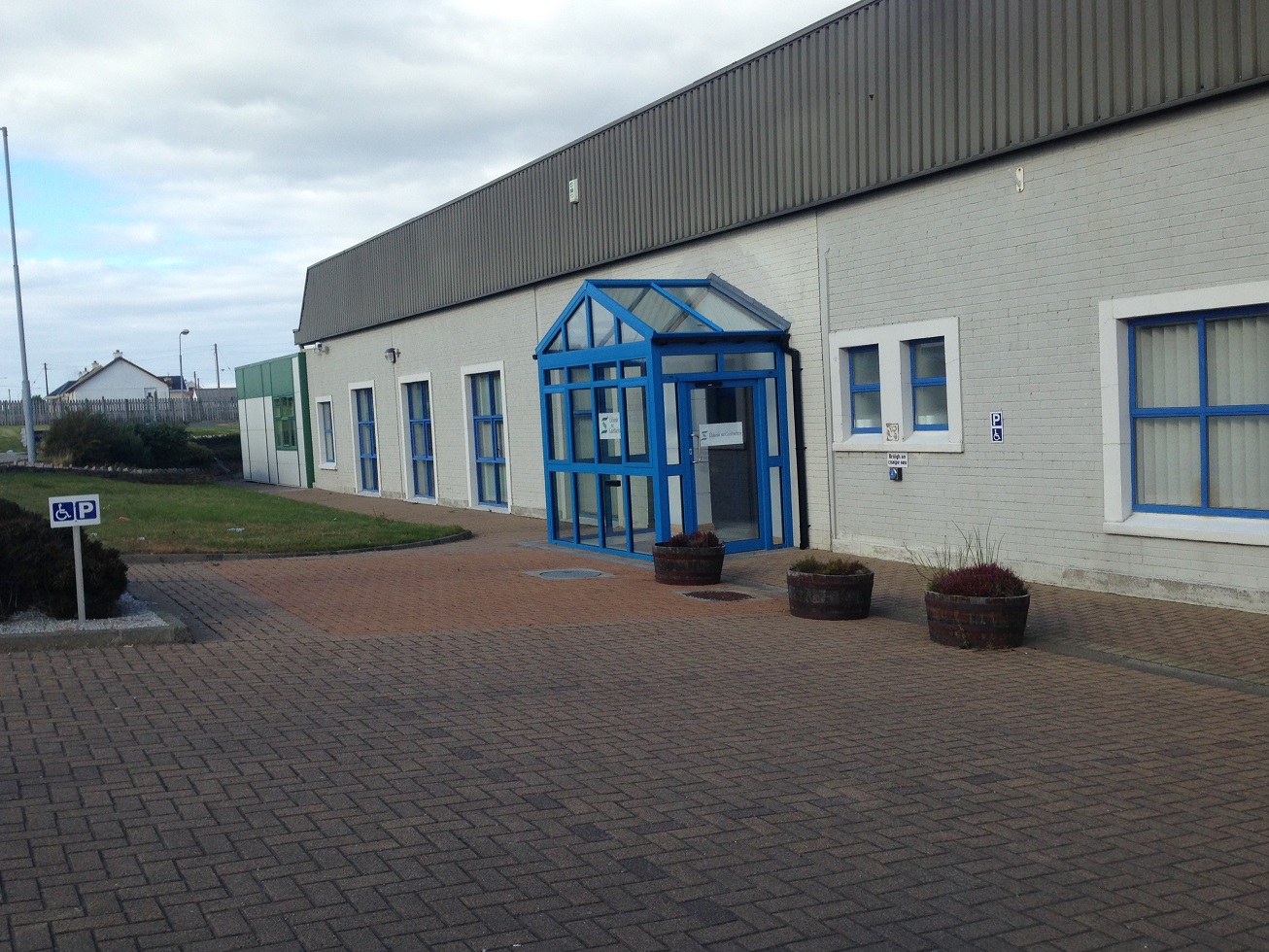
    One of buildings in the industrial park and location of Eddie's hut

    One of buildings in the industrial park and location of Eddie’s hut

    It was an interesting and unexpected experience as I’d never expected to meet anyone who’d known my relatives including those who themselves are related.  From what I gleaned “everyone” was and is related to one another.  I hadn’t expected to find such strong cultural knowledge in terms of family lines especially as at least several of my informants had worked away from home including overseas.  They were very welcoming and happy to share time and knowledge.

    bunbeg, Family History

  • Bed and Breakfast – Teach Campbell

    Nov 5th 2015

    By: Kerry

    No comments

    My new B&B was on the main road on which housing and commercial businesses were well strung out and interspersed with closed businesses and some derelict houses.  This Belfast born writer has some opinions about the situation.   http://seanhillenblog.com/2015/01/09/bunbeg-once-pretty-now-disfigured/

    The area is known as a gaeltacht  region meaning Irish is the predominant language and the Irish  government encourages the fostering of Gaelic language and culture.   Many famous singers have come from the area.  I felt as if I was in a foreign country as the only time a ever  heard English spoken was when it was directed at me. Not all signage was bilingual.  Everyone I met spoke English but a couple of the older ones had to think about it a bit.  This wiki link will tell you more about the area. https://en.wikipedia.org/wiki/Gweedore

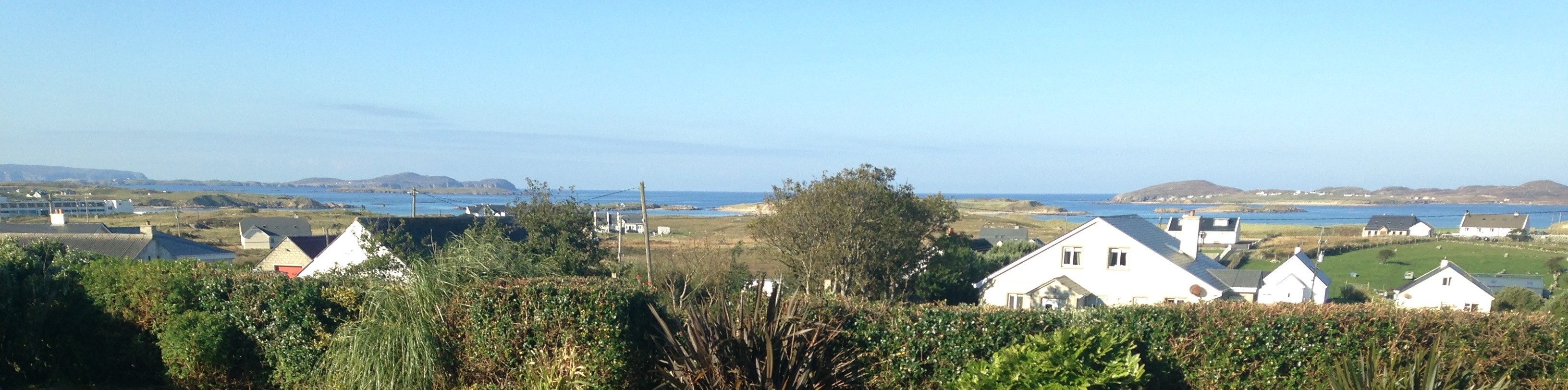
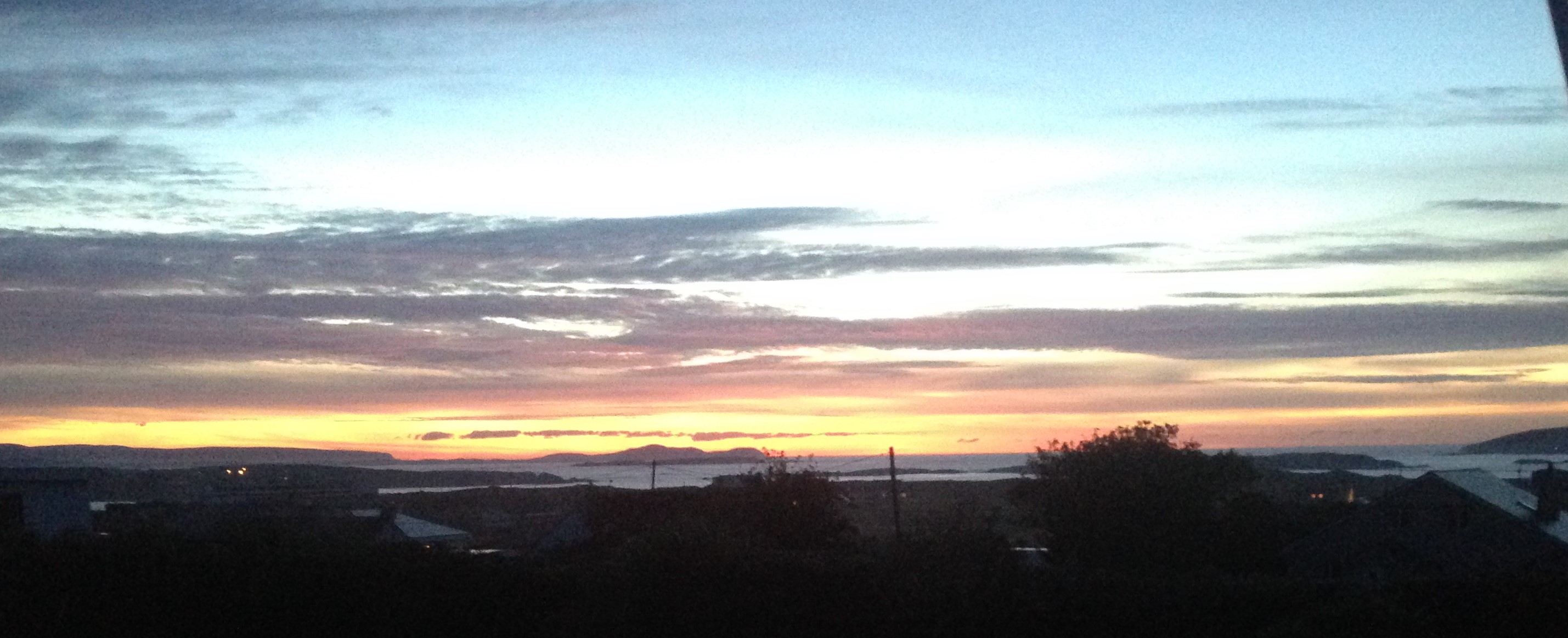
    The view from my room was pretty good followed by a spectacular sunset.

    View from my Window

    View from my Window

    Sunset

    Sunset

    The B&B was named Teach Campbell meaning House of Campbell.  The lady of the house was away when I arrived and when she returned a day or so later she organised a few people knowledgeable in family history to visit me.  She was very much into caring for the “waifs and strays “, whether they be alive or dead, and made sure she did as much to help me in my quest as was possible. She also had a stray cat which she supported.  More about family connections in the next post.


    bunbeg, Family History

  • A Walk by the Sea

    Nov 5th 2015

    By: Kerry

    No comments

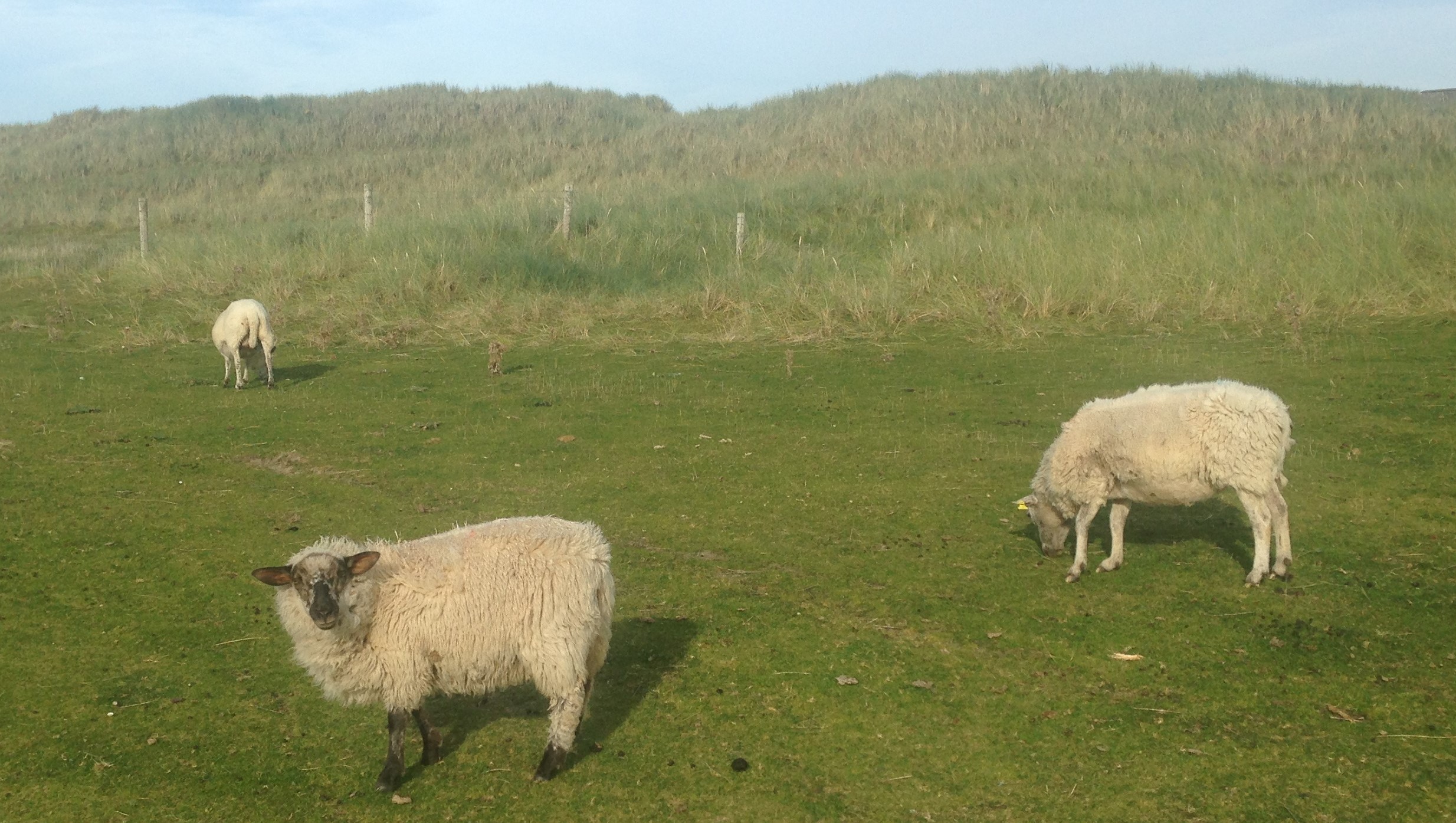
    The next day I walked to the cemetery which involved walking down the main road, taking the first left turn, walking past a few houses and then past acres of nothing apart from some sports fields, an electrically fenced field allowing ground dwelling birds to breed without interference from predators, a golf clubhouse and course and not much else but me and a few free roaming sheep until I reached the cemetery.

    Not much happening; just me and the sheep

    Not much happening; just me and the sheep

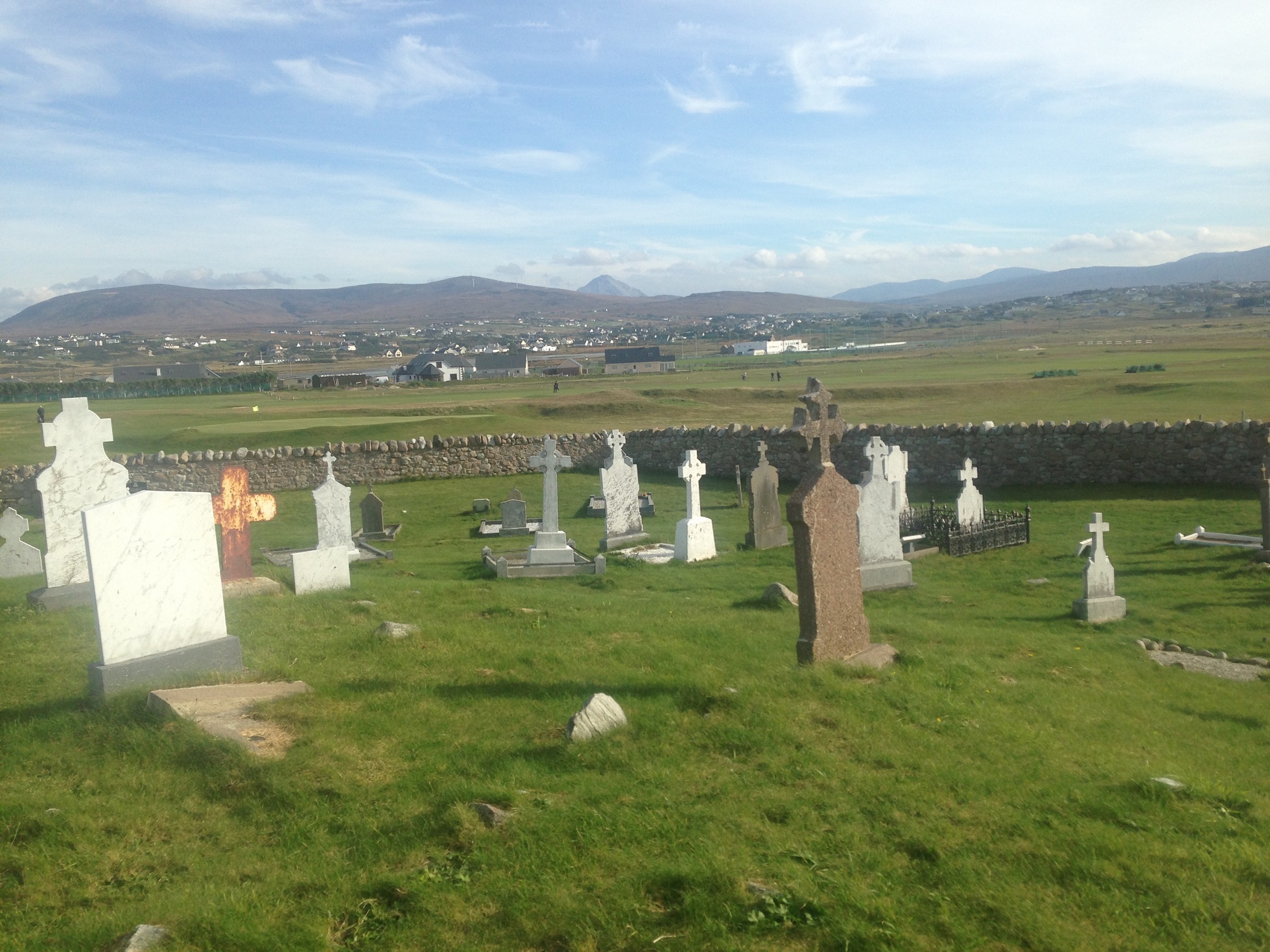
    Old section of cemetery

    Old section of cemetery

    The old section of the cemetery overlooks the golf course which had a surprising number of people playing on it. I searched for the great great grandparents but found no evidence of them.  However, they would be there as it was the local cemetery.


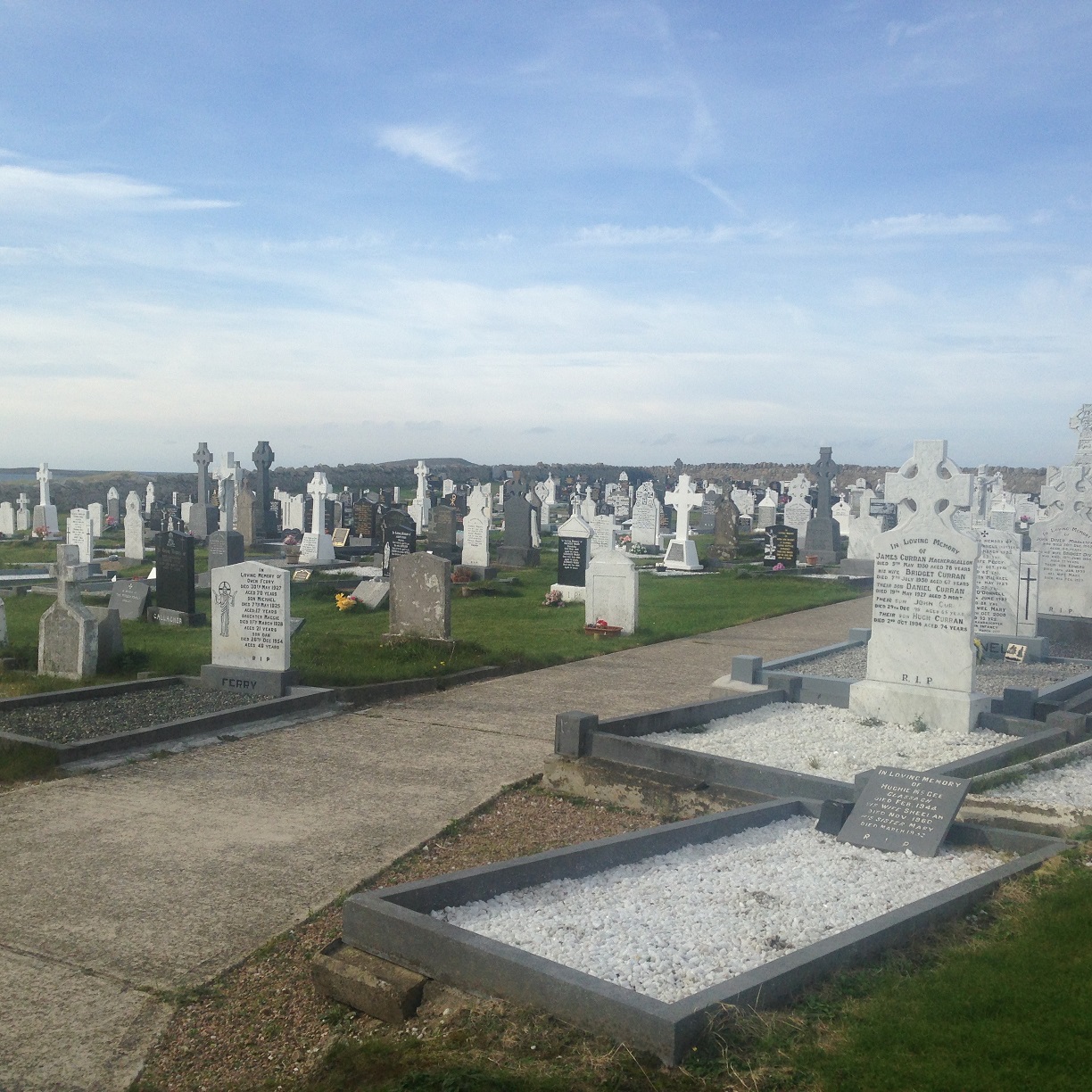
    Not quite so old section of cemetery

    Not quite such an old section of cemetery

    I later discovered that a cousin is buried in an unmarked grave and was shown the spot. However, it was another day for technical problems and the photo never saw the light of day. I was told that his parents would be in the same location.  His cousin is buried in the cemetery and has a tombstone.  At least one earlier generation would also be in the cemetery somewhere, most likely the older section.  If they had a headstone it is no longer evident.

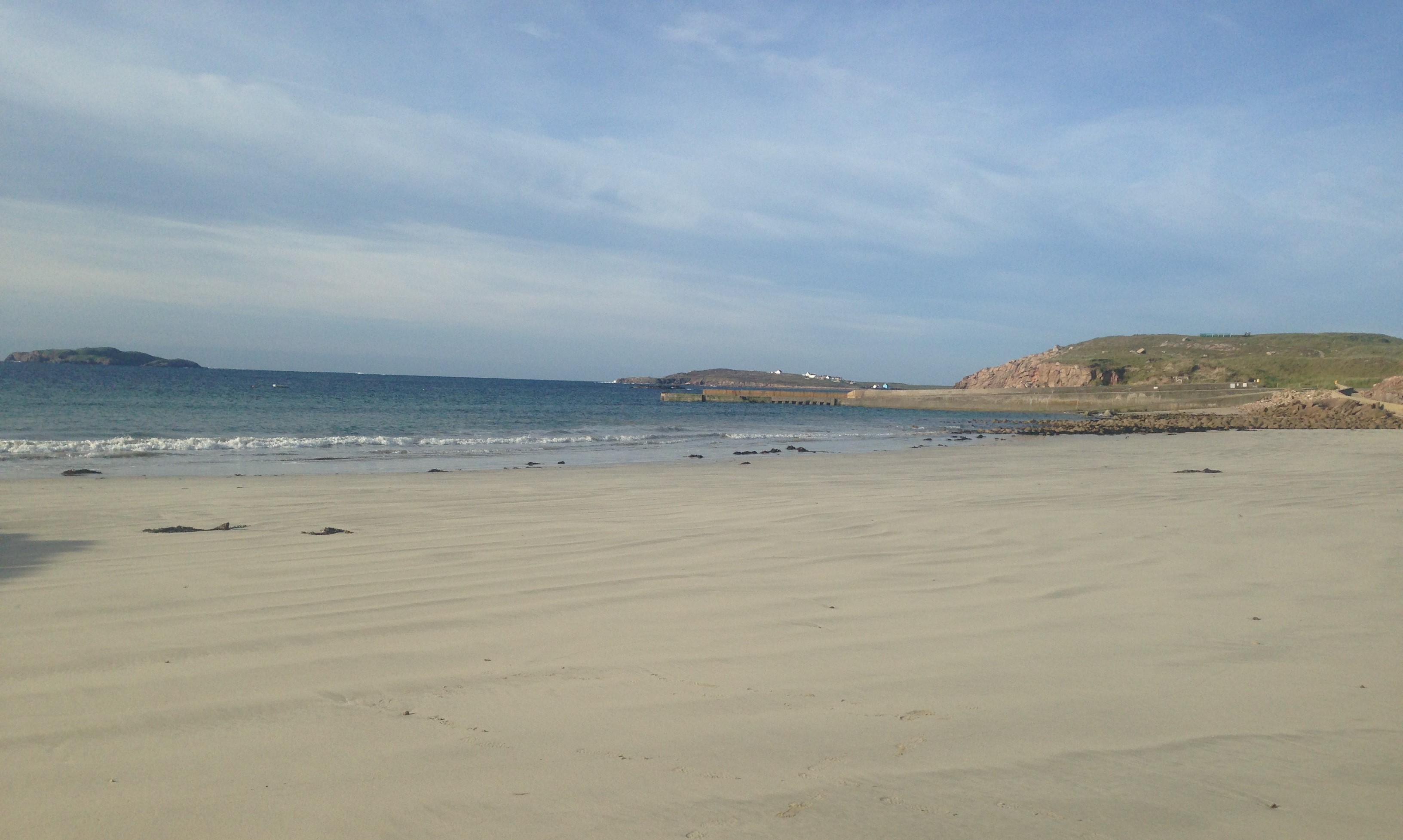
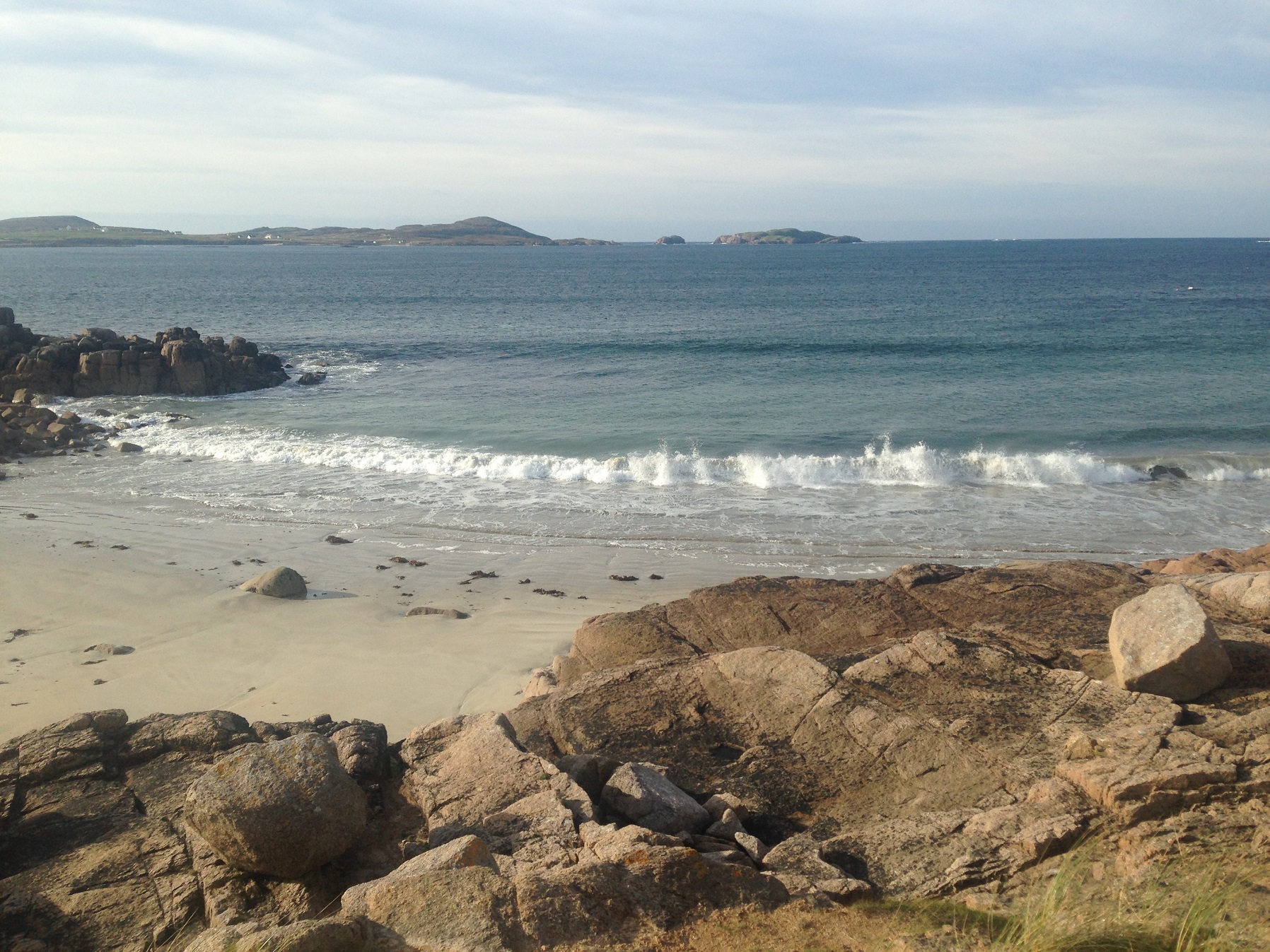
    The beach and piers

    The beach and piers

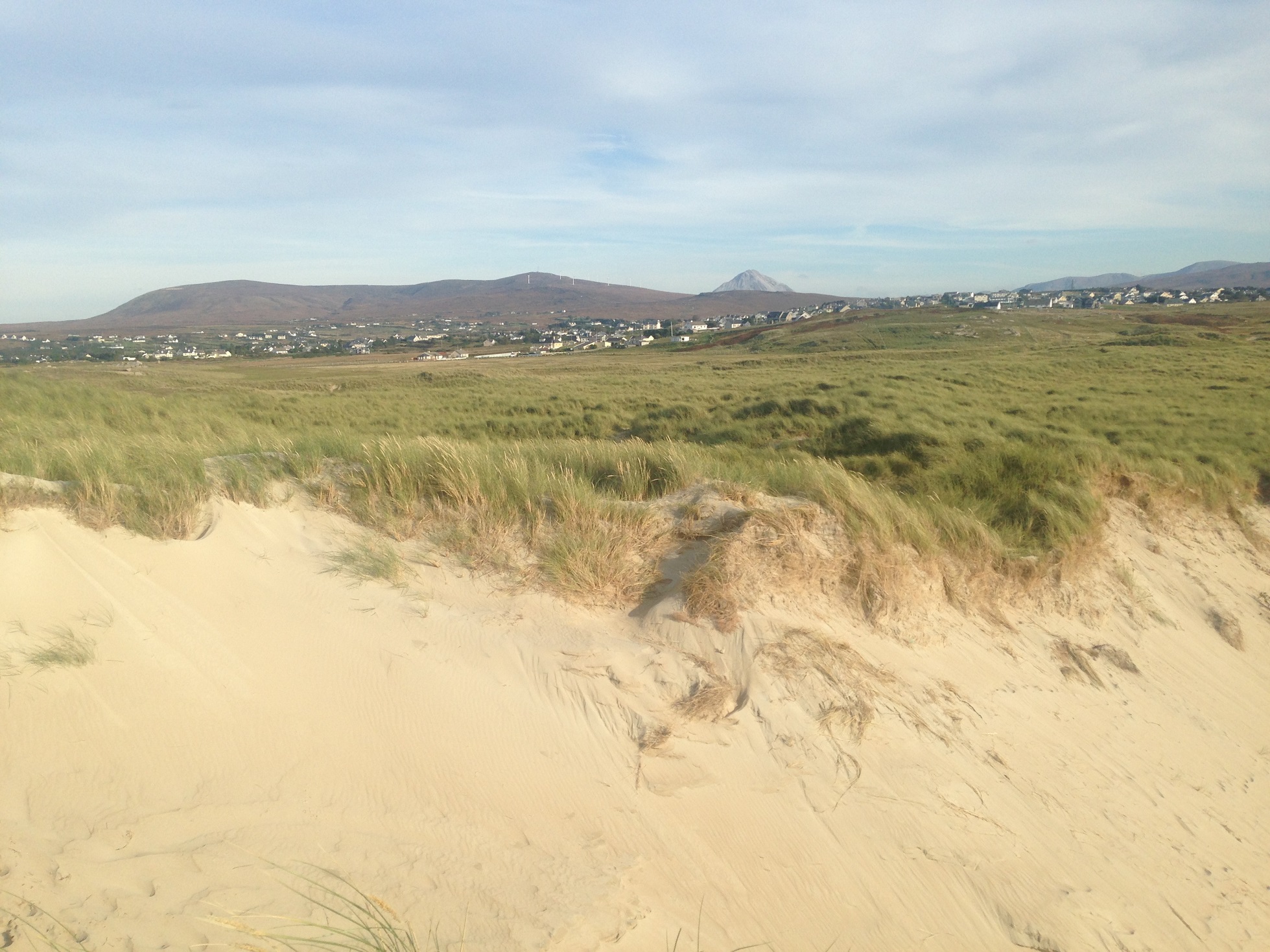
    I then decided to return to my B&B by walking along the beach to the main beach, up a road and along the main road to my B&B.  Big mistake, I will not be professing a love of long beach walks any time soon although the alternatives were not especially useful or desirable.

    The adjacent beach

    The adjacent beach

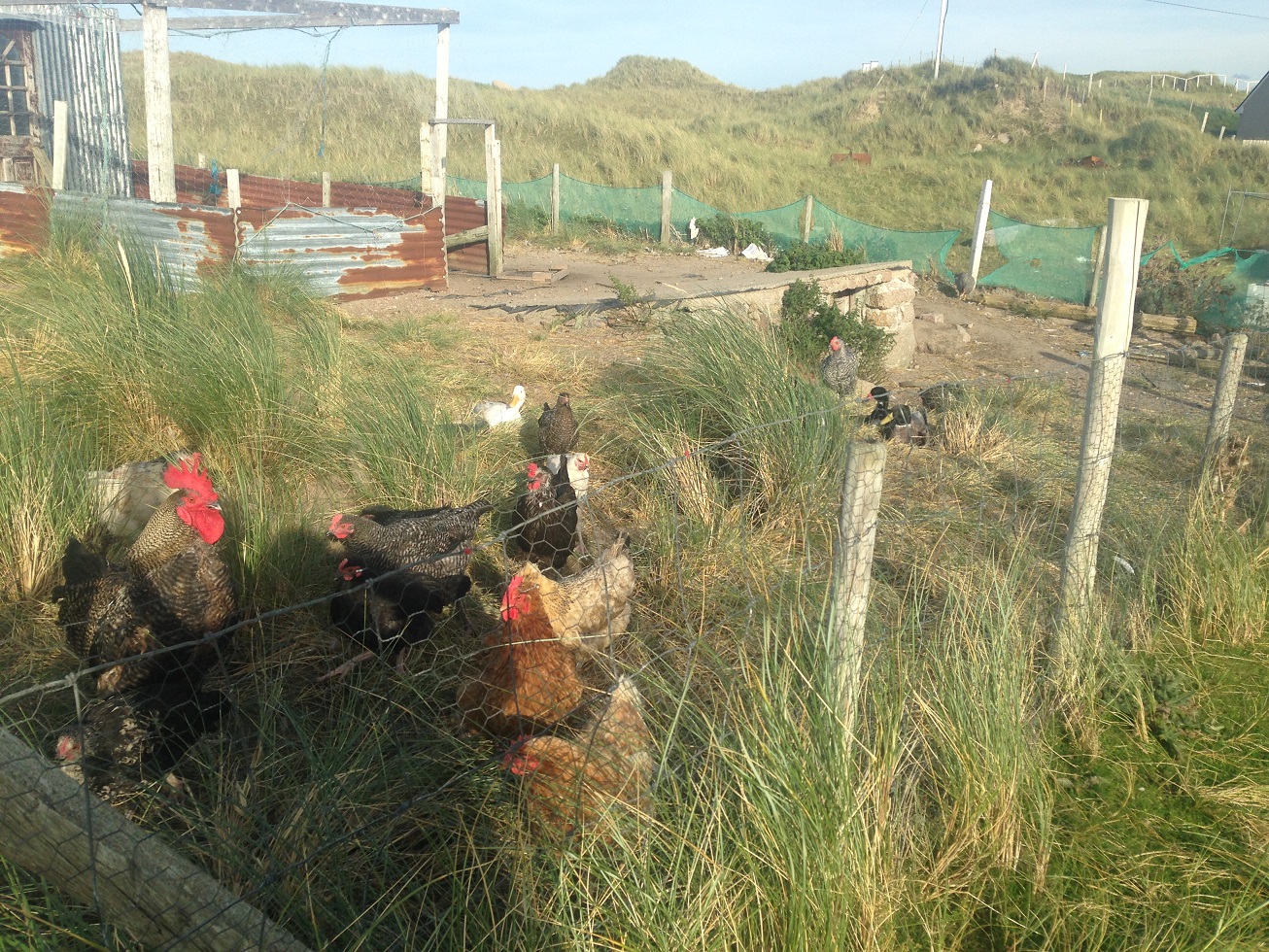
    Some fowl yard critters I met near 2 lonely looking houses

    Some fowl yard critters I met near 2 lonely looking houses

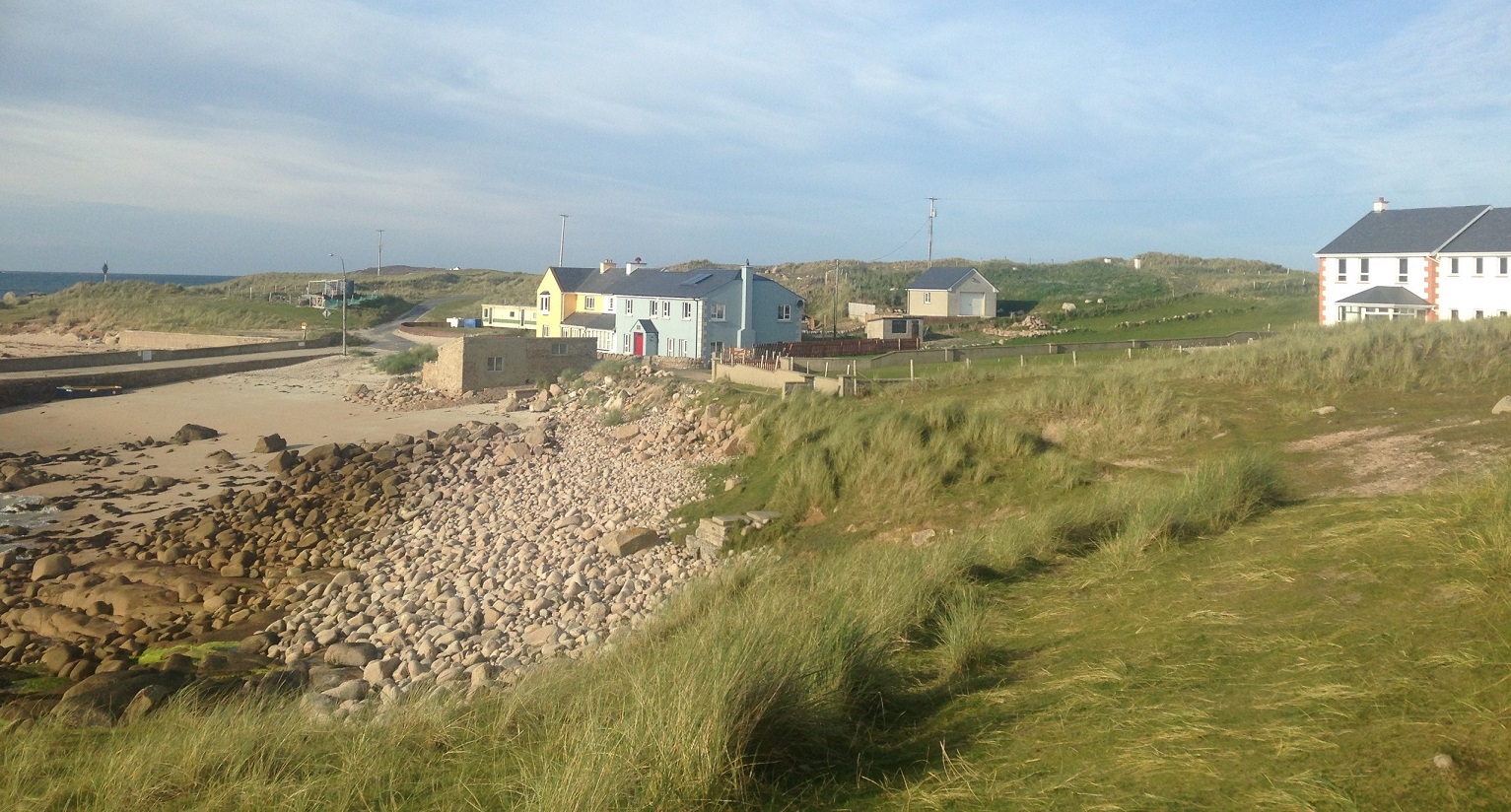
    The lonely looking houses

    The lonely looking houses

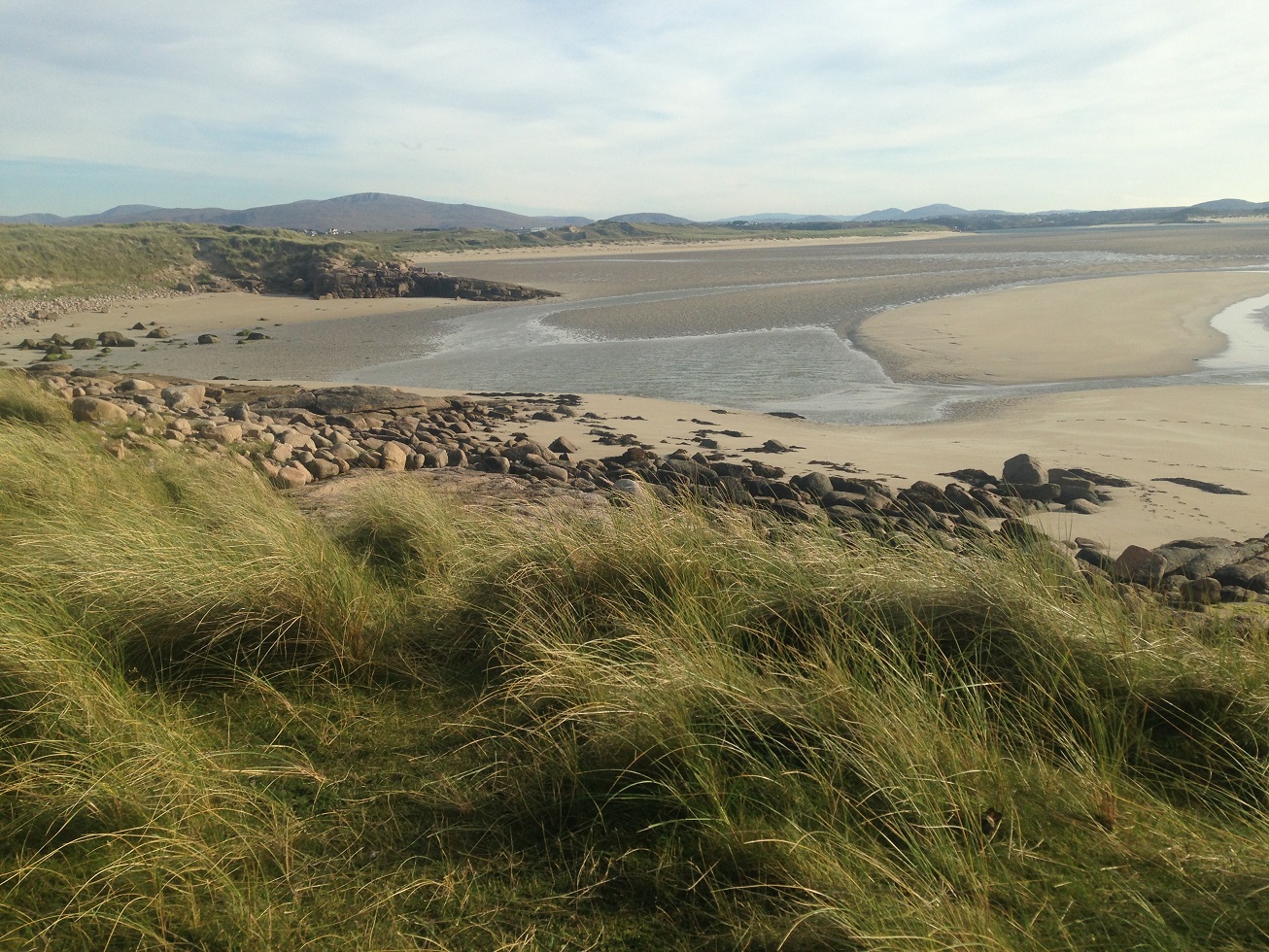
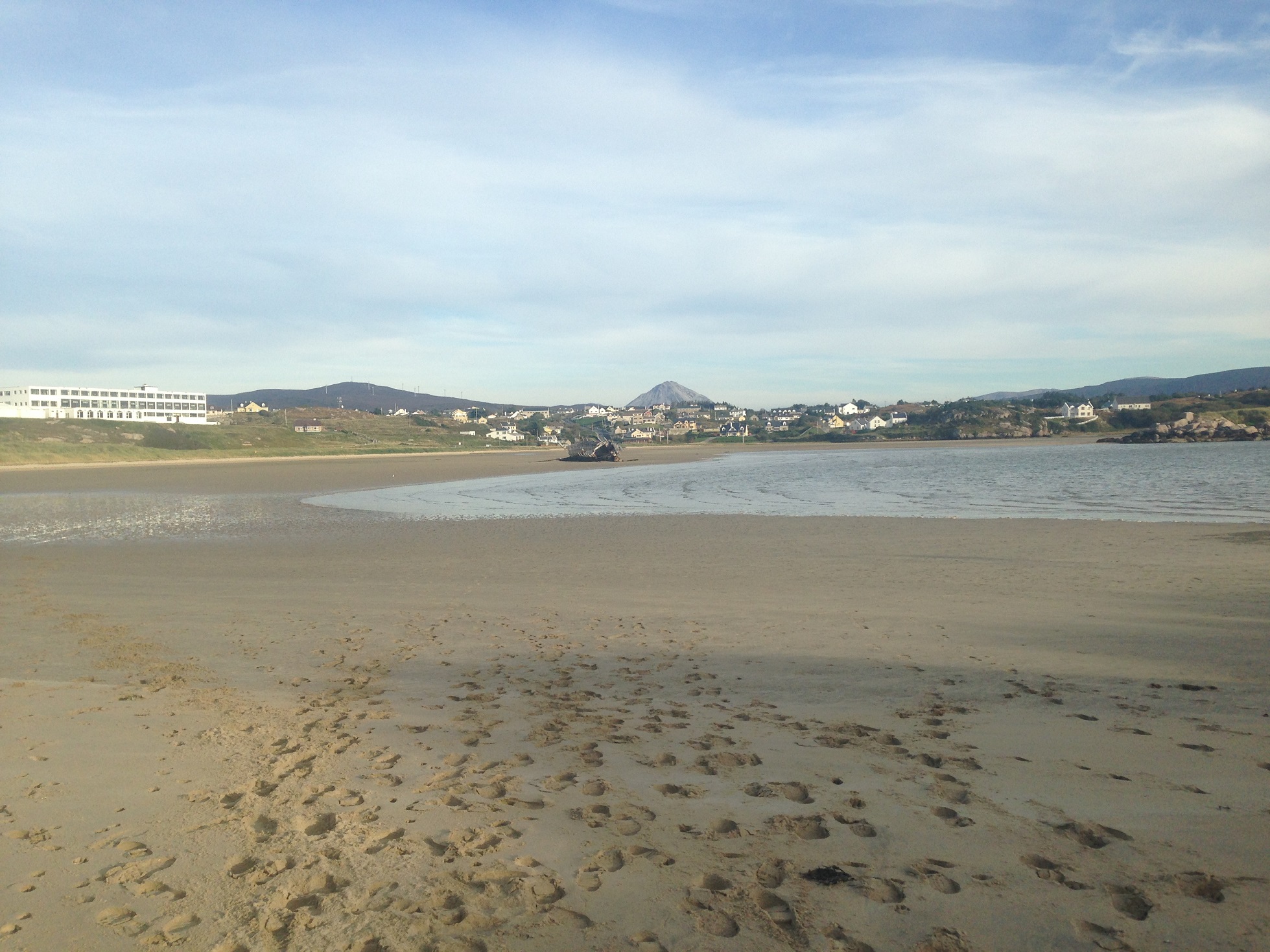
    The tide is out

    The tide is out

    Nice long beach

    Nice long beach


    Civilization in the distance as was Mt Errigal

    Civilization in the distance as was Mt Errigal the highest mountain in Donegal

    The beach, boat and civilization

    The beach, boat and civilization

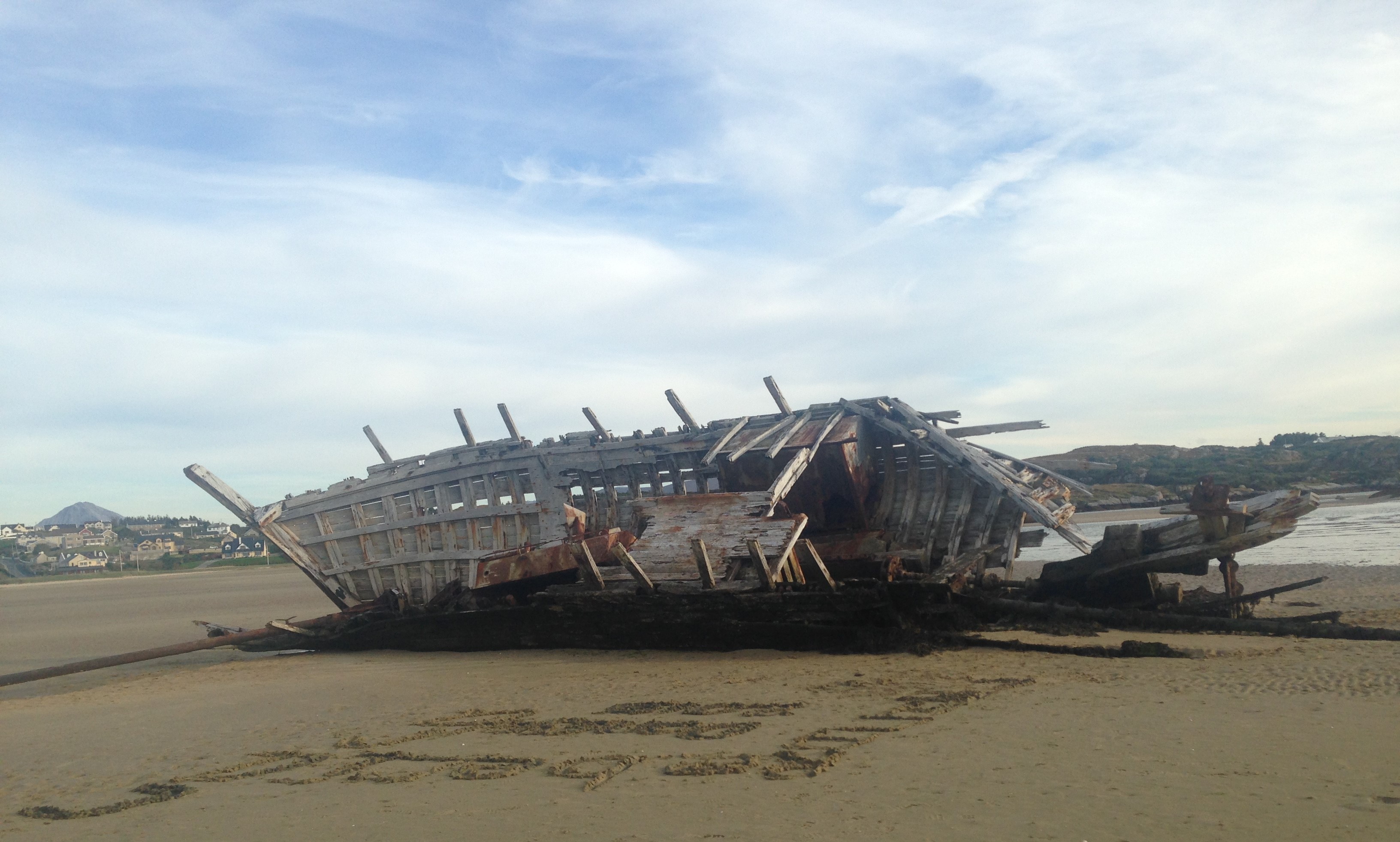
    The area of housing is recorded on Google maps as Magheraclougher but known unofficially as Bunbeg.   The boat was sunk during a severe storm in the 1970s.  The long white building is a hotel which is now closed along with a considerable amount of industry.

    The wreck

    The wreck

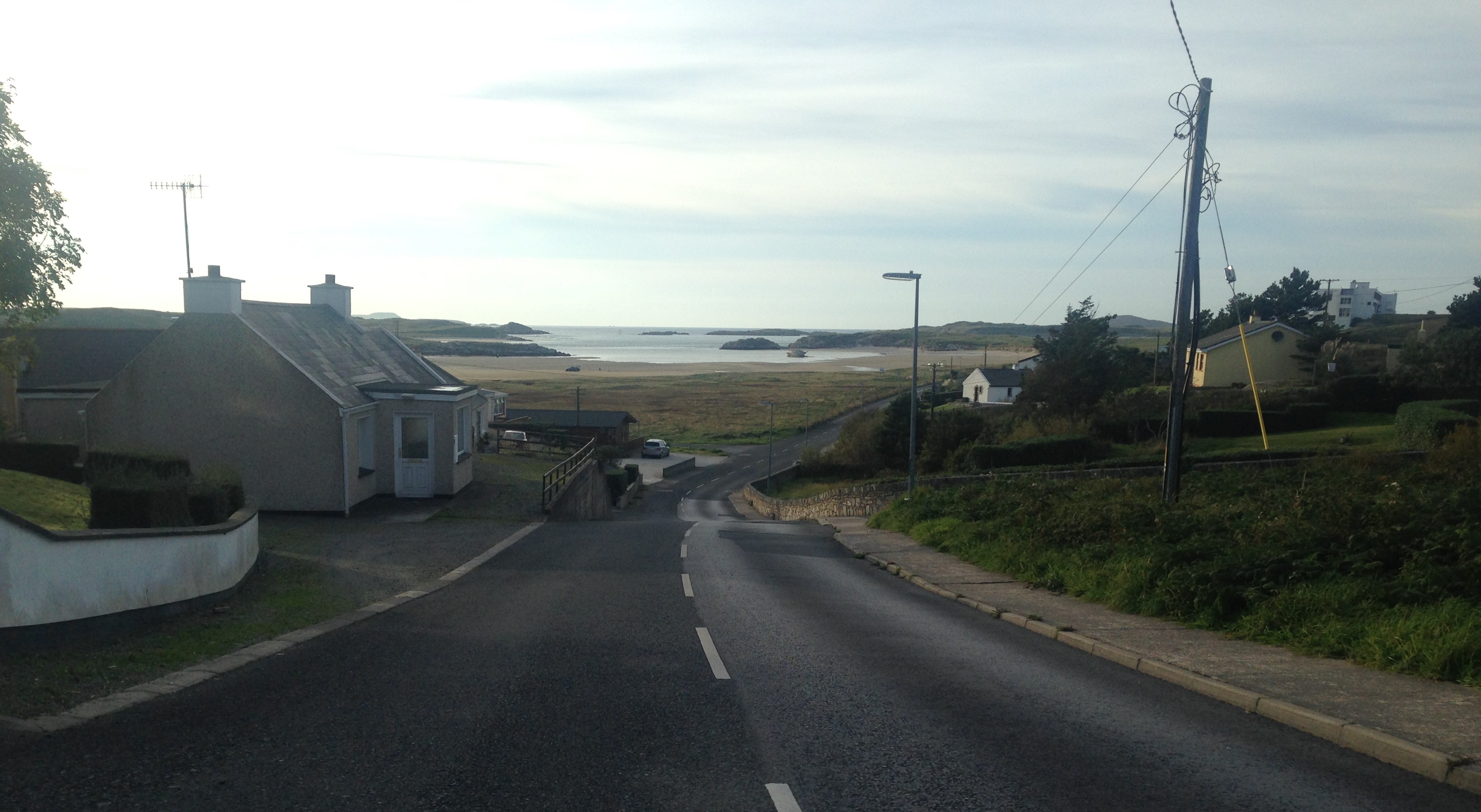
    Walking away from the beach

    Walking away from the beach

    The incoming tide has reached the wreck.

    I then continued walking up to the main road  where eventually I encountered the ubiquitous Chinese restaurant where I ordered a takeaway which I later enjoyed with my feet up at my B&B.


    bunbeg, Family History

    • <
    • 1
    • …
    • 5
    • 6
    • 7
    • 8
    • 9
    • …
    • 31
    • >

© Copyright Kerry's Blog. All rights reserved.