• Home
  • About
  • Work
  • Contact Me
  • Blog Visitors

Kerry's Blog

Feed
  • Hello and Welcome

    Hello and thanks for visiting my blog. Please have a look around, and if you would like to leave a comment on any posts please click HERE to register.
  • Subscribe


  • Recent Comments

    • sandra mosley on The Update
    • sandra mosley on The Carpentry and the Return
    • sandra mosley on Two onto One does Go
    • sandra mosley on Spring has Sprung
    • grazer on A singing waiter and a travelling cat
  • Pages

    • About
    • Work
    • Contact Me
    • Blog Visitors
  • Categories

    • Abbot's Leigh
    • Animals
    • Australia
    • Beijing
    • Brecon
    • Bristol
    • bunbeg
    • Castle Carey
    • Chaddesden and Breadsall
    • China
    • Churches
    • Clifton Bridge
    • Copenhagen
    • Culross
    • Dali
    • Derby
    • Easton in Gordano
    • Edinburgh
    • Elmore
    • Family History
    • Gloucester
    • Home
    • Inverkeithing
    • Jinghong
    • Kent
    • Kunming
    • Lake Lugu
    • Ledbury and Colwall
    • Lijiang
    • London
    • Lydney Harbour
    • Melbourne
    • Other
    • Portbury
    • Qingdao
    • Tadcaster and Newton Kyme
    • UK
    • Uncategorized
    • Wells
    • Work
    • Xingtai
    • York
    • Yunnan
  • Favourite Websites

    • David's Blog
    • Webmail
  • Site

    • Register
    • Log in
    • Entries feed
    • Comments feed
    • WordPress.org
  • Tags

    agriculture animals architecture art and craft Australia baby carriers Behai Park Beijing bus China college computer culture Dali Dashalan dogs Education ethnic minorities Fashion Parade Food games guanxi Health holidays hostels Kumning lake Lake Lugo Lijiang maps markets matriarchial society medicine military training park performance plants Qianmen religion shops taxis teaching temple transportation Xingtai
  • Archives

    • April 2018
    • December 2015
    • November 2015
    • October 2015
    • September 2015
    • November 2014
    • October 2014
    • September 2014
    • August 2014
    • July 2014
    • June 2011
    • January 2011
    • December 2010
    • November 2010
    • October 2010
    • September 2010
    • August 2010
    • July 2010
    • June 2010
  • Derby

    Oct 17th 2015

    By: Kerry

    No comments

    The next stop on the way was Derby home of some ancestors and also the home of a friend I made in China.  She picked me up from my hotel soon after my arrival and gave me the grand walking tour of Derby.  It didn’t seem like 4+ years since we’d seen each other and we were soon having lots of laughs which was just as well so I didn’t notice the distance the tour actually took.  The photos here were taken then or on a subsequent visit to the city centre.  One of our first sights was the 1912 building below with its sculptures of famous people.  One included Florence Nightingale and when I researched her  to determine her association with Derby I discovered her father had not been born a “Nightingale” but had changed his name to receive an inheritance via his wifes side of the family.


    Building with sculptures

    Building with sculptures

    Guildhall containing a hall where market stalls still exist

    Guildhall containing a hall where market stalls still exist

    Old rows of shops and Derby Cathedral complete with resident peregrine falcons
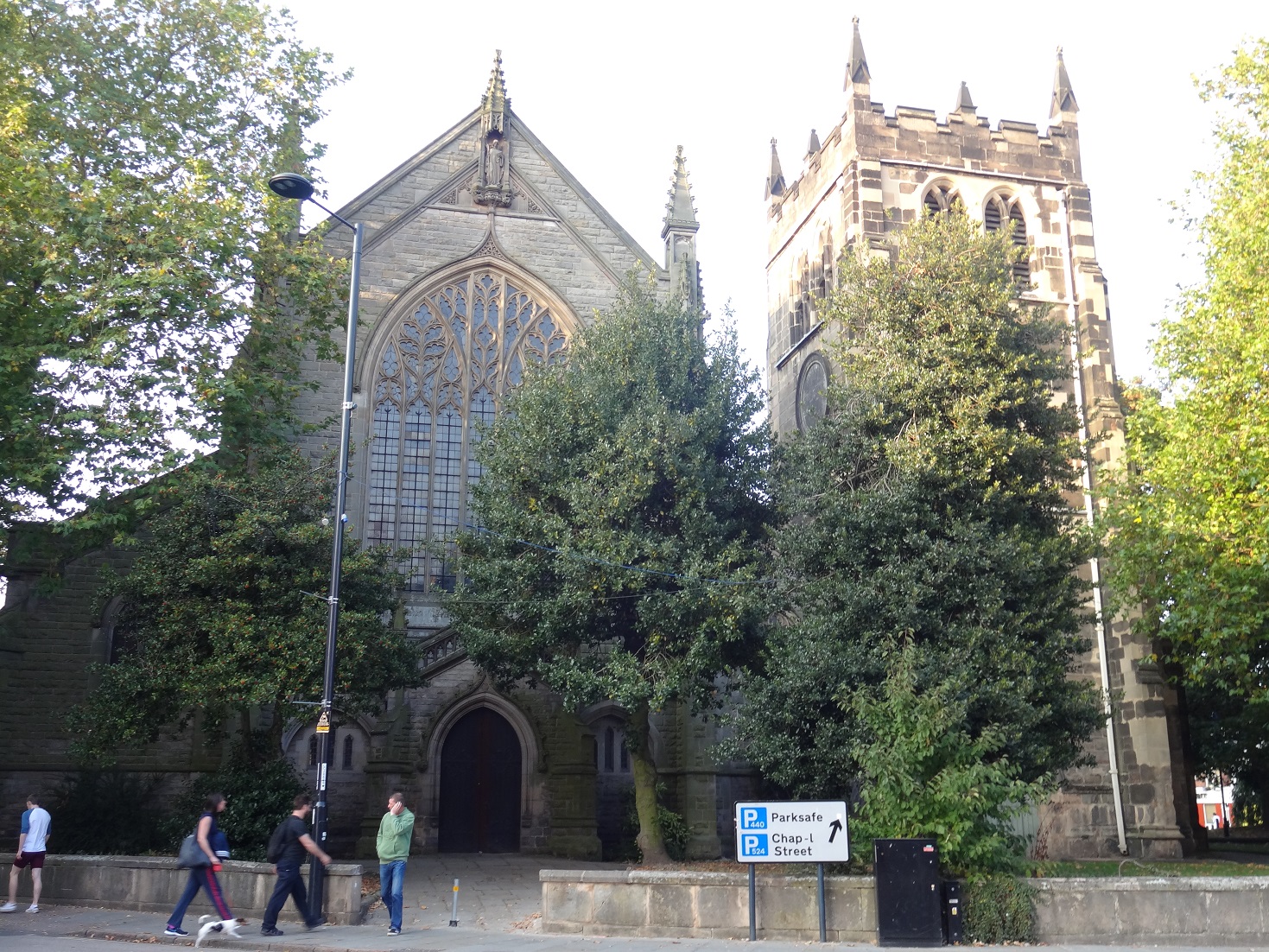
    Old rows of shops and Derby Cathedral complete with resident peregrine falcons


    St Werburgh's Church now decommissioned as a church. One set of ancestors were married there a very long time ago.

    St Werburgh’s Church
    now decommissioned as a church. One set of ancestors were married there a very long time ago.

    See http://derbyperegrines.blogspot.ie/p/our-webcams.html for more on the birds.


    St Peters Church

    St Peters Church


    This building isn't that old but I liked the owls

    This building isn’t that old but I liked the owls. I was also fascinated with its bicoloured arches, also found on several other buildings in the area and similar to those in the church, previously a mosque, in Cordova in Spain.  St Pancreas Station in London also has such arches.

    The Old Bell Hotel 1717 in a narrow street hence the photographic angle

    The Old Bell Hotel 1717 in a narrow street hence the photographic angle

    Another old pub, Jorrocks, which Bonnie Prince Charlie visited in 1745

    Another old pub, Jorrocks, which Bonnie Prince Charlie visited in 1745

    The copper roof looks like a kids beanie with pom pom

    The copper roof looks like a kids beanie with pom pom

    Babington Building One of the early Babingtons met a very nasty end for treason.

    Babington Building One of the early Babingtons met a very nasty end for treason.

    Said to be a coat of arms and baboons on a keg. Guess the Derby stonemasons didn't get to see real baboons before being required to carve them

    Said to be the Babington coat of arms and baboons on a keg. Guess the Derby stonemasons didn’t get to see real baboons before being required to carve them

    Pub near railway

    Pub near railway

    Almshouses

    Almshouses


    The Old Silk Mill, the oldest factory in the world built in the early 1700s to twist silk int thread using water power, machinery and human misery.

    The Old Silk Mill, the oldest factory in the world built in the early 1700s to twist silk int thread using water power, machinery and human misery.

    Hot air balloon seen above Silk Mill

    Hot air balloon seen above Silk Mill


    Rowers on the Derwent River beside Silk Mill

    Rowers on the Derwent River beside Silk Mill

    Walk in a large urban park

    Walk in a large urban park

    The Dolphin Inn, the oldest pub in Derby although it did receive some work in the 1800s. We had a drink and chat until it was time to repair to a restaurant for tea.
    The Dolphin Inn, the oldest pub in Derby although it did receive some work in the 1800s. We had a drink and chat until it was time to repair to a restaurant for tea.


    Derby, Family History

  • Edinburgh

    Oct 14th 2015

    By: Kerry

    No comments

    Edinburgh

    It seems like a very long time since I updated the blog. Don’t have the previous excuse of technical problems or a cold, just life.
    I visited the archives in Edinburgh during my stay in Inverkeithing. They’re very close with Edinburgh being seen from Inverkeithing on a clear day and park and ride arrangements exist at Inverkeithing for commuters.
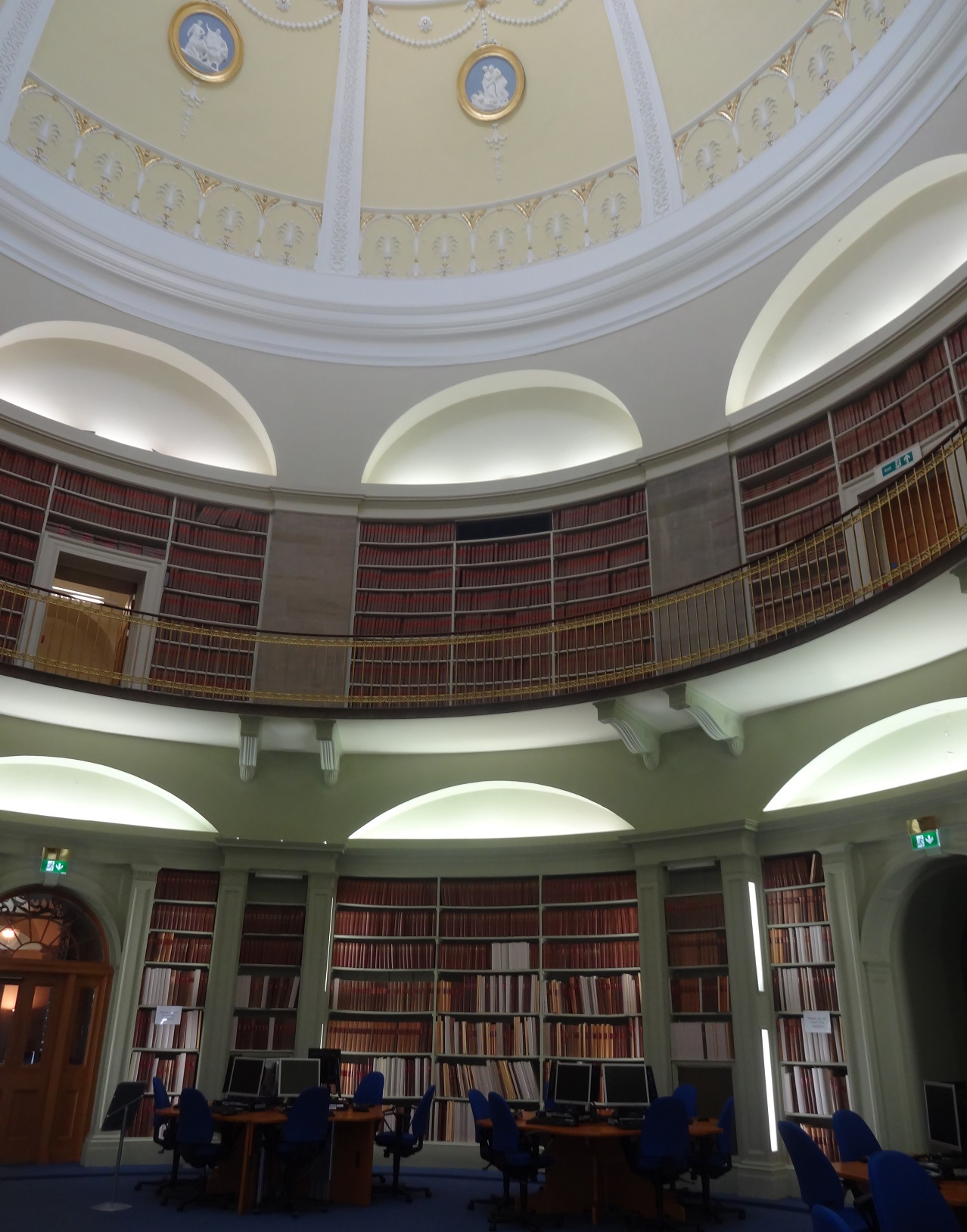
    The archive experience was useful with the required information well organized and available on computers. I probably could have used another day and even more if I’d been ready to research from original documents but I wasn’t.

    Room I passed through at archives on way to a much more ordinary one

    Room I passed through at archives on way to a much more ordinary one

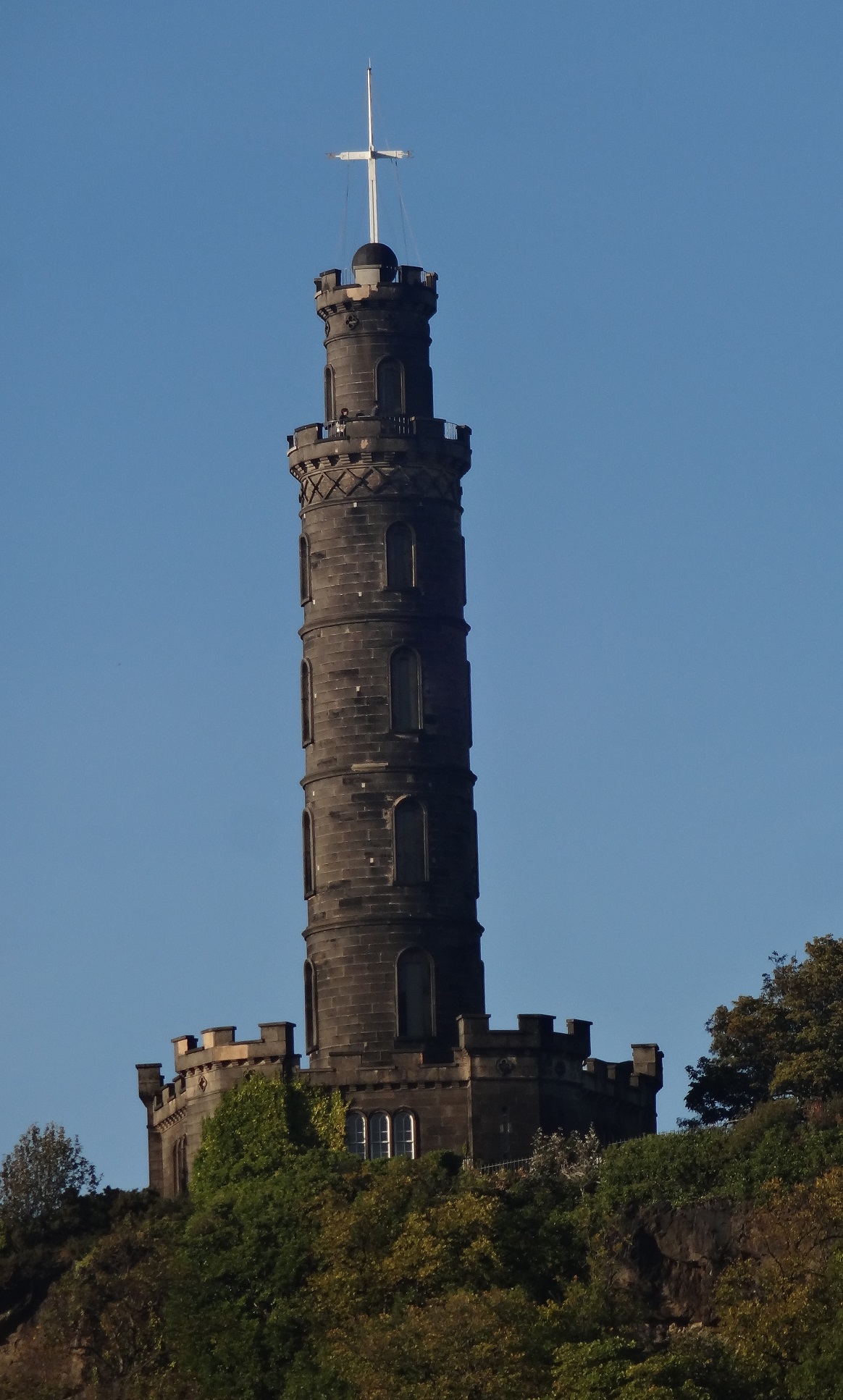
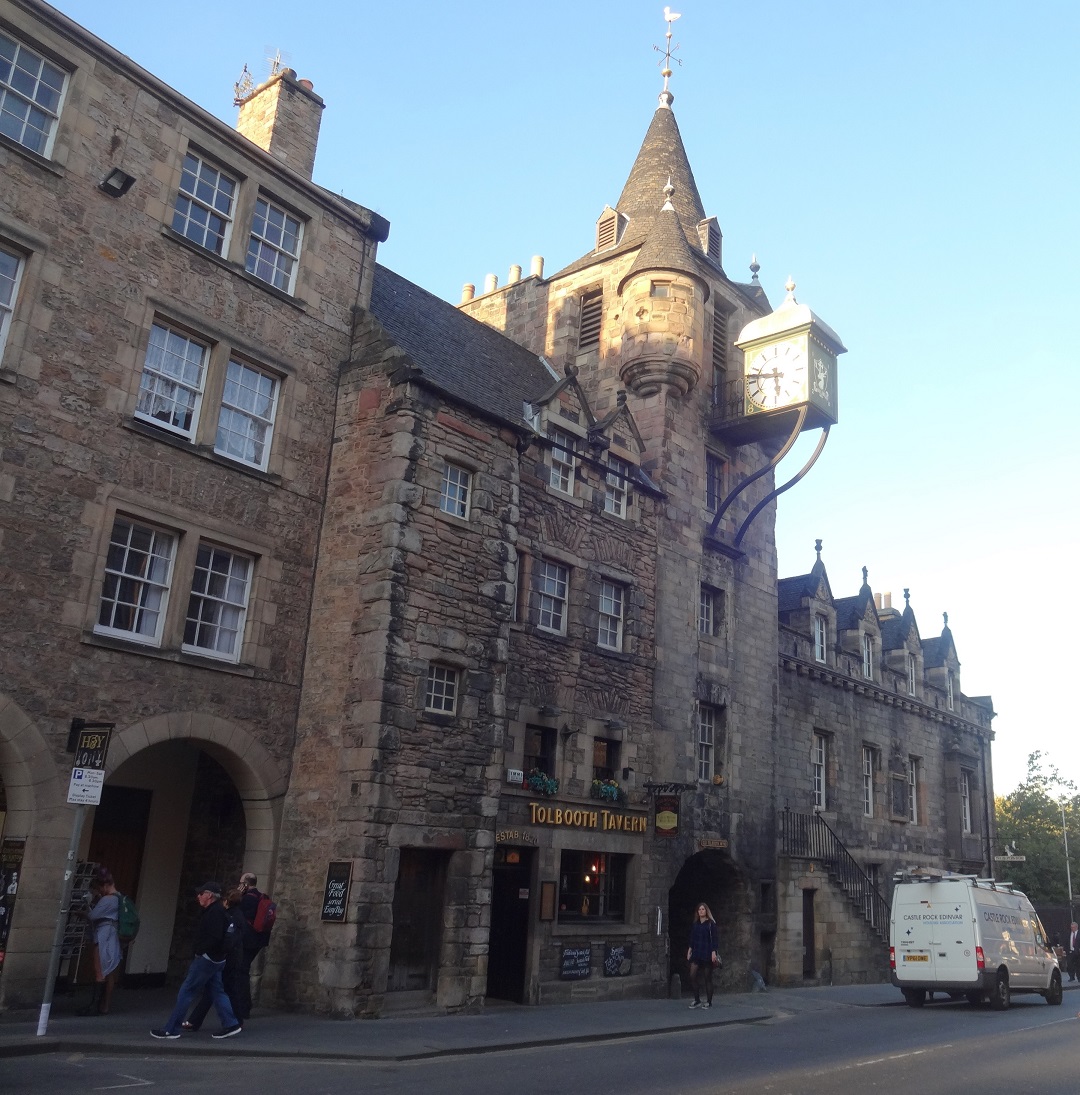
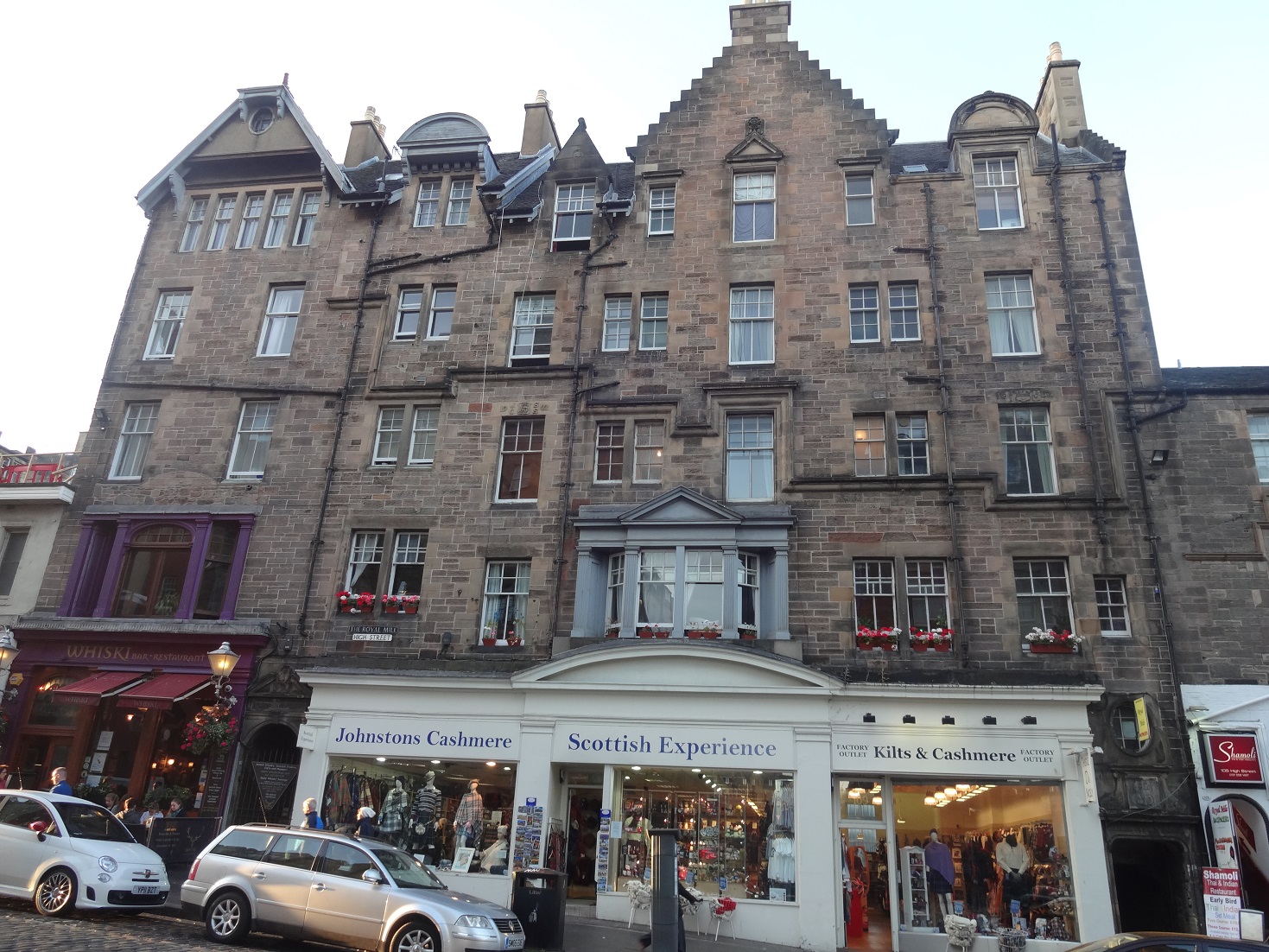
    After having the door closed on me, I was last out at closing time, I walked down the road, across the bridge and left onto the Royal Mile.  I walked left along it to Holyrood Palace and back again.  The photos are some of the sights I saw along the way.

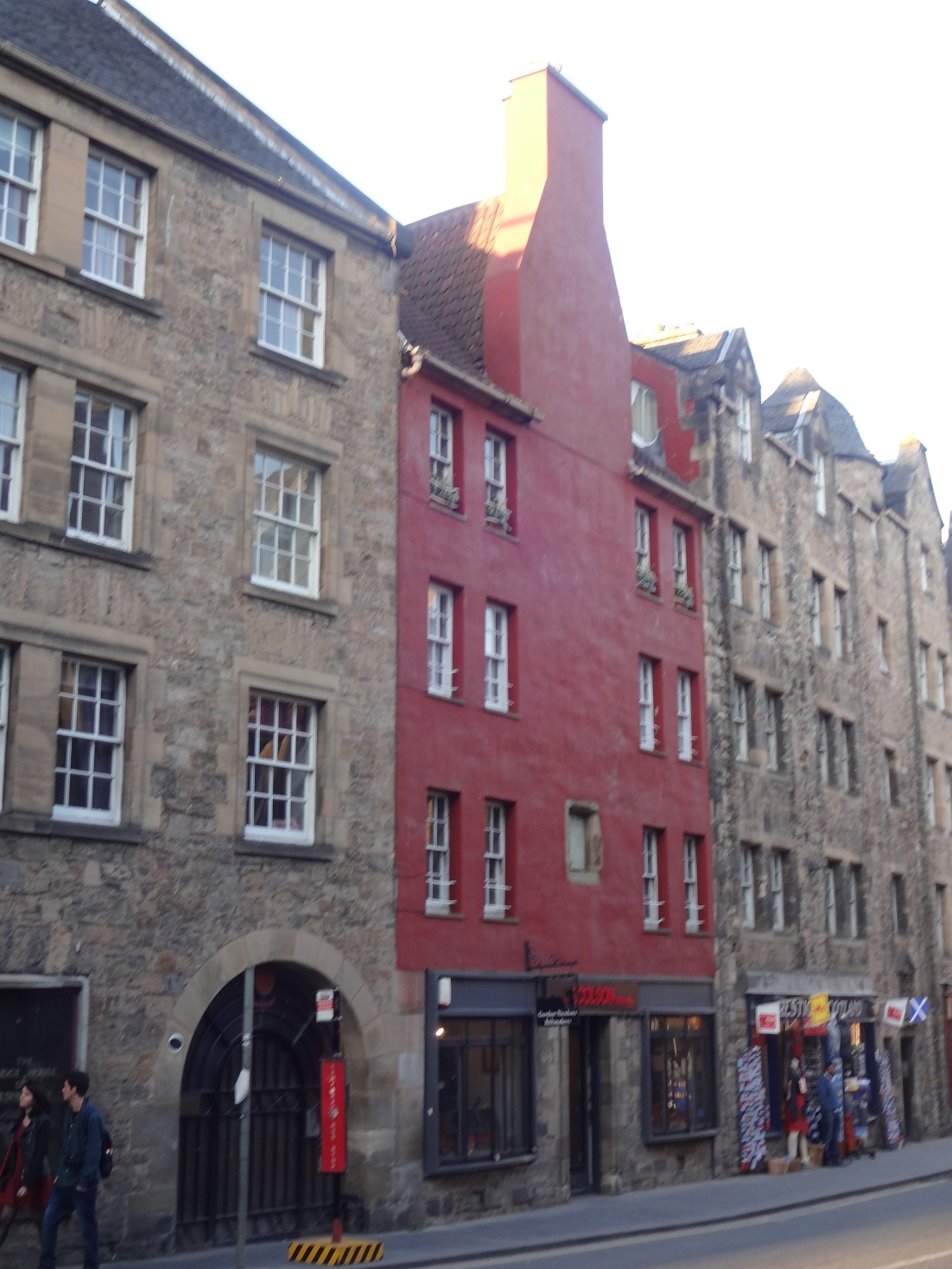
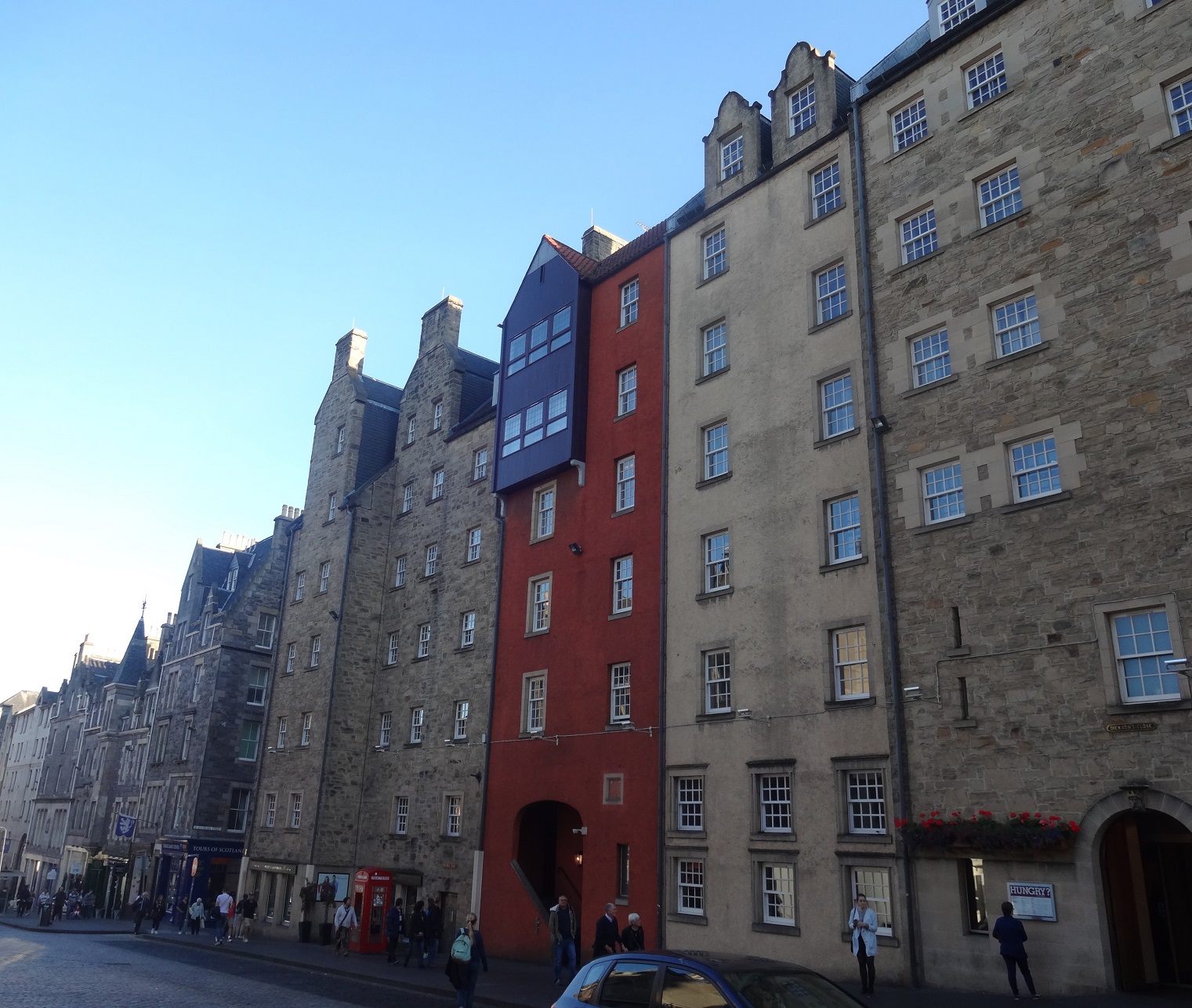
    Austere looking stone buildings

    Austere looking stone buildings although the coloured one has an odd addition to it


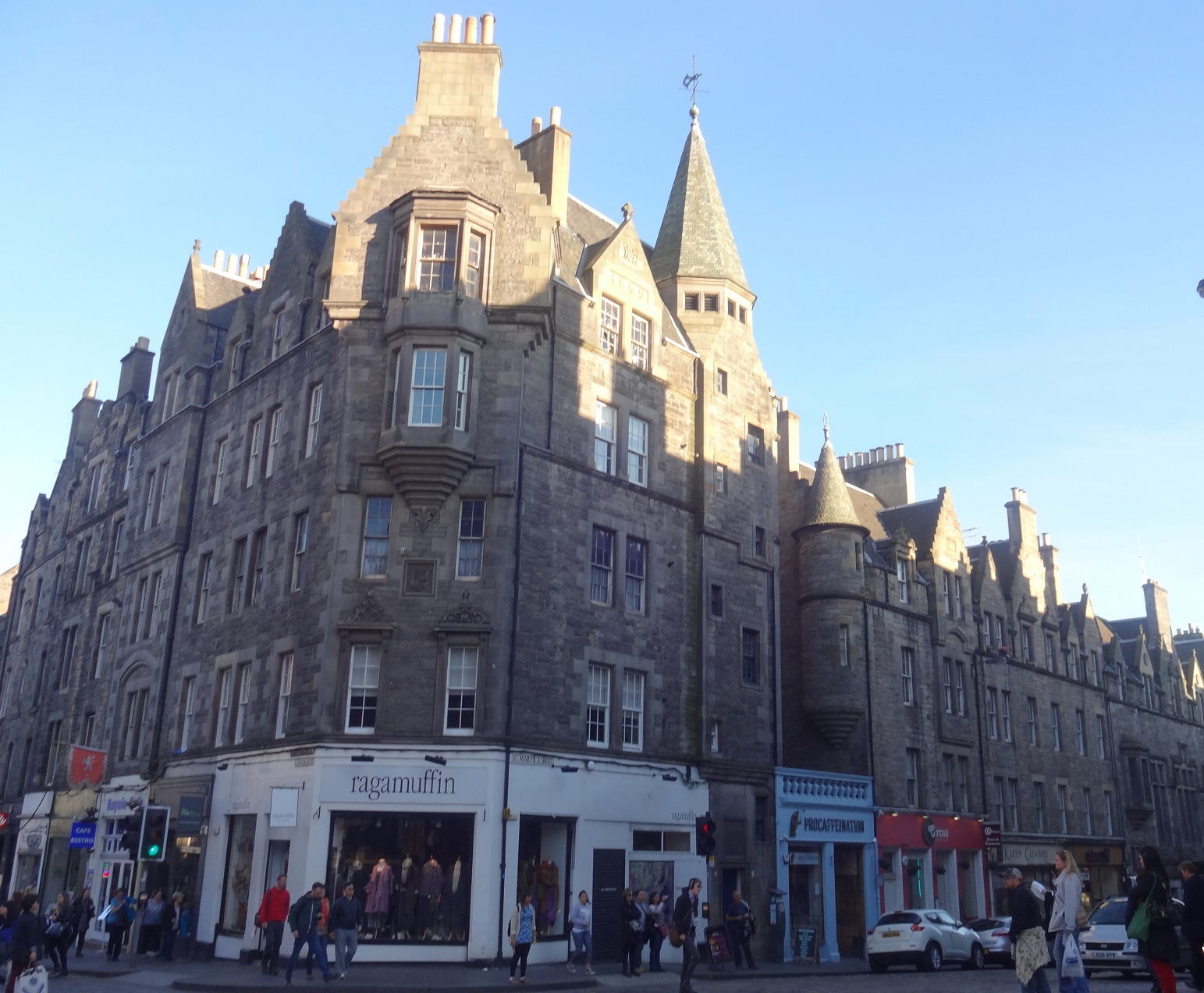
    Lots of odd turrets etc

    Lots of odd turrets etc


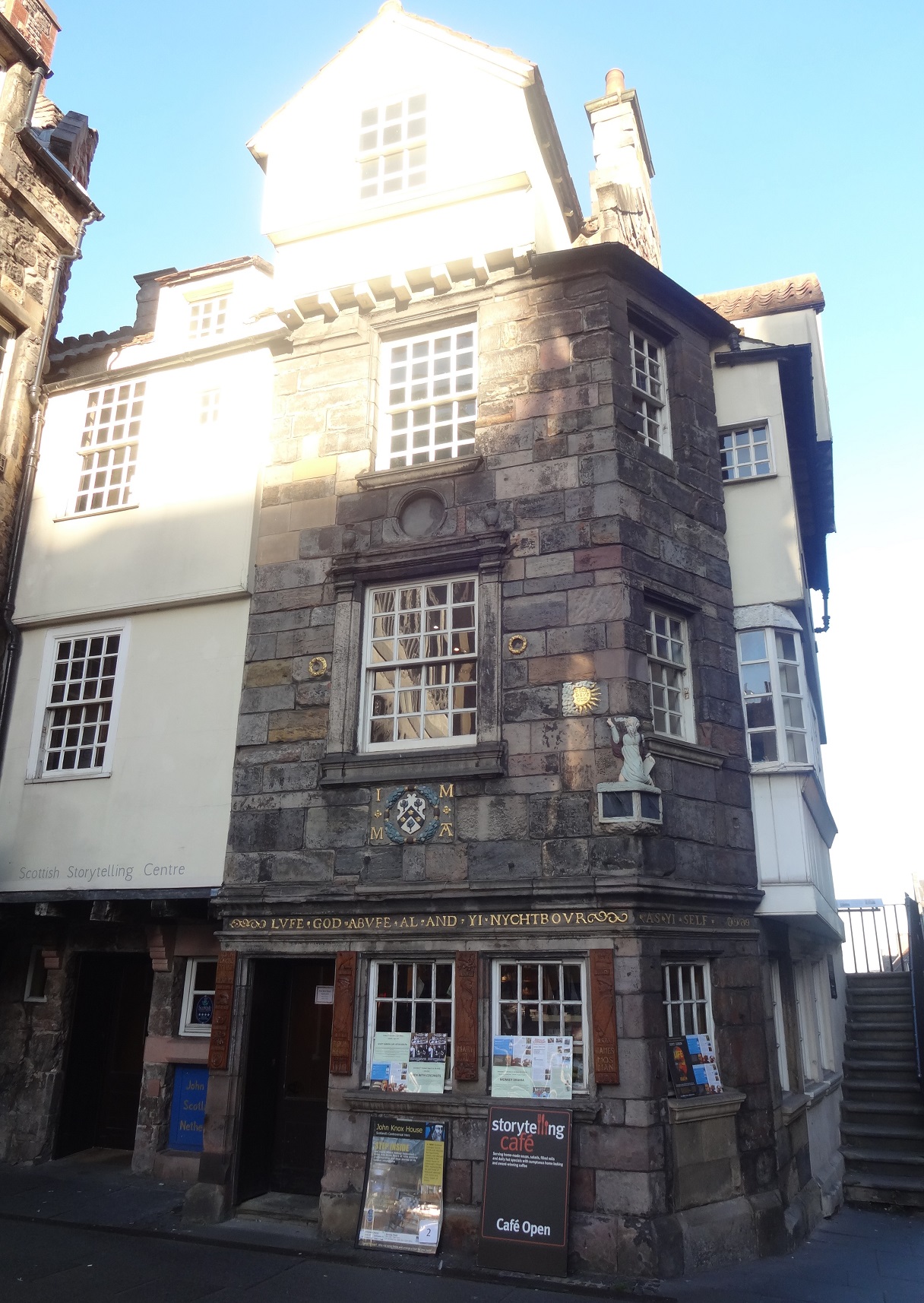
    Interesting looking building - now a story telling cafe

    Interesting looking building – now a story telling cafe


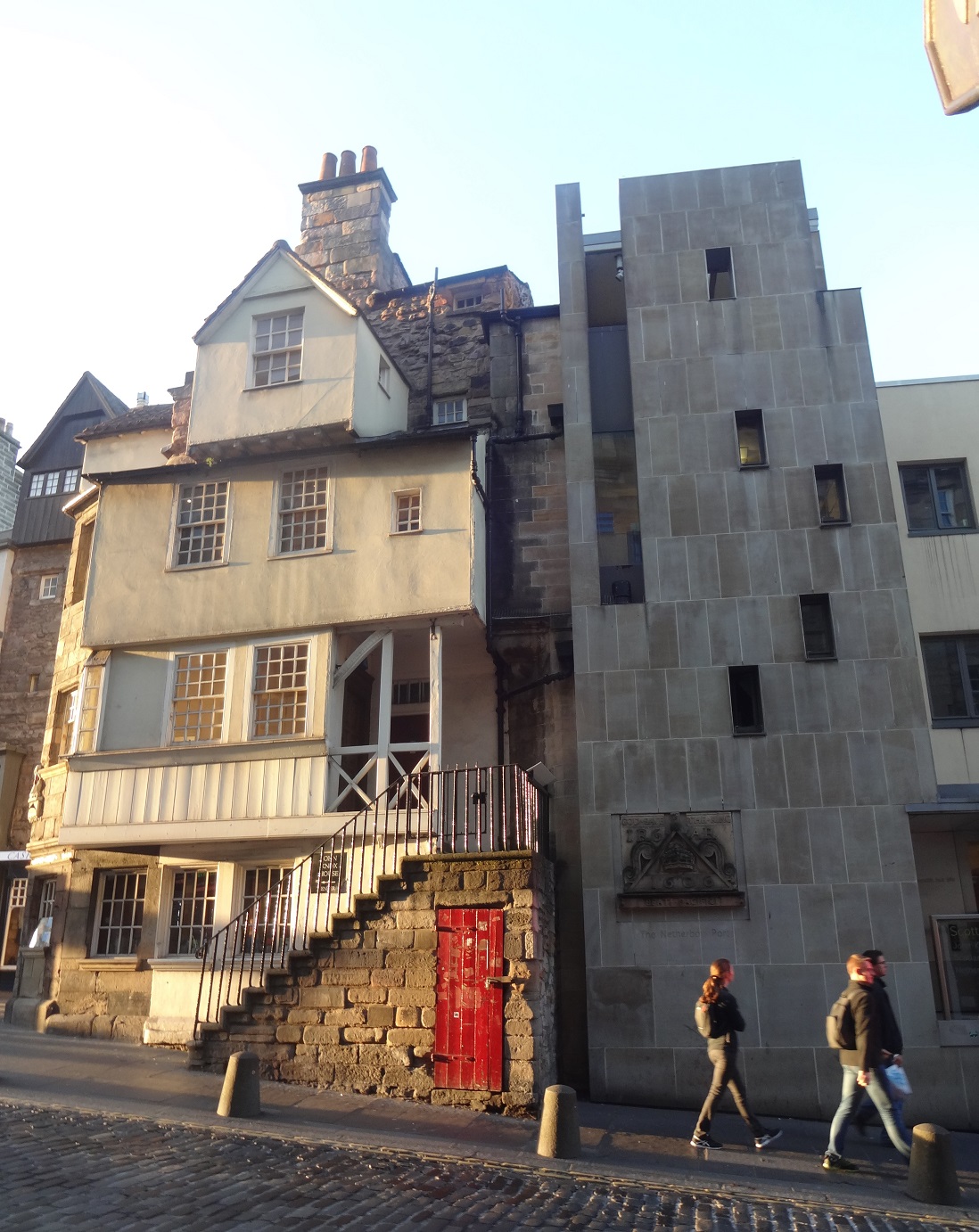
    Other side of building

    Building beside it – different frontage

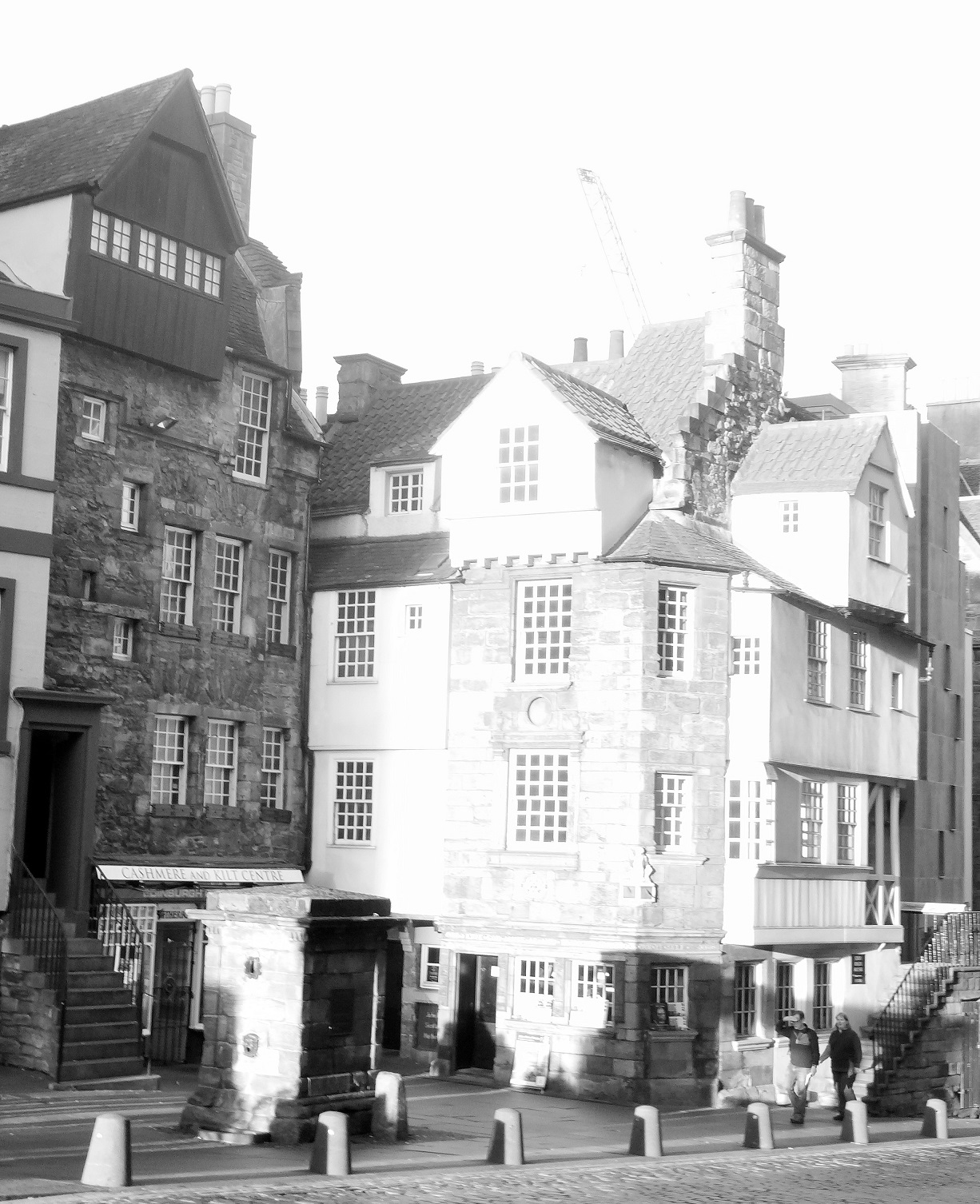
    Same buildings with addition of water cistern (big square structure on footpath) which was only available in the wee small hours and housr behind it which John Knox lived in

    Same buildings with addition of water cistern (big  structure on footpath) which was only available in the wee small hours and house behind it which John Knox lived in


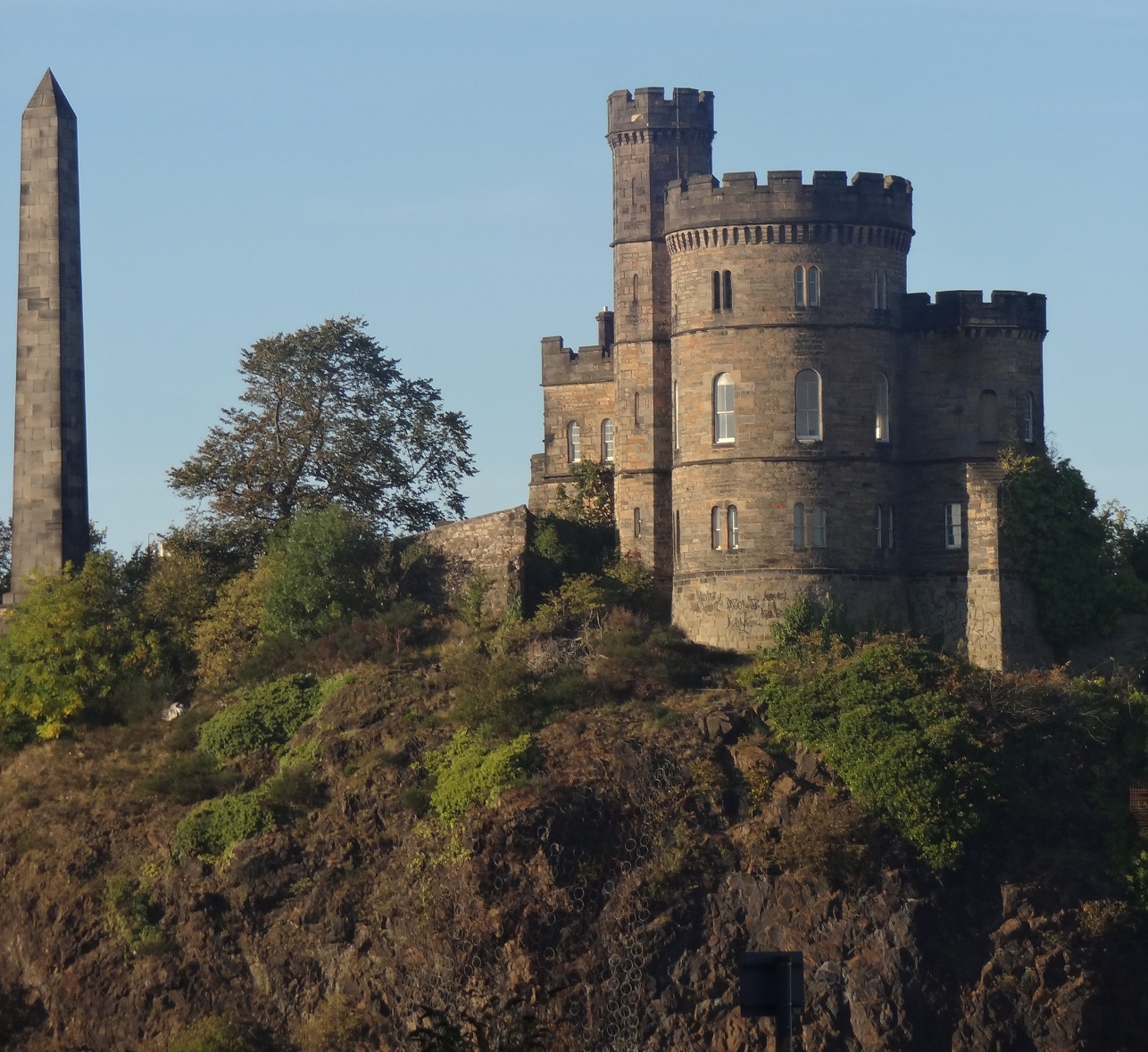
    Not sure what these are. A building demolished of all but its front facade provided a view across the river to the structures above.

    Not sure what these are. A building demolished of all but its front facade provided a view across the river to the structures above.


    Same area as previous photo

    Same area as previous photo


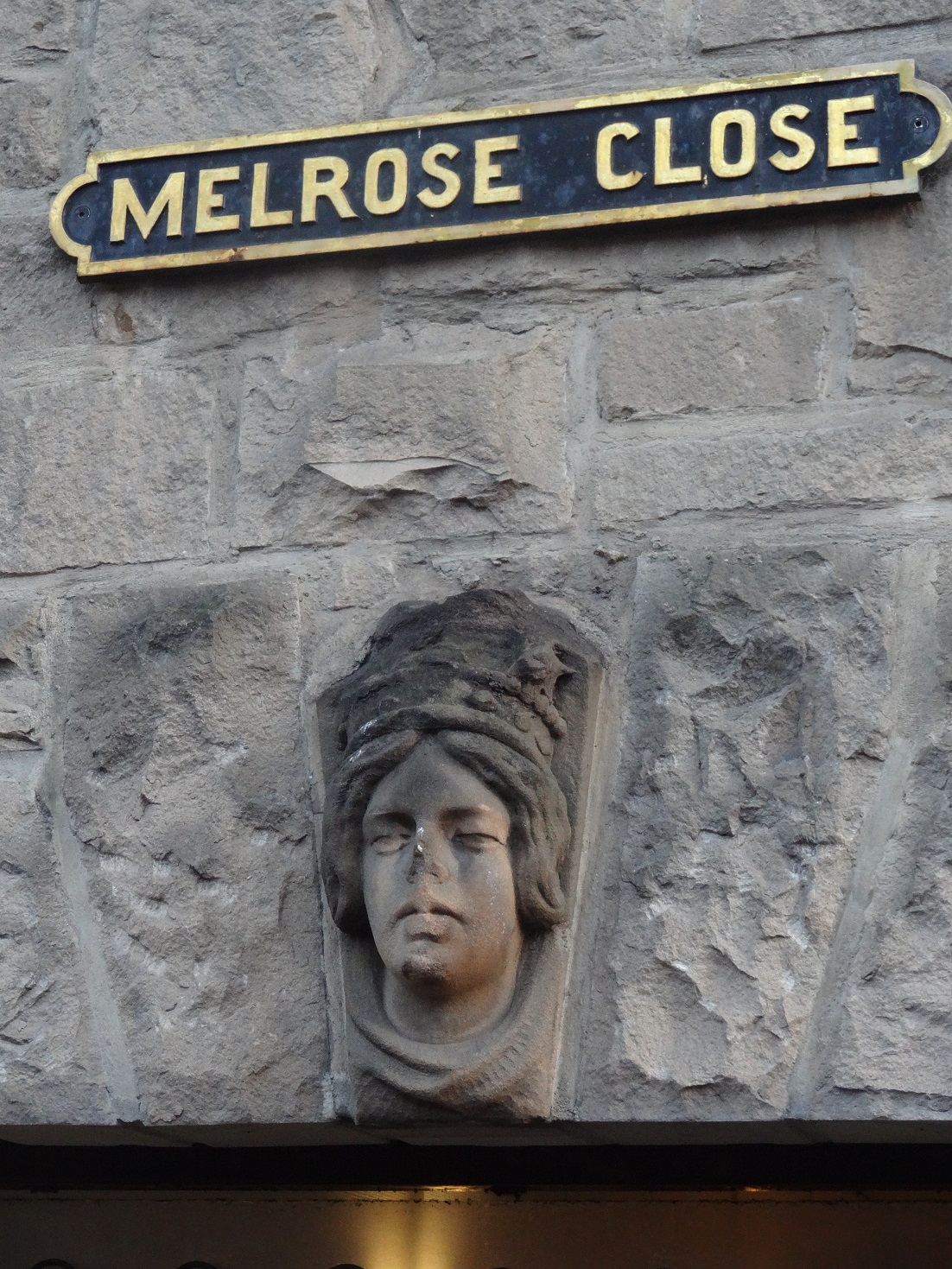
    Every now and then a break in the buildings would show a sign like the one above although I don't remember sculpture

    Every now and then a break in the buildings would show a sign like the one above although I don’t remember other sculpture


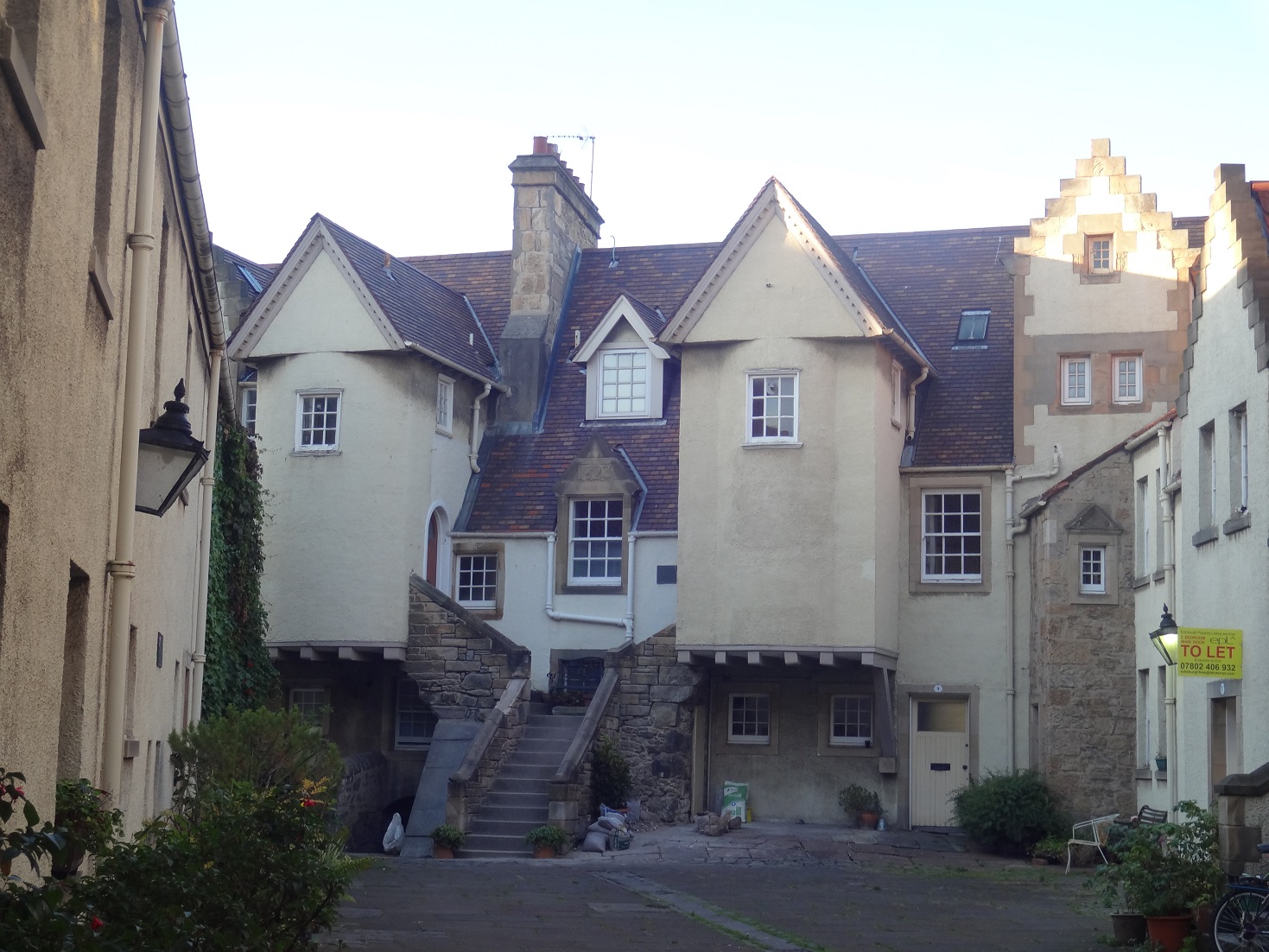
    These buildings were down one of the small alley ways called a 'close" although not the one from the previous photo

    These buildings were down one of the small alley ways called a ‘close” although not the one from the previous photo


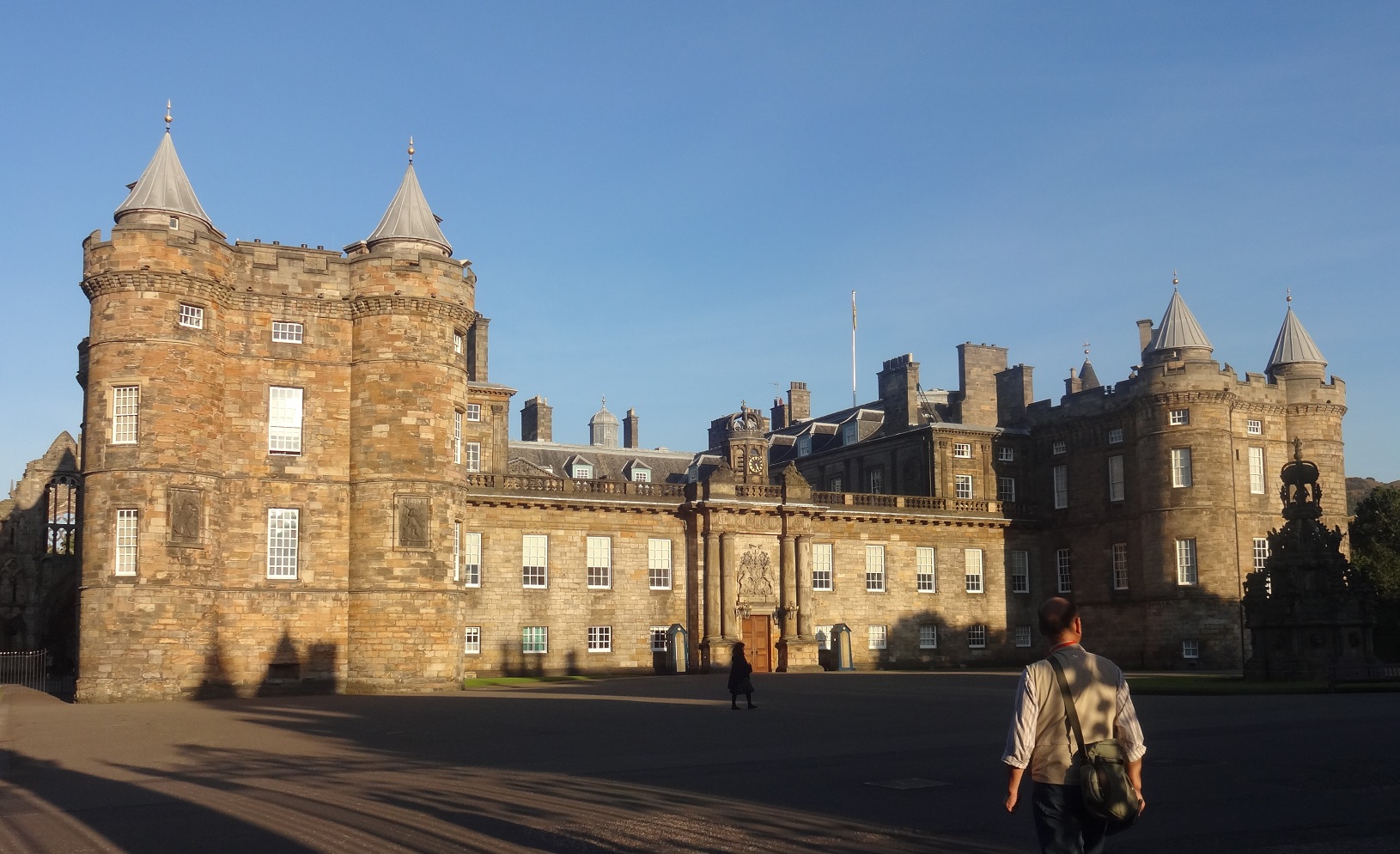
    Holyrood Palace residence of scot monarch since the 16th century https://en.wikipedia.org/wiki/Holyrood_Palace K arrived too late to enter

    Holyrood Palace, residence of Scot monarchs since the 16th century. I arrived too late to enter

    https://en.wikipedia.org/wiki/Holyrood_Palace

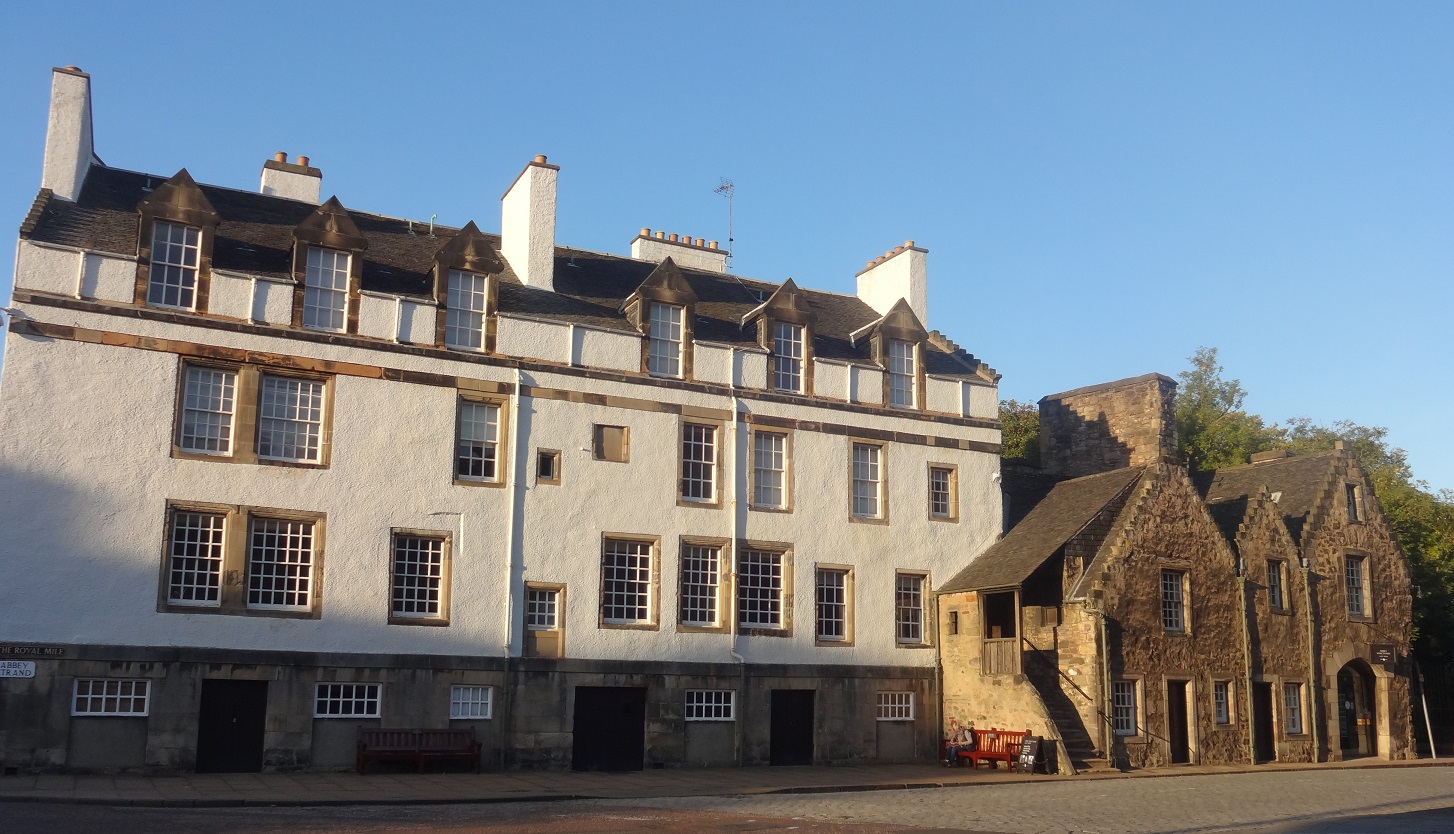
    Buildings near gates to Holyrood Palace

    Buildings near gates to Holyrood Palace


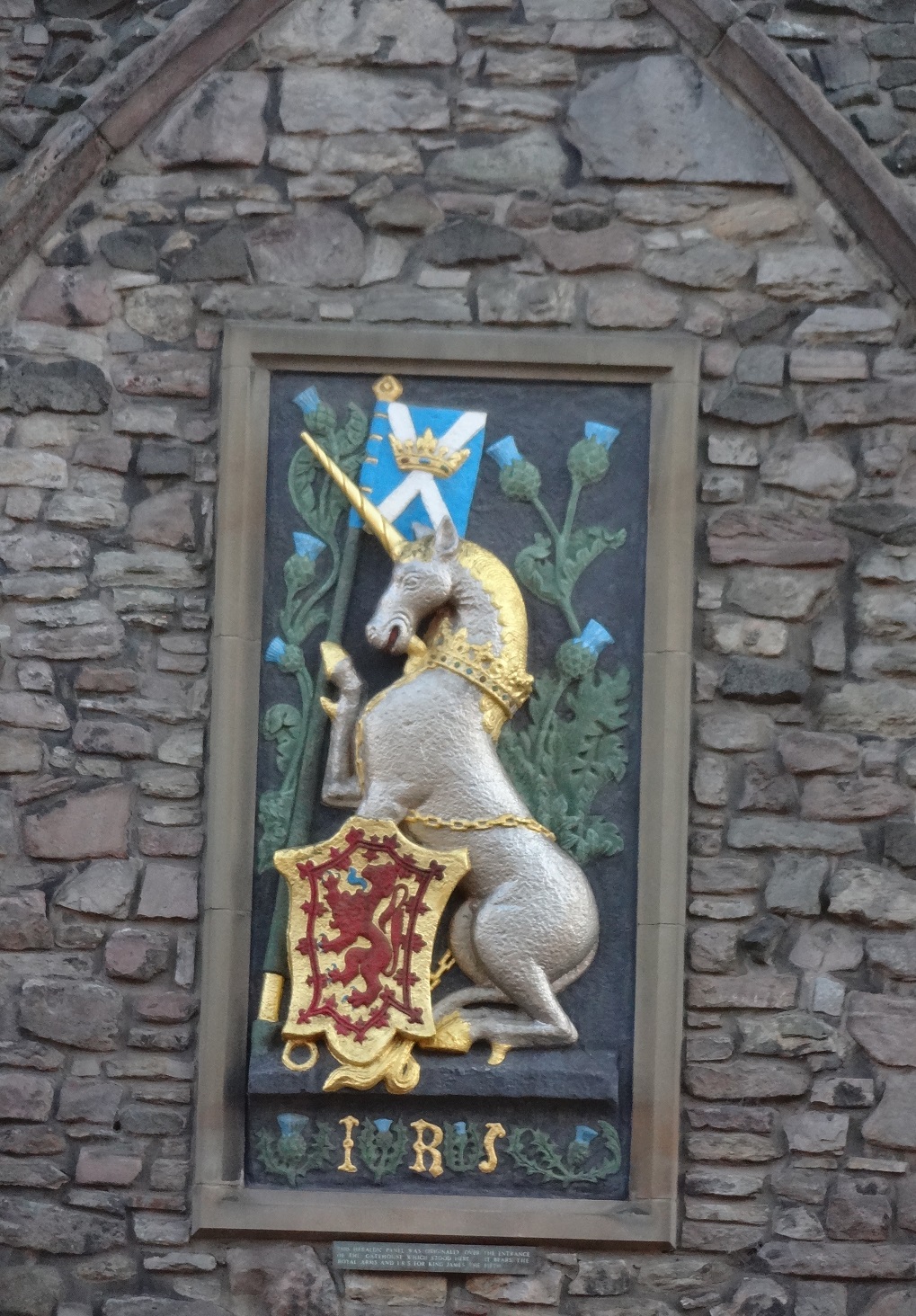
    The coat of arms of James 5th of scotland

    The coat of arms of James 5th of Scotland which used to be above the gatehouse


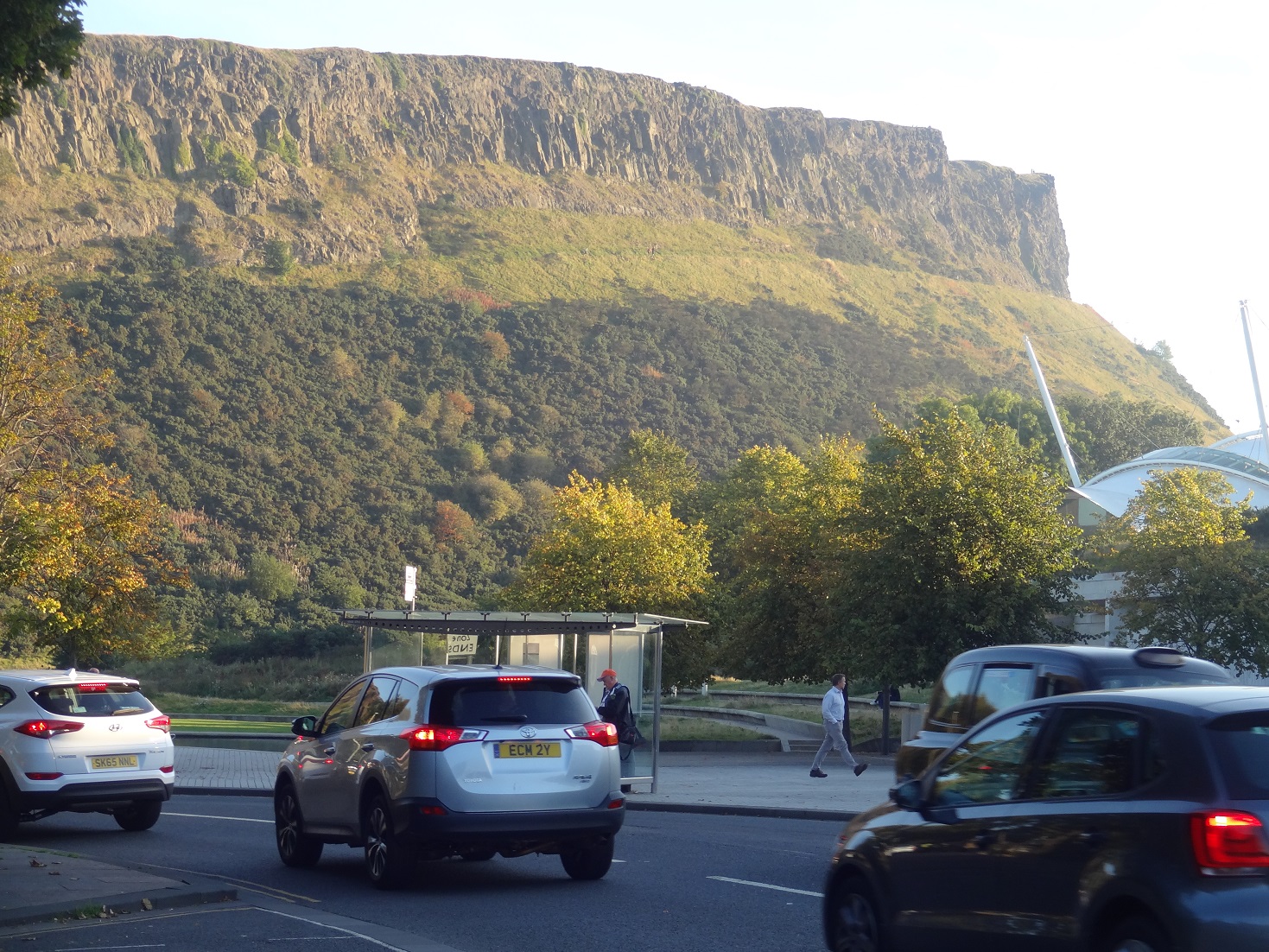
    Arthur's Seat near the Scottish Parliament Buildings

    Arthur’s Seat near the Scottish Parliament Buildings

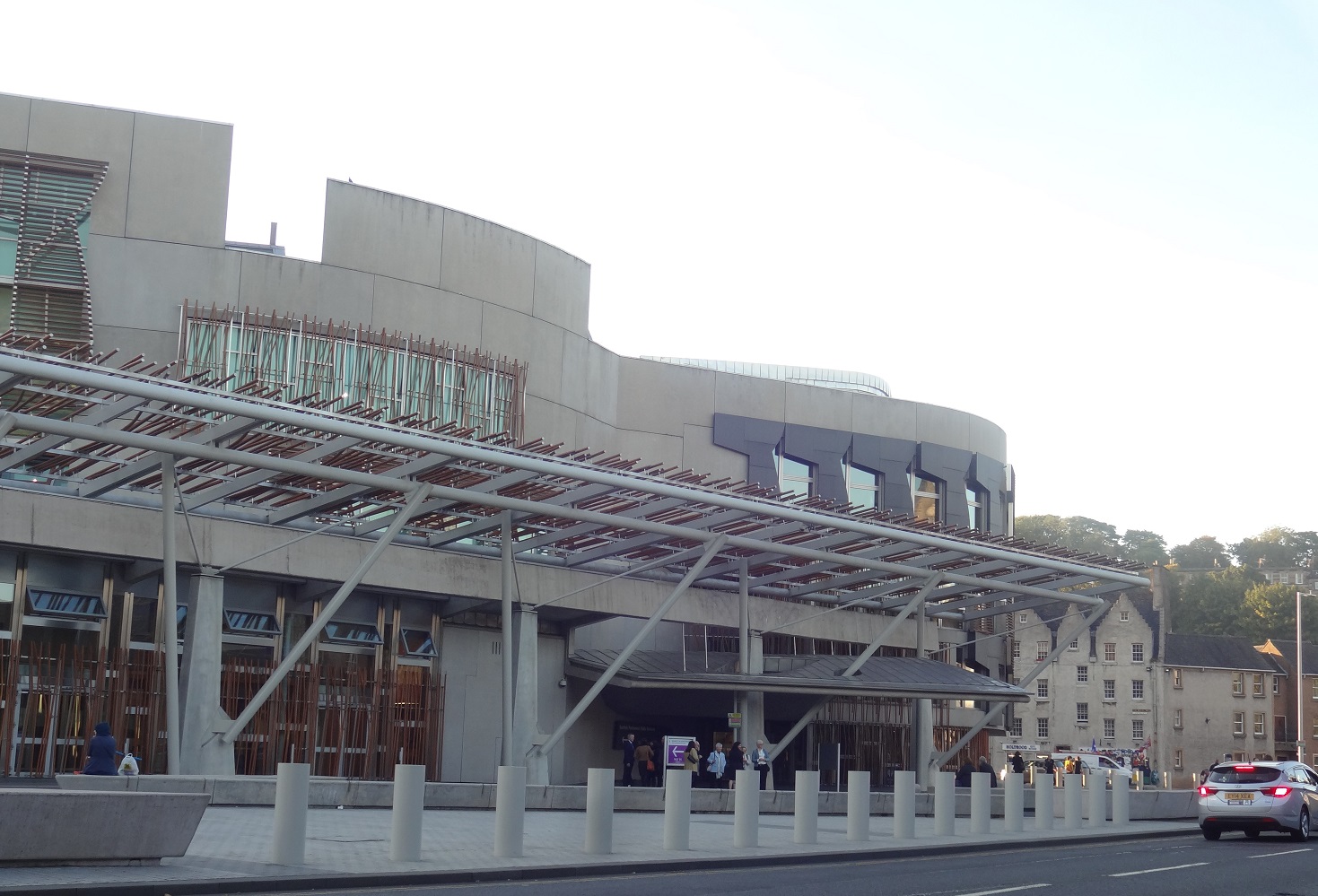
    Section of the Scottish Parliament Buildings

    Section of the Scottish Parliament Buildings


    Scottish Parliament buildings

    Scottish Parliament buildings


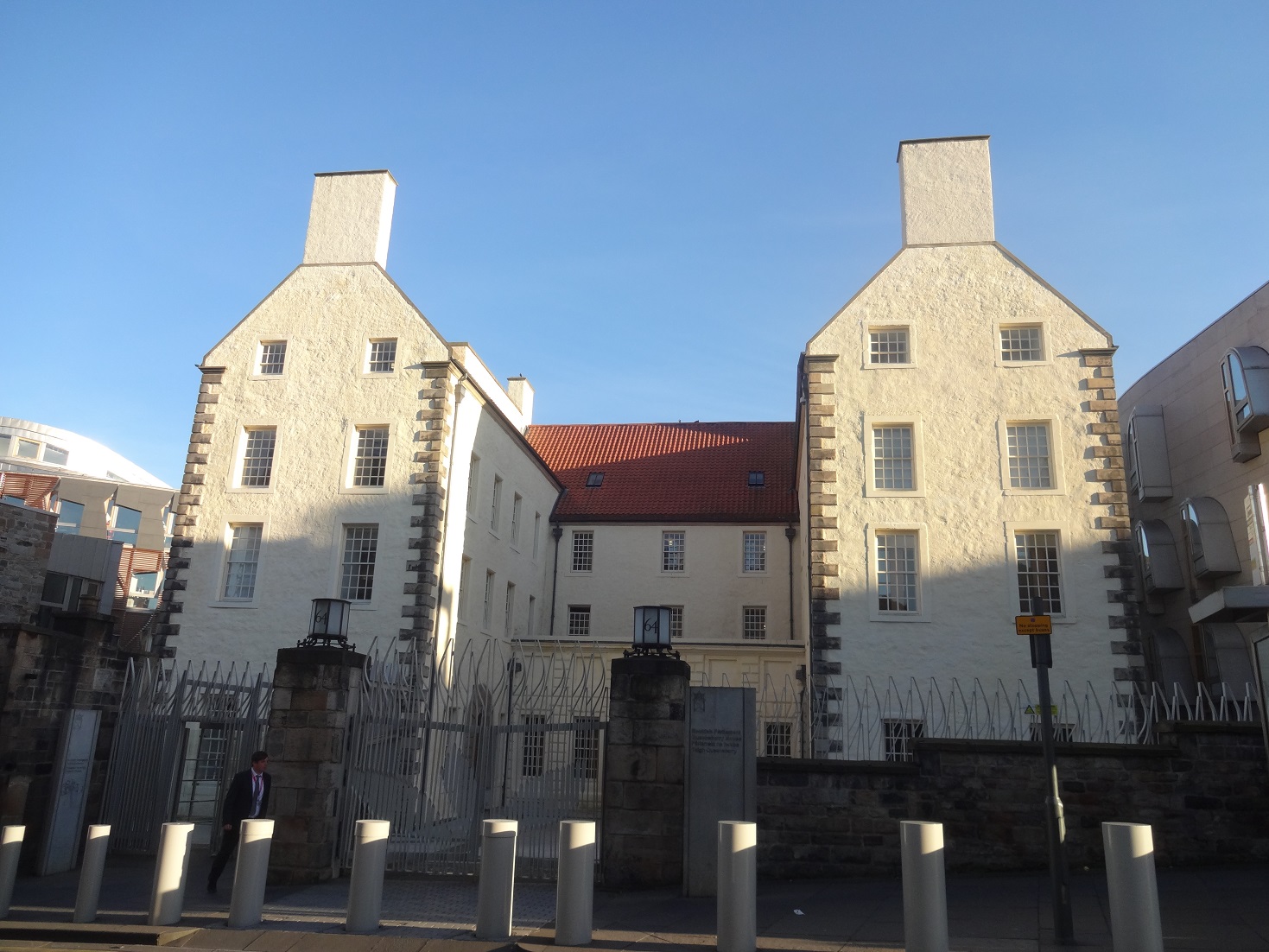
    Interesting buildings

    Interesting buildings


    Another red building

    Another red building


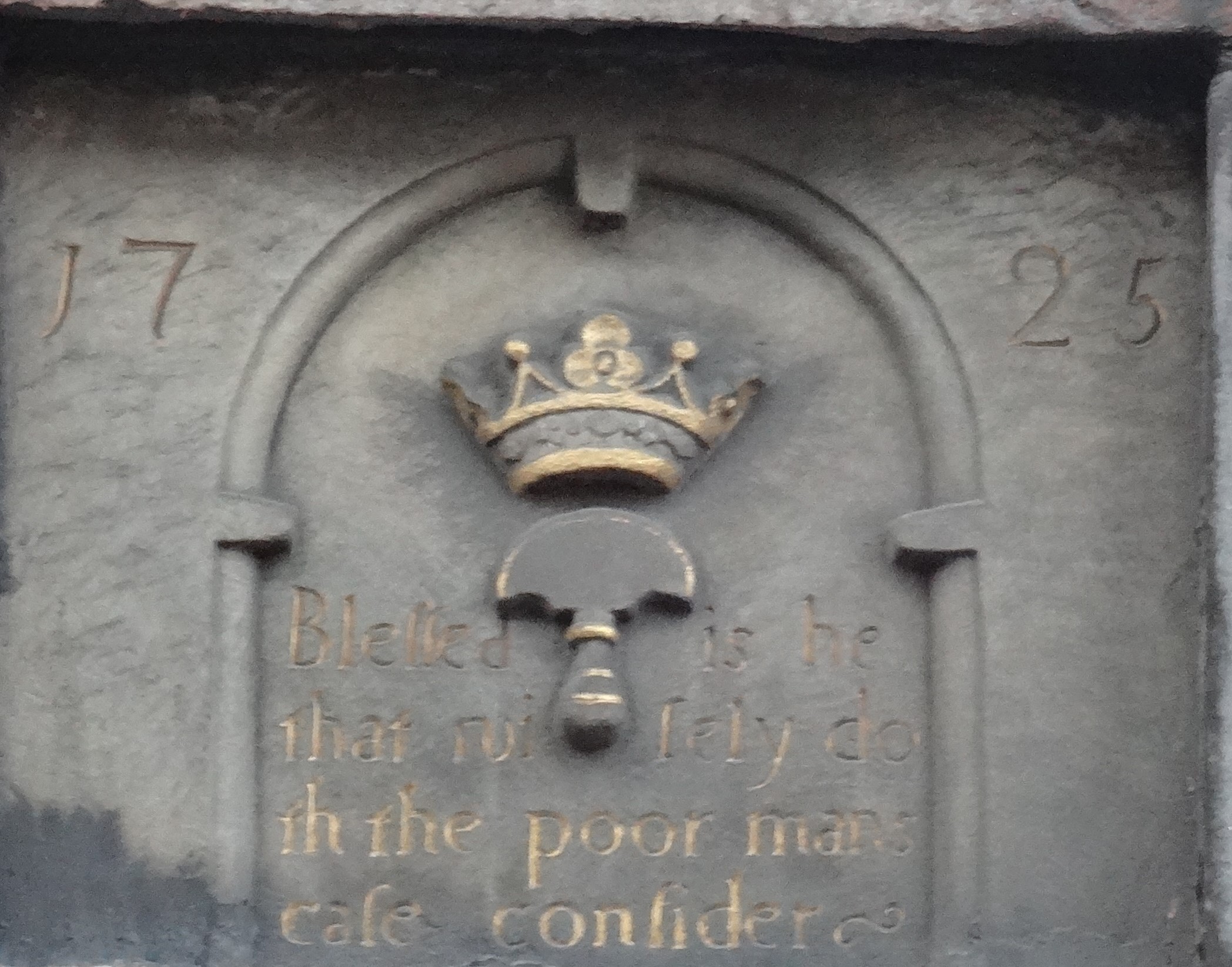
    No idea what it means or exactly which building it came from

    No idea what it means or exactly which building it came from


    One of the many shops selling stuff to tourists

    One of the many shops selling stuff to tourists

    After the walk I took  a break having a drink in the ubiquitous Starbucks in the centre attached to the train station across the road from the archives.  I then caught a train back to my B&B in Inverkeithing.

    Scene from train

    Scene from the train


    Edinburgh, Family History

  • Culross

    Oct 5th 2015

    By: Kerry

    No comments

    Culross

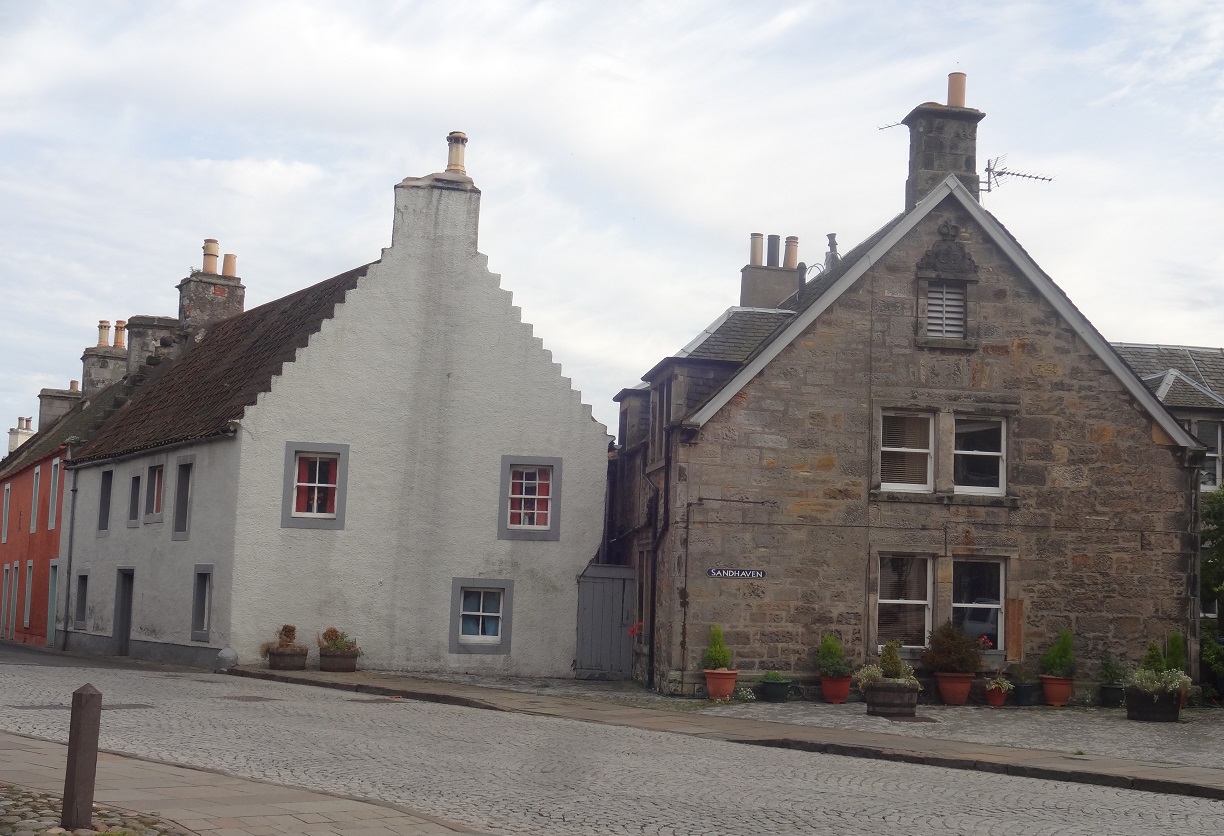
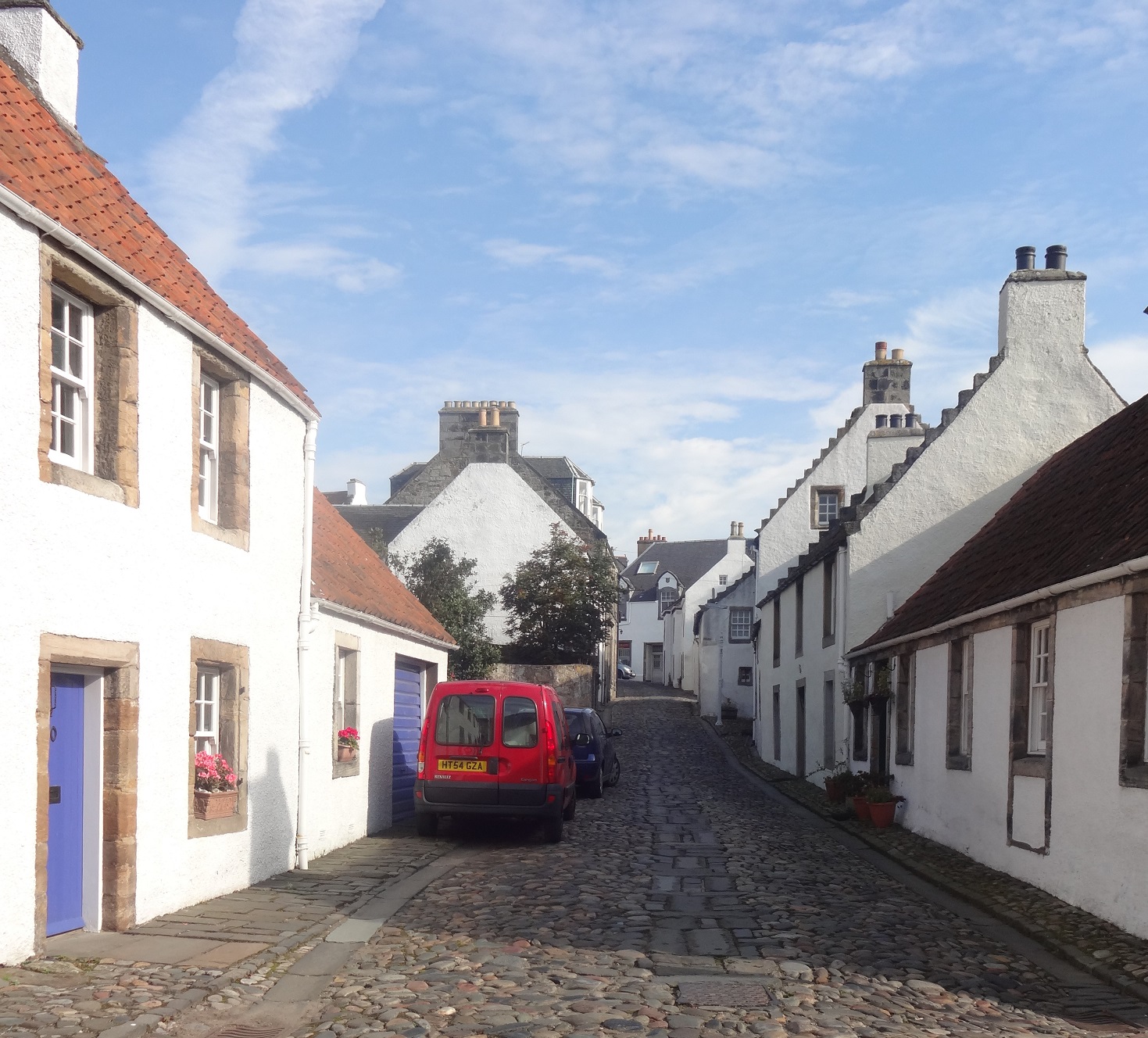
    Culross is a small village on the Firth of Forth west of Inverkeithing and reached via 2 buses. Its history is associated with a monastery from the 6th century, monks who mined coal and rescued a royal damsel in distress, a couple of saints, export of coal and salt, creation of iron griddles, import of red pantiles as ballast,  a smart man called George Bruce C 1548-1625 friend of the king and also the National Trust. The monks ran into trouble when the coal seam disappeared under water and later they allowed George Bruce to use techniques acquired during his travels to continue the work.  He built a coffer dam and created a tall strong wall around a tidal island.  A shaft was dug over which he installed an Egyptian wheel which drained the mine and allowed mining to continue for about 50 years until a fierce storm ruined it, the same year as Sir Georges death.

    Coal and salt were natural raw materials exported to the surrounding areas. George Bruce’s friendship with the king and the booming economy created the conditions for the granting of Royal Burgh status allowing Culross to export products overseas.  Empty ships returned with red tiles as ballast explaining the uncommon colour and style of roof tiles in the area.  The growing prosperity ensured that George Bruce enlarged his house frequently to provide room for visitors, both business and social in addition to a growing family and was knighted.
    The Bruce family and town did well until the storm and death of Sir George.  Thereafter prosperity was never as ready and the town fell into a decline to the extent that when Sir George’s old property was purchased by the National Trust in 1932 it and the town had not modernized with the times and they were ripe to be retained as period pieces.   Numerous more properties were bought by the National Trust and also private owners were assisted to repair and renovate their properties.  It has been the site of numerous period programs including Outlander and on the day I visited several film people were shown around and a staff member was interviewed on camera.
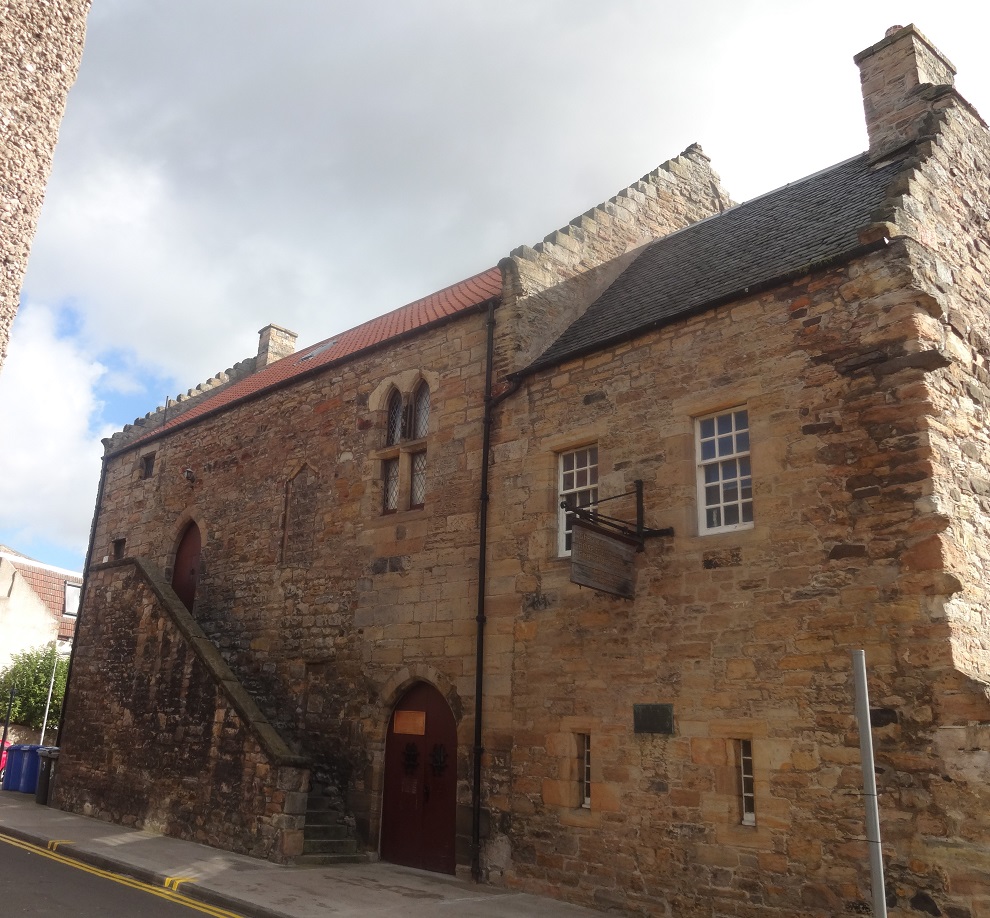
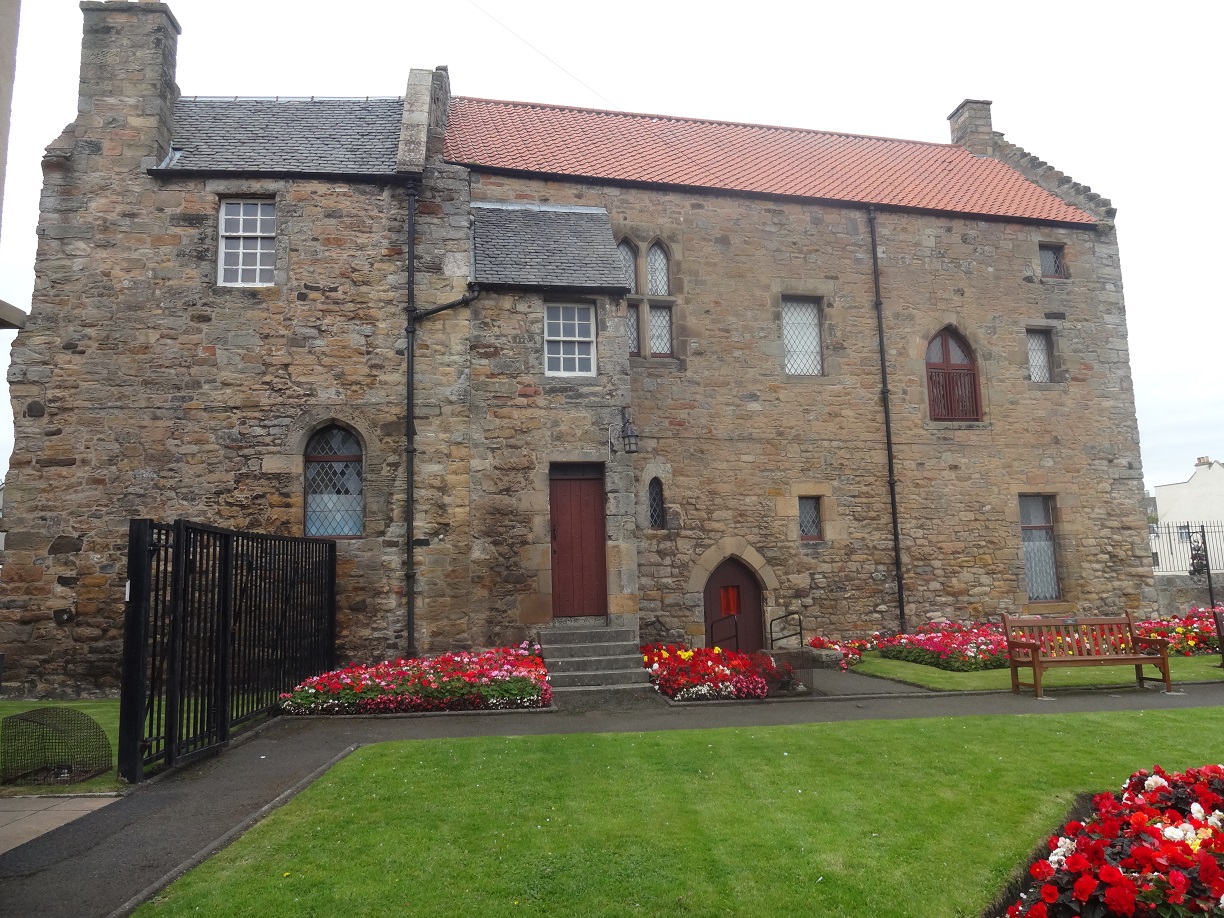
    Accidently I discovered that a direct descendent from Inverkeithing had been awarded a Burgess Ticket and Seal by Culross in 1791.  It means that he would have been a great value to the town in some way.  He was a merchant so perhaps he assisted with trade.  In 1922 a great grandson donated the document to a Scottish institution  and subsequently it was given to another.  The second receiving institution cannot find it in their listed and archived items so until it is found we may never know the reason for its grant.  After discovering the connection I read up on Culross and due to the family connection, the nature of the town and its accessibility to Inverkeithing decided to visit. It was well worth it.  A guided tour of some of the closed properties was included and I bought an informative book.
    For more information see https://en.wikipedia.org/wiki/Culross

    http://www.undiscoveredscotland.co.uk/culross/culross/

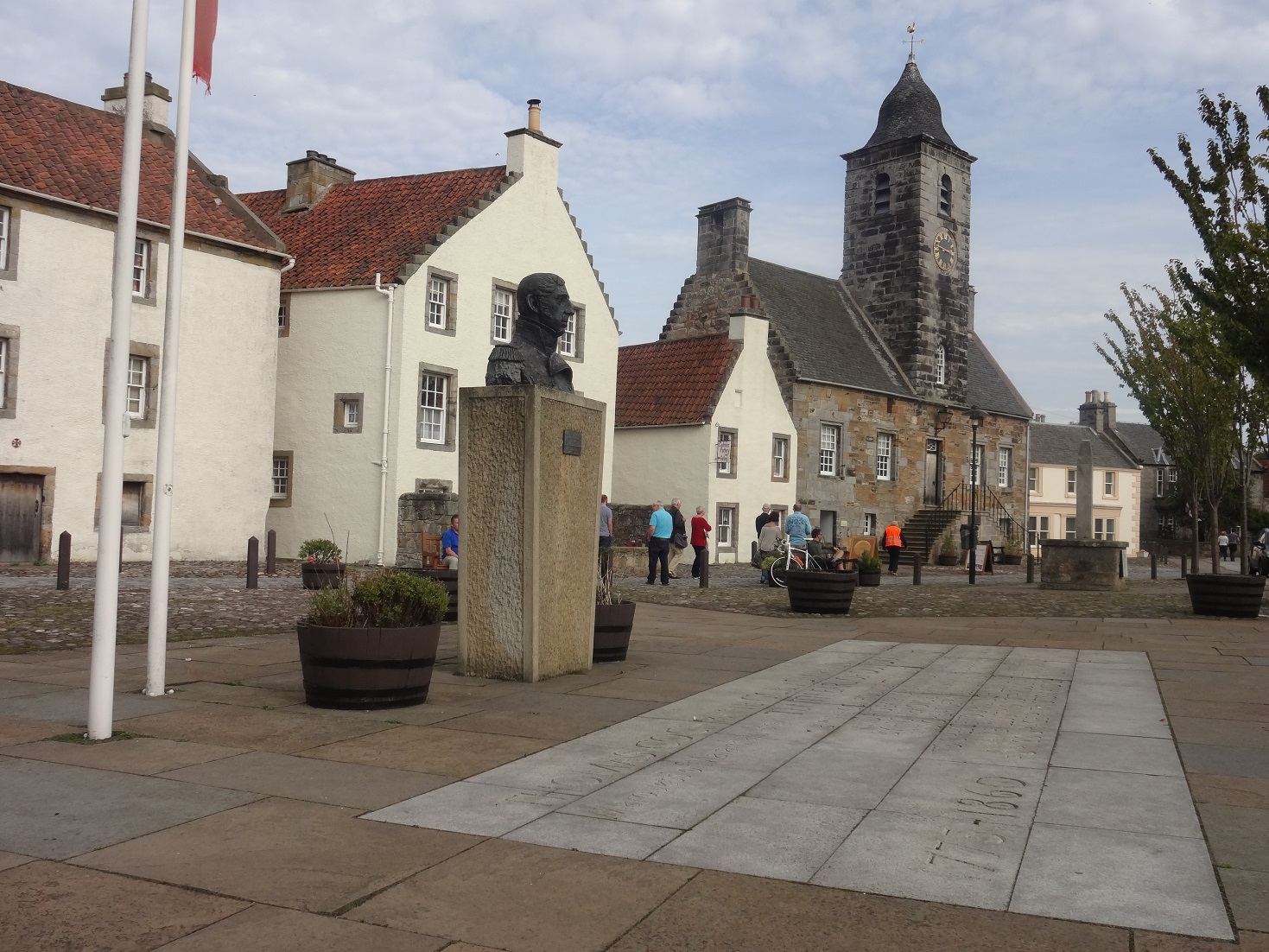
    Culross - Town House, site of town official weighing beam, the tron, statue and information about another famous inhabitant and some quayside warehouses

    Culross – Town House, site of town official weighing beam – the tron, statue and information about another famous inhabitant and some quayside warehouses

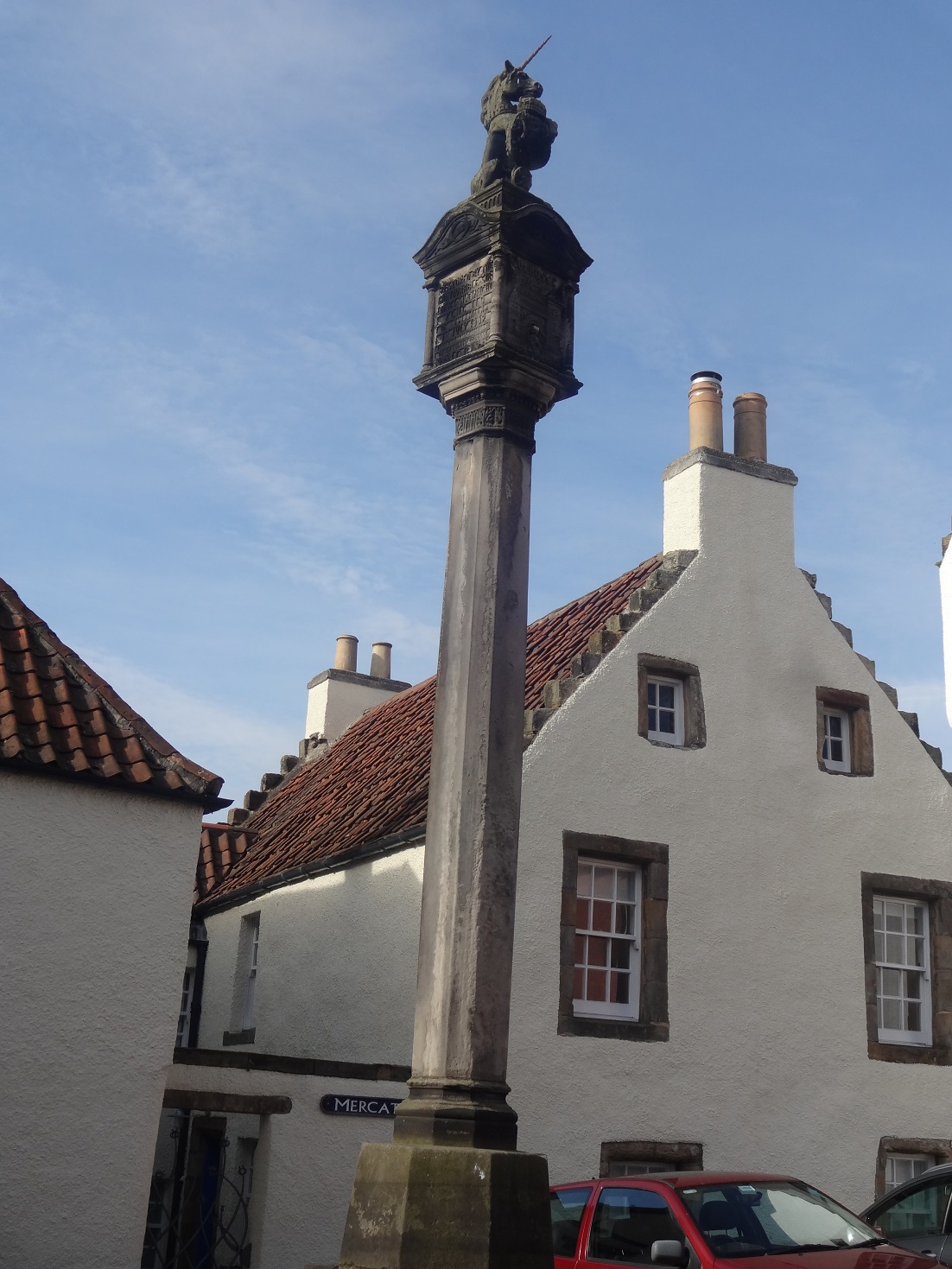
    Mercat (market) cross, site of early markets

    Mercat (market) cross, site of early markets

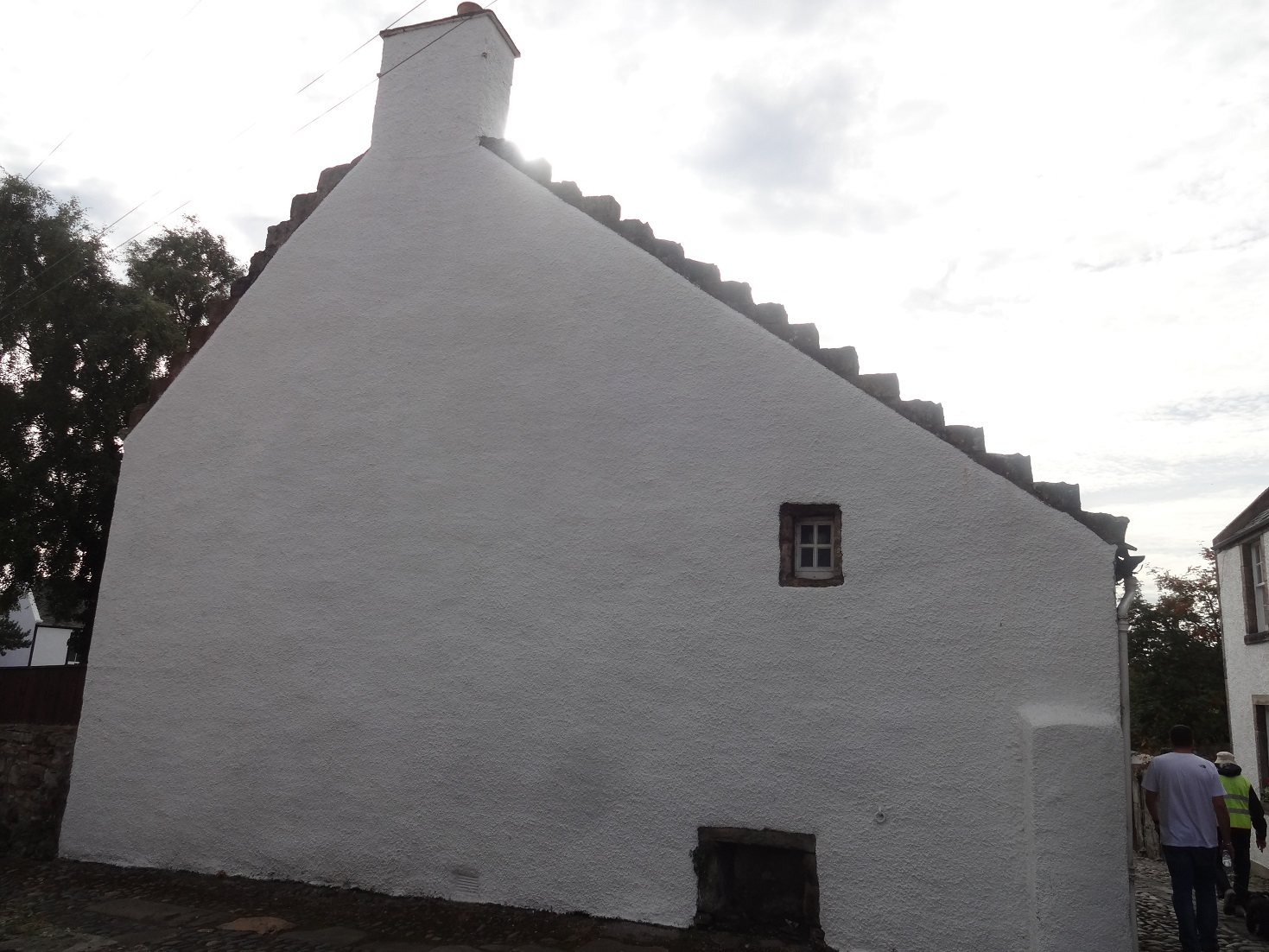
    Buildings

    Buildings

    Cobble-stoned street

    Cobble-stoned street

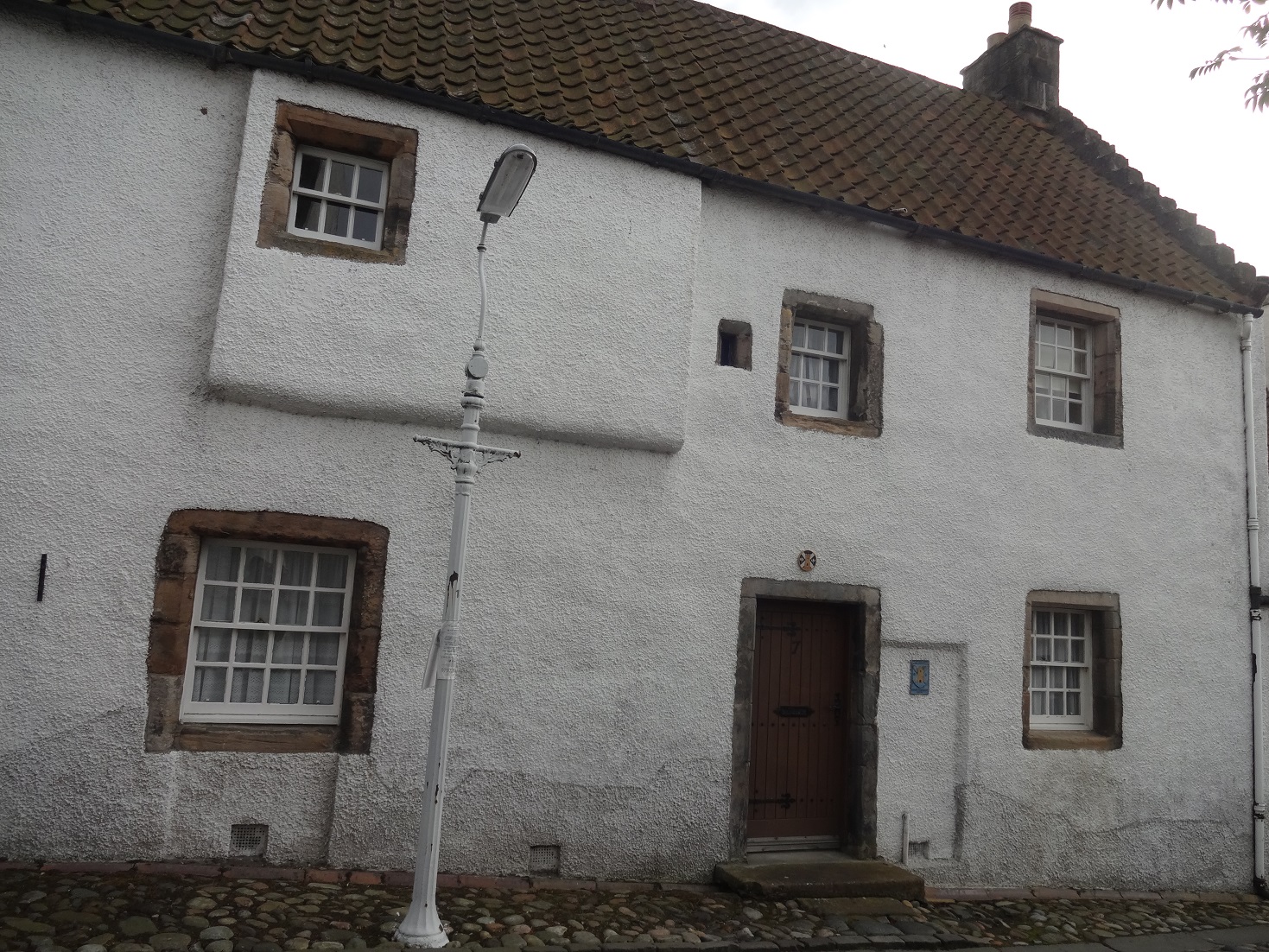
    Old building, note small opening in wall

    Old building, note small opening in wall

    Note small opening in wall. It was designed to allow owls free entry and exit as they controlled vermin above the floor. Cats dealt with vermin at ground level. Many have been filled in, others glazed.

    Note small opening in wall. It was designed to allow owls free entry and exit as they controlled vermin above the floor. Cats dealt with vermin at ground level. Many have now been filled in, others glazed.

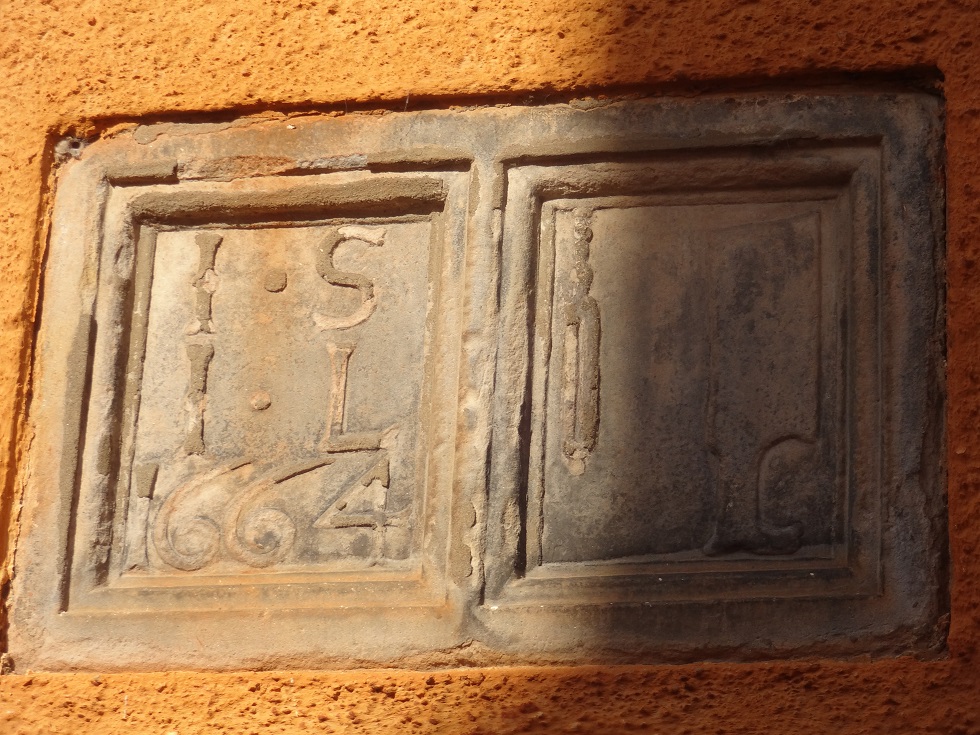
    Date, initials and indication of owner's occupation - 1664, IS nd IL and butcher

    Date, initials and indication of owner’s occupation – 1664, IS nd IL and butcher

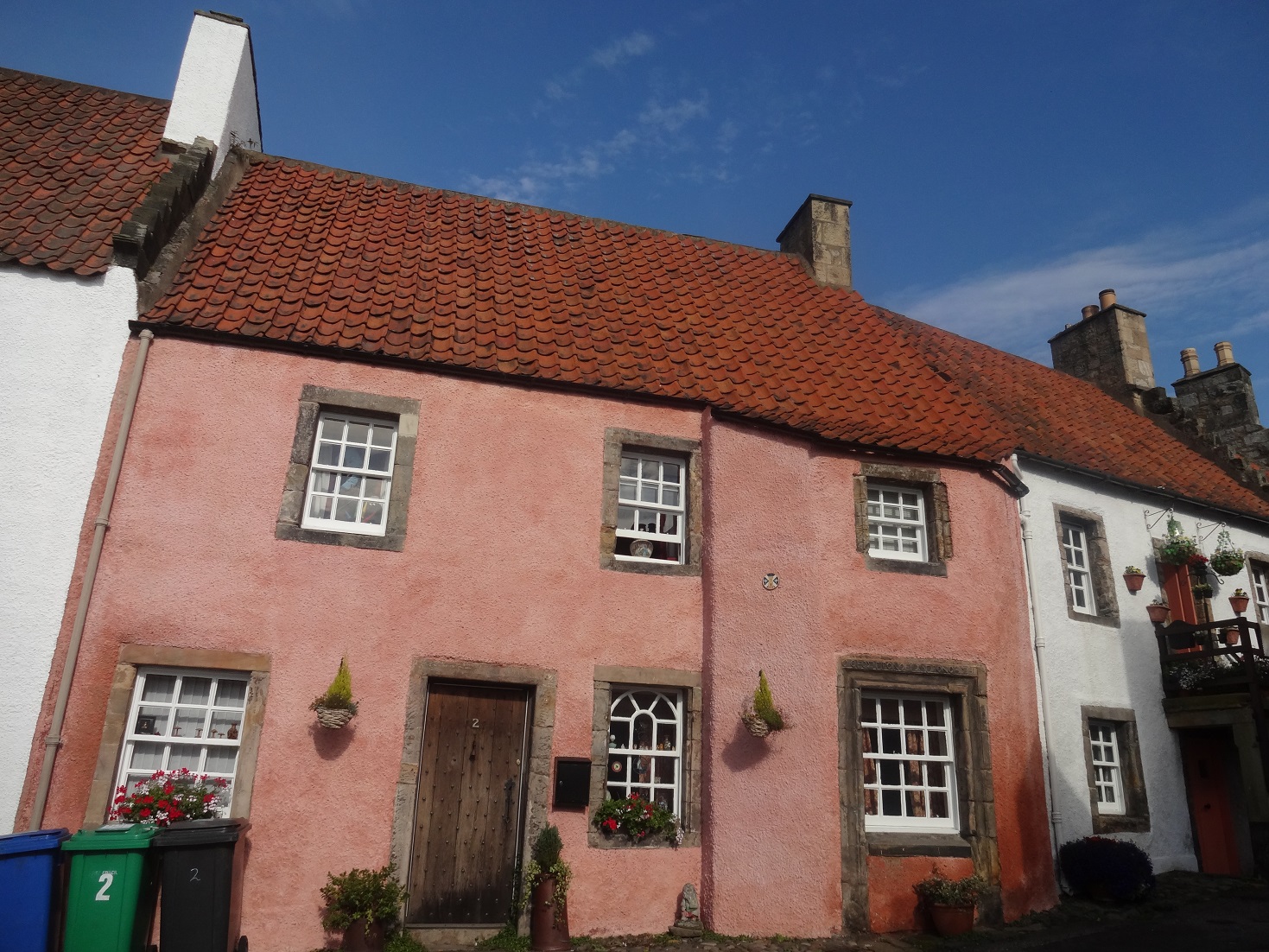
    Colourful house

    Colourful house

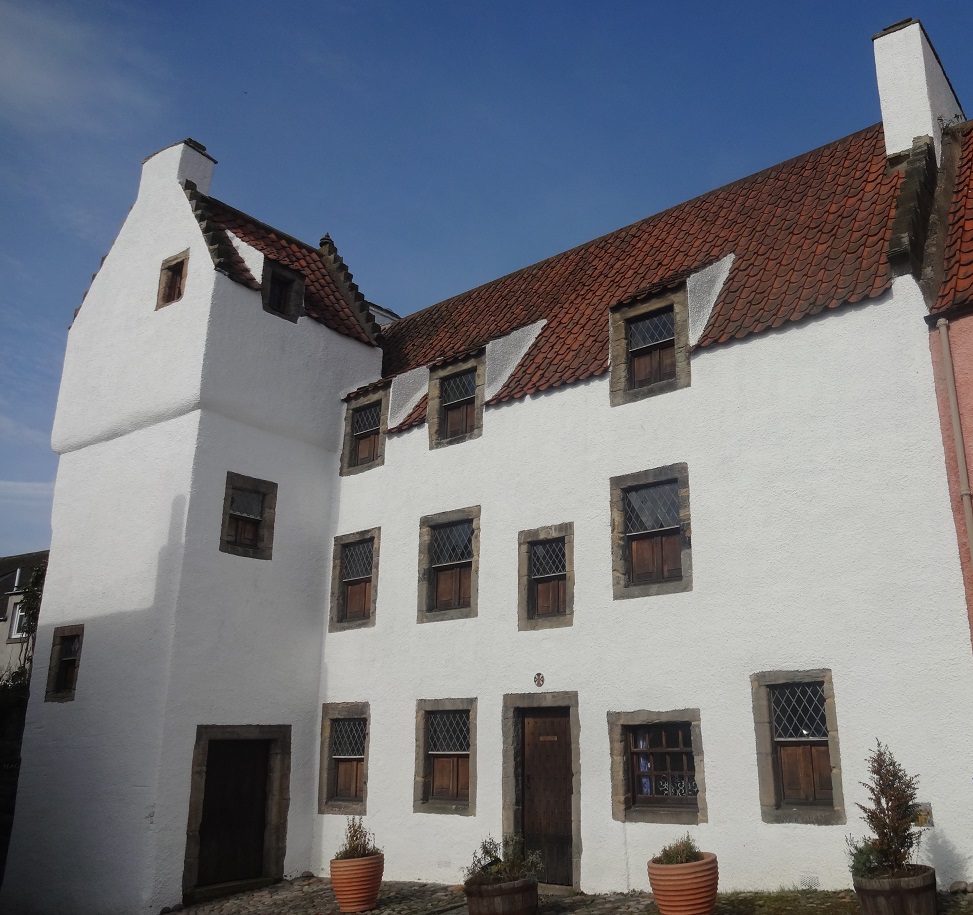
    Property opened for tour to display painted ceiling

    Property opened for tour to display painted ceiling

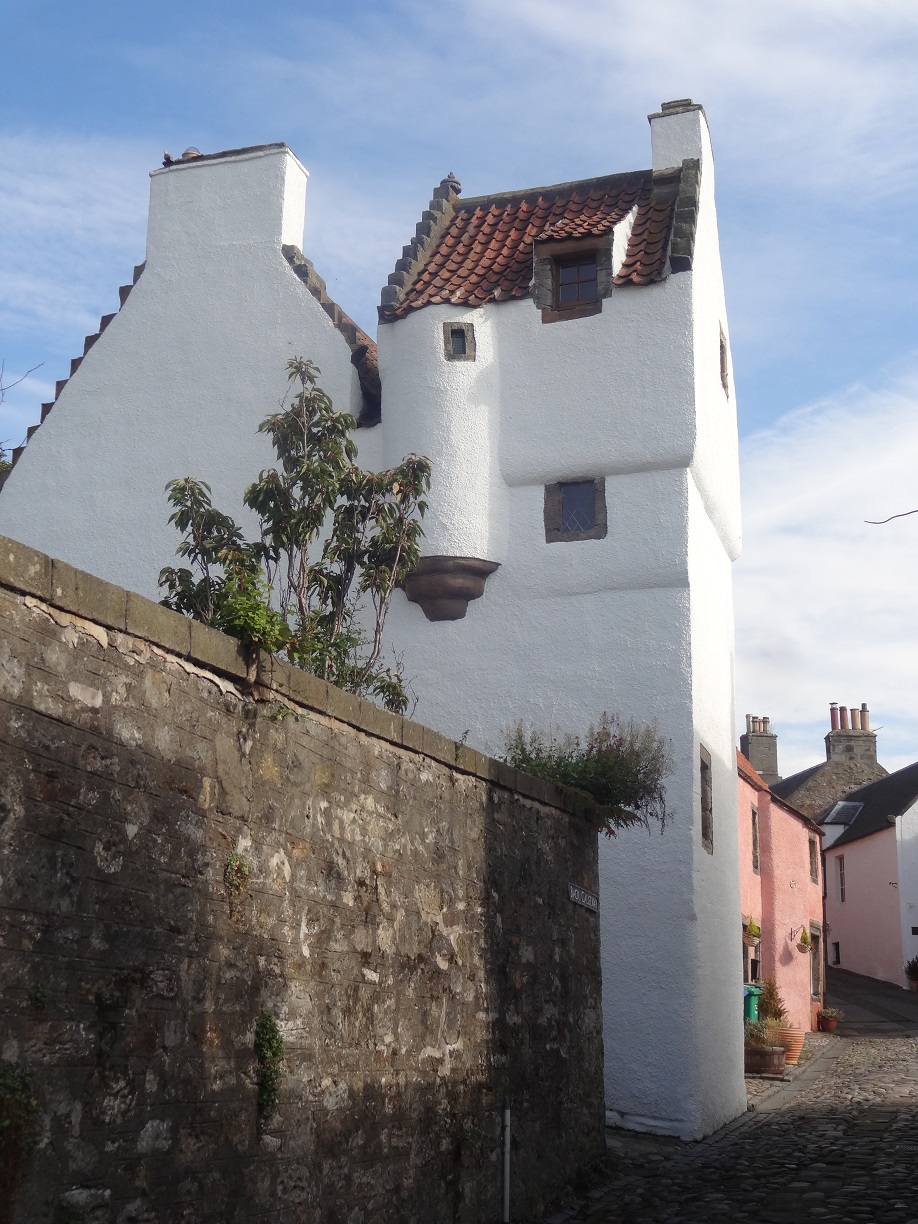
    Side of same house

    Side of same house

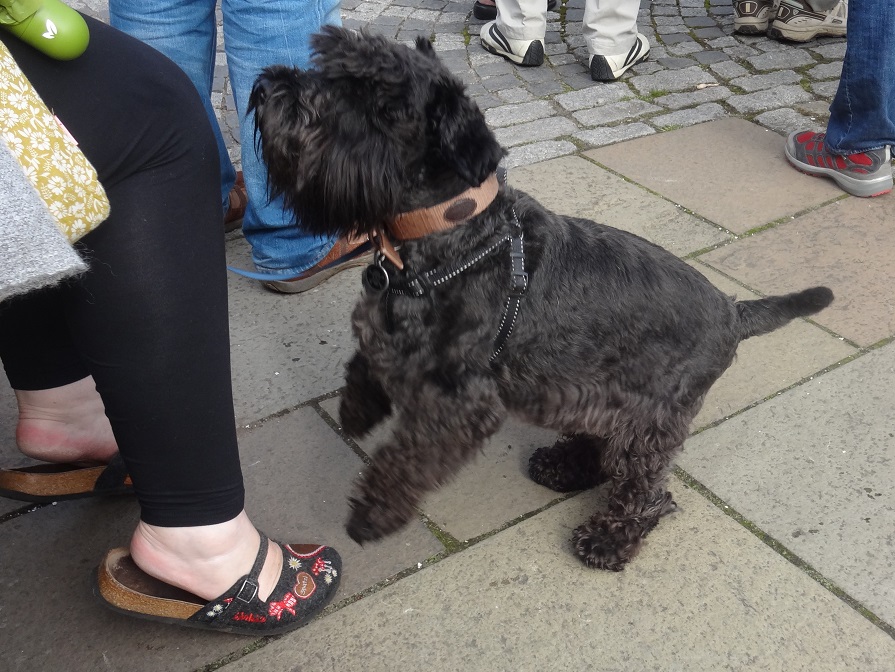
    Dog on the tour. He was very agile on the narrow, worn spiral stairs.

    Dog on the tour. He was very agile on the narrow, worn spiral stairs.

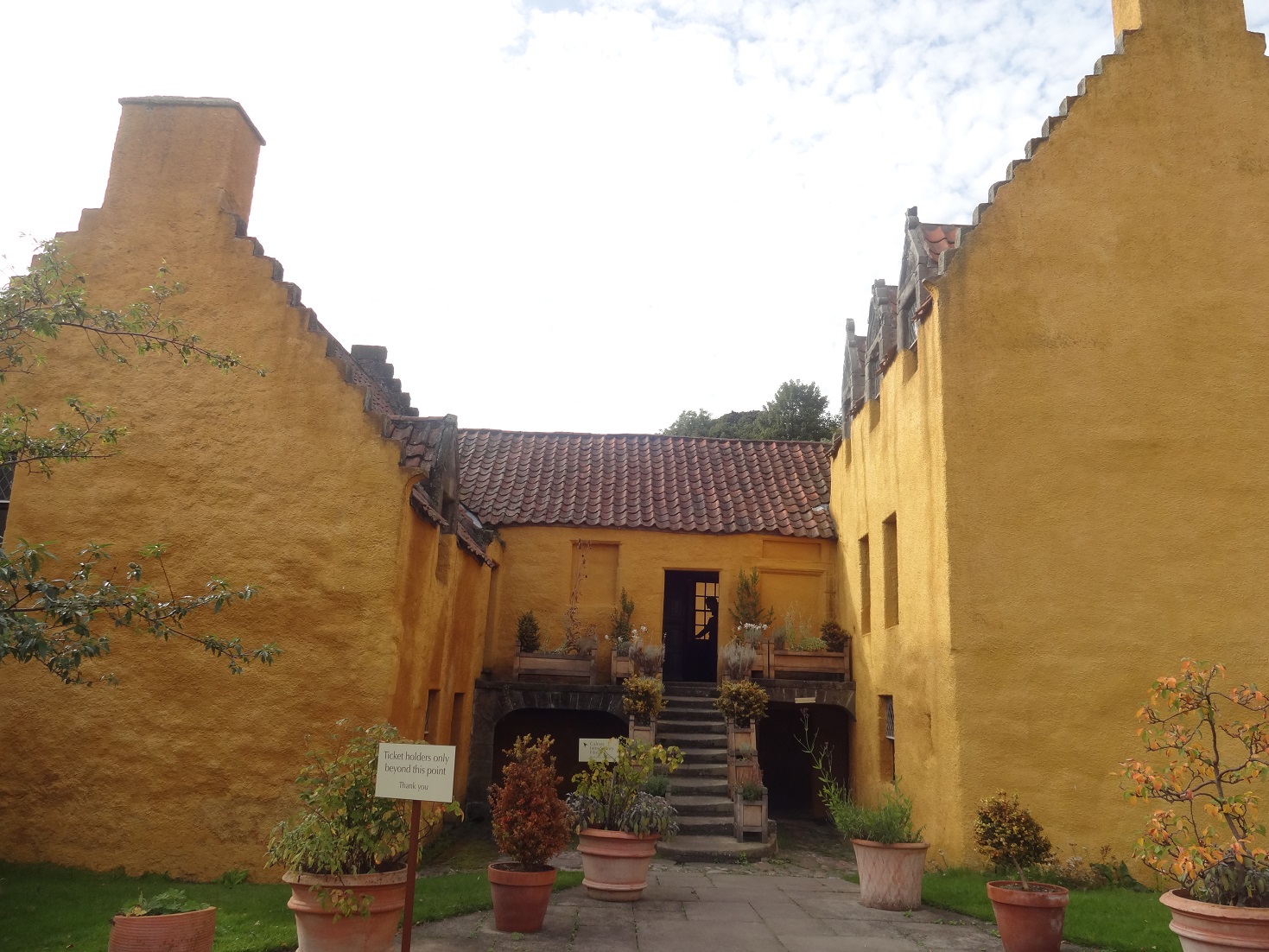
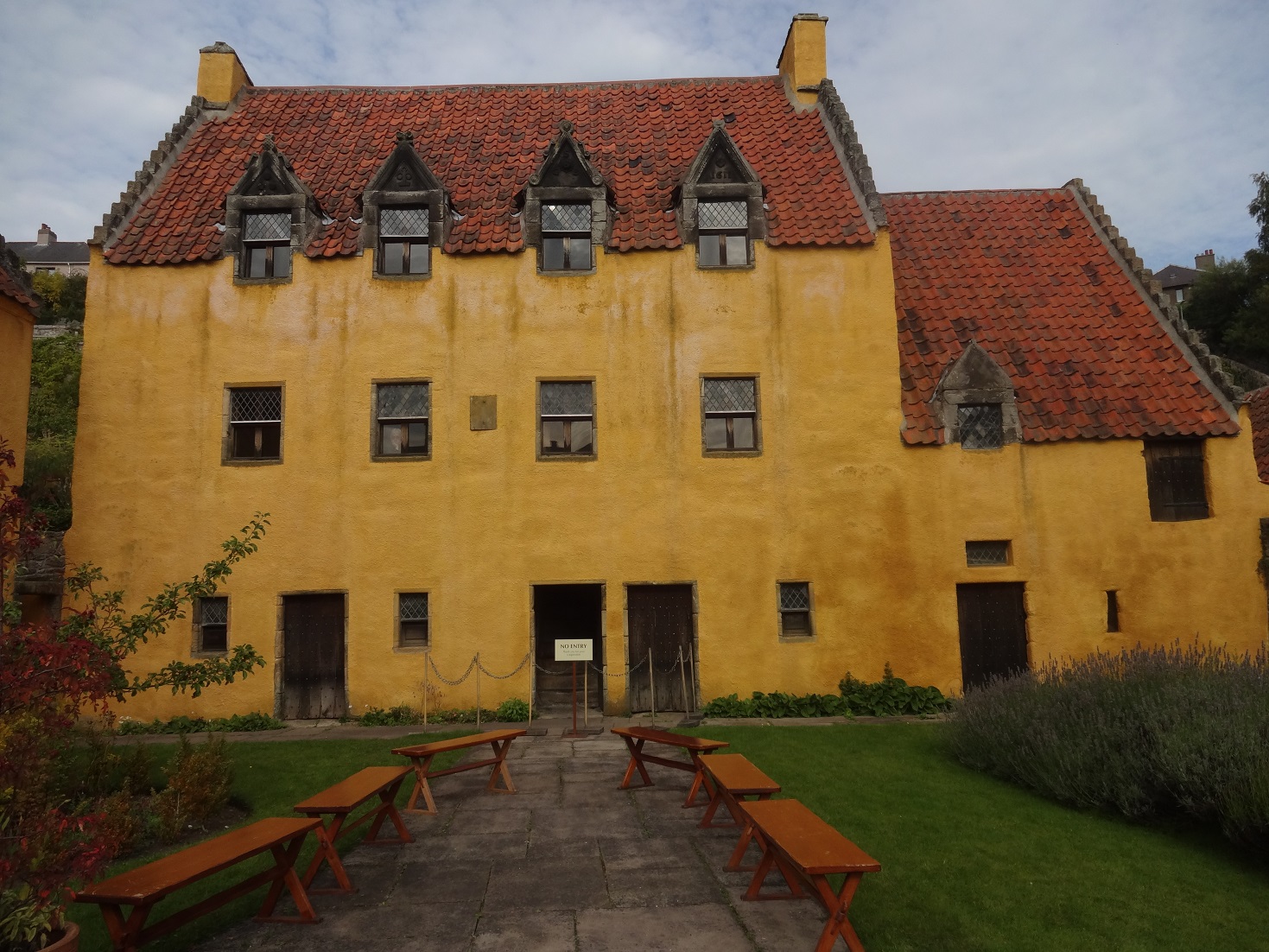
    Entrance to Sir George Bruce's house known as the Palace

    Entrance to Sir George Bruce’s house known as The Palace

    Also part of the Palace

    Also part of The Palace

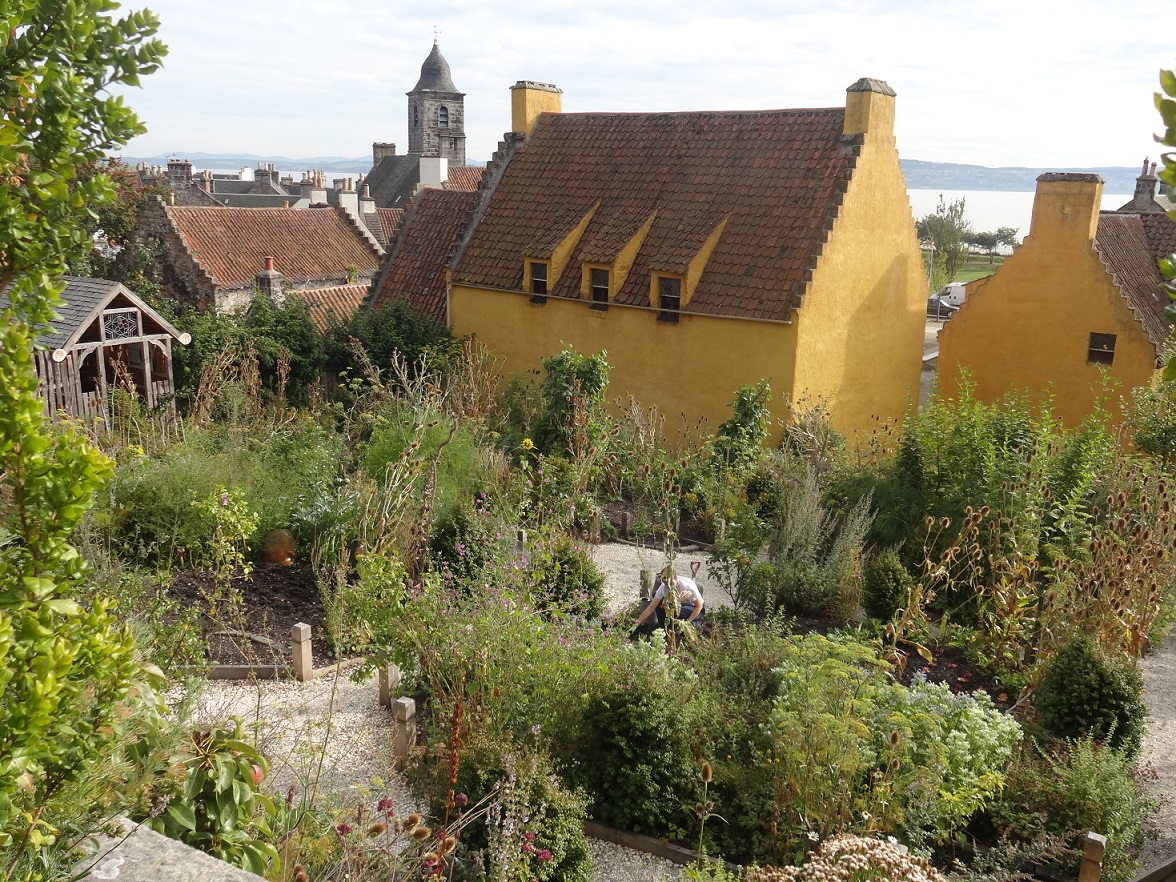
    Garden and property from one of the garden tiers

    Garden and property from one of the garden tiers

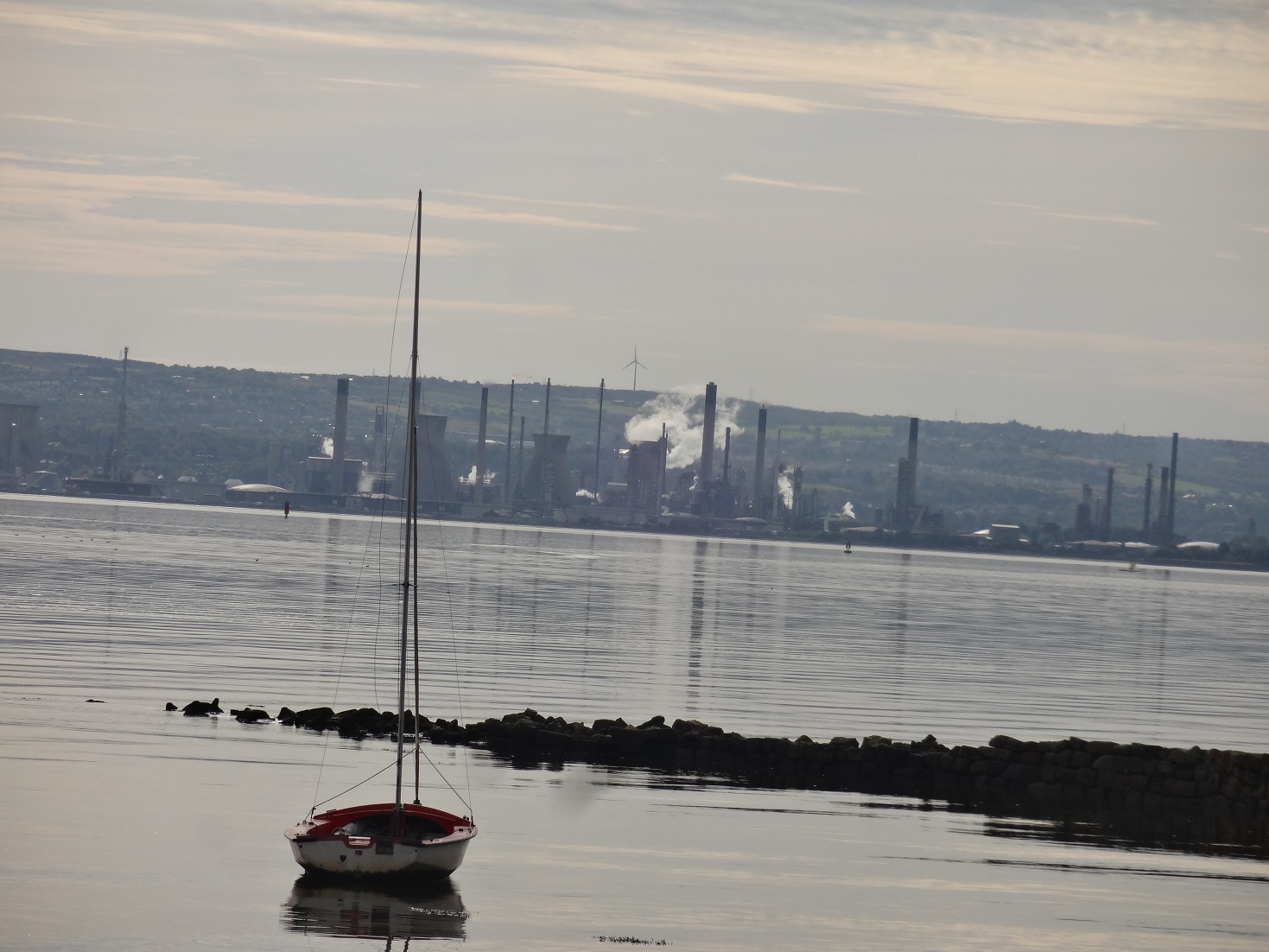
    Directly across the Firth of Forth at Grangemouth

    Directly across the Firth of Forth to Grangemouth

    Culross, Family History, Inverkeithing

  • Around Inverkeithing

    Oct 4th 2015

    By: Kerry

    No comments

    Around Inverkeithing

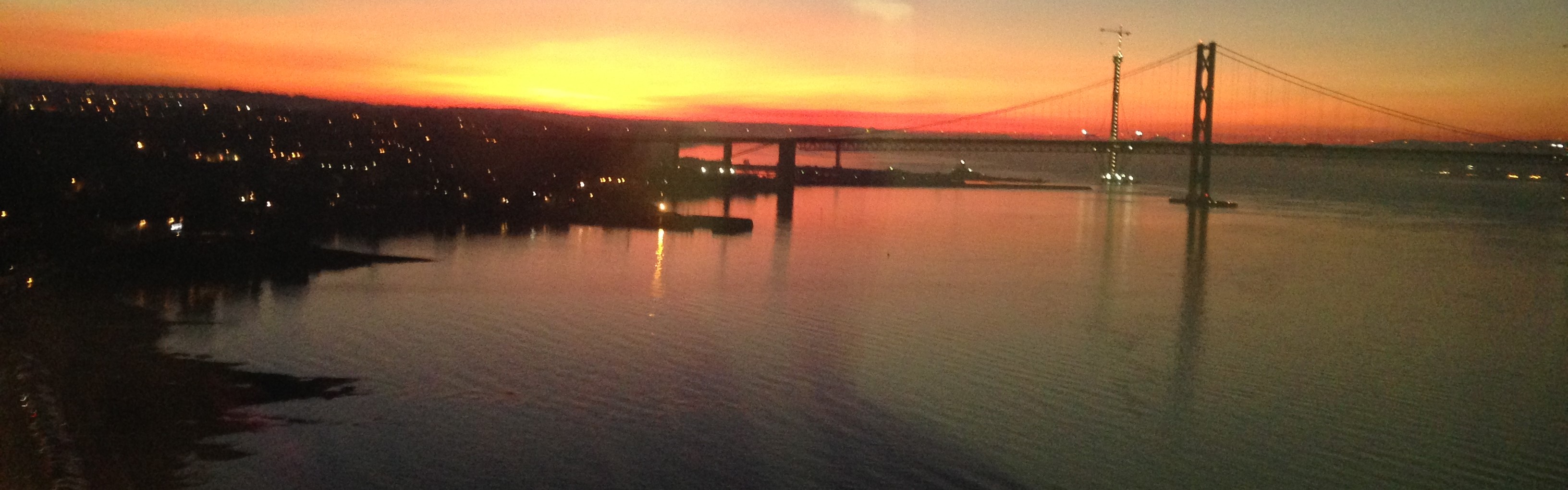
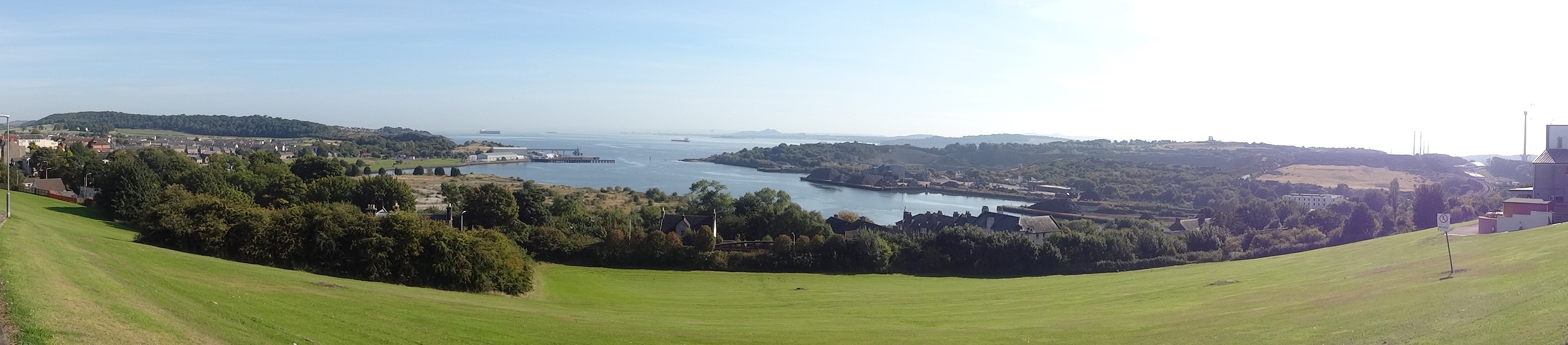
    I saw quite a bit of the town but most of the photos come from the main street. I walked up one of the hills and the photo from there is my favourite panoramic shot of the harbour, better than those posted previously.  It did help that the weather was much improved.  At the top was a short street called “Whinny Hill Crescent”.  Seems a bit high for the comfort of horses but I could well imagine a small, whiny kid complaining of the climb.

    Sunny panorama of Inverkeithing harbour

    Sunny panorama of Inverkeithing harbour  – click on it for a better view

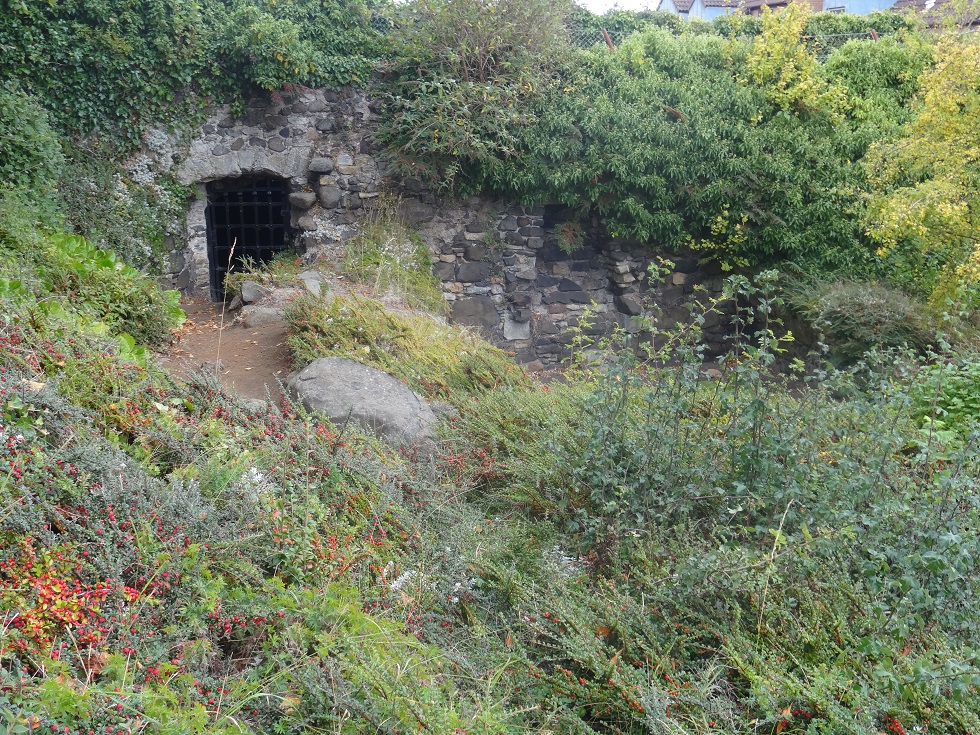
    The Hospitium of the Grey Friars, the remains of a medieval friary

    The Hospitium of the Grey Friars, the remains of a medieval friary, the side facing the street

    The Hospitium of the Grey Friars facing the harbour, but far away from it

    The Hospitium of the Grey Friars facing the harbour, but far away from it

    Remains of he friary

    Remains of he friary

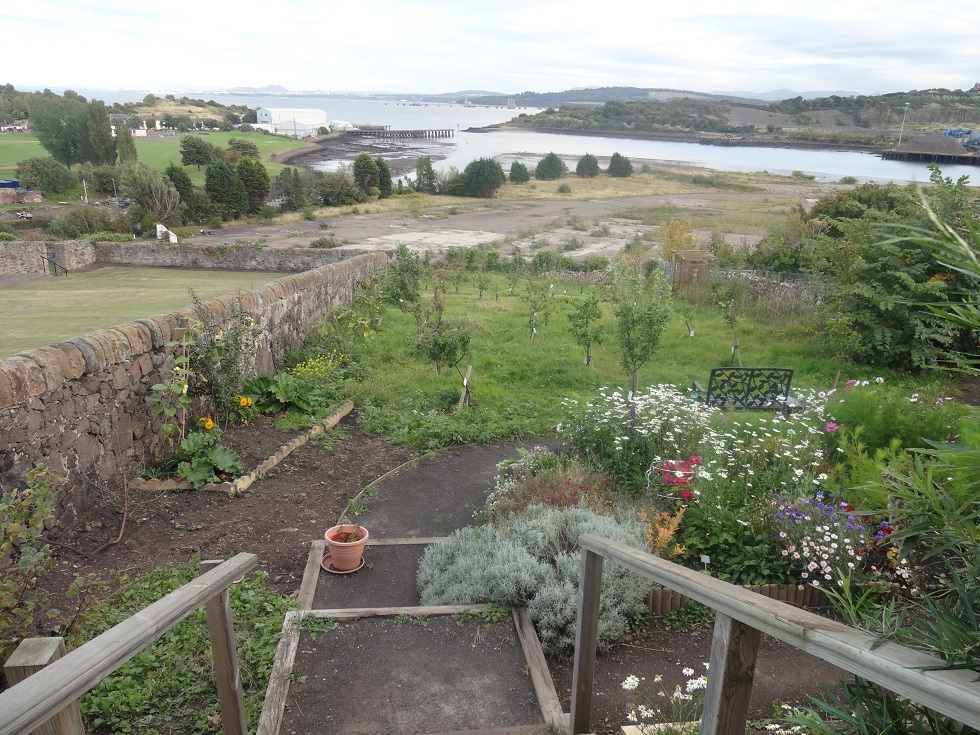
    Part of a community garden

    Part of a community garden with varied plants, vegetables, herbs and some apple trees

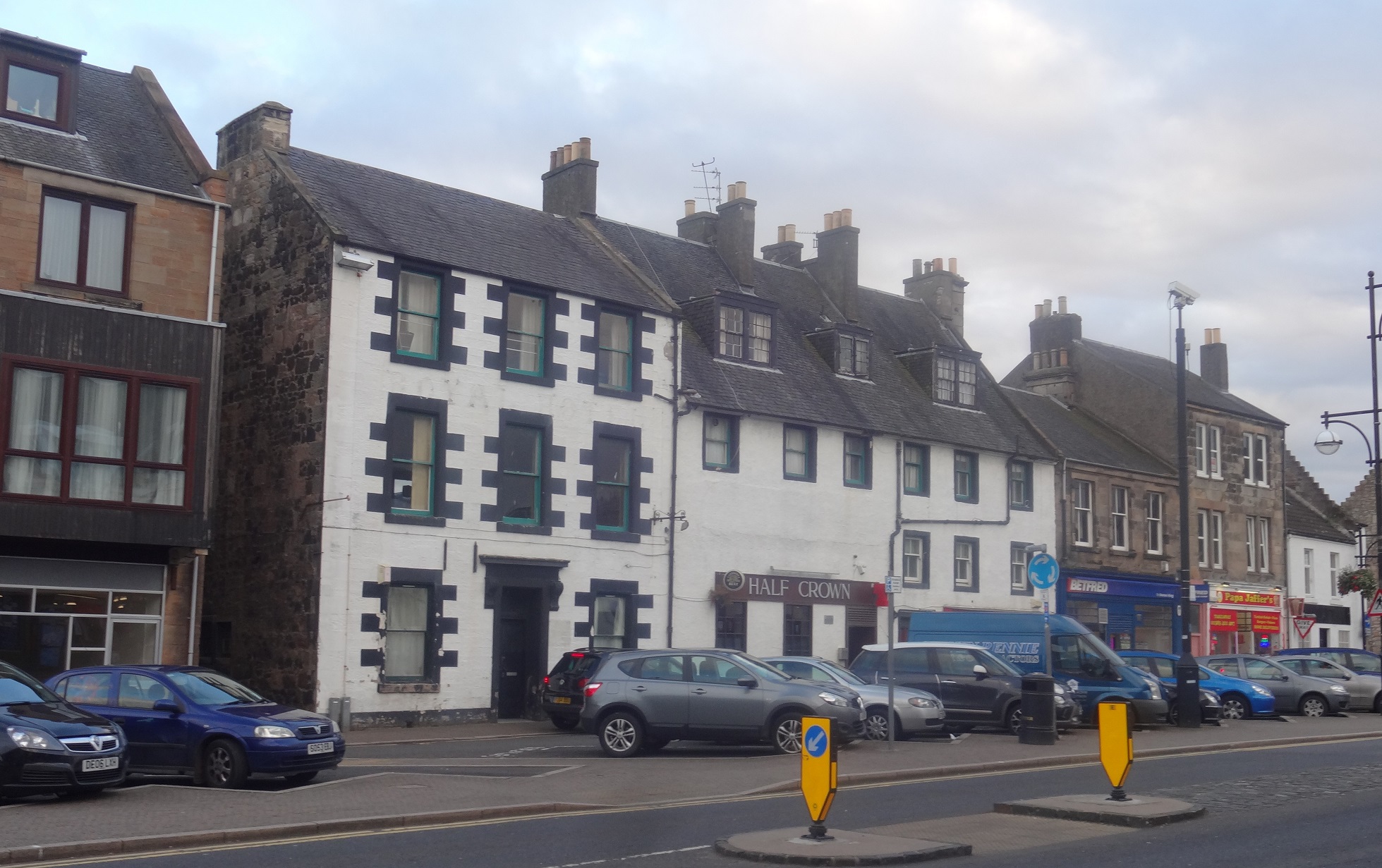
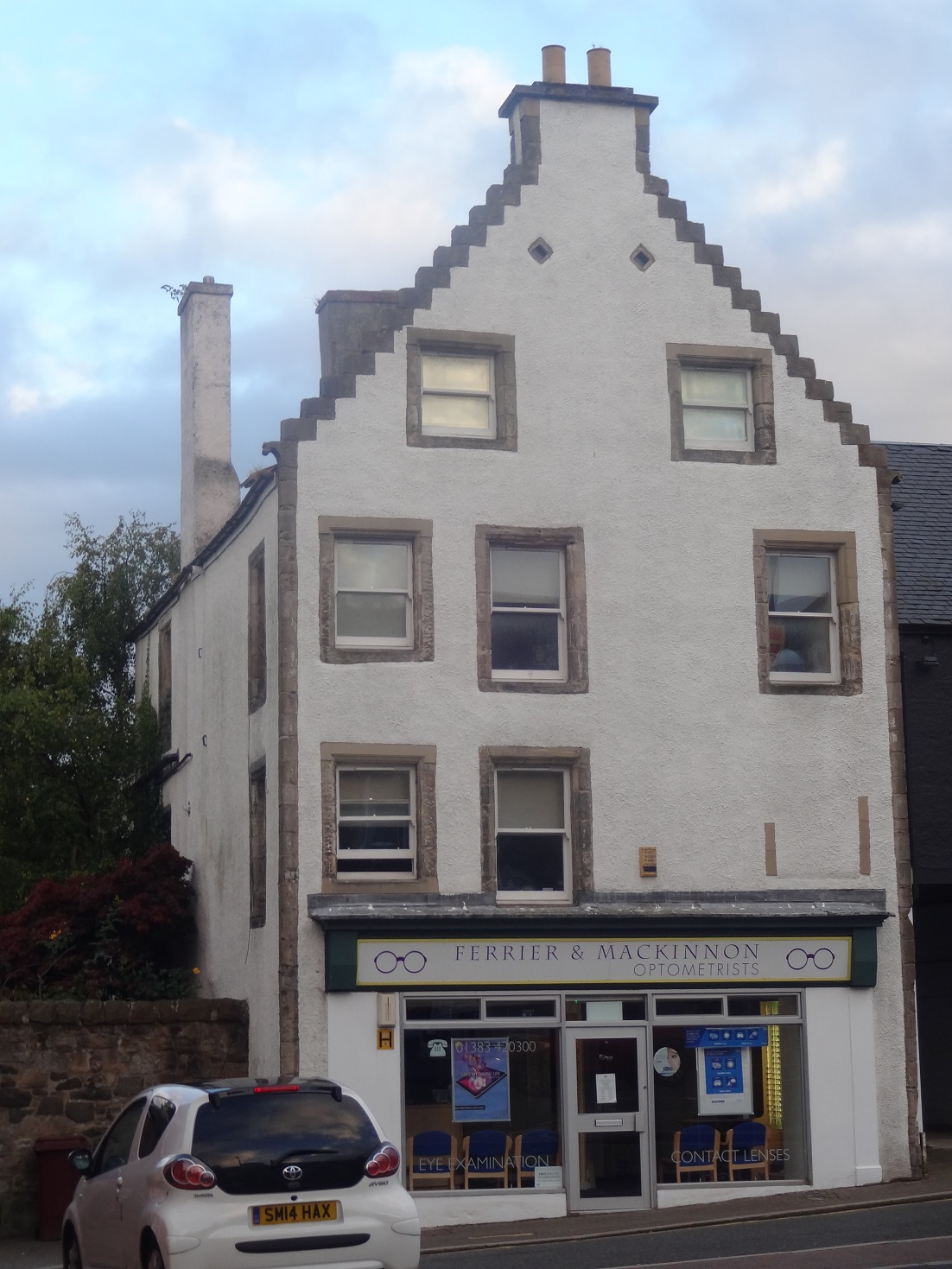
    Part of main street The middle white building has a plaque to Samuel Greig 1735-1788 who became employed by the Russian Navy and was extremely well regarded by his employers and had previously lived in that building

    Part of main street.  The middle white building has a plaque to Samuel Greig 1735-1788 who became employed by the Russian Navy, was extremely well regarded by his employers and had previously lived in that building

    Old building on same side of street

    Old building on same side of street. Known as Providence House for the saying above the lintel on the wall on the right hand

    side and of which I have no photo        see


    http://canmore.org.uk/site/51012/inverkeithing-14-18-high-street-providence-house

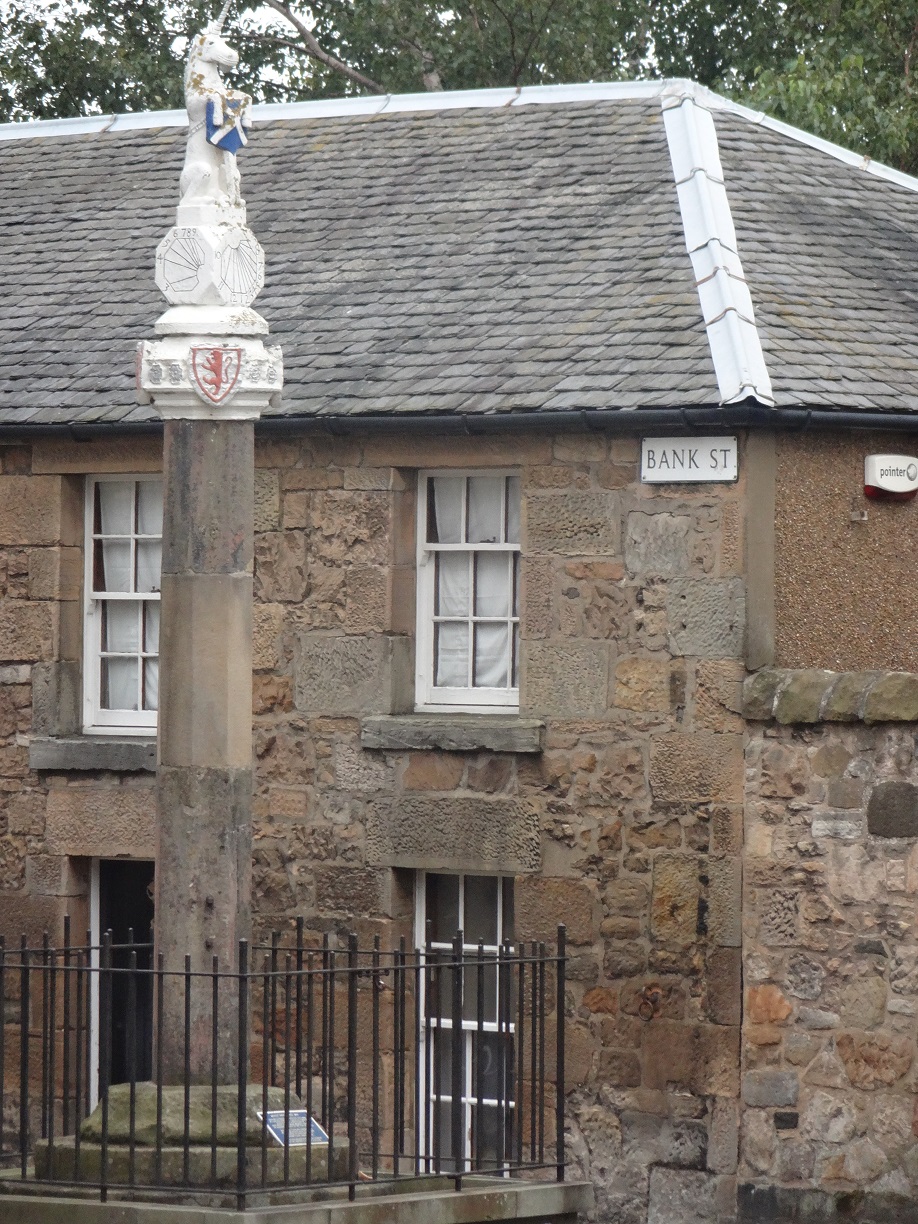
    The Mercat (Market) Cross is old with the unicorn added in 1688

    The Mercat (Market) Cross is old with the unicorn added in 1688.  It has been moved several times.  Traditionally it was the site of the local markets

    Attractive old building

    Attractive old building

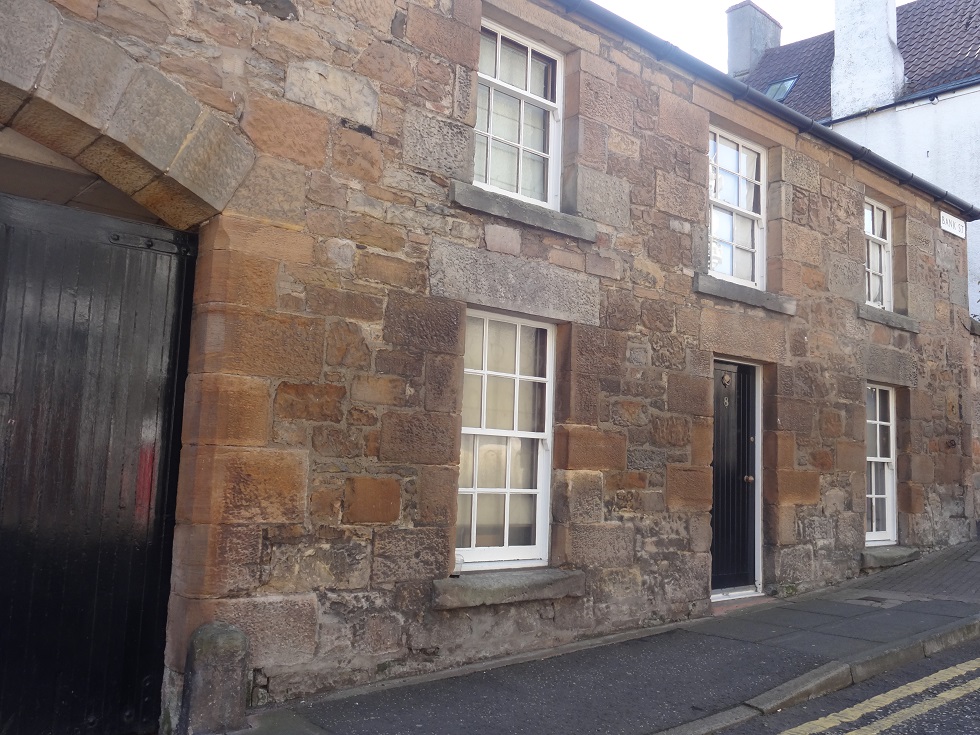
    Attractive sandstone building

    Attractive sandstone building

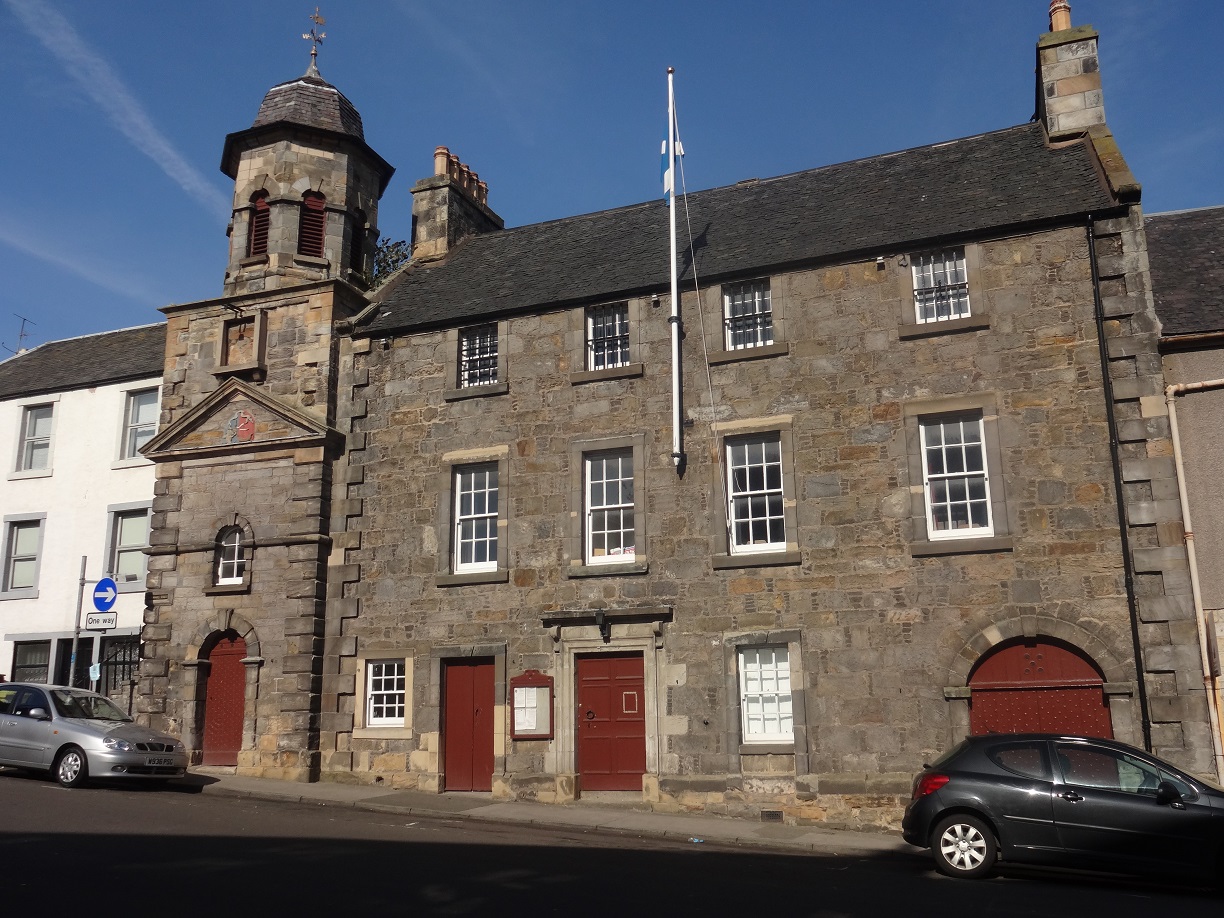
    An old building which had components of town hall, jail and debtors prison

    An old building which had components of town hall, jail and debtors prison

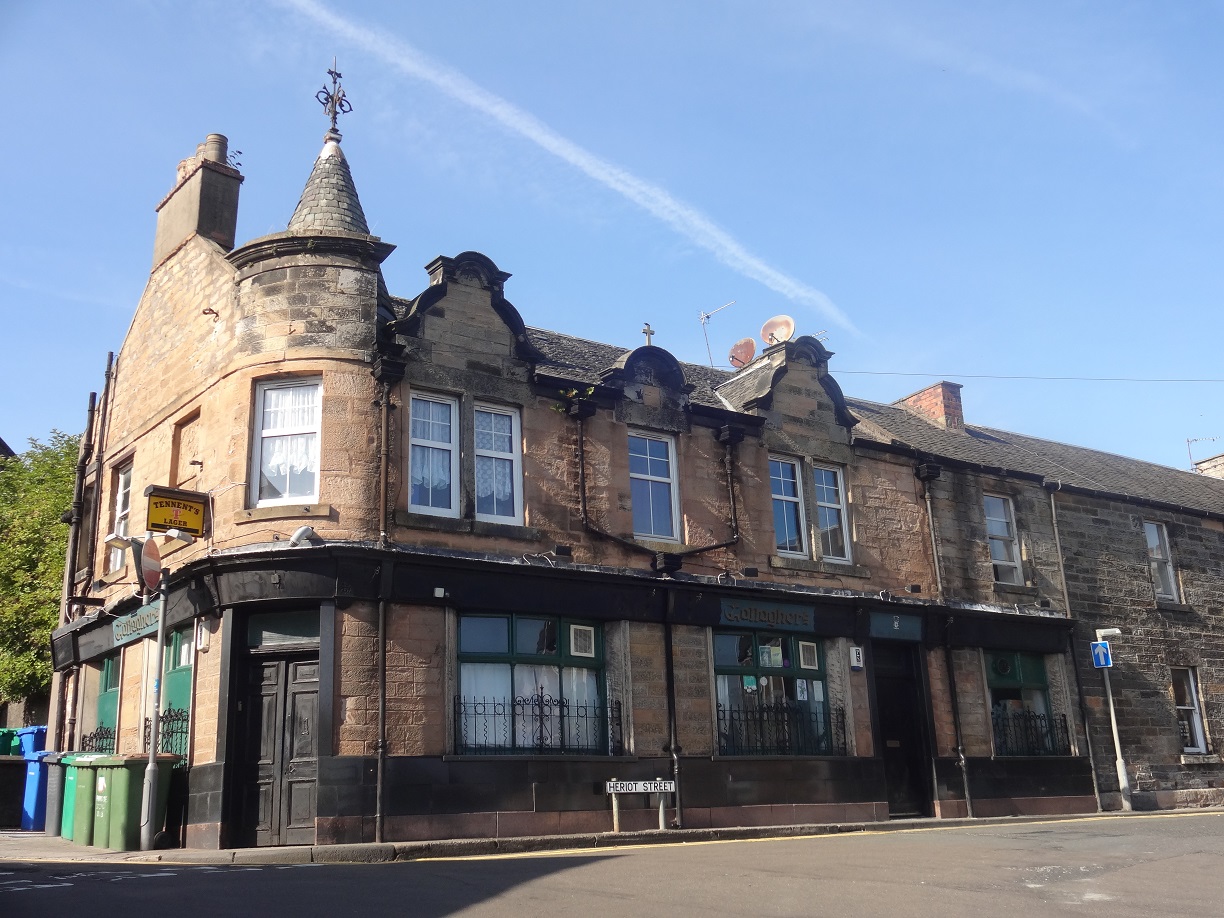
    Old pub in a back street - not occupied

    Old pub in a back street – not occupied

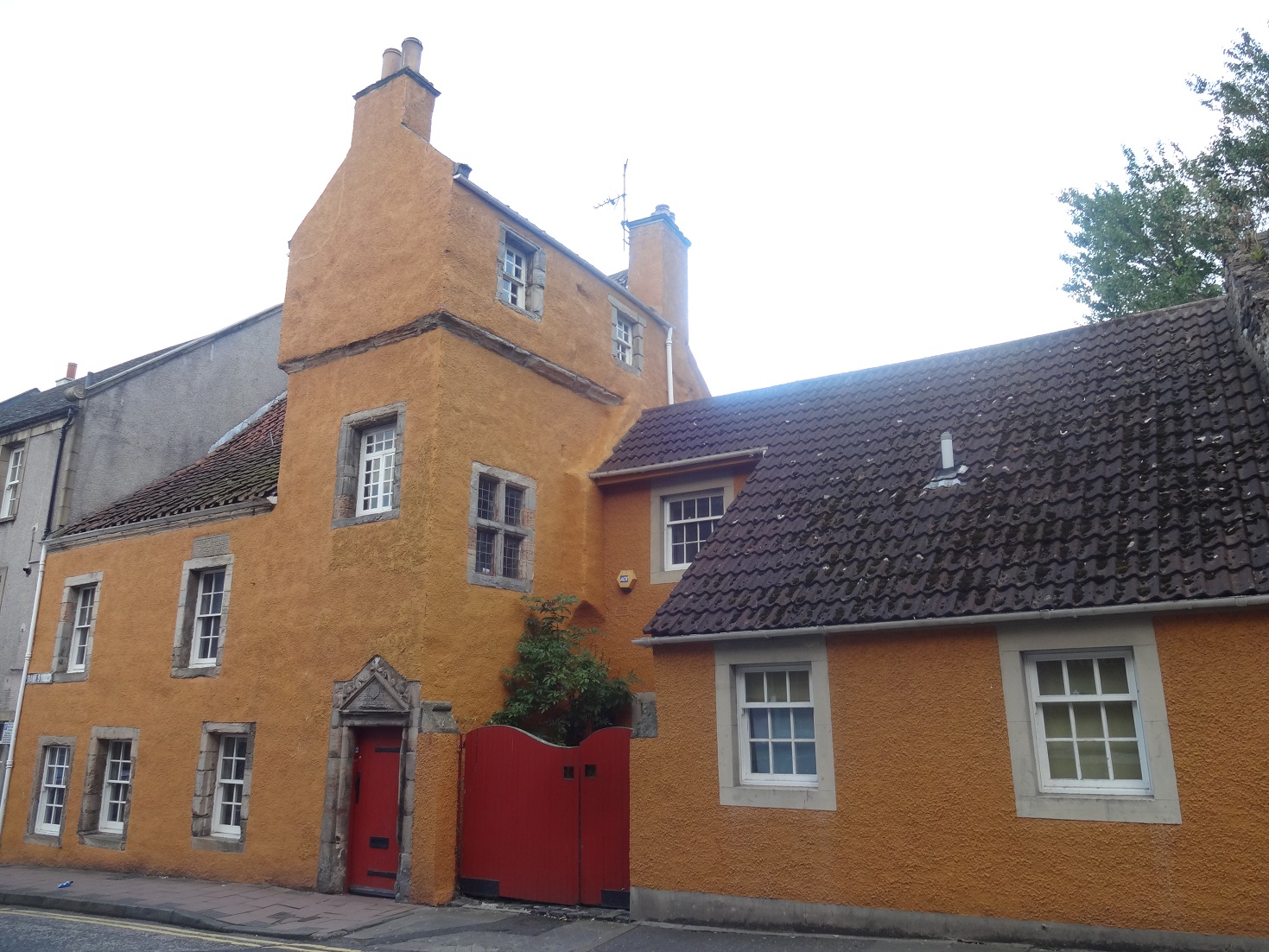
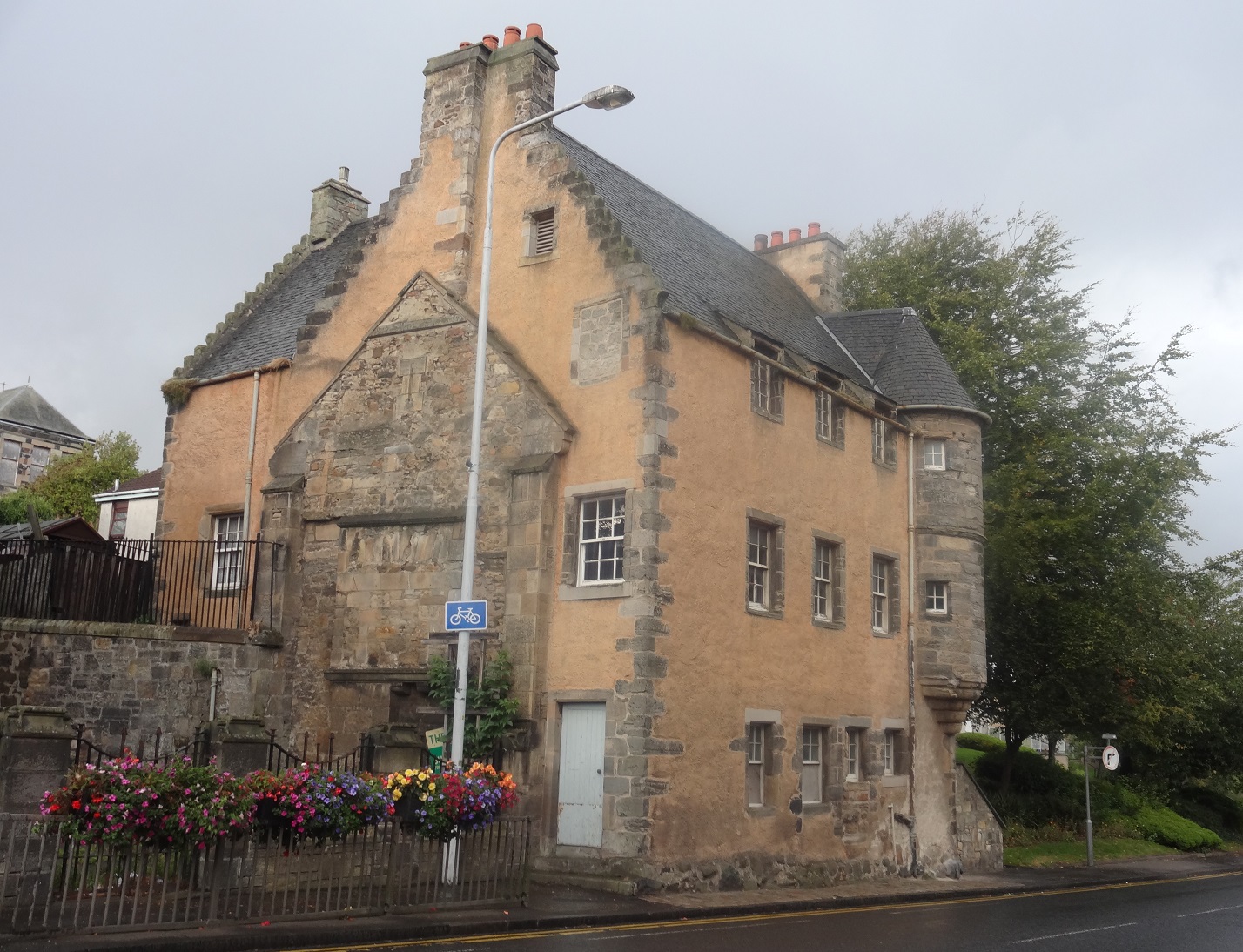
    Fordell's Lodging a 17th century building used as a town house for a local landowner

    Fordell’s Lodging, a 17th century building built as a town house for a local landowner

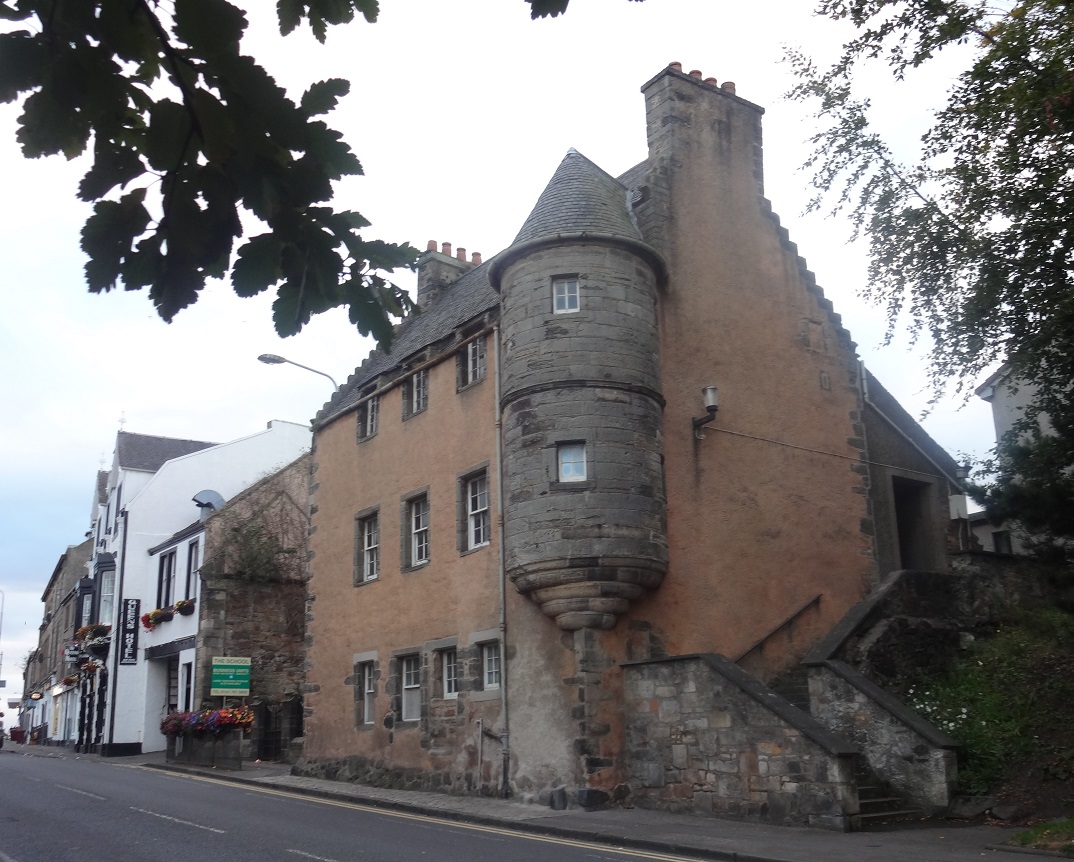
    Fordell's Lodging, different angle

    Fordell’s Lodging, different angle

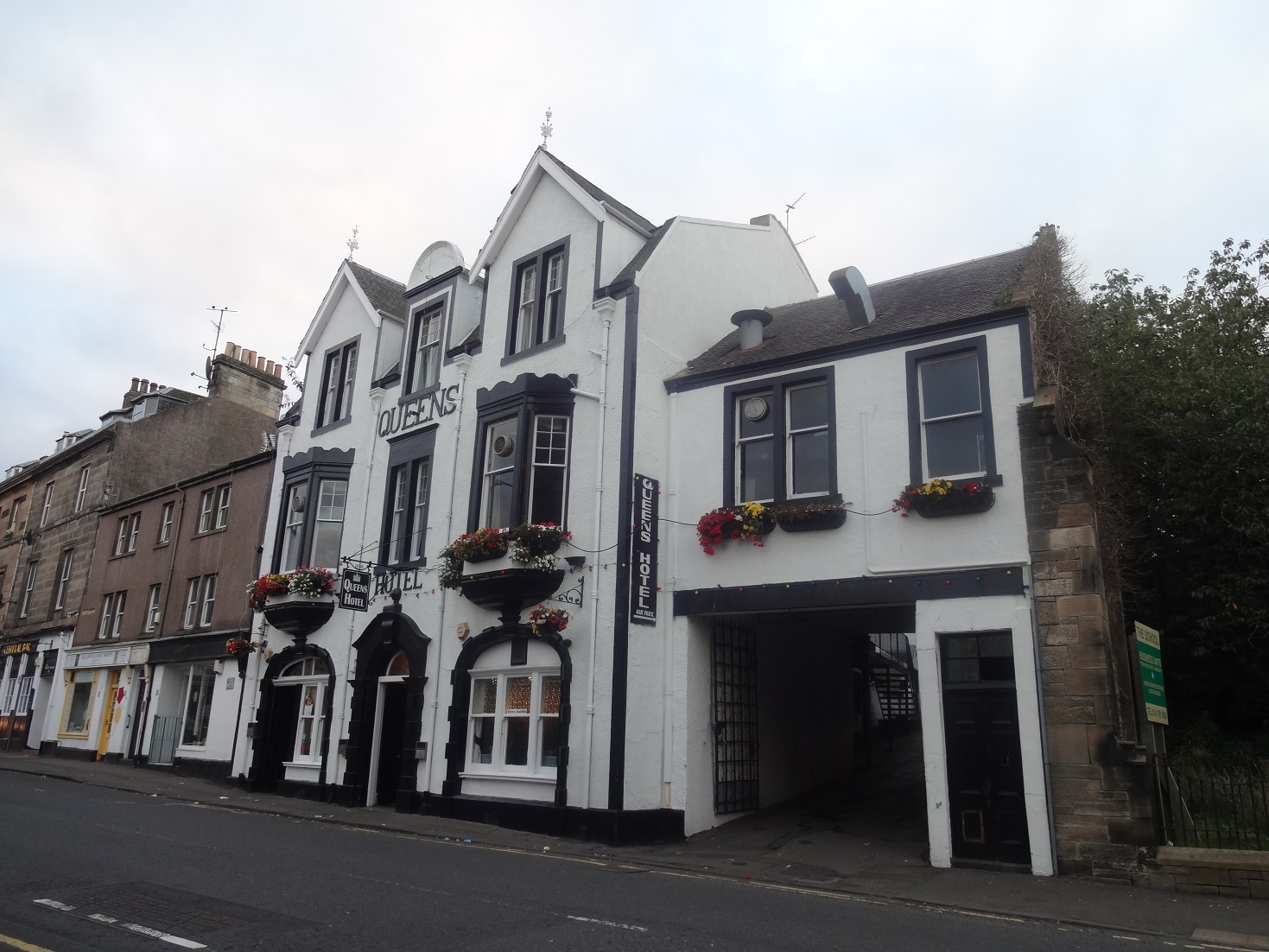
    Queens Hotel opposite the church and near Fordell's Lodging

    Queens Hotel opposite the church and near Fordell’s Lodging

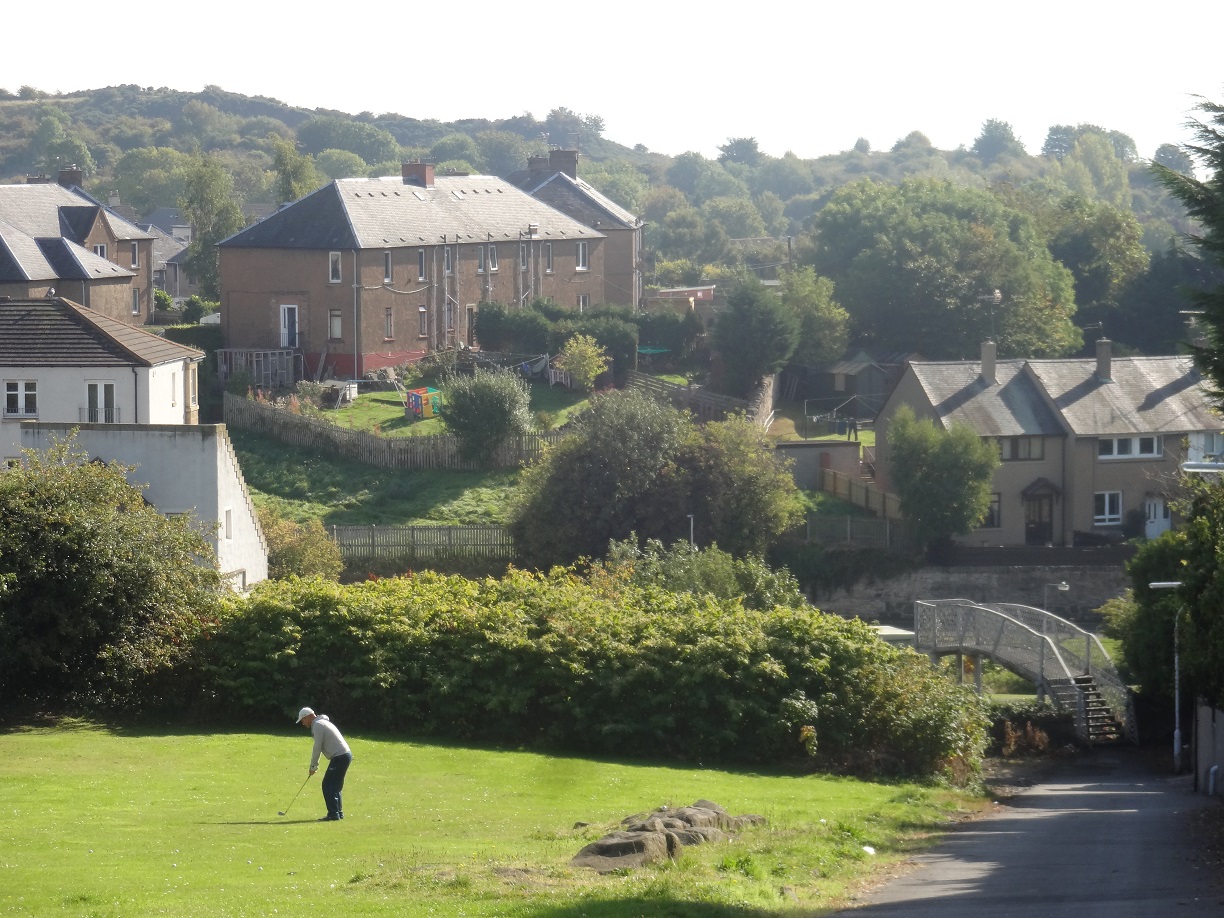
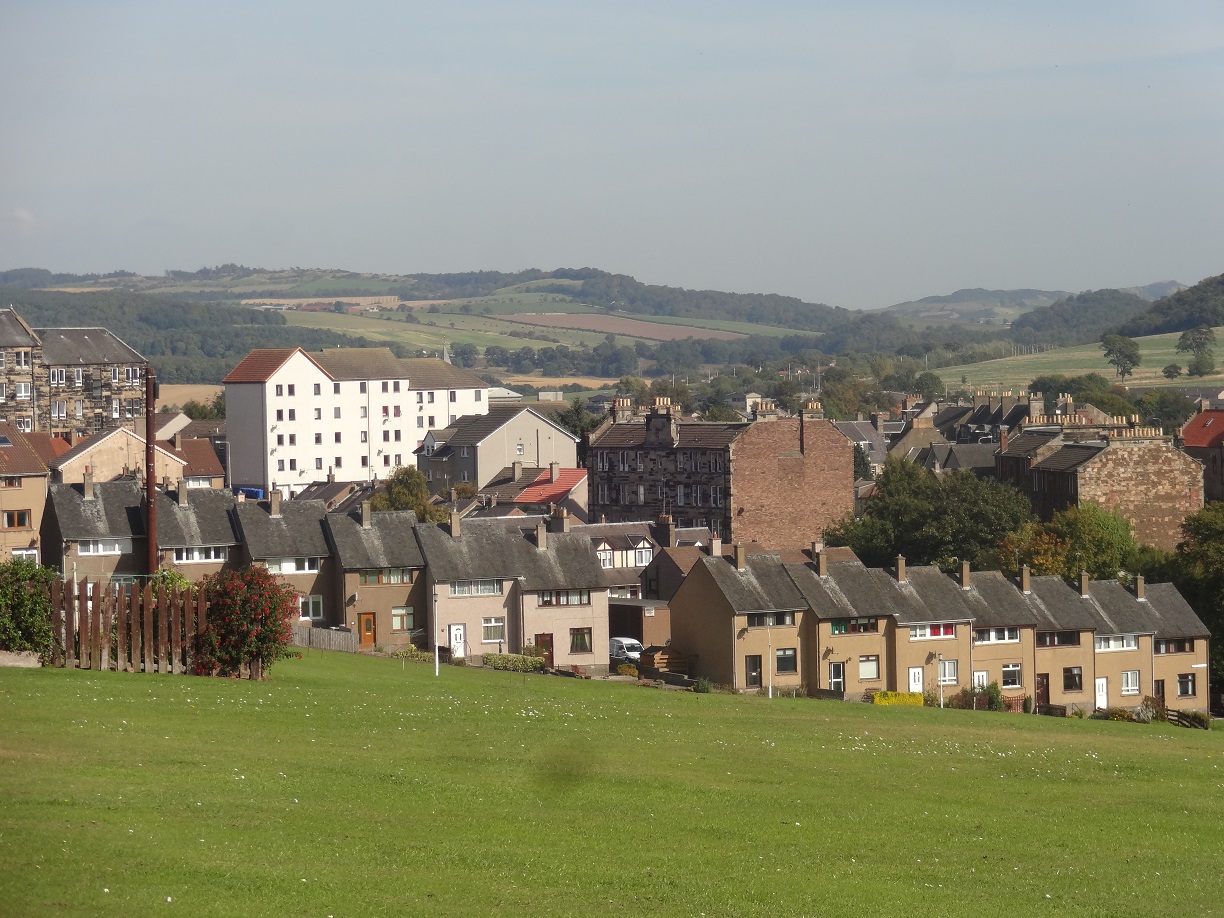
    Sunny day

    Sunny day

    Big hill, modern housing and countryside

    Big hill, modern housing and countryside

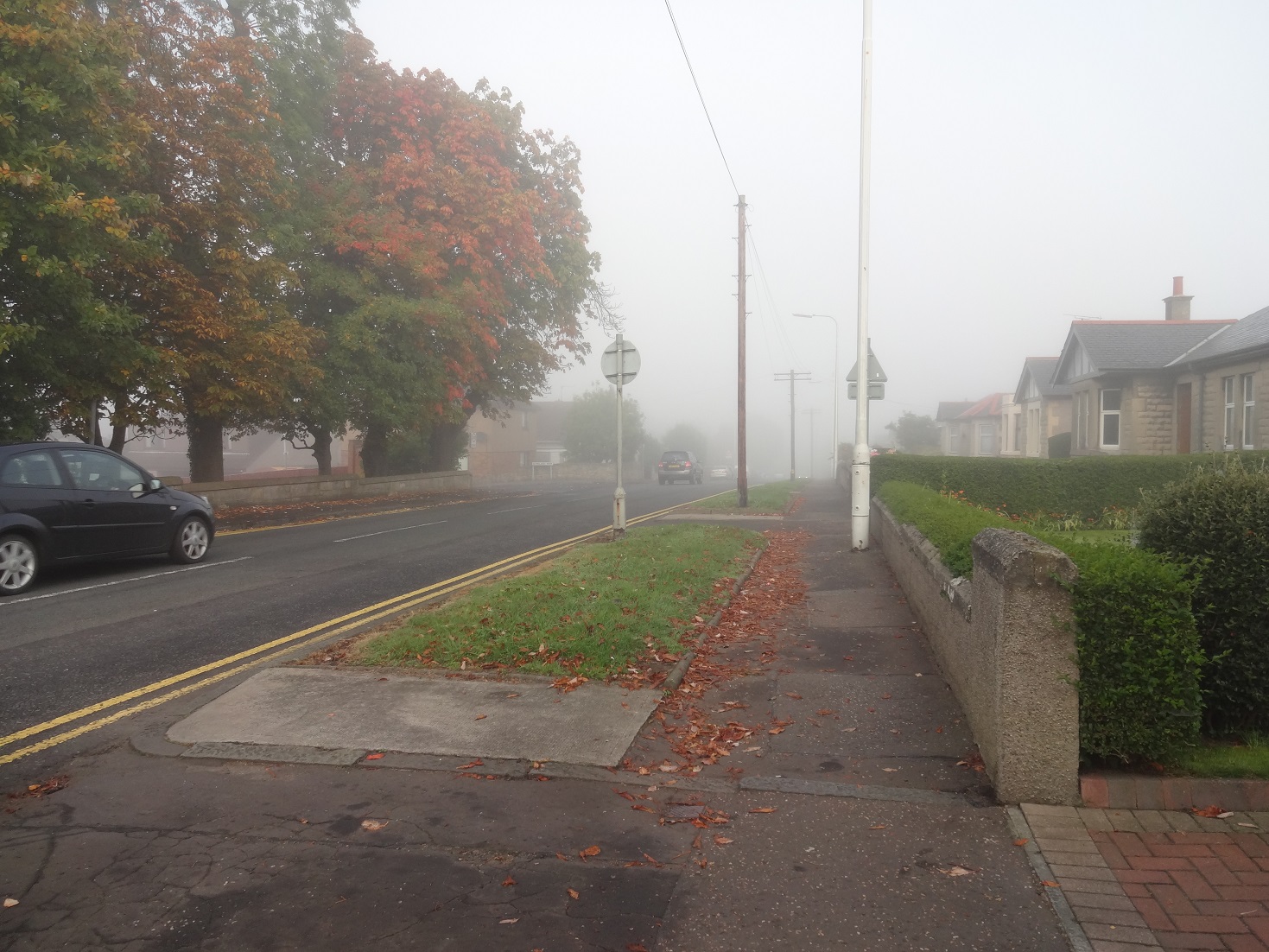
    The view - heavy mist, facing me when I left my B & B early on 2 mornings It was followed b brilliant blue skies

    The view – heavy mist, facing me when I left my   B & B early on 2 mornings. It was followed by brilliant blue skies. When I went to Edinburgh nothing could be seen  past the Forth rail bridge yet clear skies existed not far after reaching land. No wonder all the vegetation seems to grow like a jungle.  For more information on Inverkeithing see

    https://en.wikipedia.org/wiki/Inverkeithing or

    http://publications.1fife.org.uk/uploadfiles/publications/c64_MicrosoftWordInverkeithingFINALreduced2.pdf


    Family History, Inverkeithing

  • Dead People – Church and Cemetery

    Oct 4th 2015

    By: Kerry

    No comments

    Dead People – Church and Cemetery

    There was a halt in transmission due to intermittent and persistent technical problems in addition to failure to fight off a cold which left me somewhat less than energetic.  Both issues seem under control and since last writing I have walked, while not exactly all over Inverkeithing but certainly further than I had hoped was possible,  visited a quaint old village which gave an ancestor an honour, delved into  Scottish archives, walked  a good deal of the Royal Mile in Edinburgh, travelled to Derby, delved into more archives, almost left the train at the wrong station, walked up a monstrous hill thinking I was on the way to the station but wasn’t, walked up and down a much more monstrous hill bereft of path, with a friend in the Derbyshire Dales and have lived to tell the story.    Not sure how much will make it into the blog but there have been some interesting sights and experiences along with photos.

    This entry is about the church and cemetery in Inverkeithing.

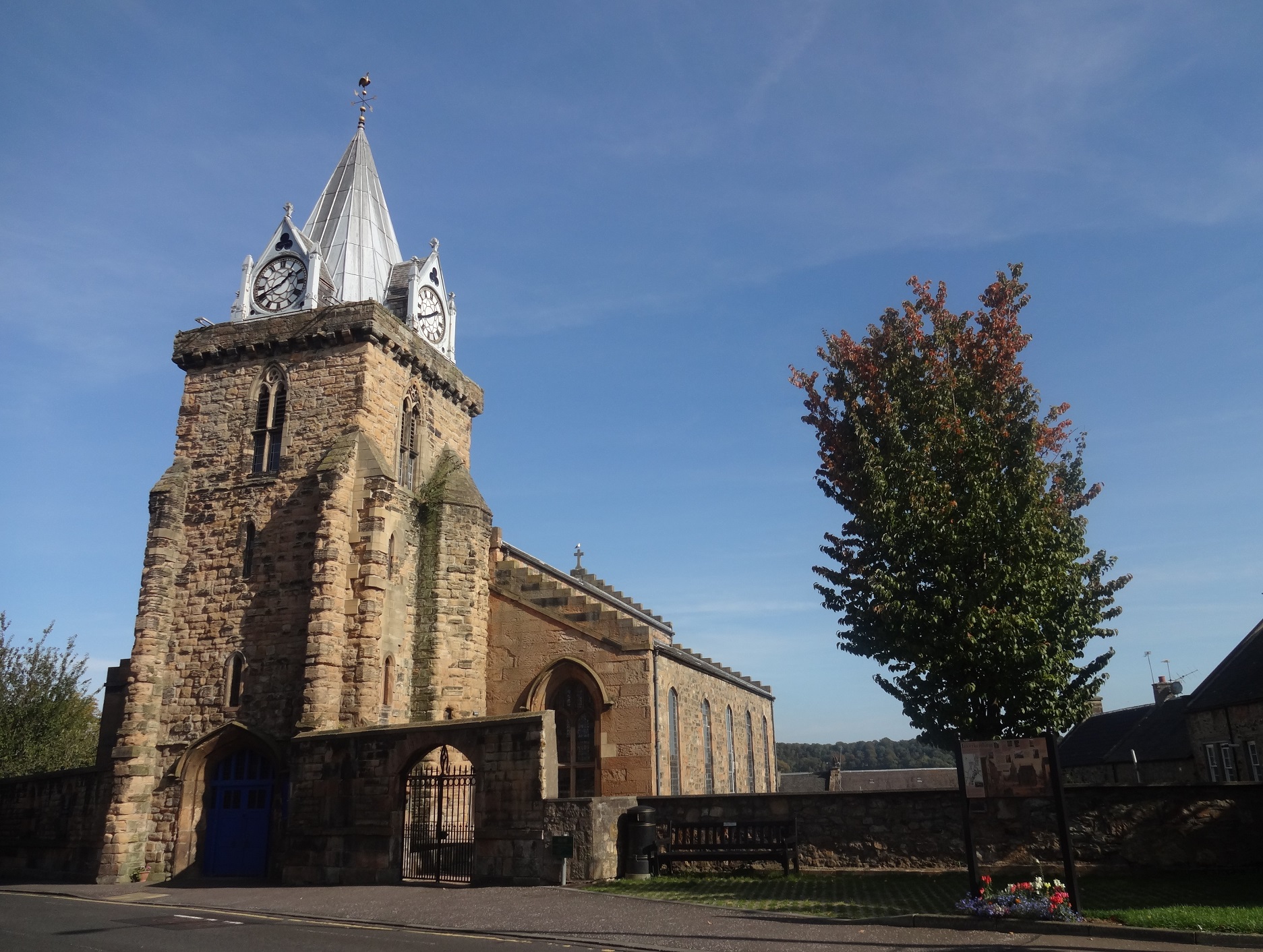
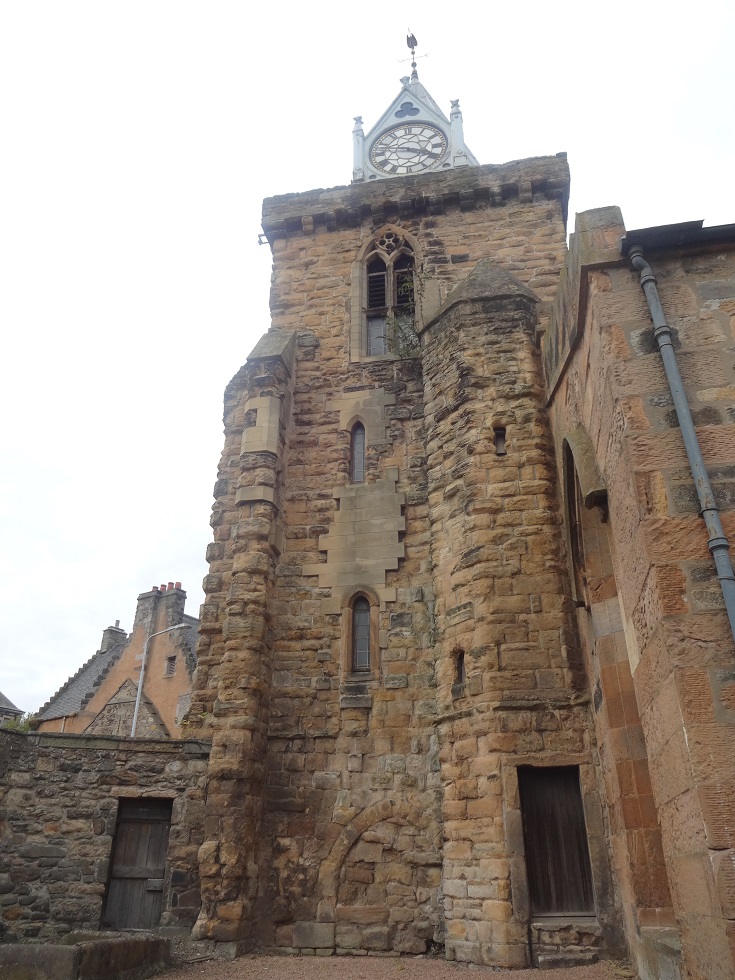
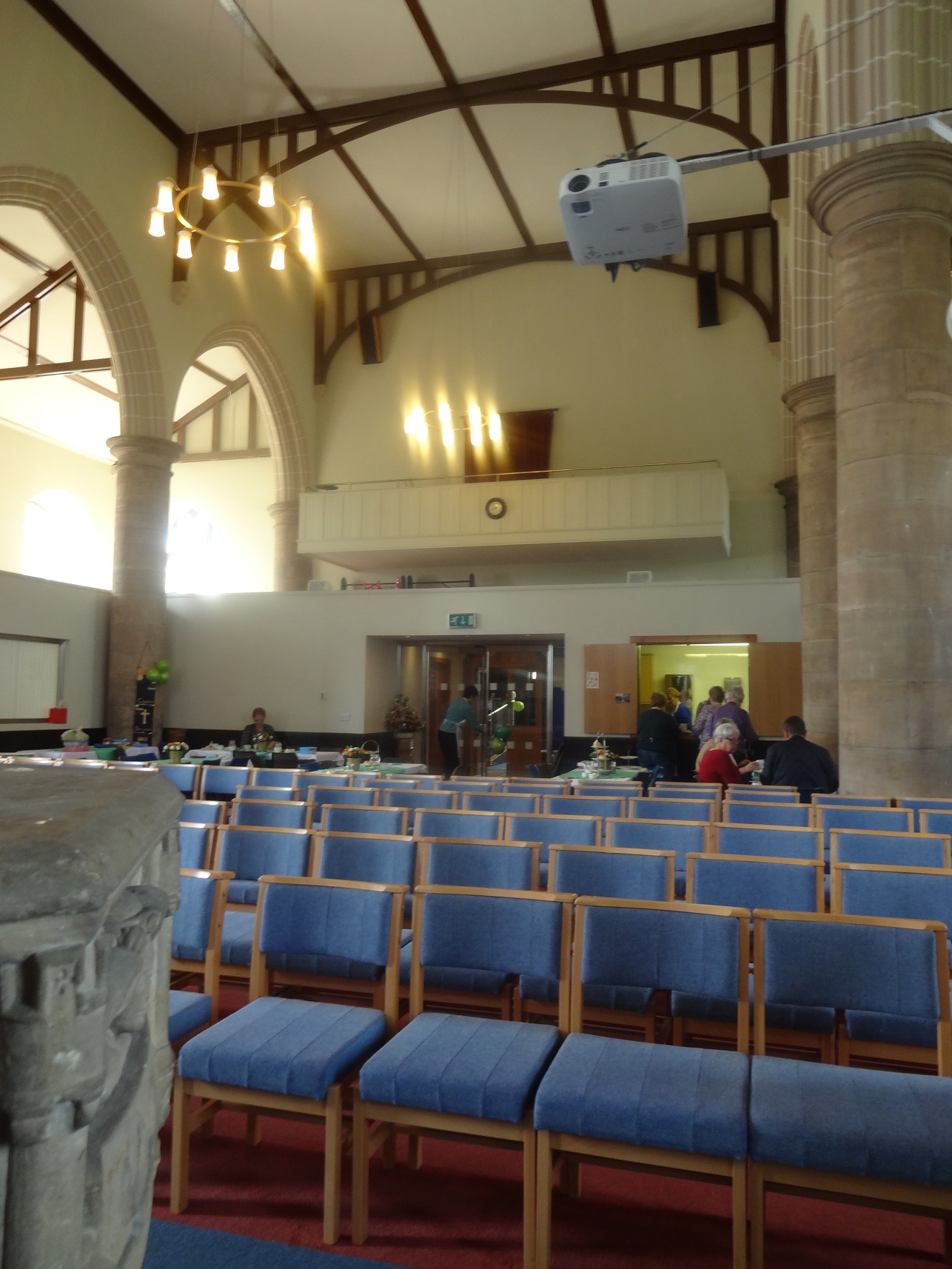
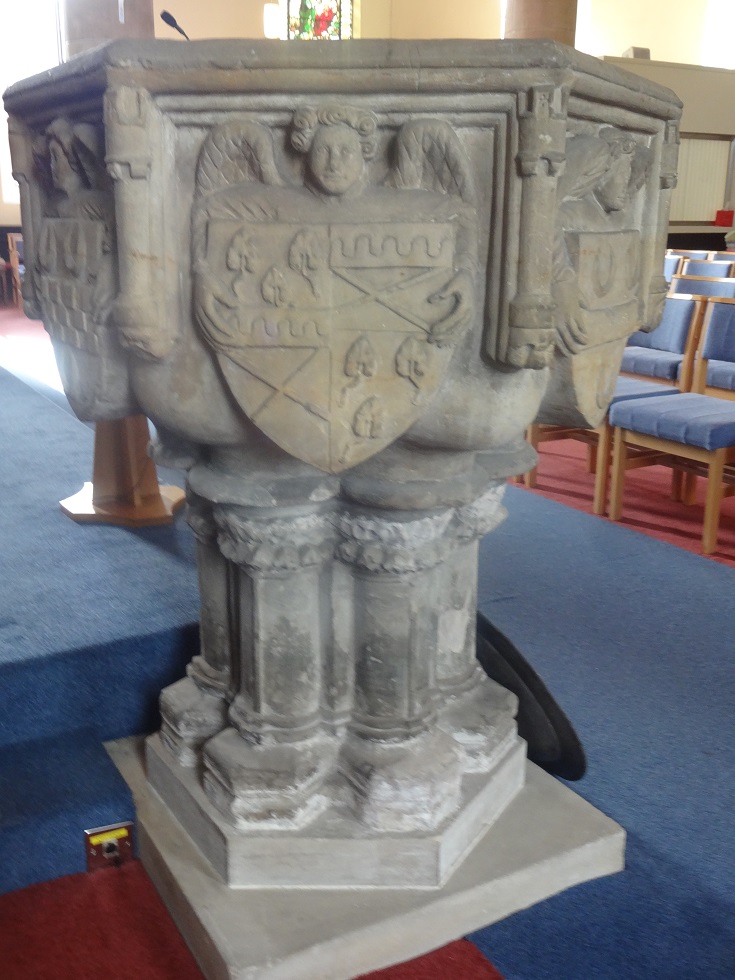
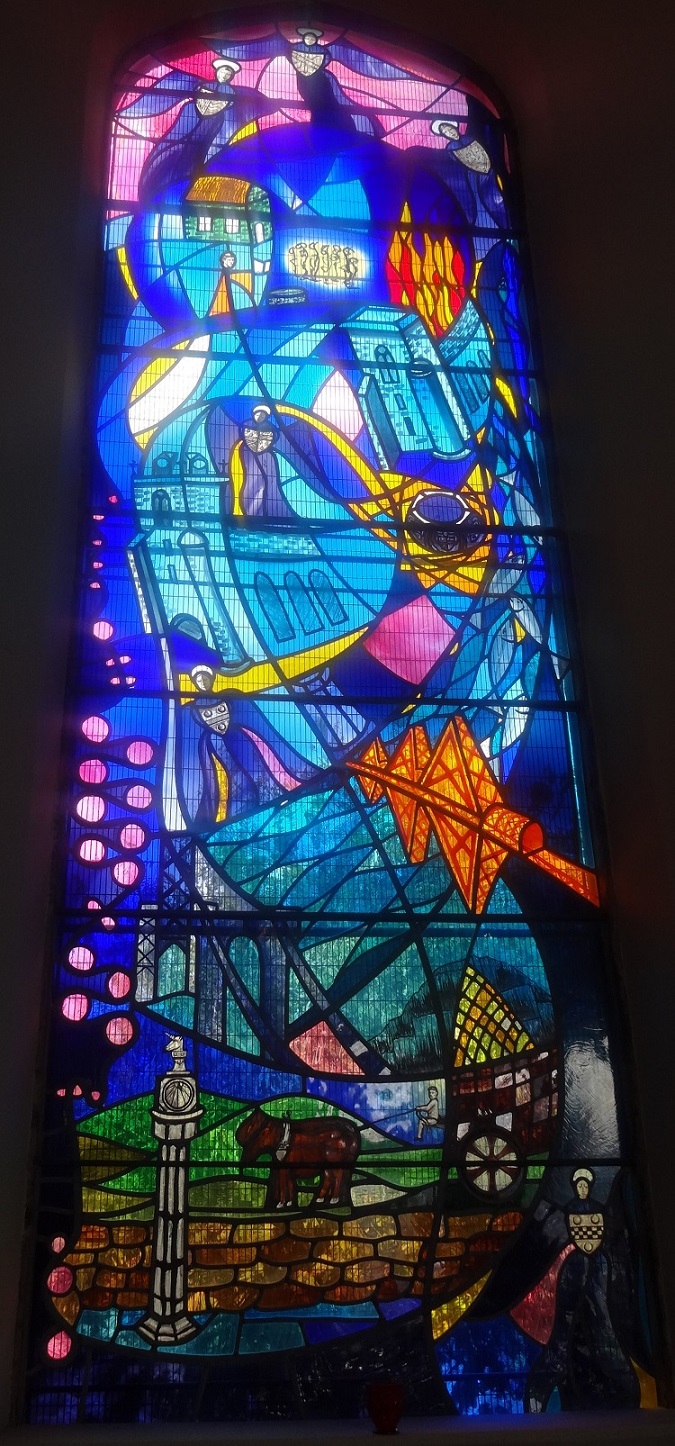
    St Peter’s Church was first dedicated in 1244 and a stained glass window was erected in 1994 to commemorate the 750th anniversary.  It has been altered over the years including the provision of ramps etc for the disabled.  I was walking past on a morning when it was open for a fund raising morning tea and managed to have myself invited in to chat, observe and photograph.   The interior was very plain apart from several stained glass windows. It contained a 14th century baptismal font reported to have been given by royalty for the baptism of their son and which had been hidden during a period of religious difficulty and lost for around 200 years.

    St Peter's Church, Inverkeithing

    St Peter’s Church, Inverkeithing

    Church facade from one side of graveyard

    Church facade from one side of church yard

    Inside church looking towards entrance

    Inside church looking towards entrance

    14th Century baptismal font

    14th Century baptismal font


    Commemorative stained glass window representing Inverkeithing's past and present

    Commemorative stained glass window representing Inverkeithing’s past and present

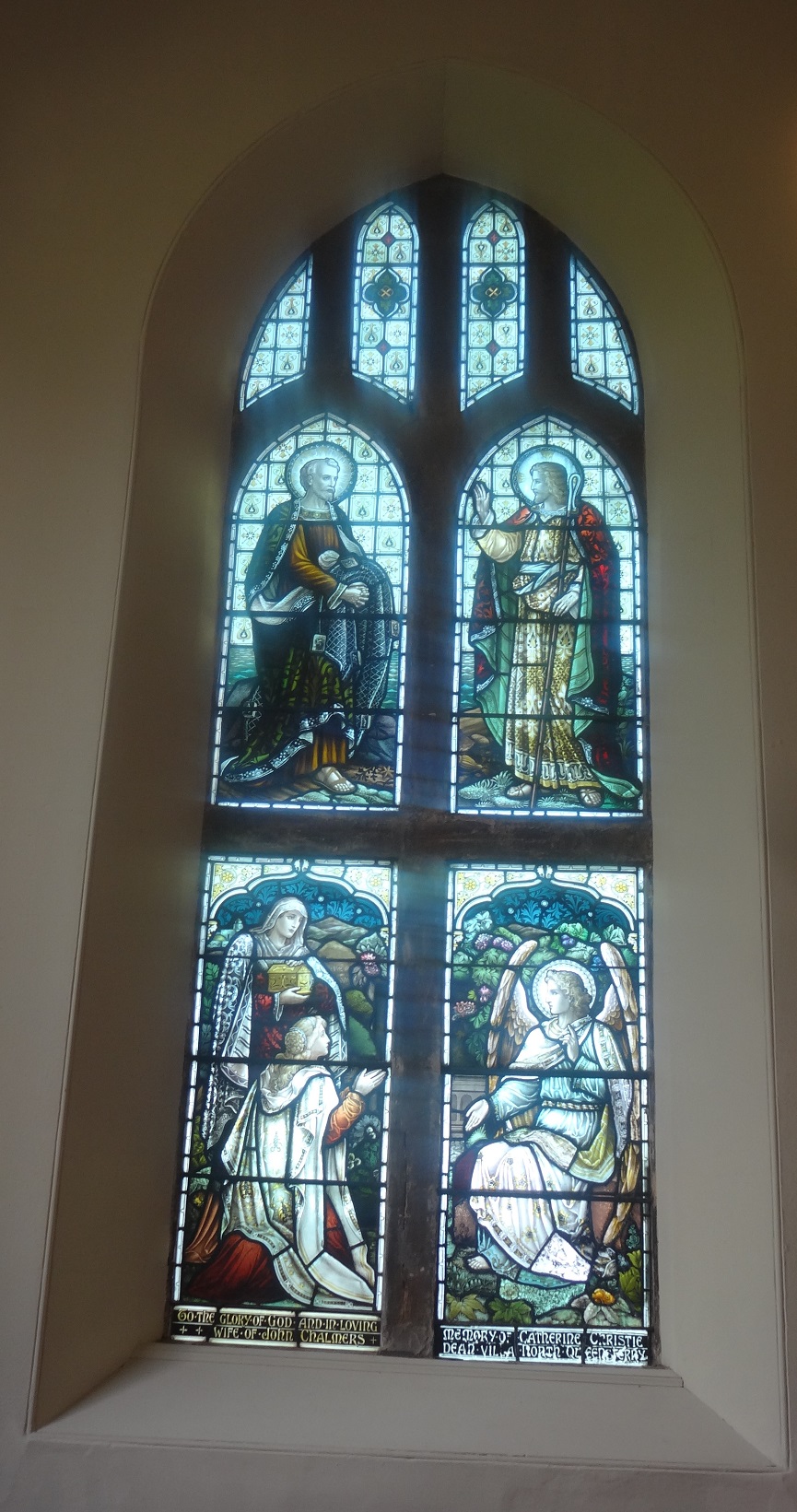
    One of the more traditional windows yet quite different from the much older ones in York Minster

    One of the more traditional windows yet quite different from the much older ones in York Minster

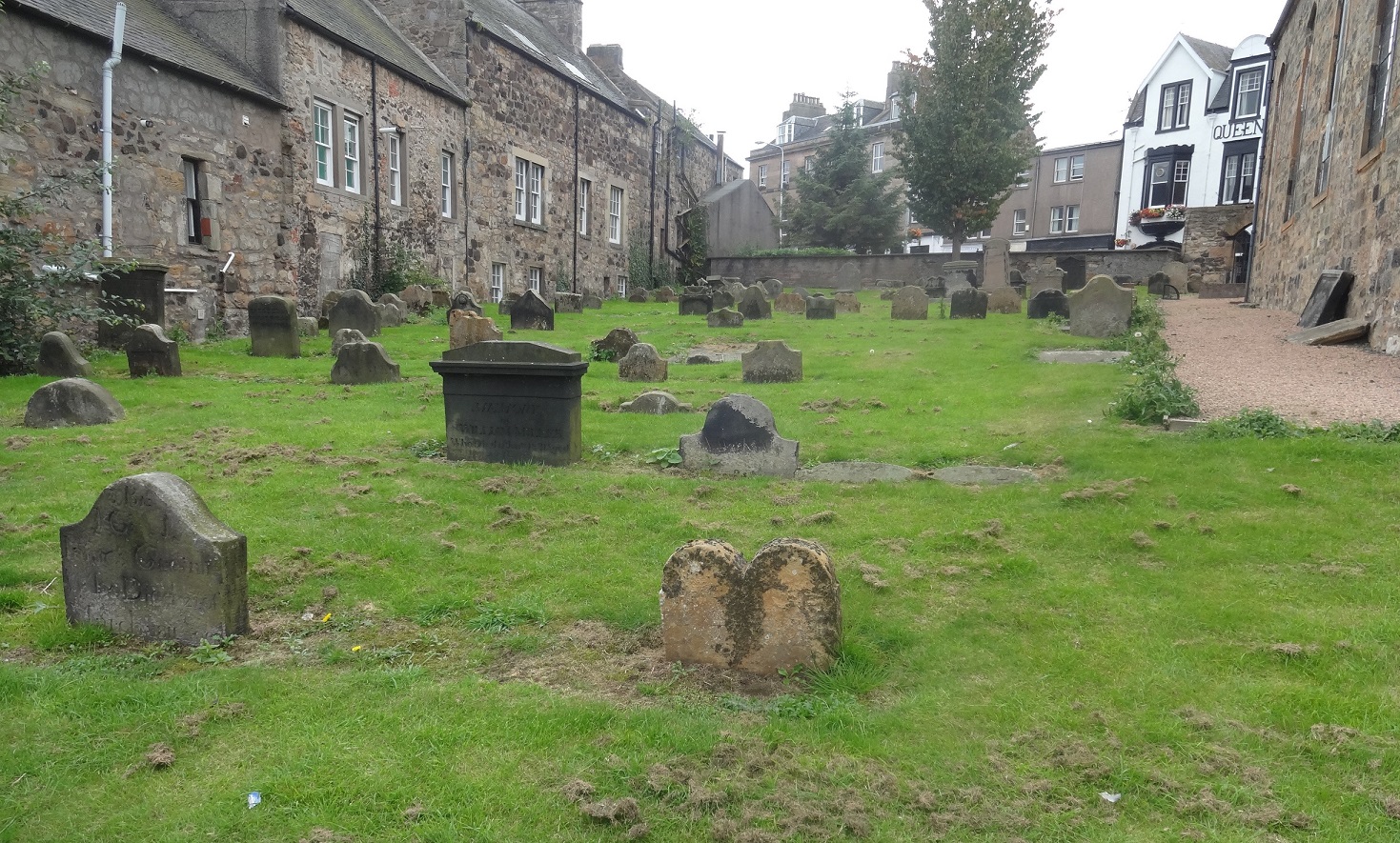
    Churchyard looking towards street

    Churchyard looking towards street

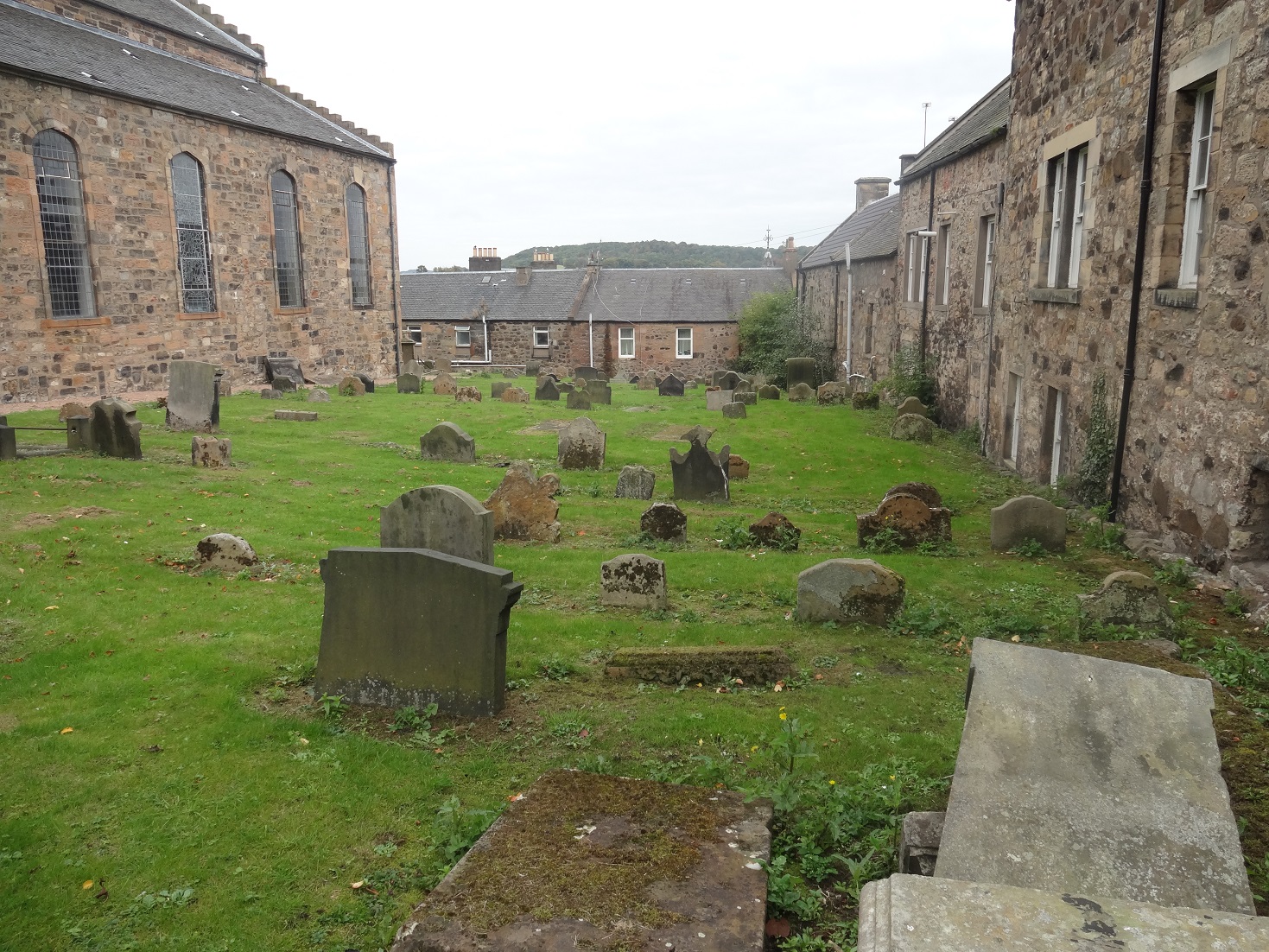
    I walked around the graveyard on a different day.  It is on a bit of a slope and most tombstones were well buried in the soil and many stones are so weathered or damaged as to be unreadable.  Despite the antiquity of the churchyard I saw few tombstones older than 1700 and none I can claim as family despite a few familiar surnames.   Given the length of time family lived in the town there would have to be some family burials there.  It was closed around 1864 and thereafter burials were done at the Hope St Cemetery.

    Street is behind and the back of the Tollbooth is on the right

    Street is behind and the back of the Tollbooth is on the right


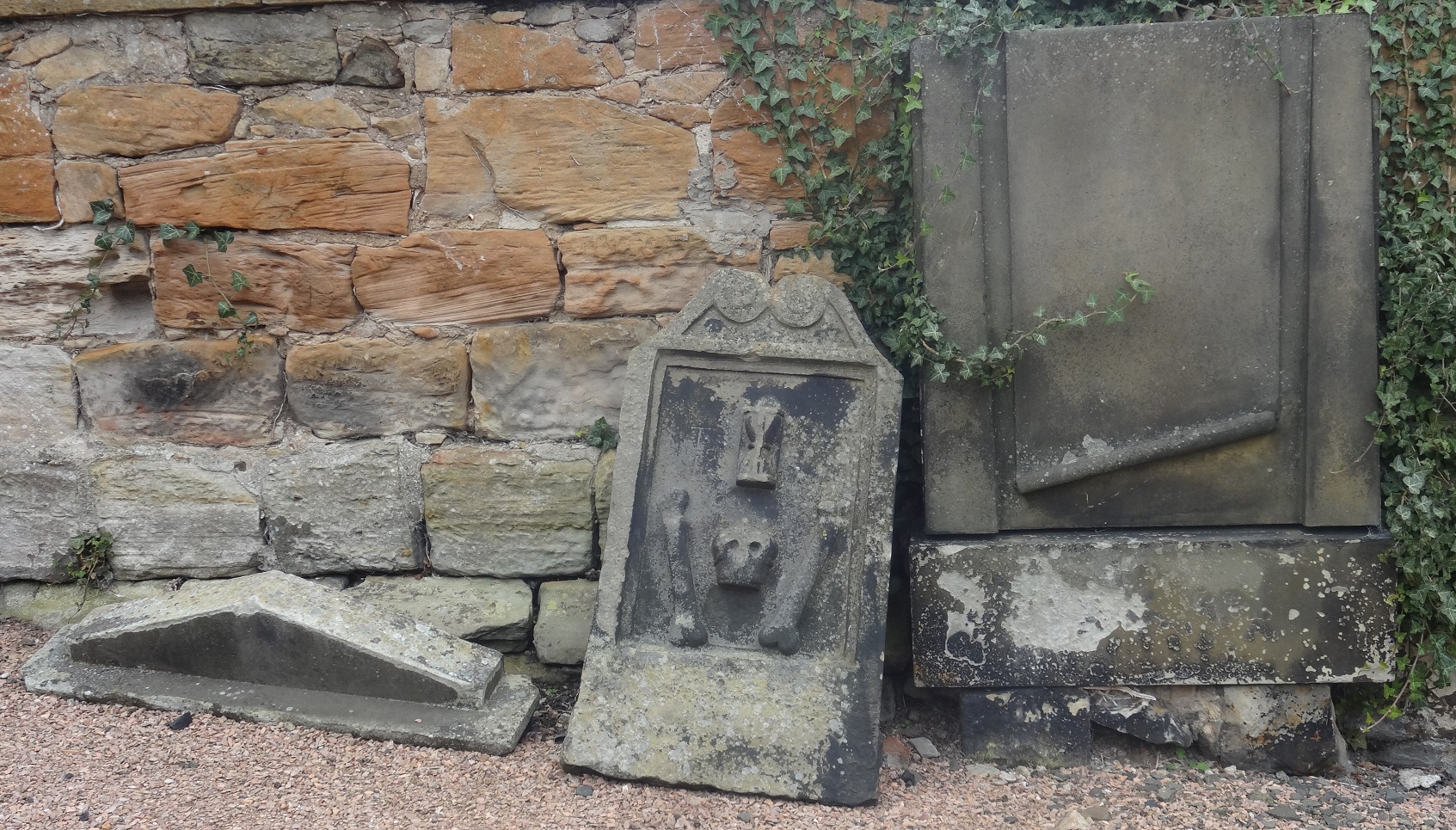
    Broken tombstones

    Broken tombstones


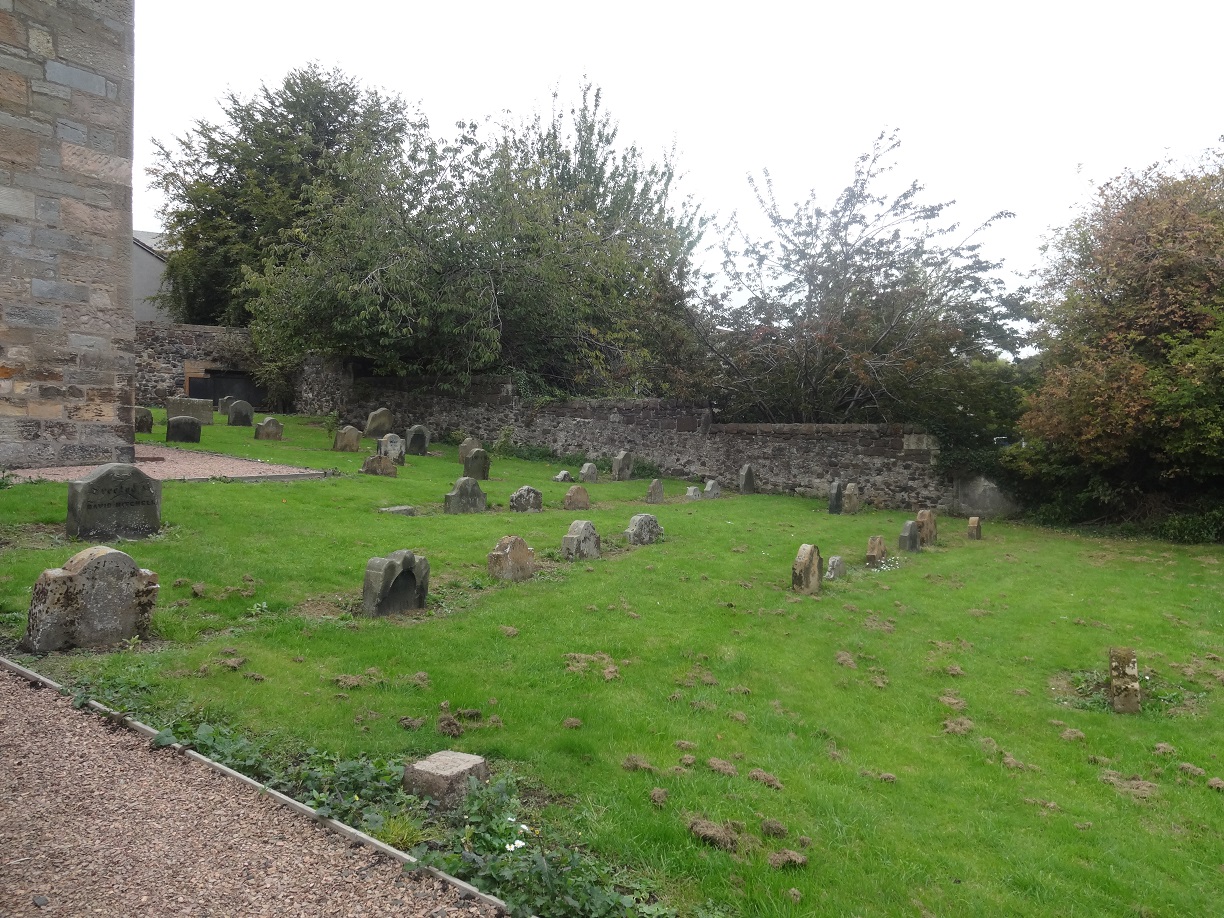
    Churchyard, other side

    Churchyard, other side

    Hope St Cemetery is quite large and on a significant slope so that many of the remaining tombstones have a real forwards lean and some have fallen on their faces making them unreadable.  Back sections of the cemetery are under a thicket of vegetation to the extent that in some places it is hard to know if there are graves beneath whereas in others they were clearly seen hiding among the foliage. I was also told that vandals had attacked the graveyard some years previously doing considerable damage.  Despite walking the entire cemetery and reading every visible tombstone the only family graves I found were those of a 2 times great uncle with his wife and another for their son.   I knew they were there as someone had photographed  and put them onto an online photographic grave site.  The grandparents of the youngest burial, and my direct ancestors, were buried there and I have no doubt would have had some kind of tombstone/monument but it was not evident.

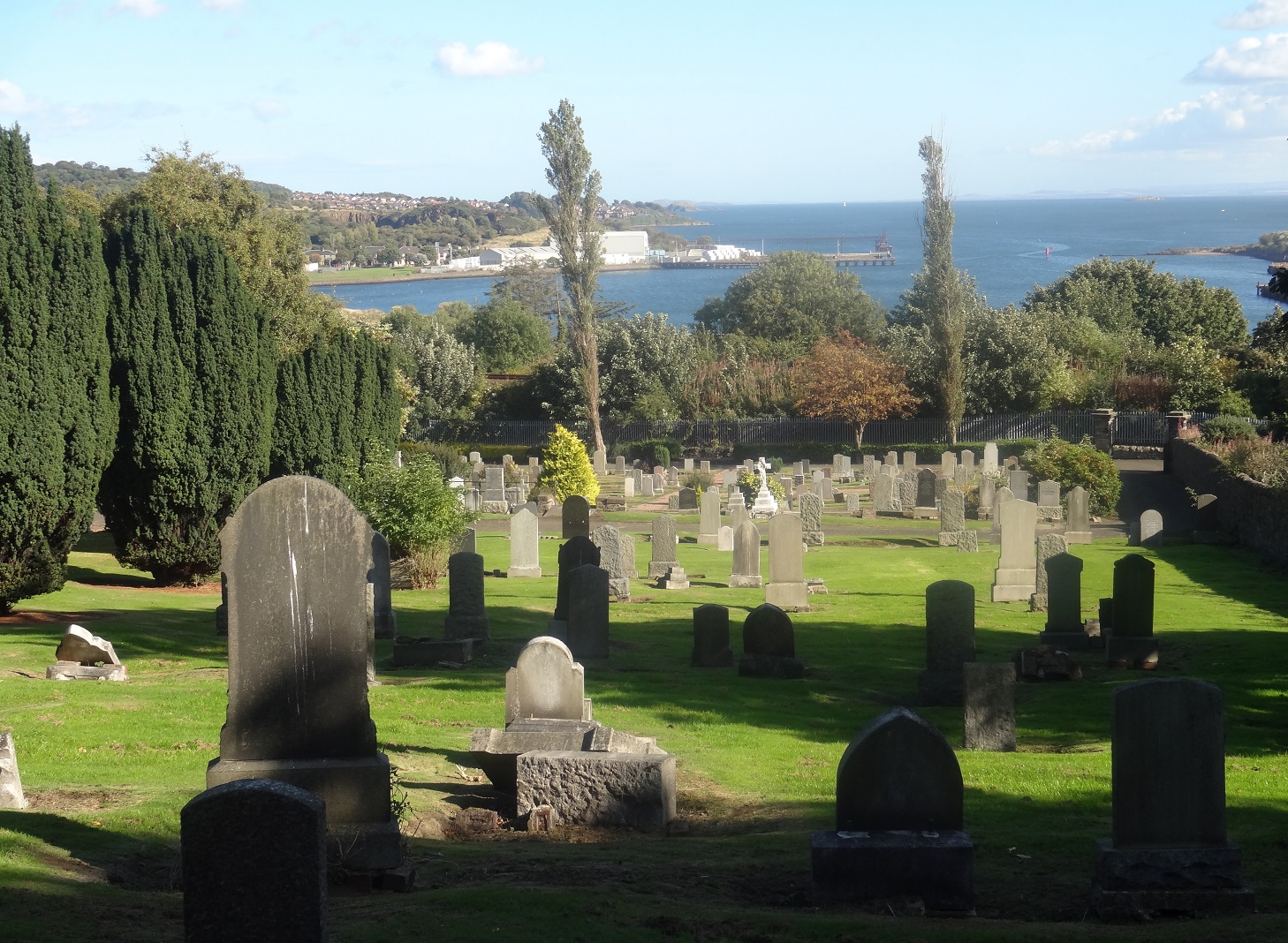
    Cemetery from about half or two thirds down looking toward left hand side of the harbour

    Cemetery from about half or two thirds down looking toward left hand side of the harbour

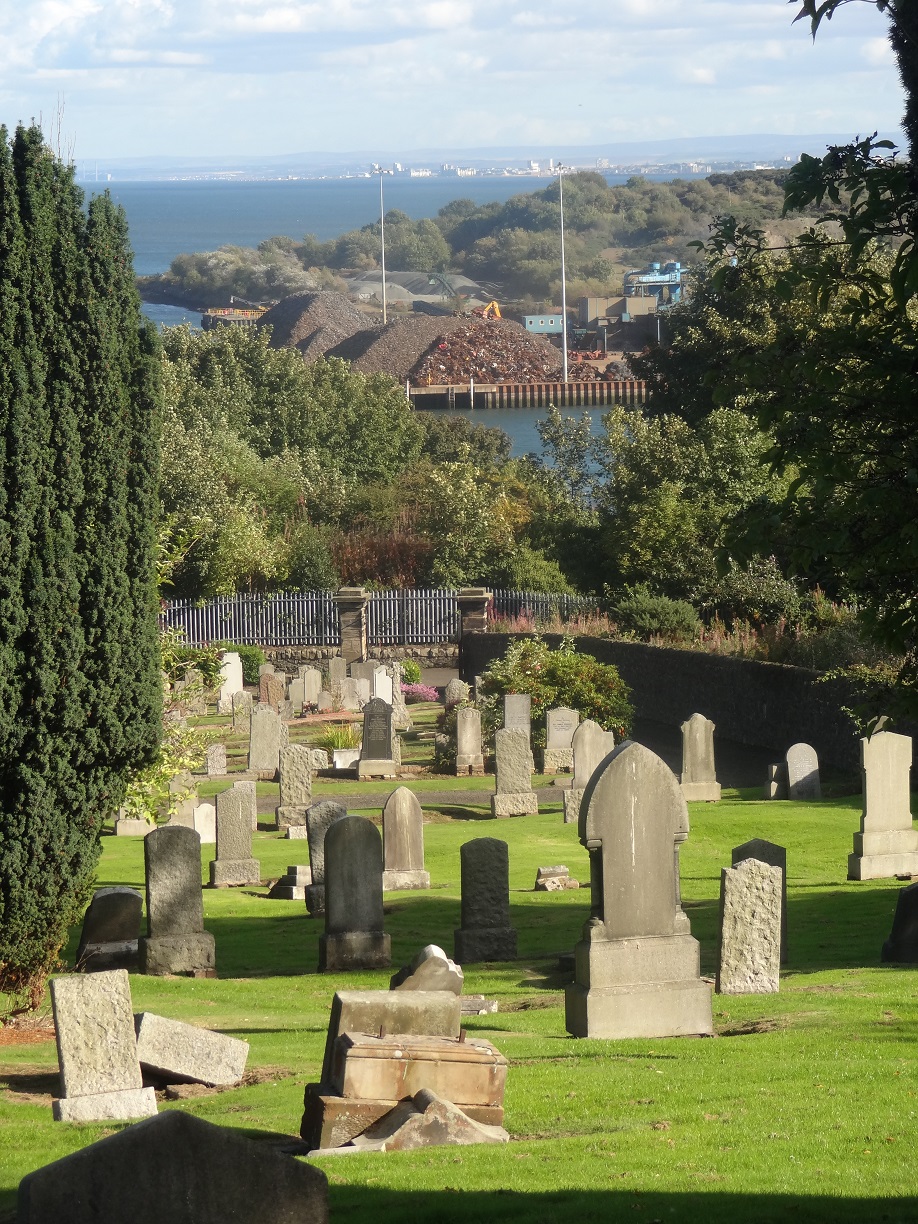
    Cemetery looking towards right hand side of harbour with scrap metal recycler clearly visible

    Cemetery looking towards right hand side of harbour with scrap metal recycler clearly visible

    Family History, Inverkeithing

    • <
    • 1
    • …
    • 7
    • 8
    • 9
    • 10
    • 11
    • …
    • 31
    • >

© Copyright Kerry's Blog. All rights reserved.