The Gloucester docks were the heart of commerce in the early 19th century with the import and transshipment of goods, especially grains and timber. Numerous buildings and warehouses remain.
The photos taken around the docks area were taken on a couple of different days and at different times of the day. Daylight saving had just finished and twilight arrived very early as seen in the photo below.
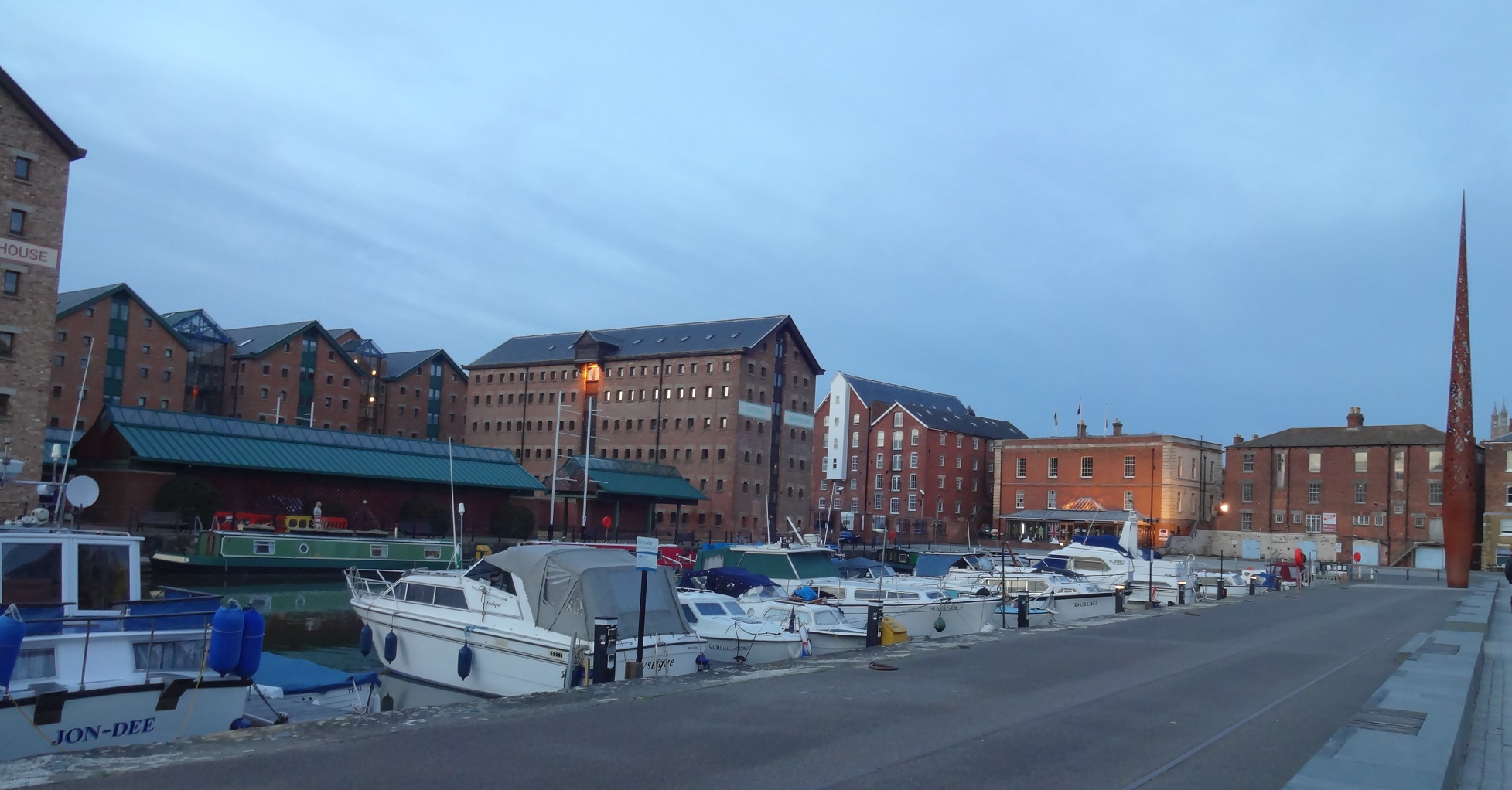
This is the first section of dock just off Southgate St
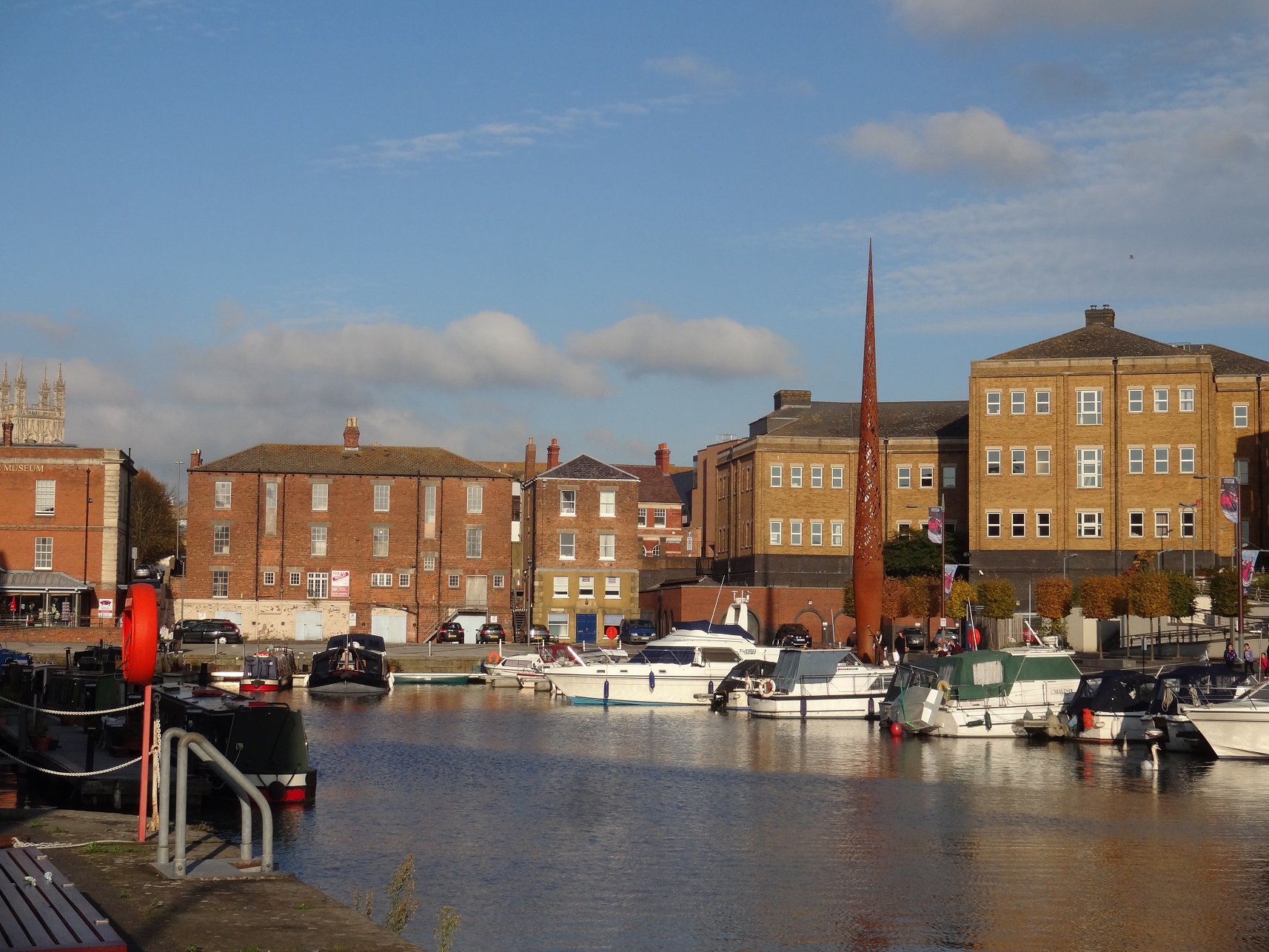
Looking back across a dock towards the first photo
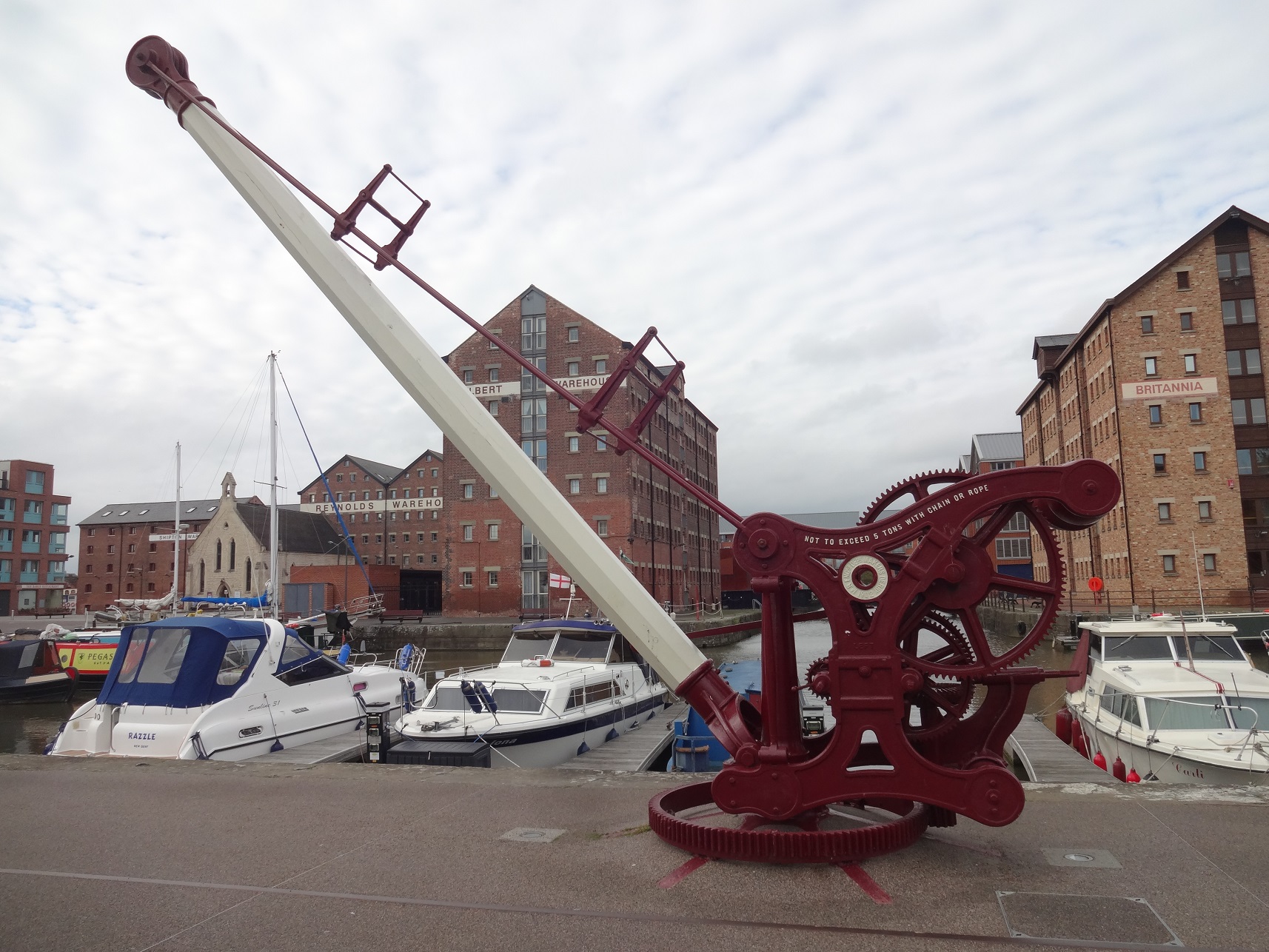
Crane used for loading and unloading vessels in previous times. Warehouses are in the background.
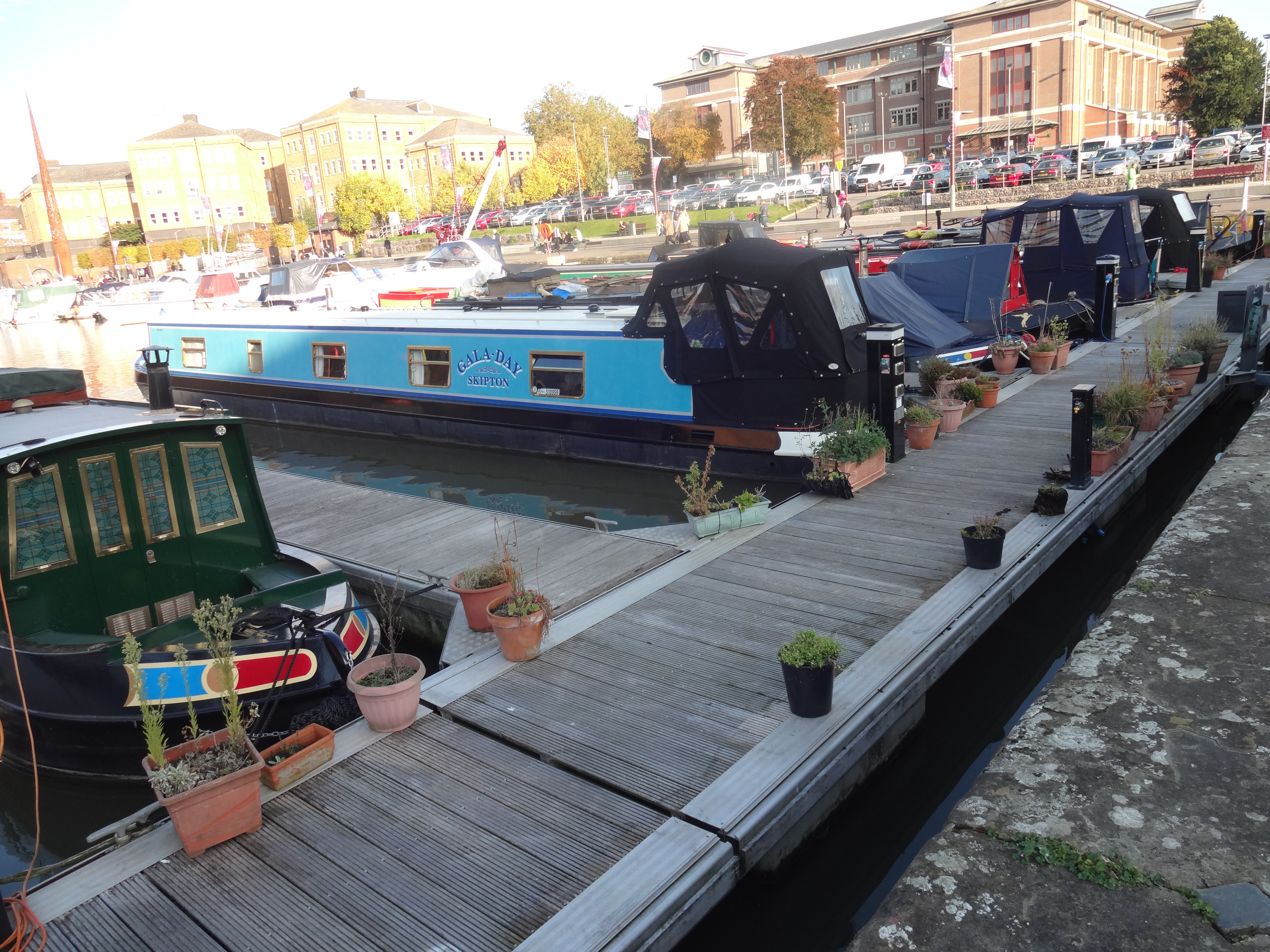
View back to Southgate St from another position and showing some of the narrow boats moored. The pot plants give them an air of permanency.
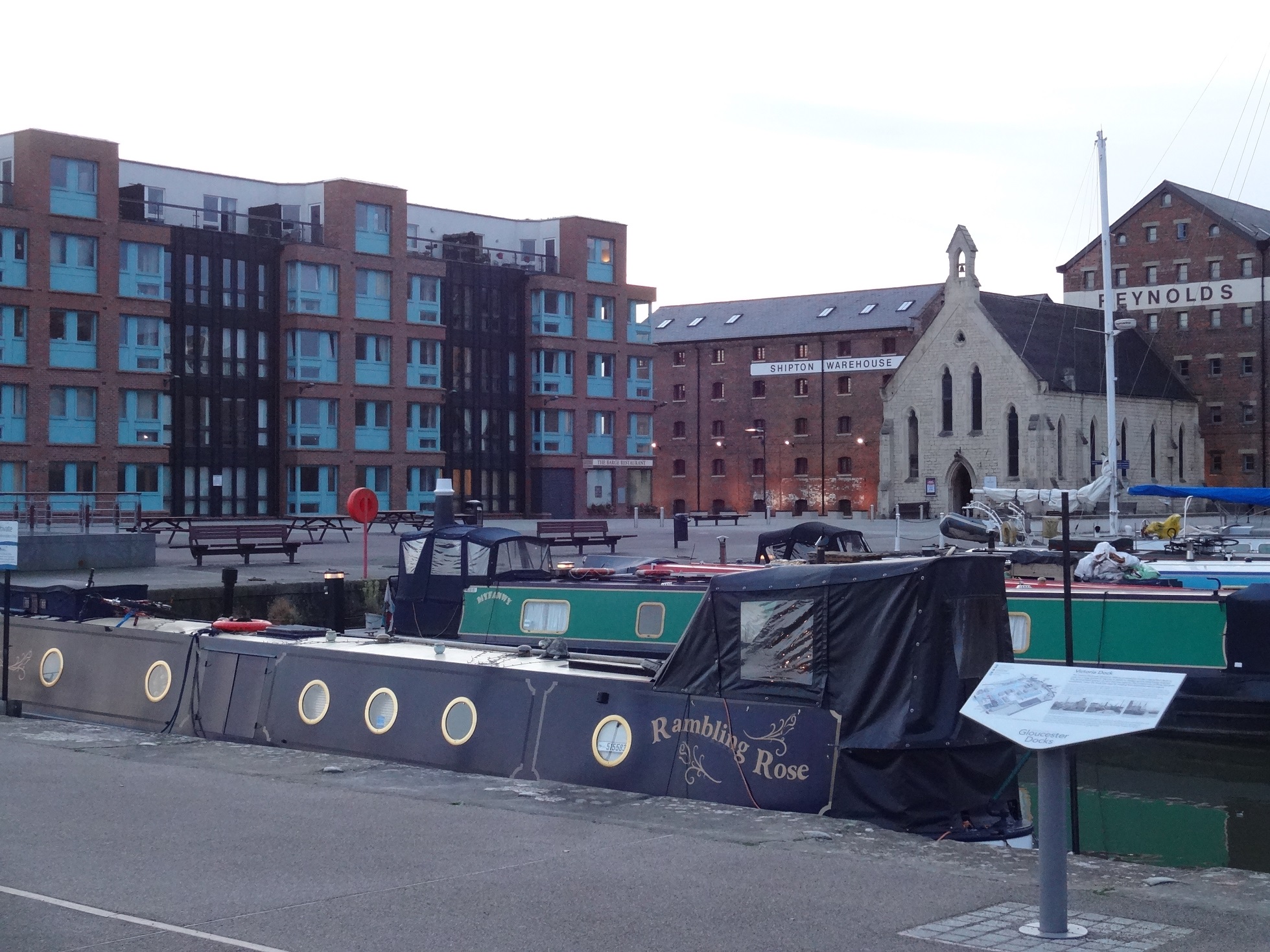
More narrow boats, warehouses, modern housing and the mariners church.
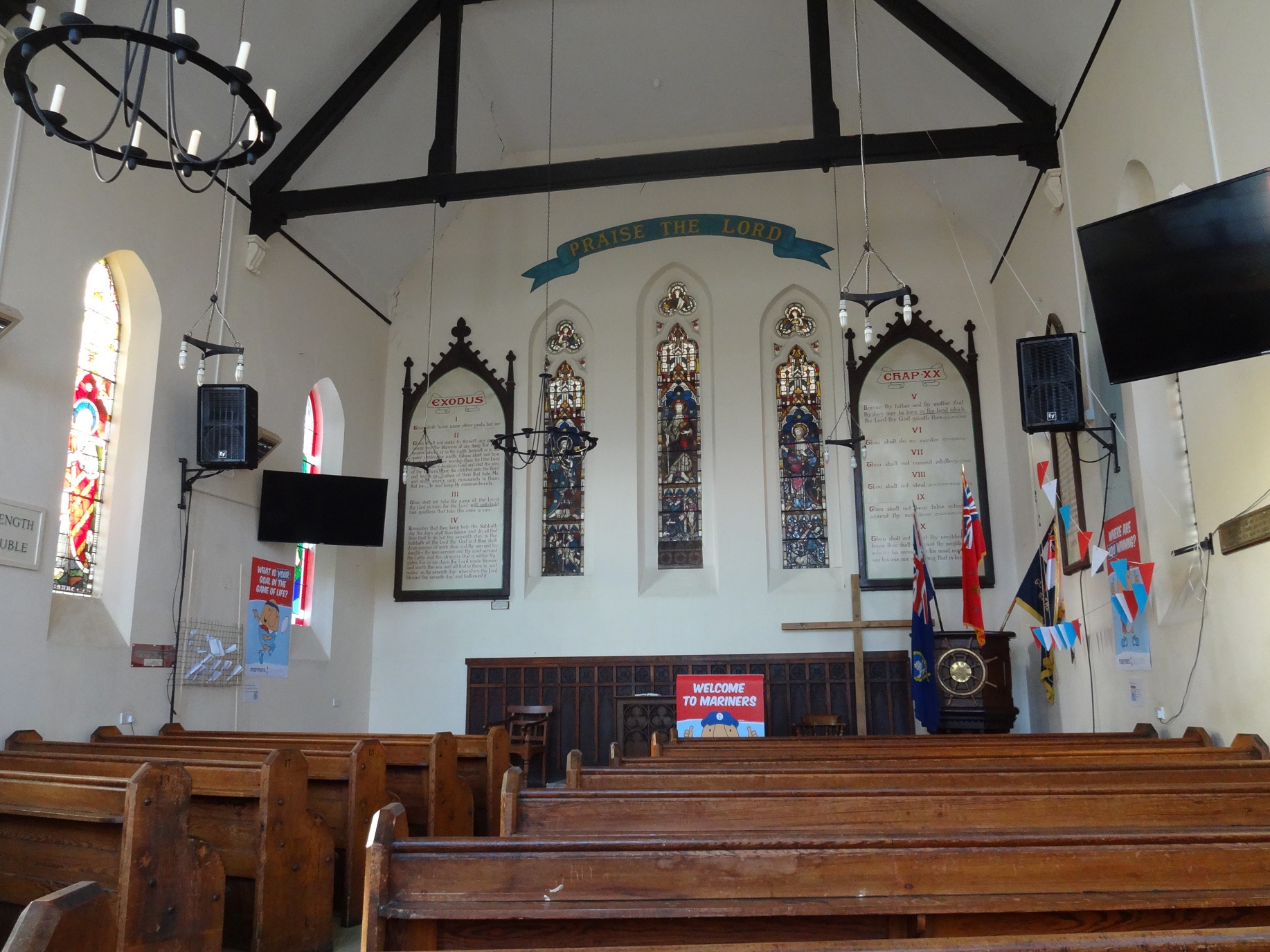
Inside the church
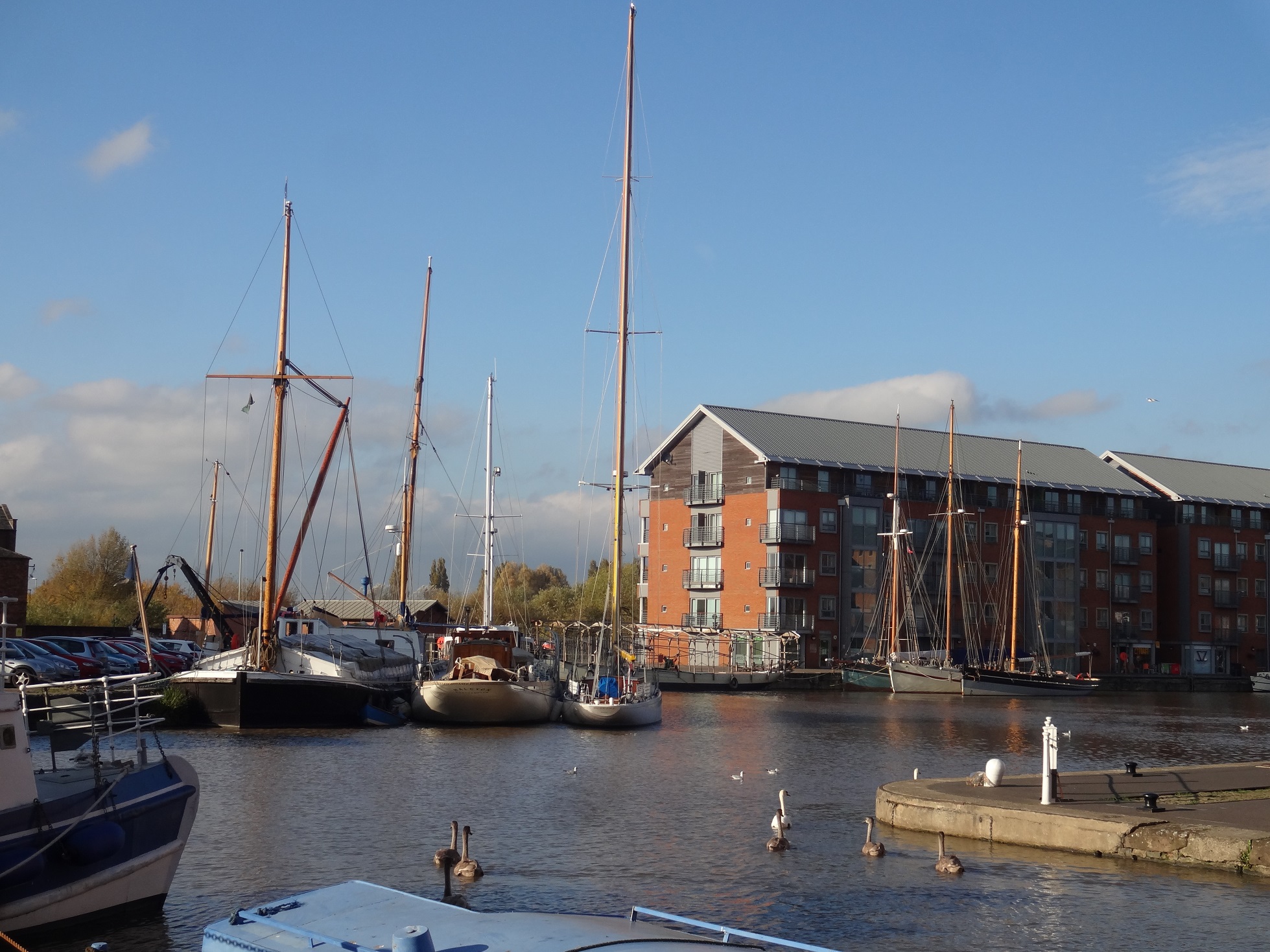
Moored yachts
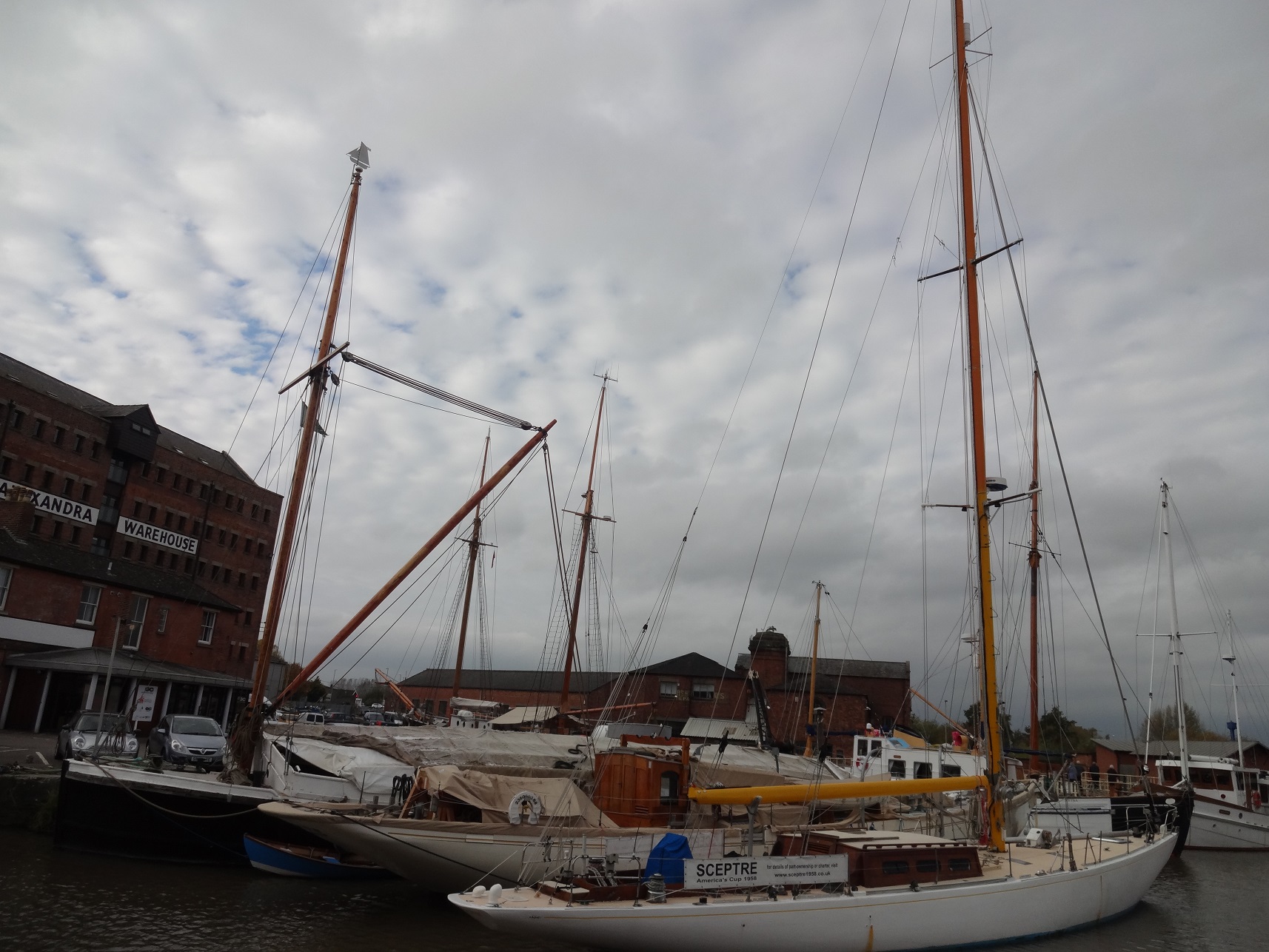
A yacht refurbishment business remains
I went for a walk down the canal and encountered the remains of Llanthony Secunda Priory. It was founded as a retreat for monks from nearby Wales in 1136 and grew significantly until lost to the church by the Dissolution of the Monasteries and later was significantly damaged during the Siege of Gloucester in 1643 during the Civil War. I could have walked down to the priory grounds and had a wander around but didn’t feel up to it.
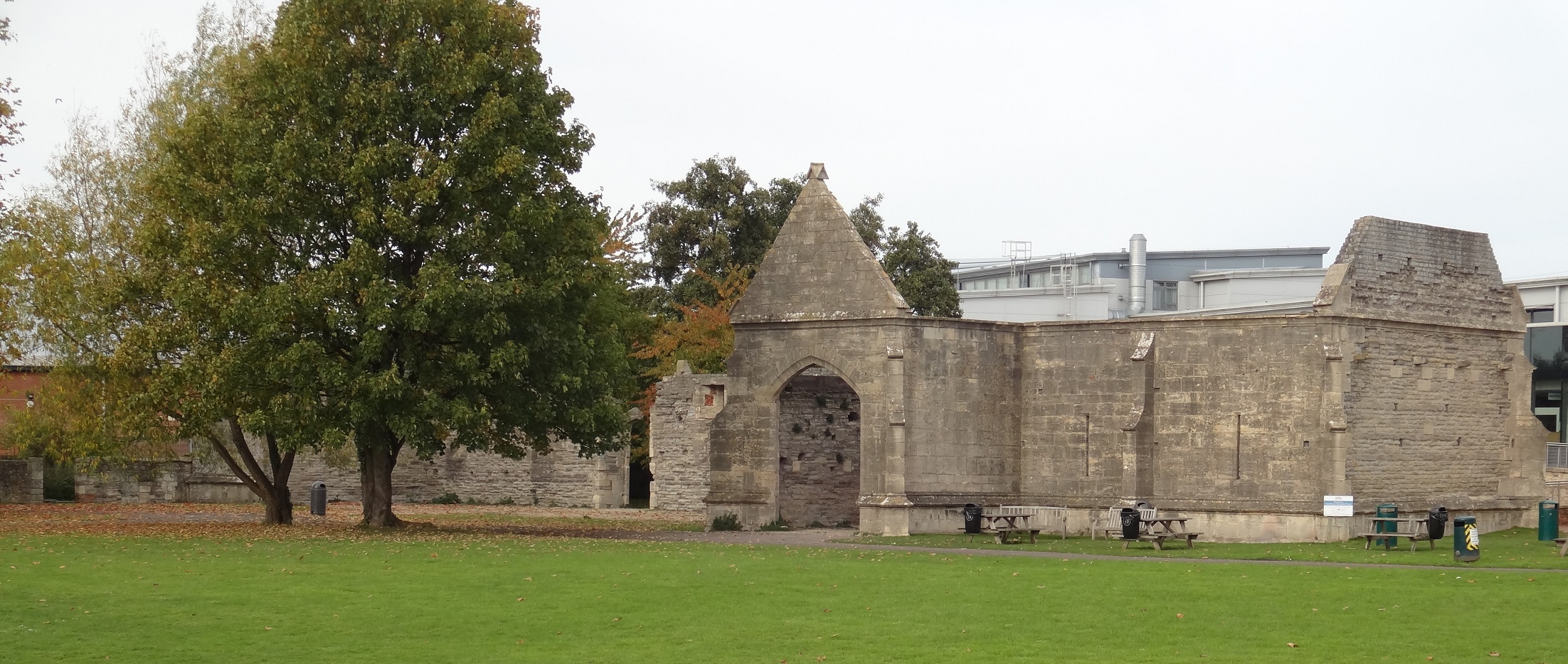
Some of the damaged buildings
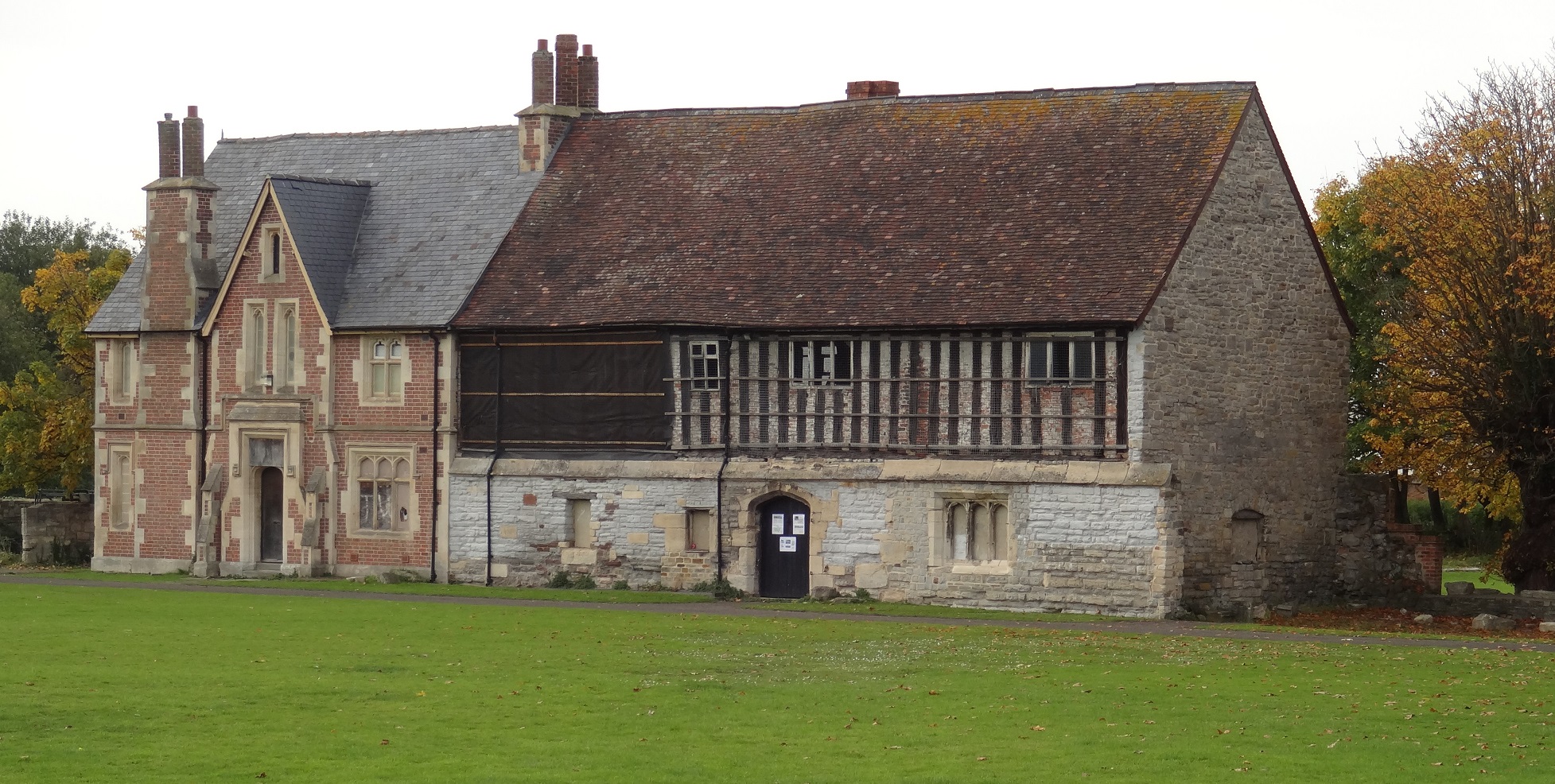
Rather impressive looking buildings which survived the siege
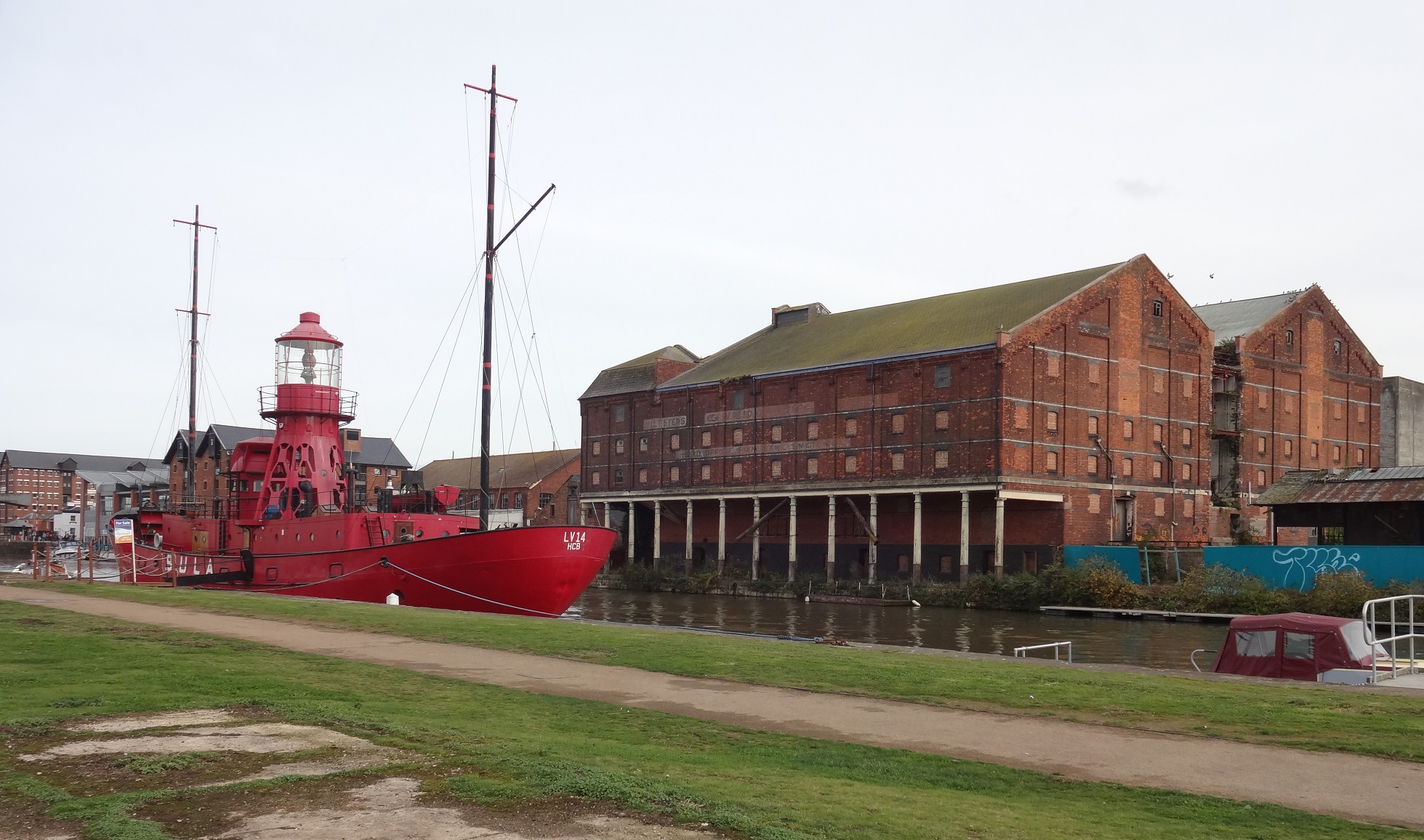
A former lighthouse ship moored in the canal and empty warehouses on the other side of the canal
There is a large factory outlet type commercial building very far to the right of the above buildings. I went over and had a wander around and while I did do some shopping I find such large shopping centers pretty hard work these days.
A couple of days later I returned for a boat trip on the canal as the boat was unavailable on my first visit.
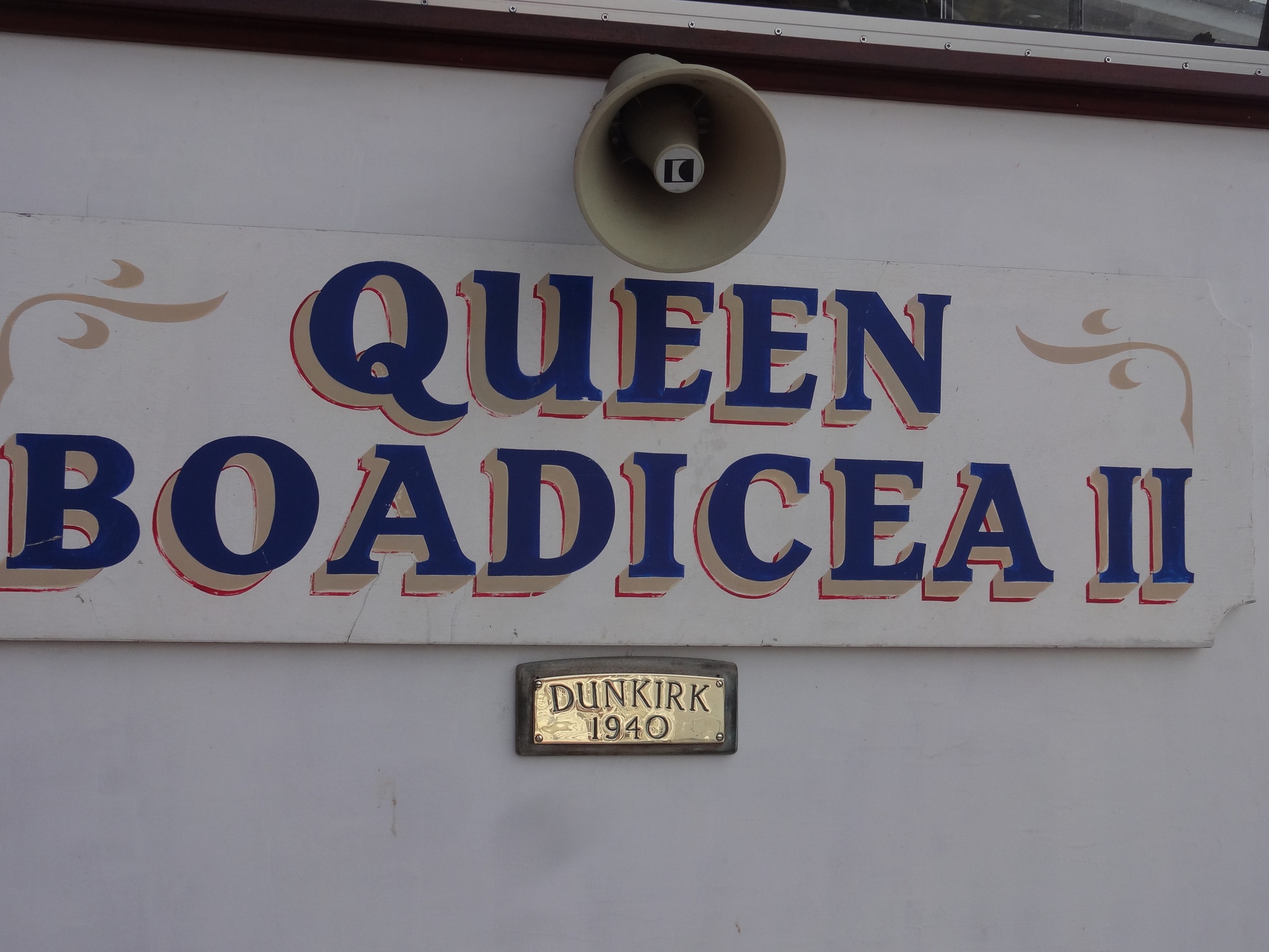
This is the boat used for the canal trip. It was one of the small boats used to rescue soldiers during the evacuation from Dunkirk in 1940.
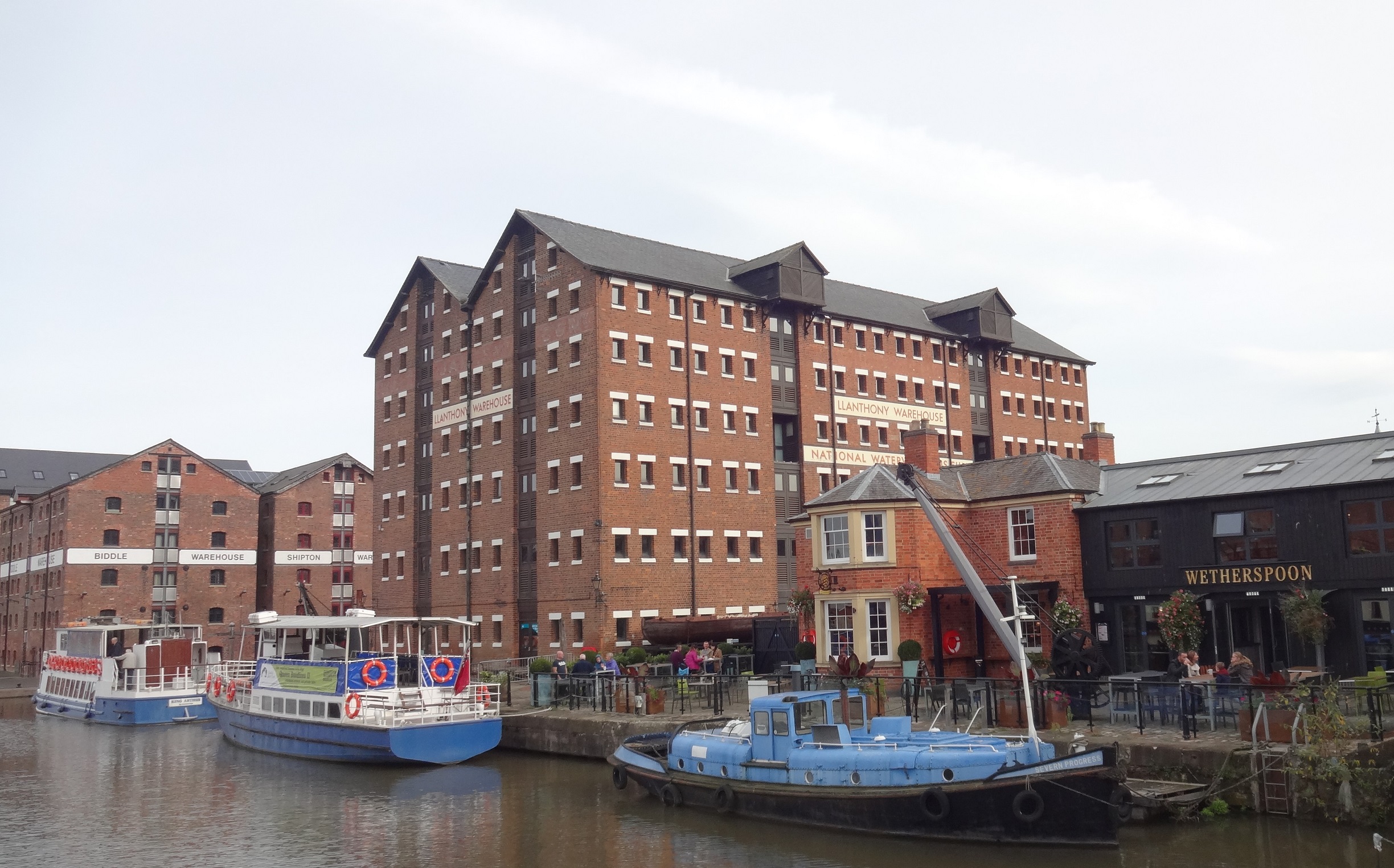
The middle boat is the tour boat and the Waterways Museum which runs the tours is in the converted warehouse immediately behind it. Red tartan blankets to keep us warm were provided on the boat. A few people used them but they were not necessary.
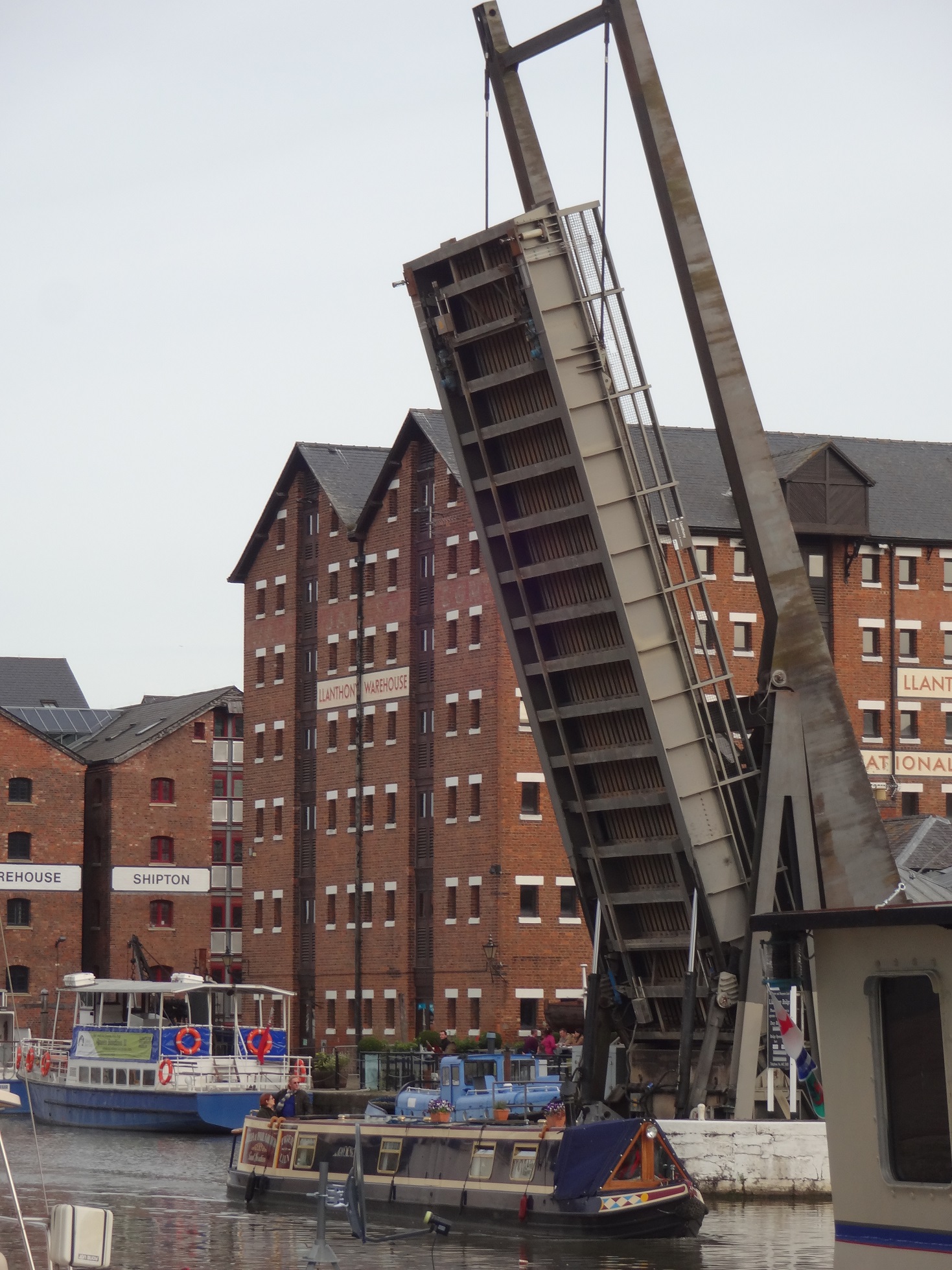
Bridge raised for a passing narrow boat. Museum and Queen Boadicea 11 behind.
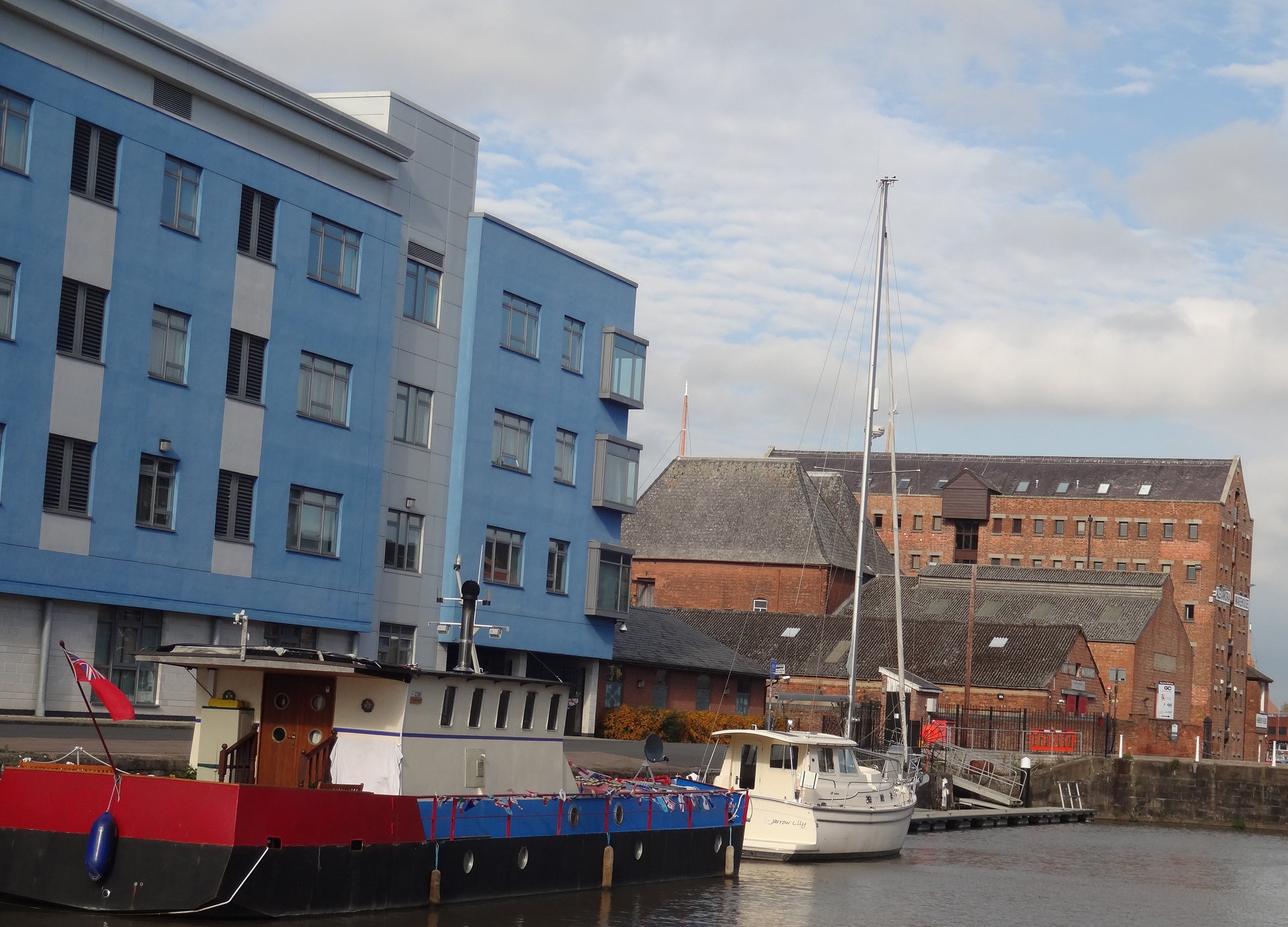
Old and new buildings and moored vessels
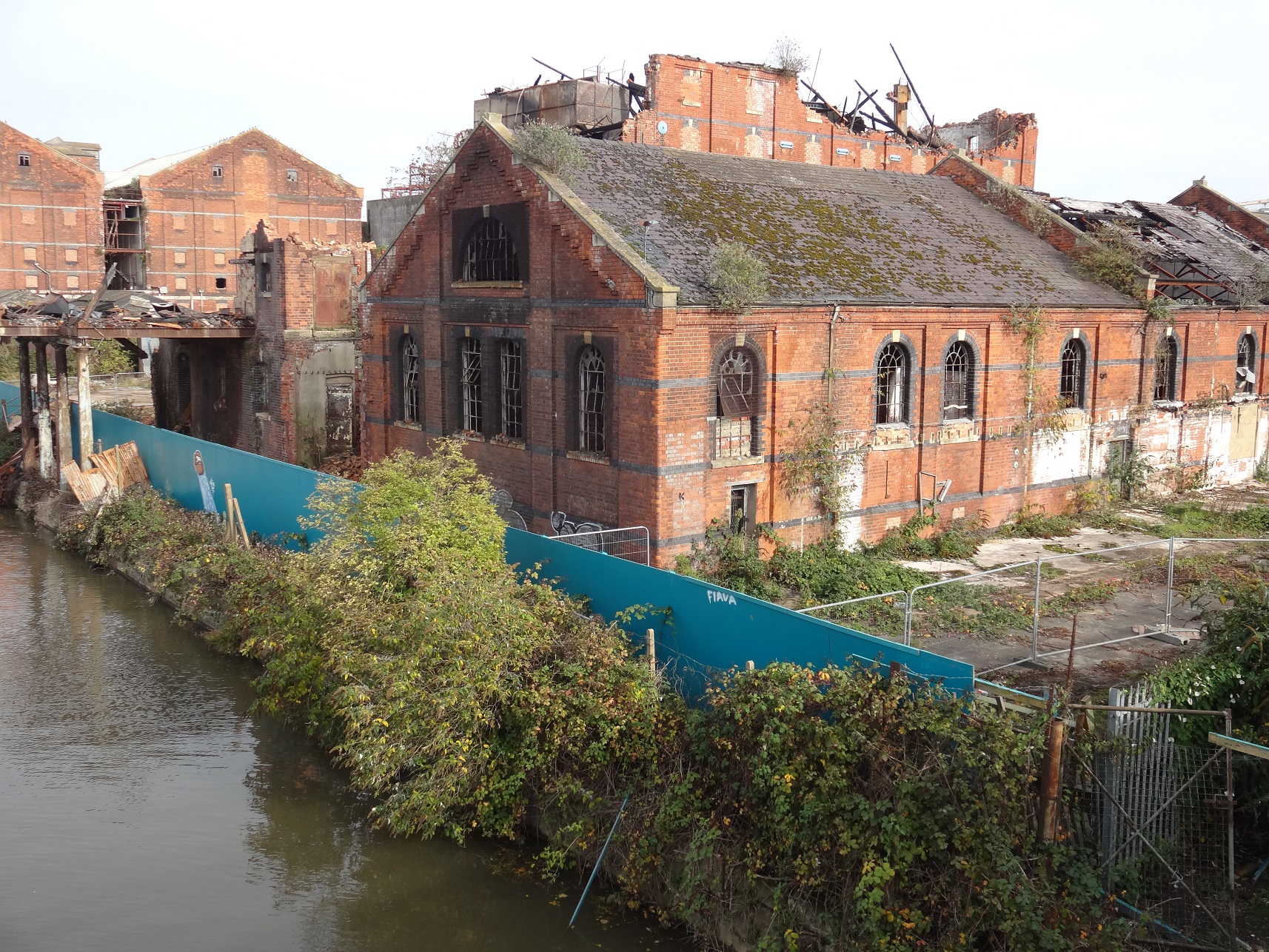
Old warehouse was burnt a couple of weeks before my visit
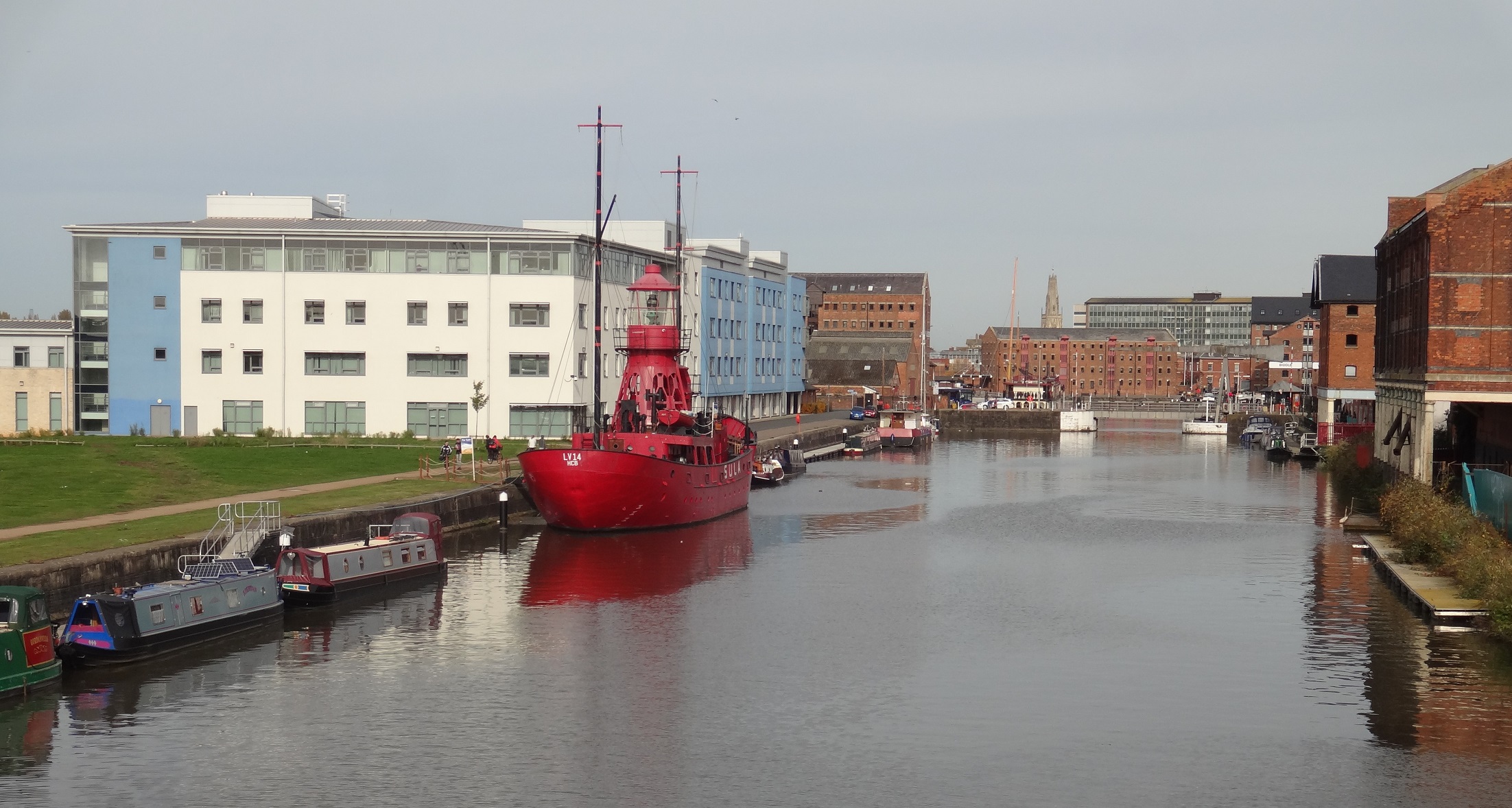
Heading down the canal from the main docks area
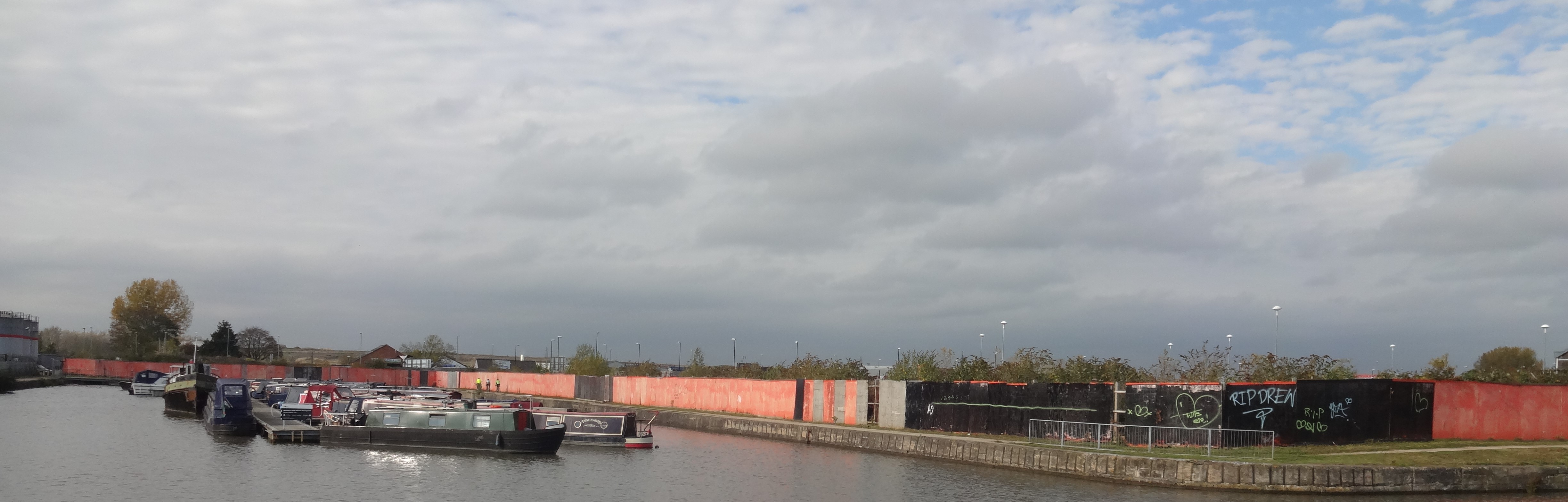
An arm of the canal containing moored narrow boats
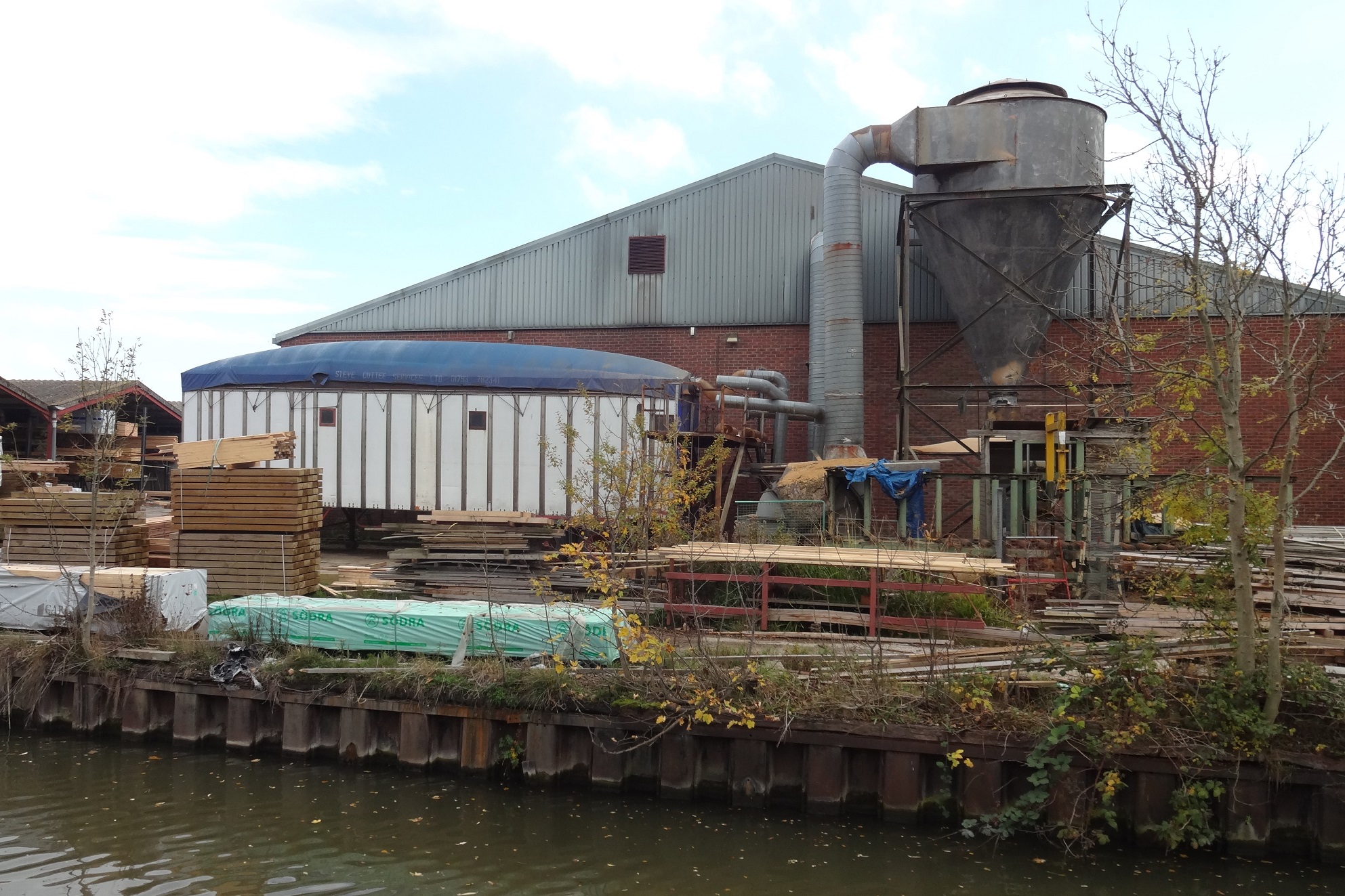
One of the many timber yards still beside the canal. The white and blue structure contains wood shavings from the timber business.
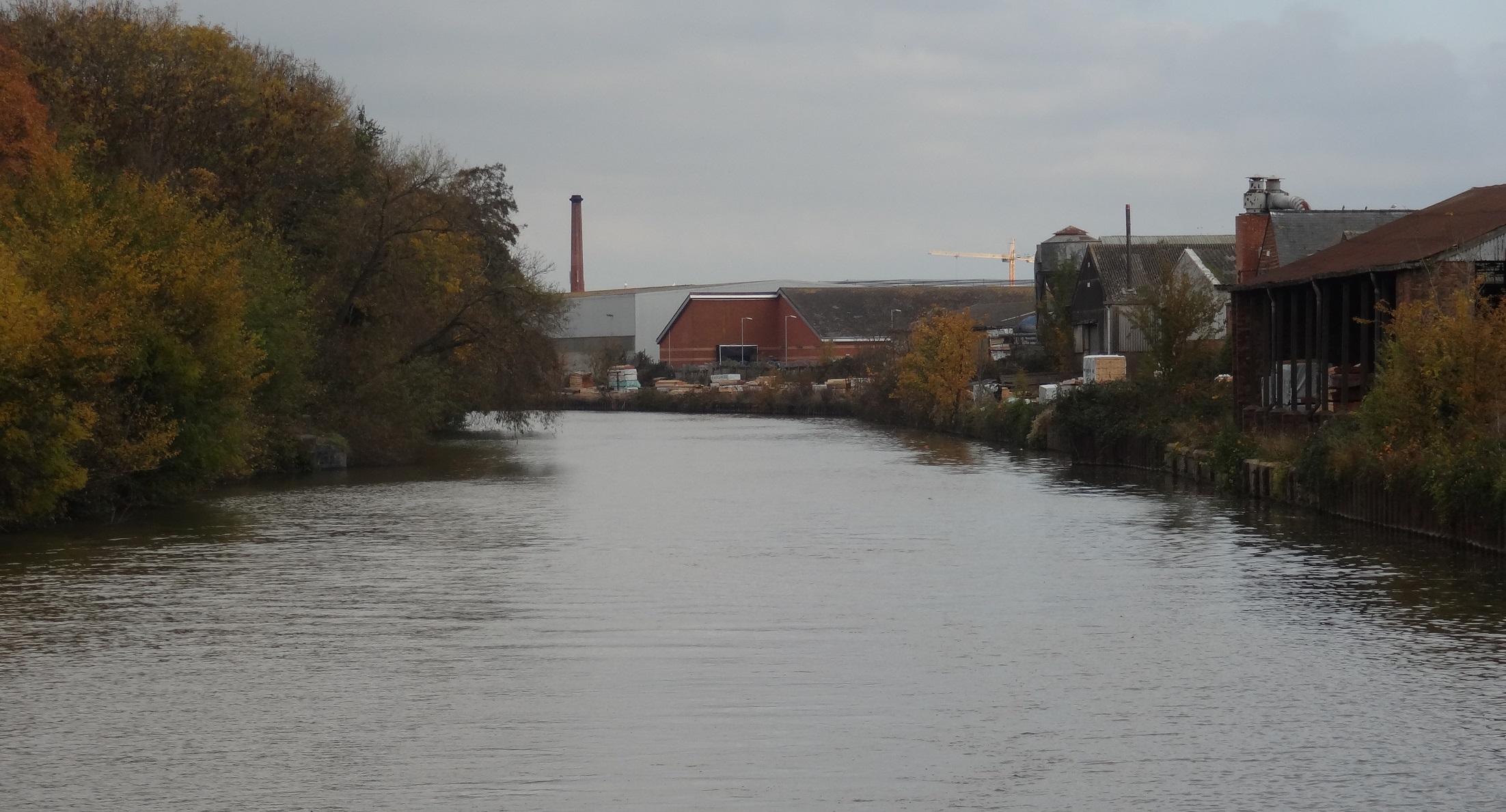
Looking back down the canal
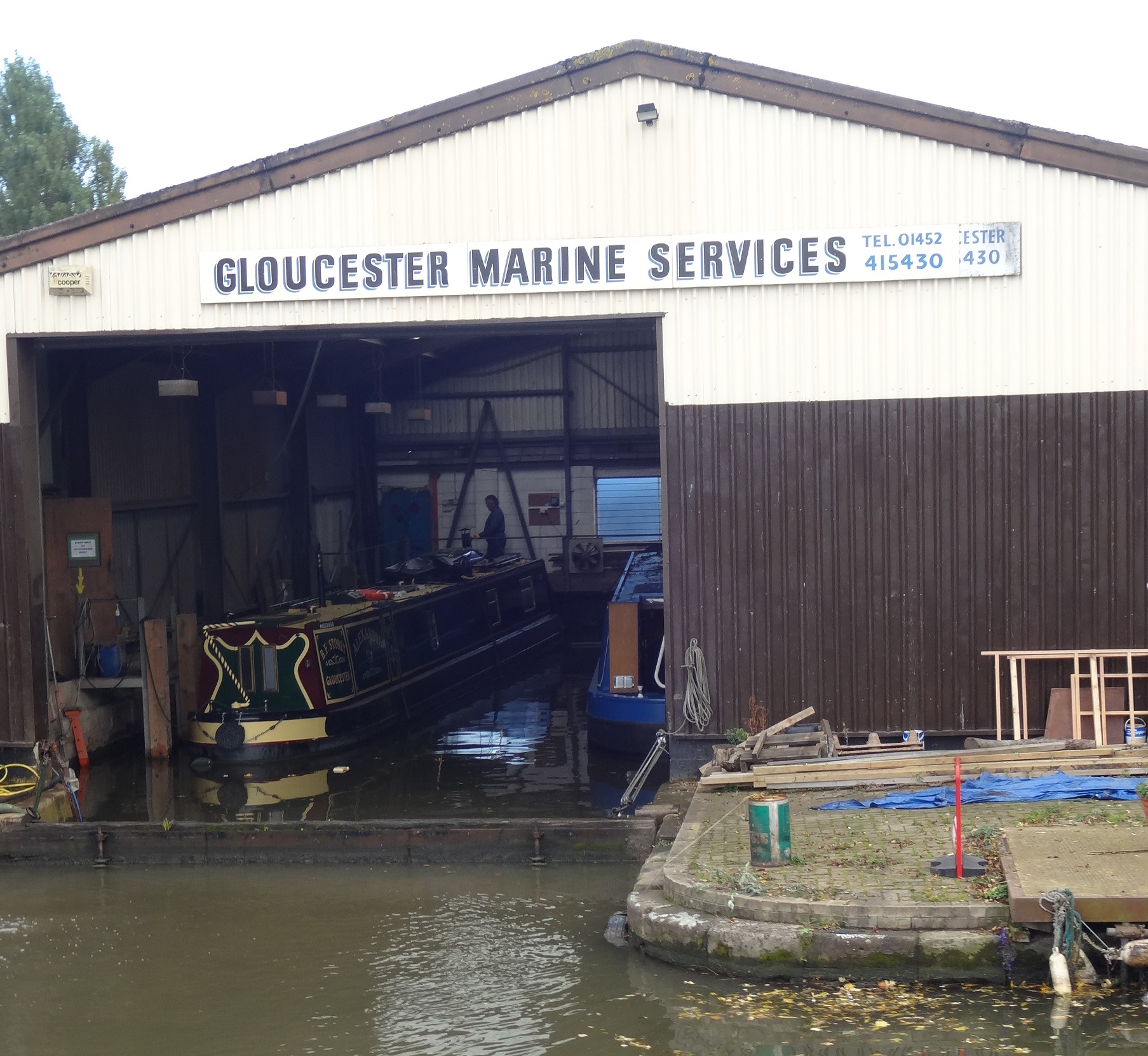
Marine business which had two narrow boats within its wet dock
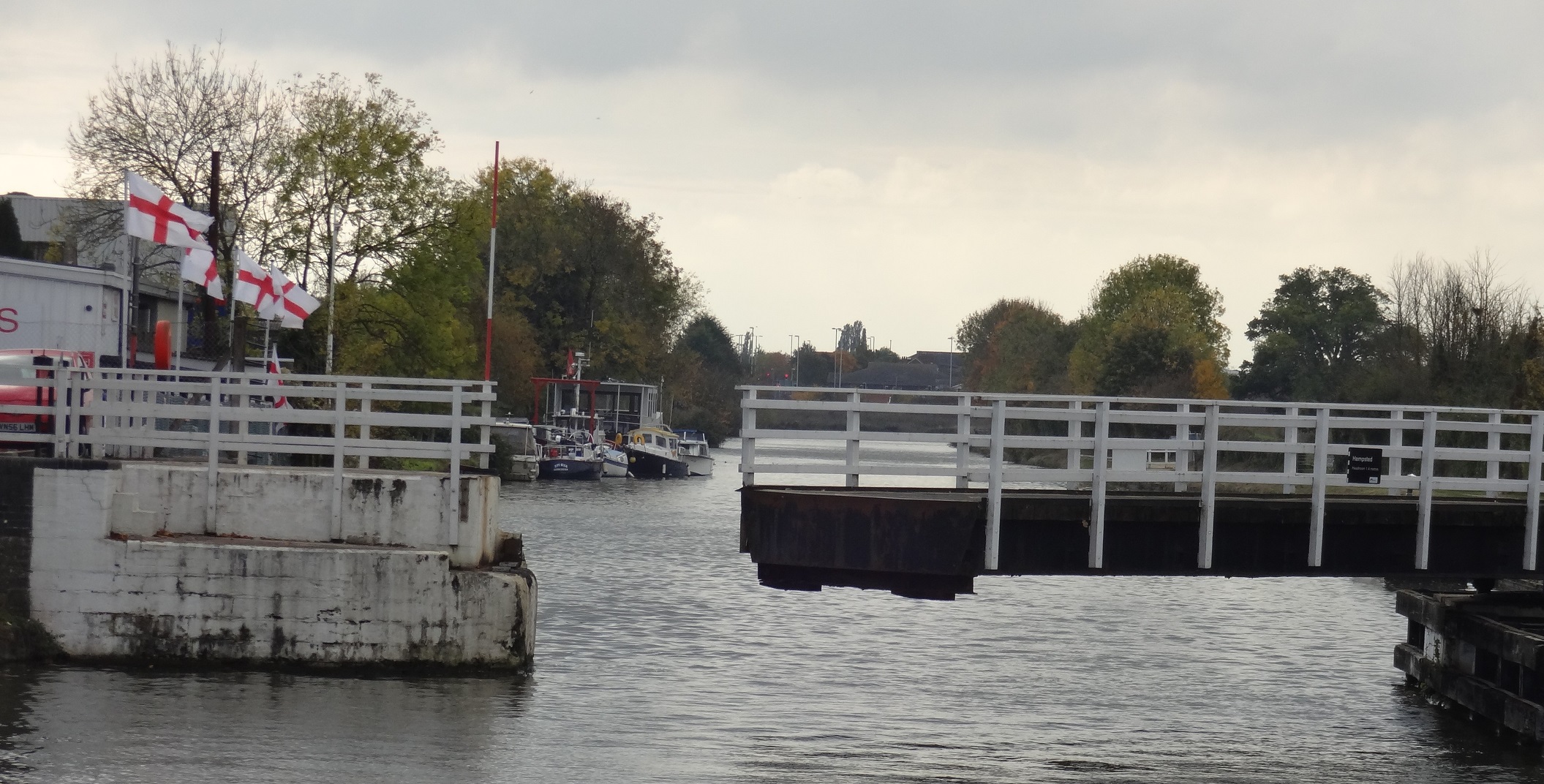
A swing bridge closing behind us
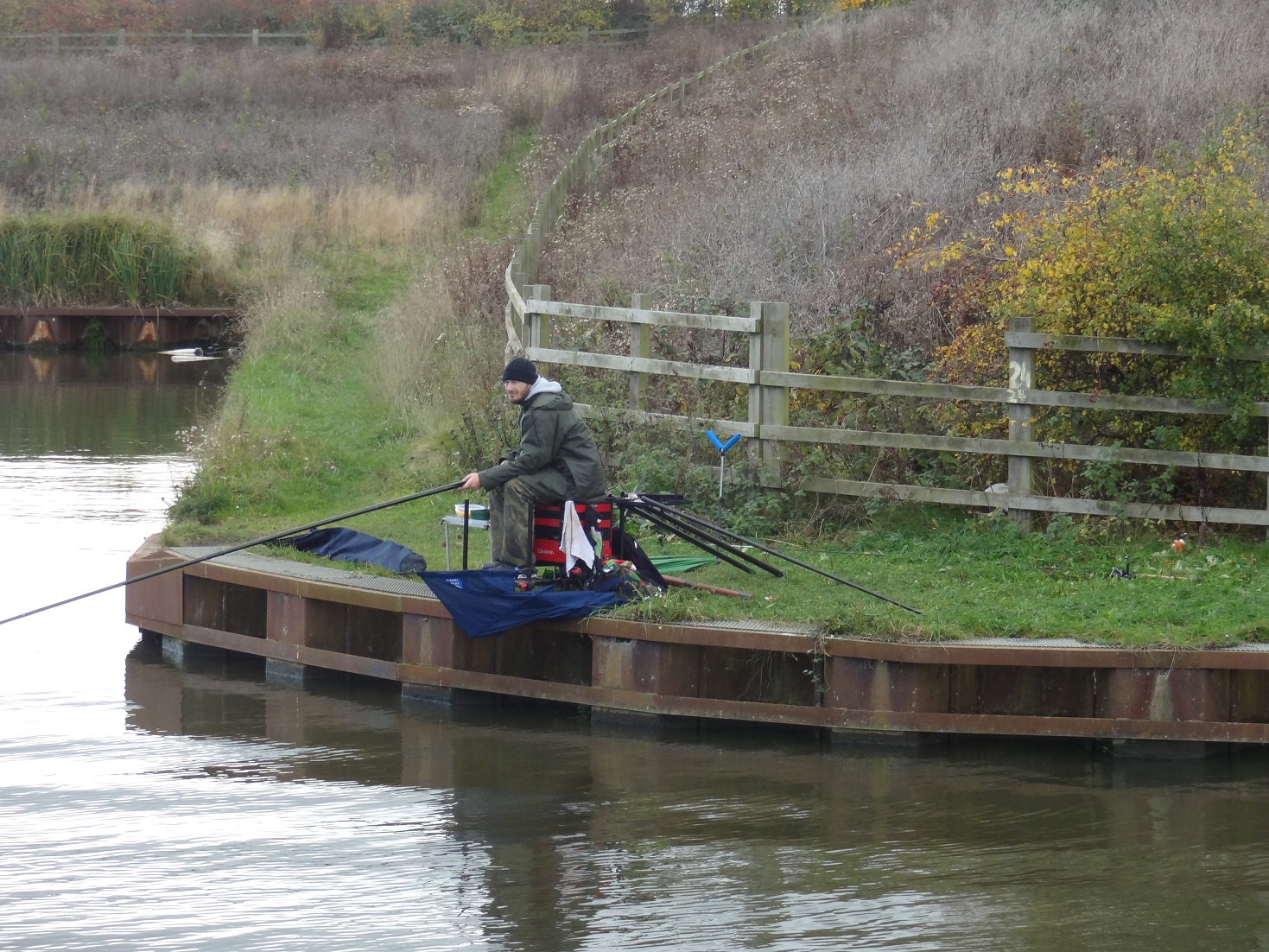
A fisherman at the turnaround point of the trip. Another one had started to set up just before that point.
The boat trip was not very long which was rather disappointing. The boat returned to dock and I visited the Waterways Museum, a converted grain storage warehouse. My back was not very happy so I didn’t take in a great deal of what I saw and read. It had several vessels and a small train outside the building. The narrow boat was open for inspection so I looked inside it.
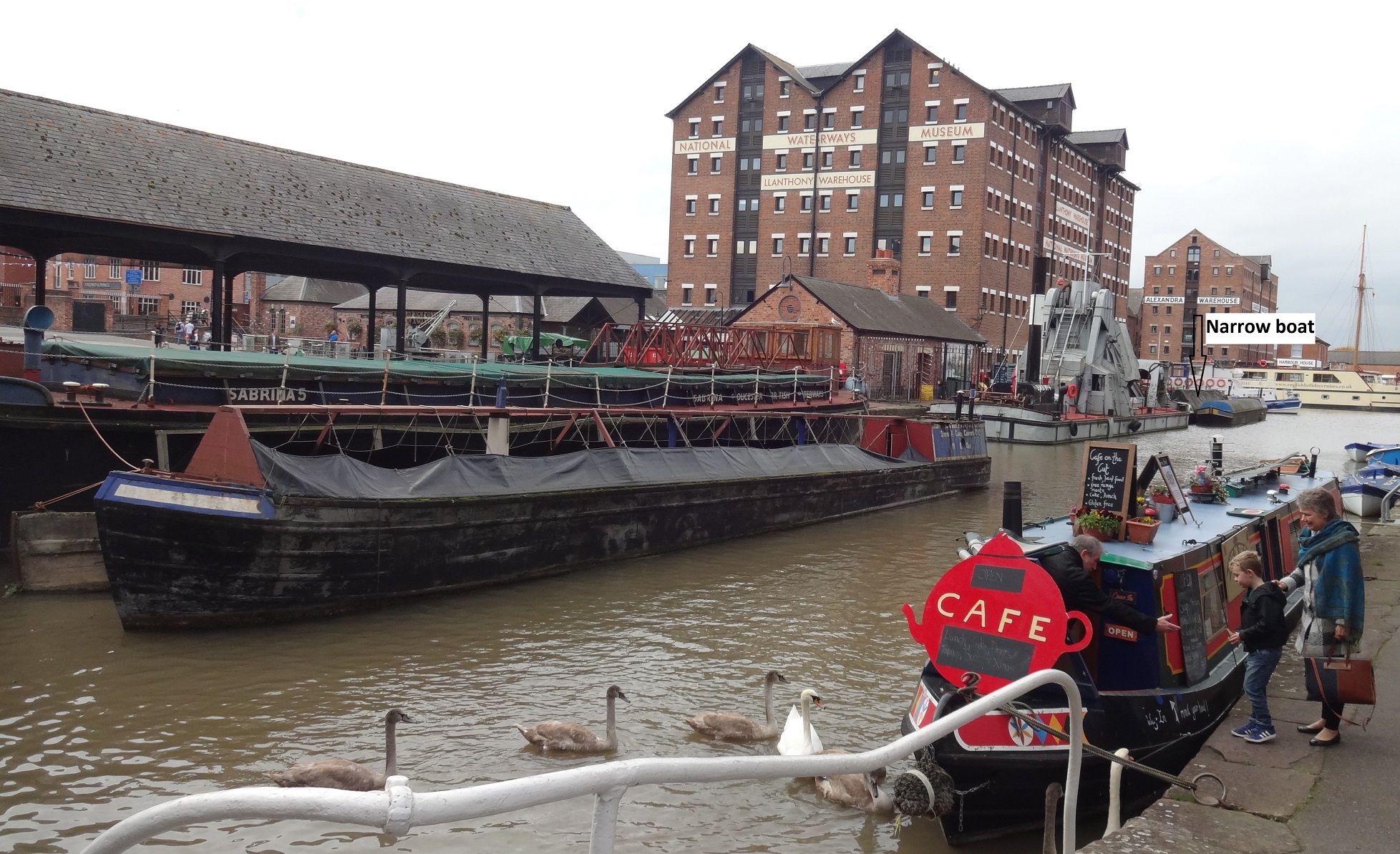
The tall building is the museum and a sign in white points to a narrow boat moored beside it which was open for inspection. It’s virtually impossible to see to see the boat in the photo but it was similar to the Cafe boat although the Cafe boat has a wooden upper structure.
The swans and cygnets loitering beside the Cafe above were everywhere. It didn’t seem to matter which section of the docks or canal I was at, they were there too. The family comprised 2 adults and 7 youngsters.
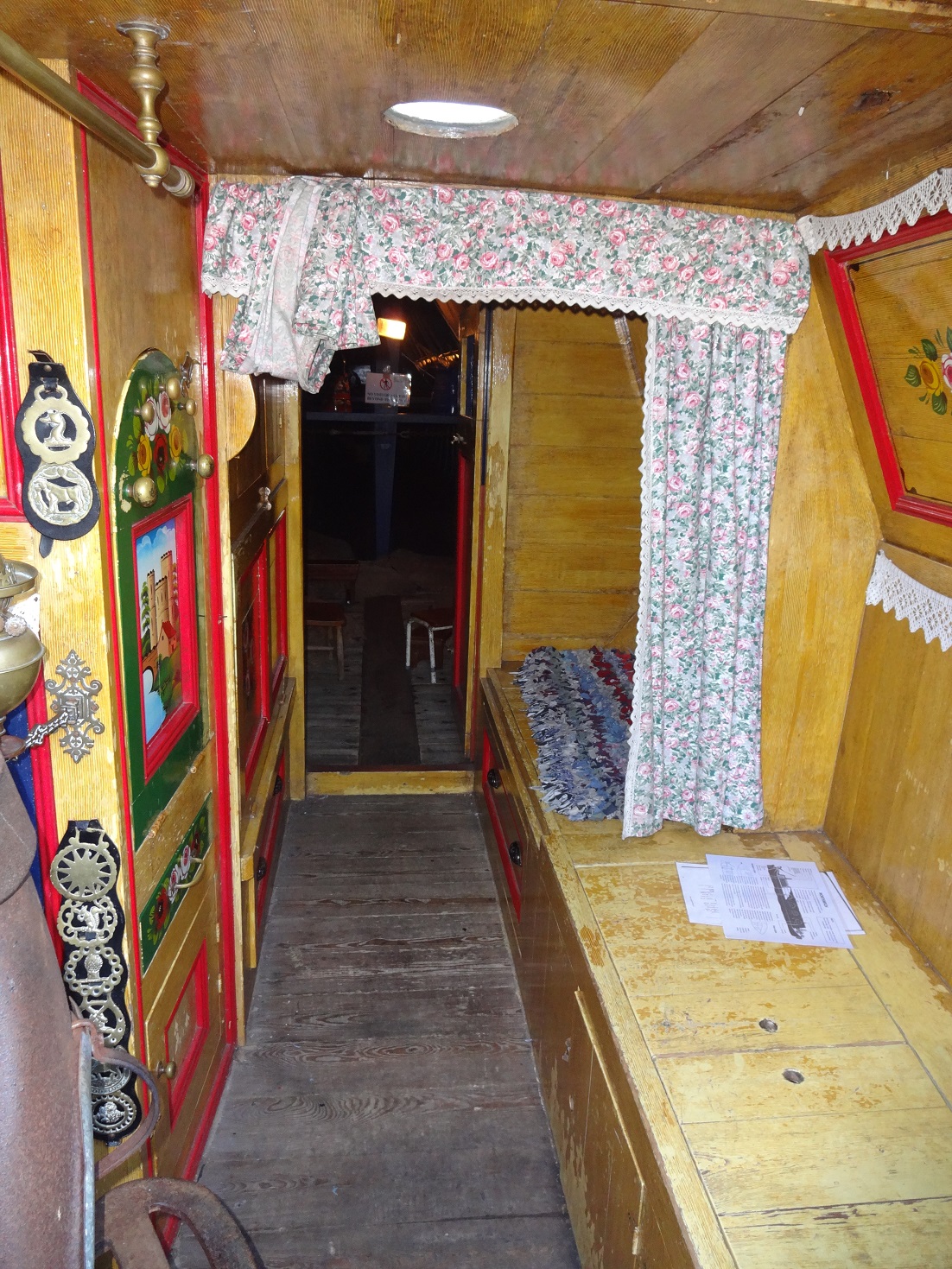
Inside the boat and looking along its length
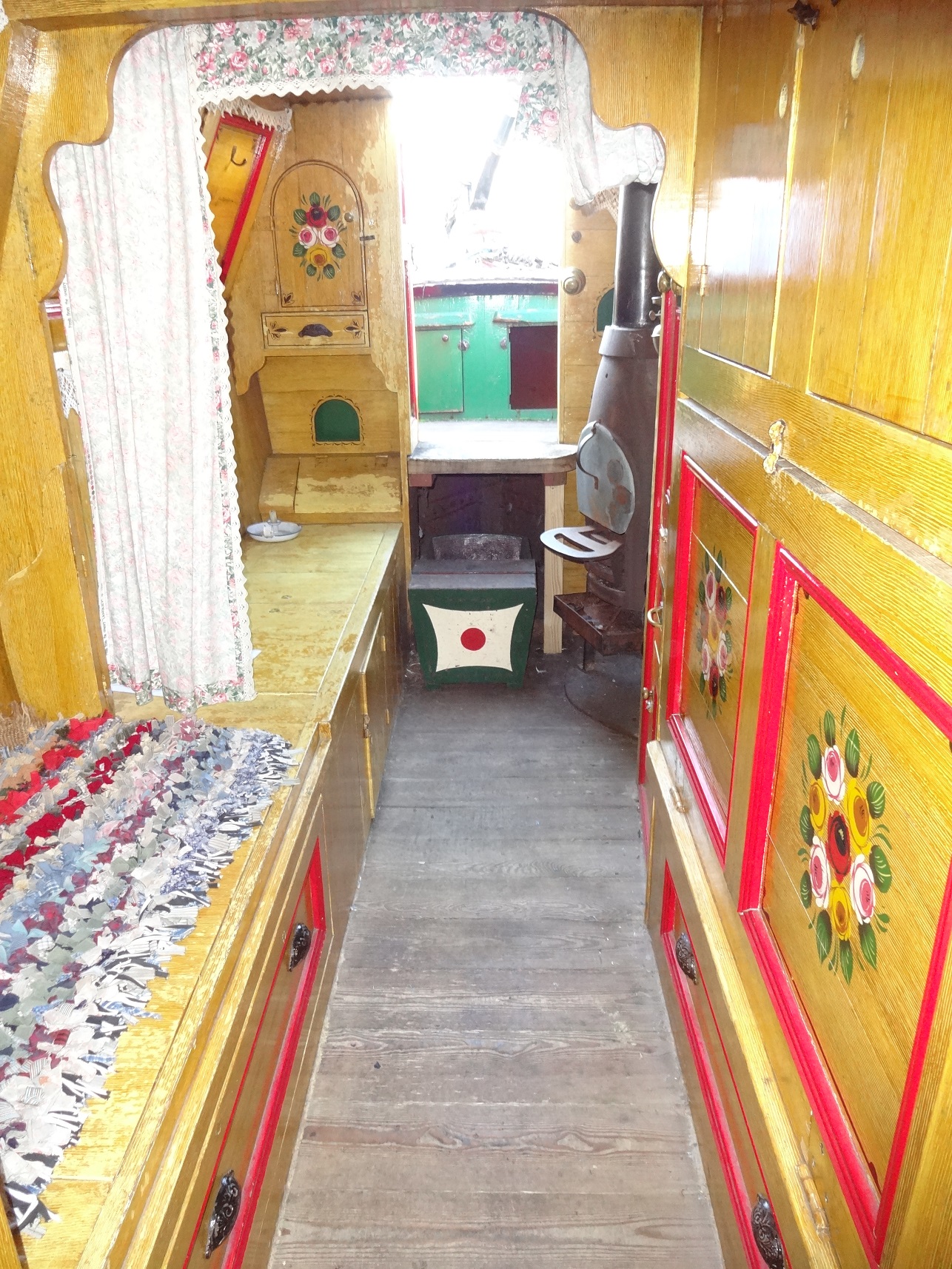
Inside and looking back to the entrance. Painted woodwork and tinware is a feature of narrow boats and part of the traditional culture.
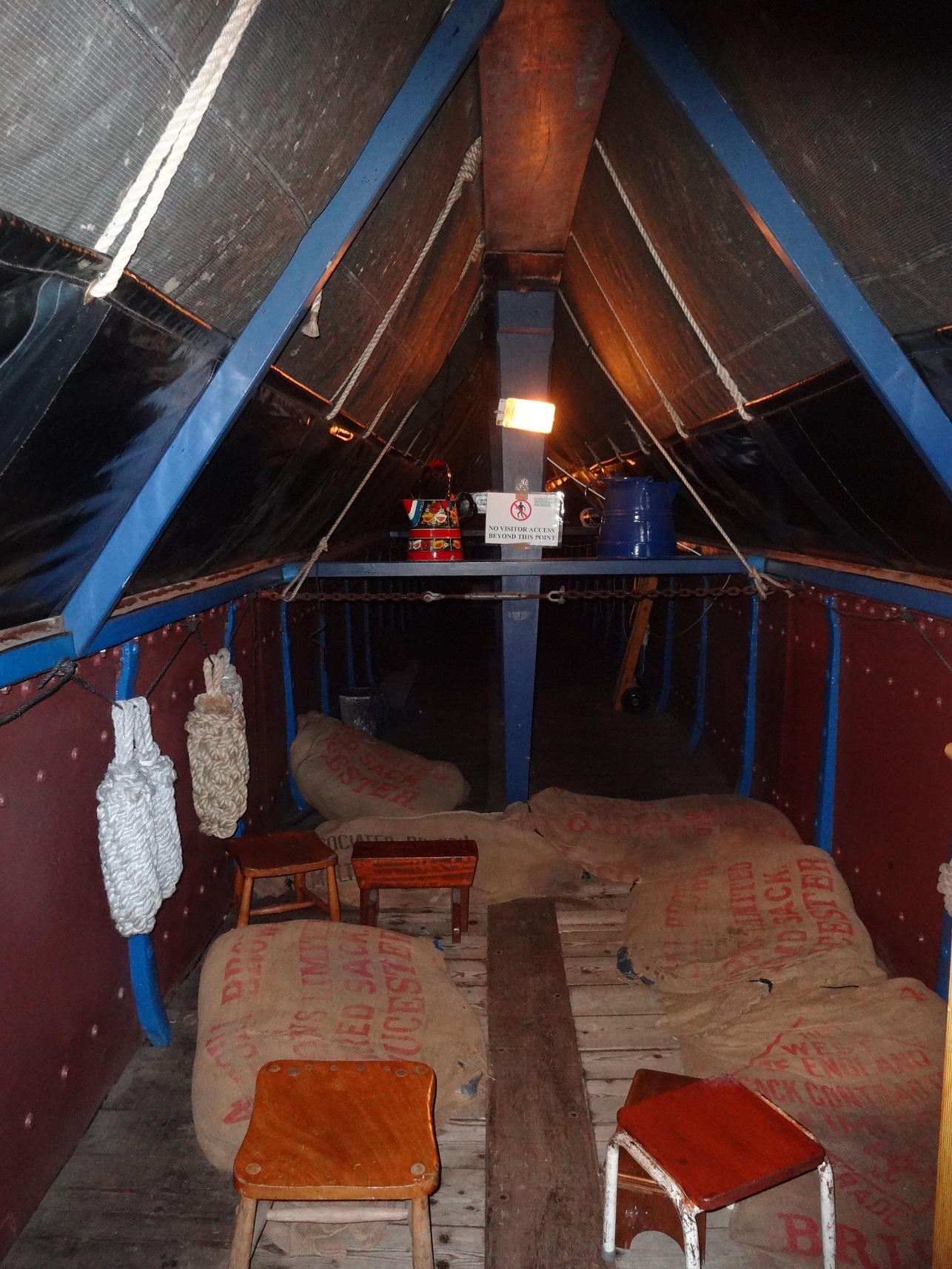
Guess it would be the mid section and maybe where the family slept. The section behind would have held the cargo.
The narrow boats and their way of life declined with the expansion of railways for the transportation of goods and many canals in England became derelict. There is action to recover canals due to increasing enthusiasm for boating holidays and for boats as a viable lifestyle/housing option.