• Home
  • About
  • Work
  • Contact Me
  • Blog Visitors

Kerry's Blog

Feed
  • Hello and Welcome

    Hello and thanks for visiting my blog. Please have a look around, and if you would like to leave a comment on any posts please click HERE to register.
  • Subscribe


  • Recent Comments

    • sandra mosley on The Update
    • sandra mosley on The Carpentry and the Return
    • sandra mosley on Two onto One does Go
    • sandra mosley on Spring has Sprung
    • grazer on A singing waiter and a travelling cat
  • Pages

    • About
    • Work
    • Contact Me
    • Blog Visitors
  • Categories

    • Abbot's Leigh
    • Animals
    • Australia
    • Beijing
    • Brecon
    • Bristol
    • bunbeg
    • Castle Carey
    • Chaddesden and Breadsall
    • China
    • Churches
    • Clifton Bridge
    • Copenhagen
    • Culross
    • Dali
    • Derby
    • Easton in Gordano
    • Edinburgh
    • Elmore
    • Family History
    • Gloucester
    • Home
    • Inverkeithing
    • Jinghong
    • Kent
    • Kunming
    • Lake Lugu
    • Ledbury and Colwall
    • Lijiang
    • London
    • Lydney Harbour
    • Melbourne
    • Other
    • Portbury
    • Qingdao
    • Tadcaster and Newton Kyme
    • UK
    • Uncategorized
    • Wells
    • Work
    • Xingtai
    • York
    • Yunnan
  • Favourite Websites

    • David's Blog
    • Webmail
  • Site

    • Register
    • Log in
    • Entries feed
    • Comments feed
    • WordPress.org
  • Tags

    agriculture animals architecture art and craft Australia baby carriers Behai Park Beijing bus China college computer culture Dali Dashalan dogs Education ethnic minorities Fashion Parade Food games guanxi Health holidays hostels Kumning lake Lake Lugo Lijiang maps markets matriarchial society medicine military training park performance plants Qianmen religion shops taxis teaching temple transportation Xingtai
  • Archives

    • April 2018
    • December 2015
    • November 2015
    • October 2015
    • September 2015
    • November 2014
    • October 2014
    • September 2014
    • August 2014
    • July 2014
    • June 2011
    • January 2011
    • December 2010
    • November 2010
    • October 2010
    • September 2010
    • August 2010
    • July 2010
    • June 2010
  • Lugu Lake

    Jul 16th 2010

    By: Kerry

    No comments

    Lugu Lake

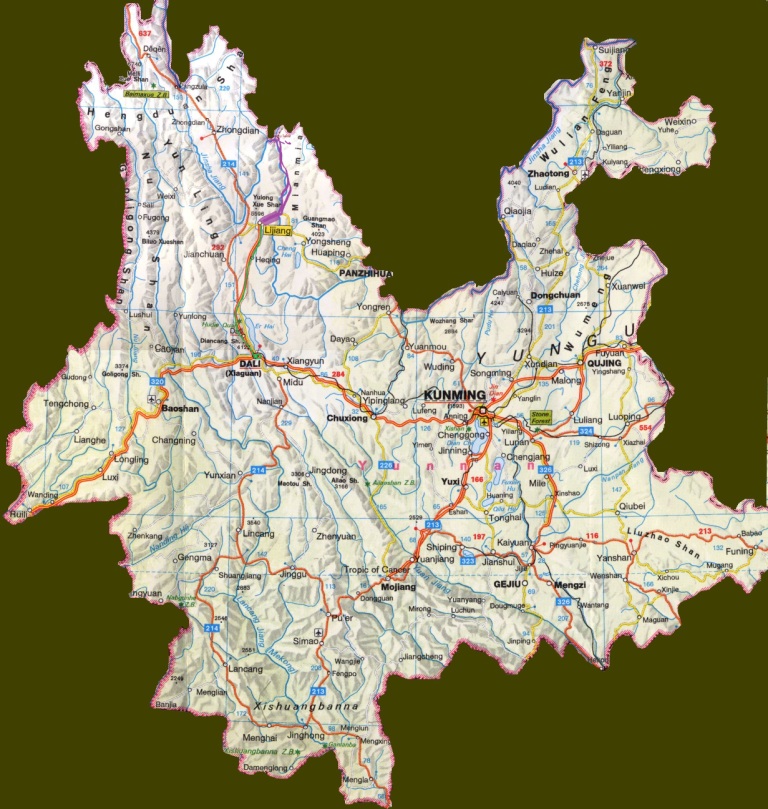
    I spent 3 days at Lugu Lake which is a couple of hundred kilometres north of Lijiang.  Look for the purple lines north of Lijiang, in the north.  The green line from Lijiang shows my current position, Dali.

      When we reached Lake Lugu from Lijiang the minibus driver stopped at the lakeside for us to have a boat ride to a nearby island.  I’d read of the scam on the internet the previous night and after more than 7 hours of travel was not interested.  Fortunately it was raining so none of the others was interested either although it took some time for the driver to give in and start driving again.  Apparently he tried to have them agree to an expensive dinner and dance performance too, but none took up the offer.  (I was the only foreigner & non Chinese speaker there.) Some of us went under our own steam on another night for a much cheaper experience.

    The entrance fee to the area was pretty steep, like its mountains.  I wouldn’t have minded if they had put some of it towards clearing the roads. The rock the mountain is composed of is crumbly and there were numerous piles of dirt, rocks or boulders strewn around blocking or impeding traffic. 
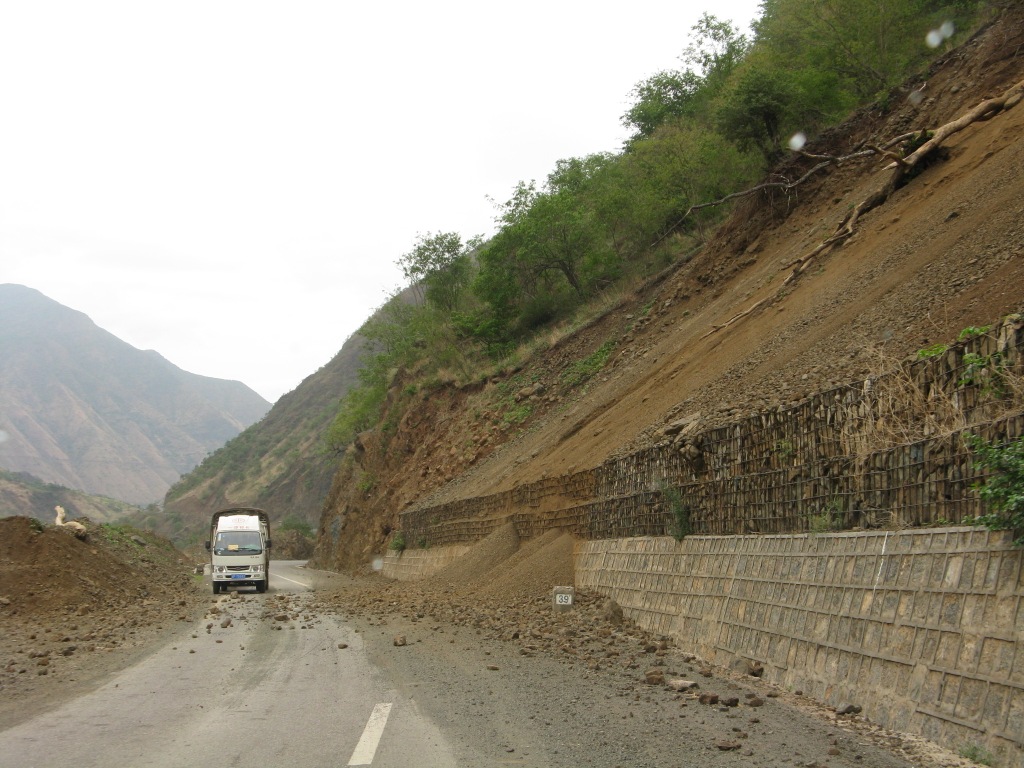
    The road from Lijiang to and through the area is only two lanes wide. Workers continued to make concrete strips on either side of the tar and that seemed to be the priority rather than landslides.  New road works were under way on another part of the main road. When I left Lugu Lake  part of the road had either been damaged by nature or blocked due to road work.  I never did work it out I was too concerned about staying upright while putting one foot in front of the other while walking up a very broken, very muddy, very steep road for what seemed like about 2 miles while carrying far too much luggage.  The bus dropped us and we had to walk through the muck and along the steep road till we reached the area where the next bus would collect us.  About half way through one of the people I’d been hanging out with offered to carry my suitcase.  The next bus could have driven down a lot further than it did but none of them did for some reason.  We only had to wait about an hour, an hour too long, but when we reached the pickup point I saw one of the hostellers who had left 3 hours before.  Fortunately his bus soon appeared.  If I’d had any breath or known that my bus wouldn’t arrived for an hour I would have taken some photos once I left the mud. 
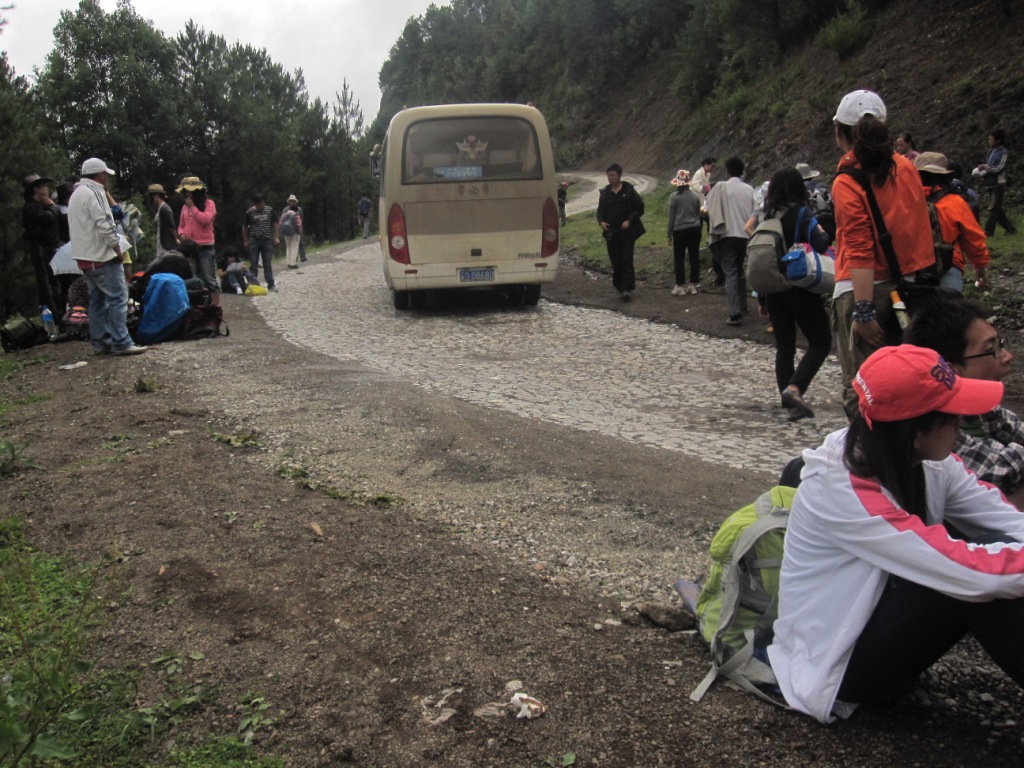
     Here is one of us waiting.  It started to rain lightly soon after we arrived at the collection point.

    Lugu Lake is an area famous for its matriarchal society and beautiful scenery.
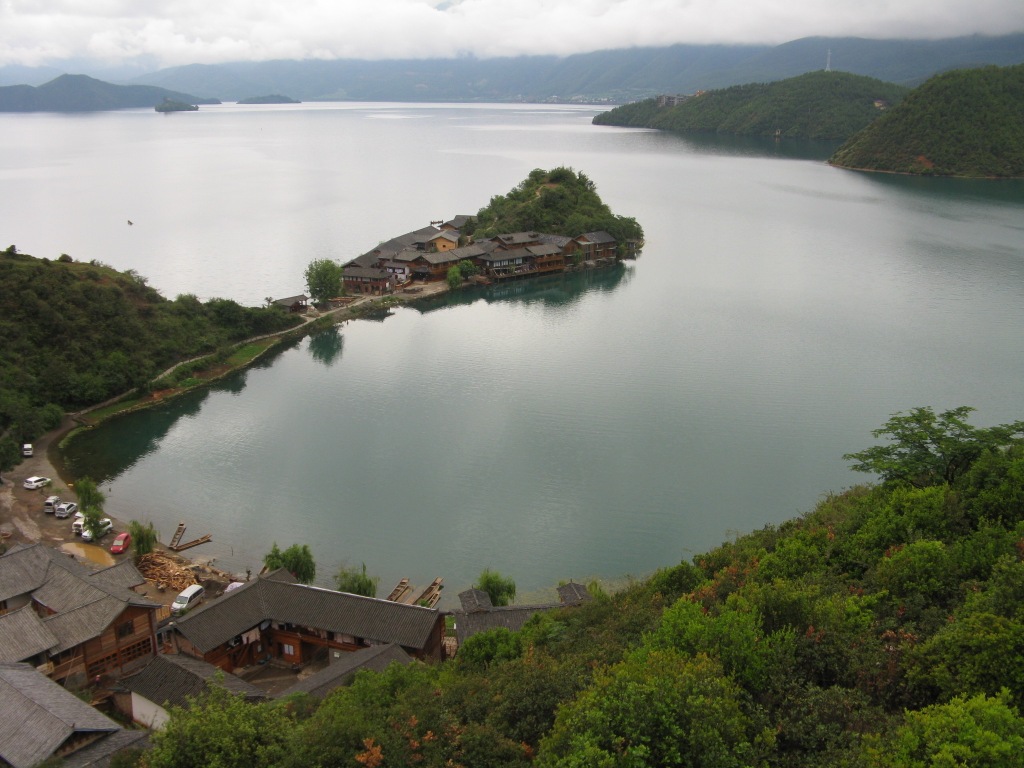
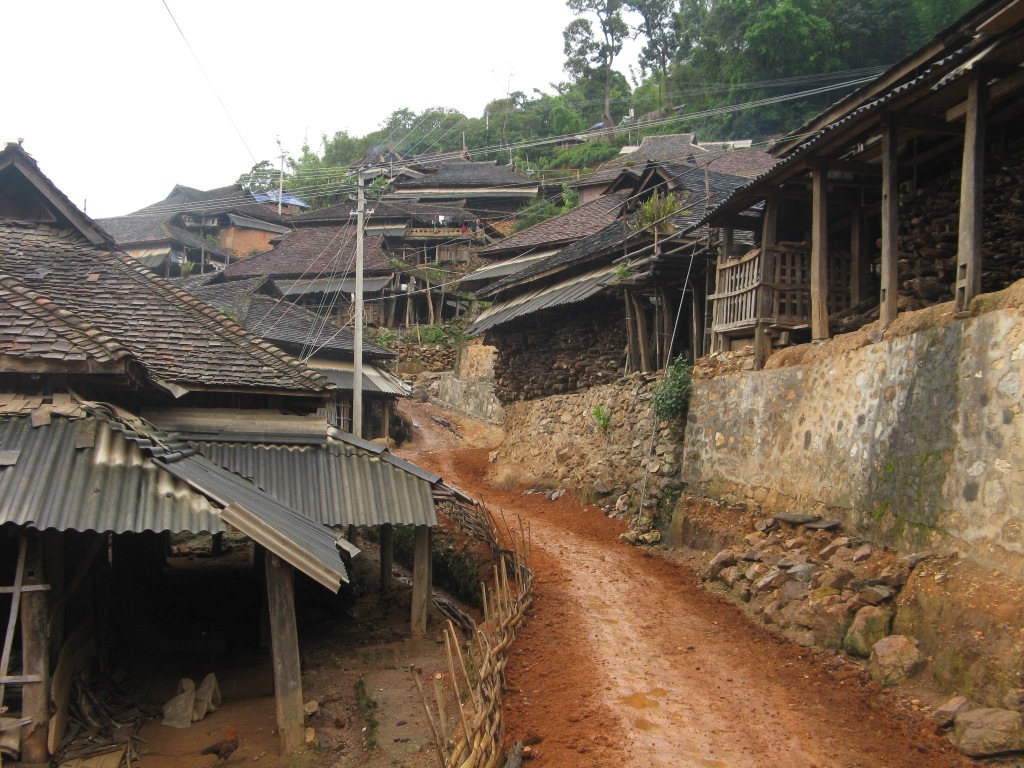
    That’s the village I stayed in, Lige.

     The Mosuo women make the decisions.  The grandmother is the boss.  The custom is for women not to marry but to take a lover.  Adult sons live with their mothers and do their bidding. If they have children they are required to support them, while the relationship lasts, but not live with them.  Inheritance is through the woman.  That is the custom. I’m not sure to what extent it is still followed as I saw and heard a few things which indicate that it is not that straightforward. 
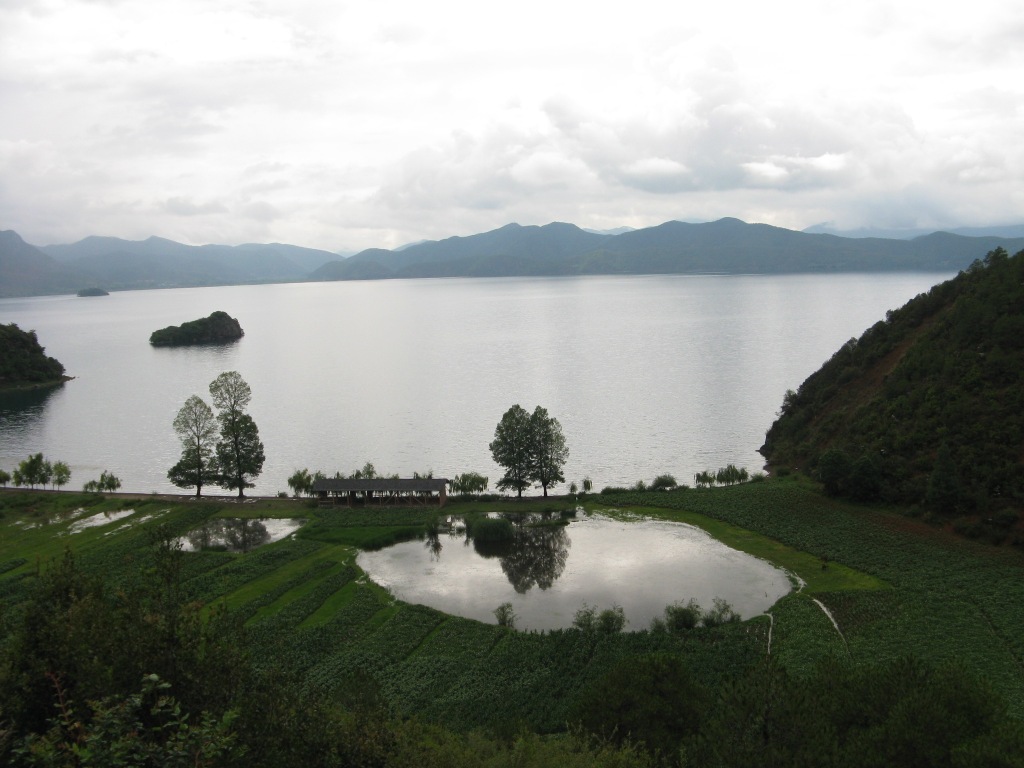
     

    The other photos are of parts of Lugu Lake.  There are many little settlements scattered around the lake which is mainly in the province of Yunnan and partly in Sichuan. 
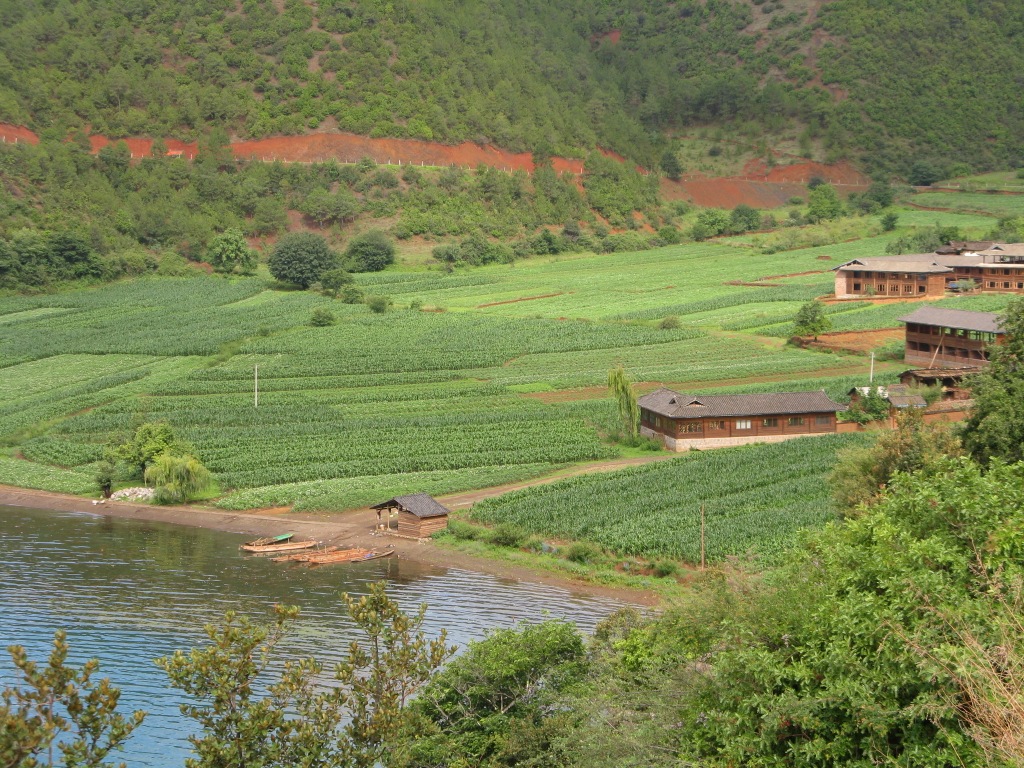
    The major crop is potatoes.  There are potatoes everywhere.   The other main crop is corn which is grown  everywhere I’ver ever been in China. Every afternoon several small piglets were sacrificed for BBQed pig which was cooked in the streets. 
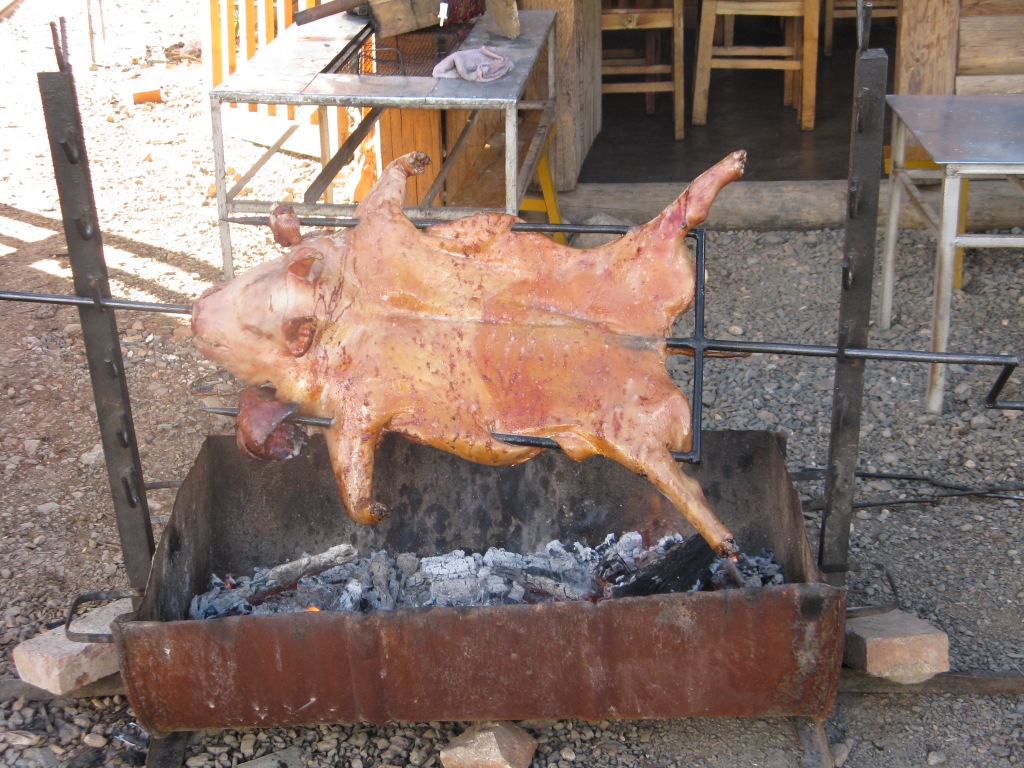
     I don’t see how the supply could cope with the usage I observed.  There must be lots of pig breeding occuring which I didn’t see.

    I went on a couple of boat rides, including one very early in the morning, a 6 hour minibus tour around part of the lake, a performance by the Mosuo people and a few short walks in the vicinity of the hostel.
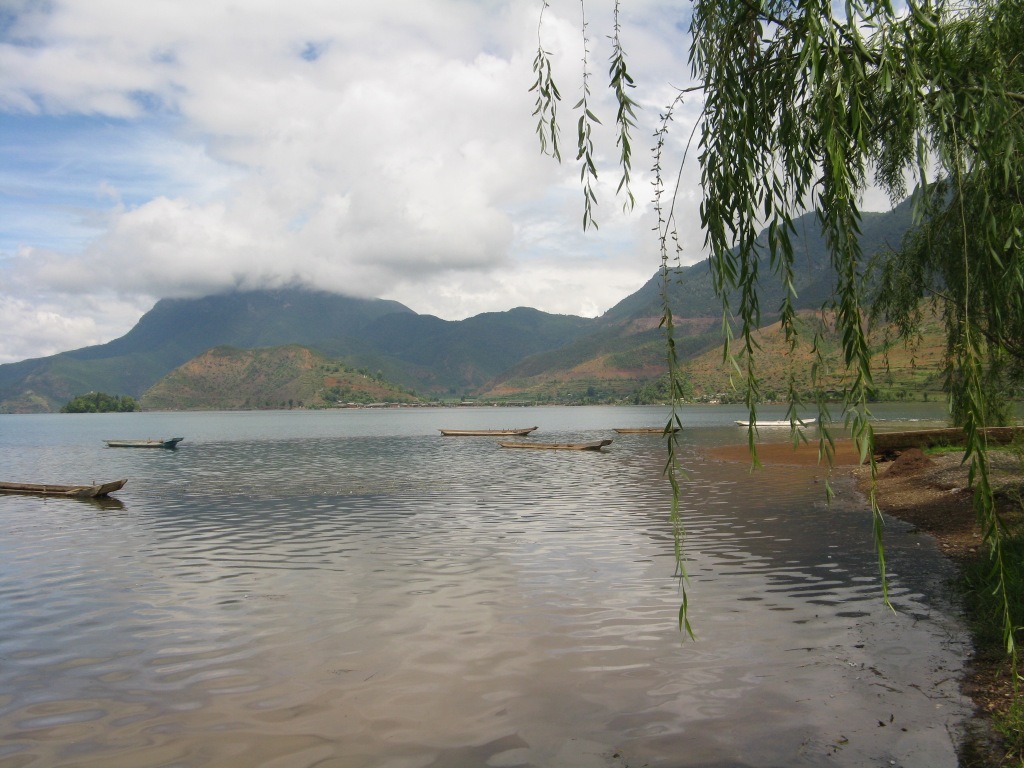
     There is a considerable amount of construction work occurring all over the area to bring in more tourists.  Internet access, while not good was better than I had previously experienced in Yunnan.  We had a few blackouts including one lasting for hours on the morning of my departure. The night before it had rained for 12 hours.
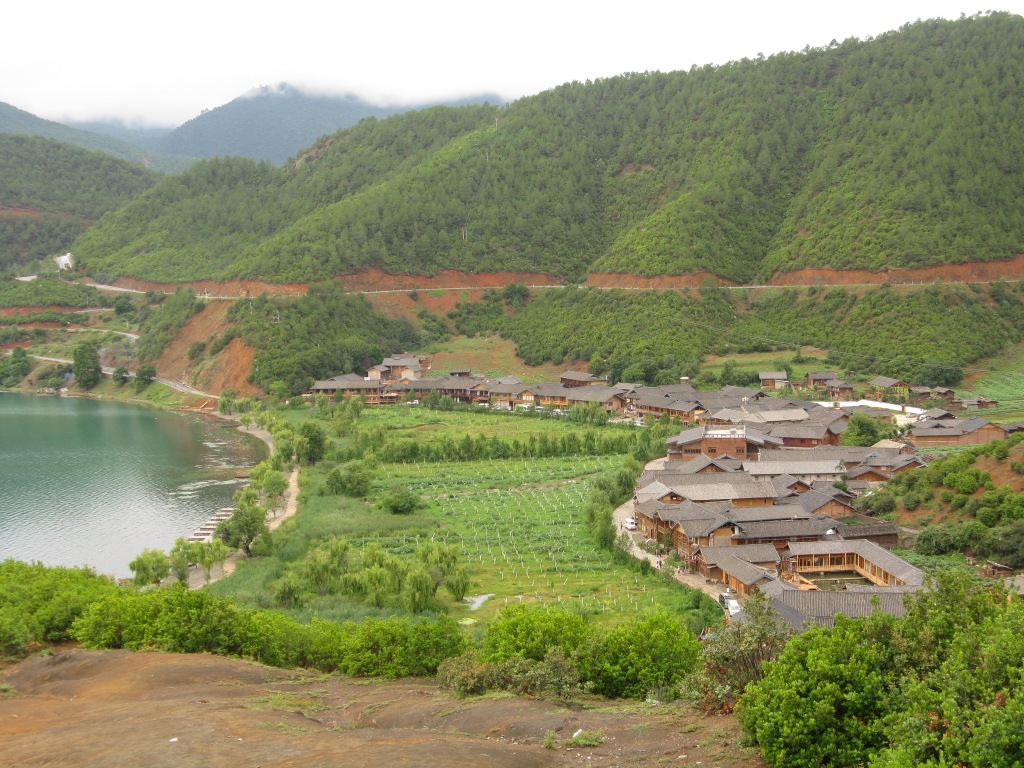
    This is another view of the settlement I stayed in.
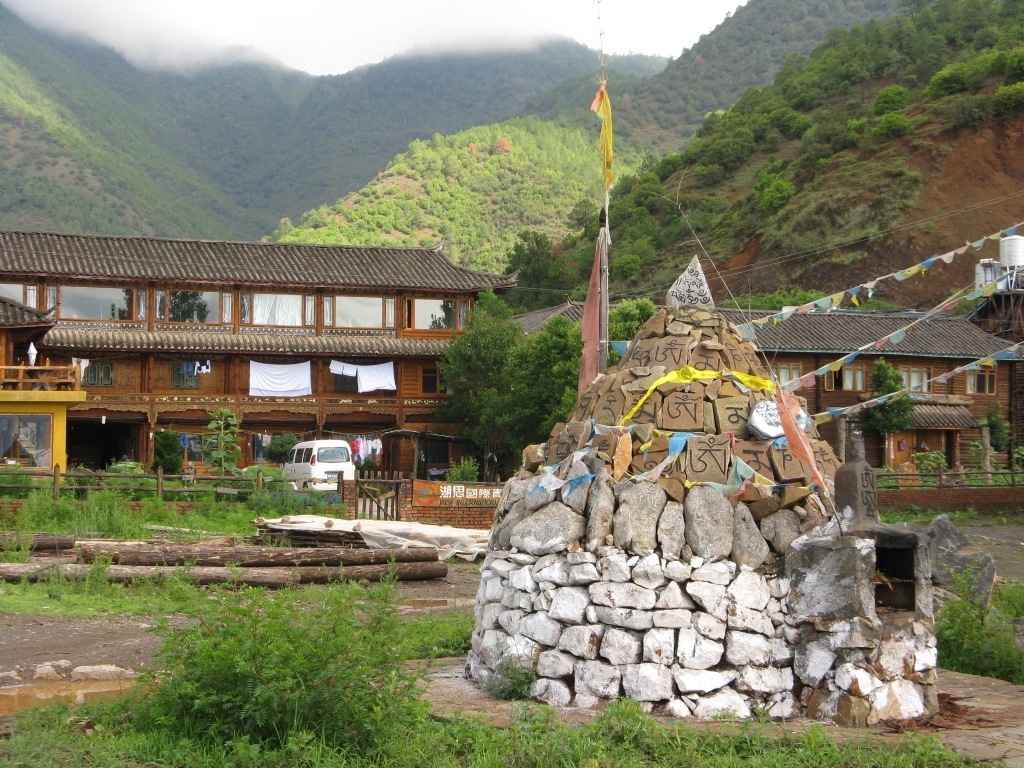
    These are mani towers where many stones are inscribed with a Tibetean mantra.  There were many around the area along with Tibetean prayer flags.  A man was busy writing on a stone near one mani tower near where we visited.  Beforehand he had lit a fire in a small altar area.
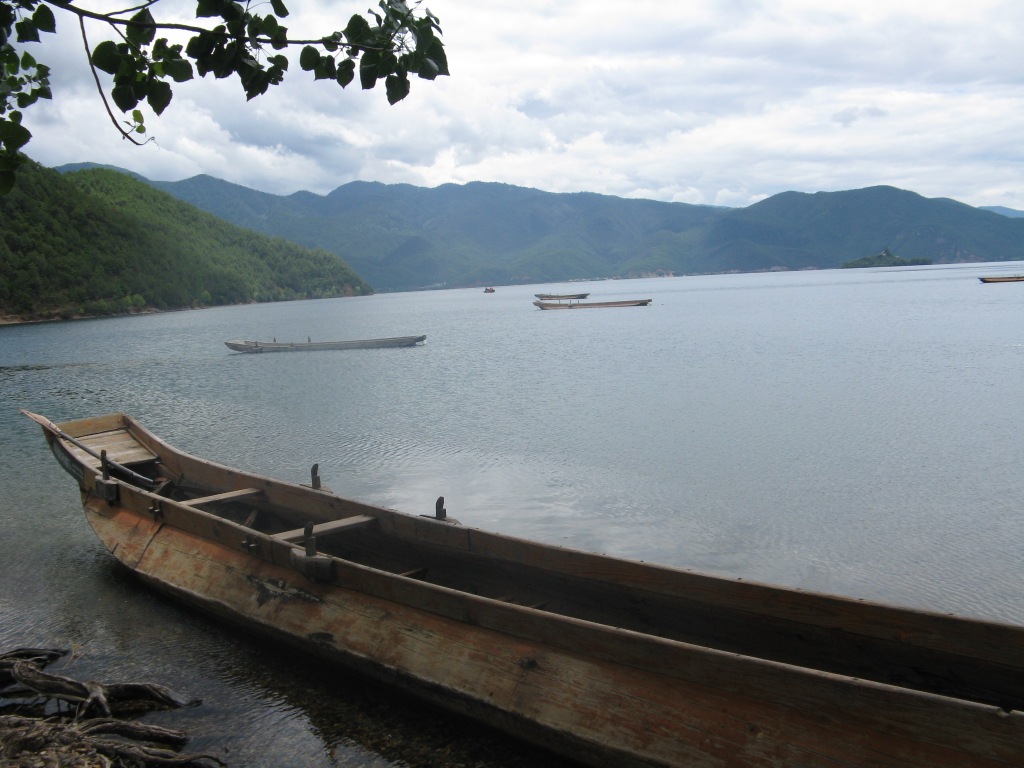
    These are the boats they use for fishing and for transporting tourists.  Powered by a human or two.
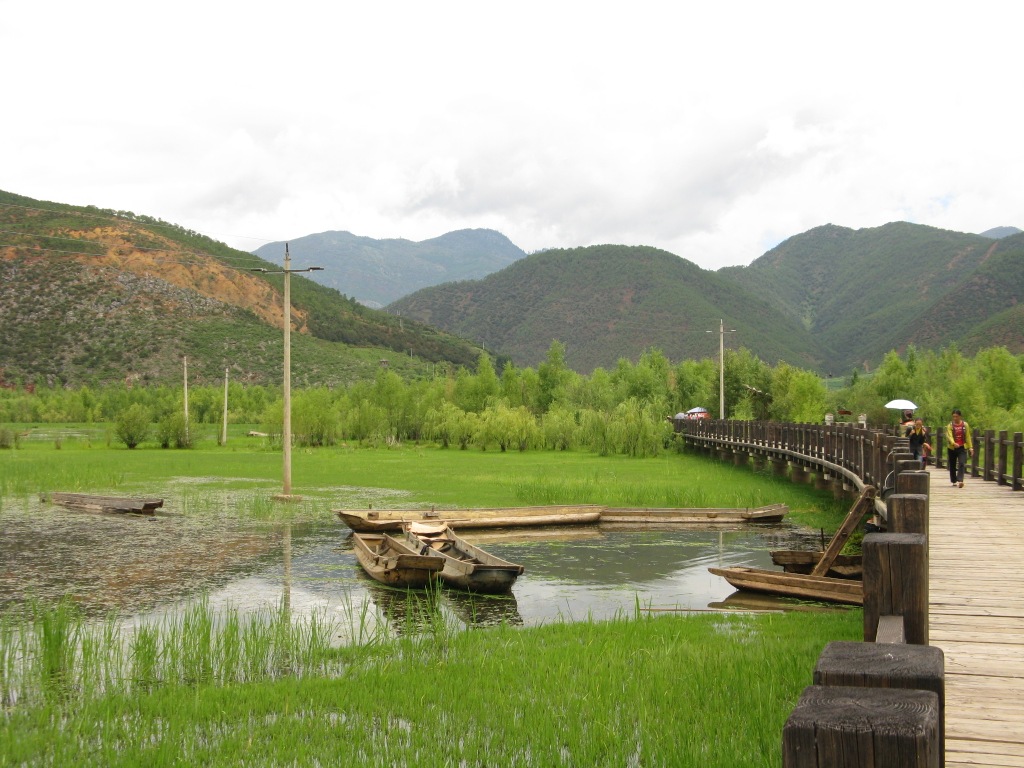
    A wetland area.  The bridge connects two sections of the lake and was built to facilitate romance.
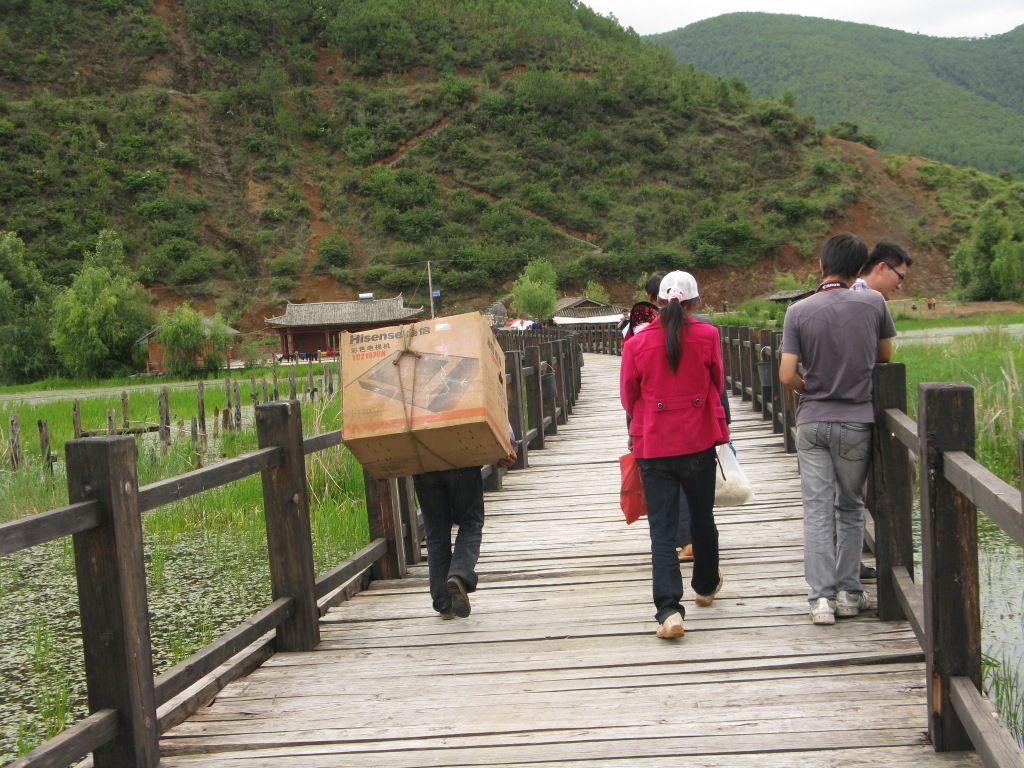
    This is how you transport your new TV home if you have no access to a bike.
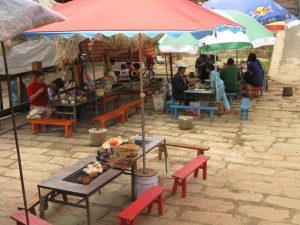
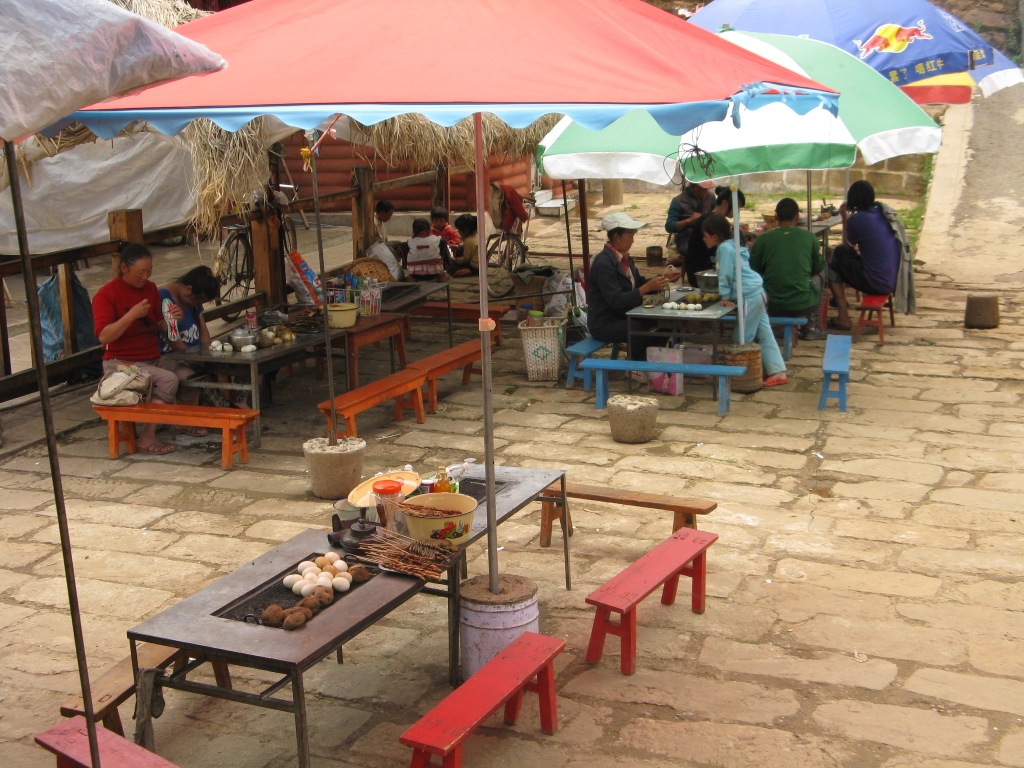
    This is the samll market at the other end of the bridge.  The tables had trays of hot coals over which potatoes and fish were cooked.  Hard boiled duck eggs were also part of  everyones repertoire.   I had a duck egg and it was good.  The fish were tiny little things on a skewer, about 6/ skewer and were eaten in entirety. I had one and it tasted suprisingly good.  The women embroidered, usually inner soles, while they waited  for customers.  I was fascinated by the innersoles and asked to photograph a couple.  One woman was so happy after the first photograph that  she ran off and returned wearing a “good” traditional type jacket for a photo with me.  Another, who was young, was embroidering a couple of larger items and was totally fascinated by her photograph on the LCD screen of the camera.
    China, Lake Lugu

    bus, China, culture, ethnic minorities, Food, Lake Lugo, markets, matriarchial society

  • Critters of Lijiang

    Jul 12th 2010

    By: Kerry

    No comments

    There were numerous critters in Lijiang and surrounding areas.  The ones here are only  the more unusual or one representative from a group or location.

    Domestic

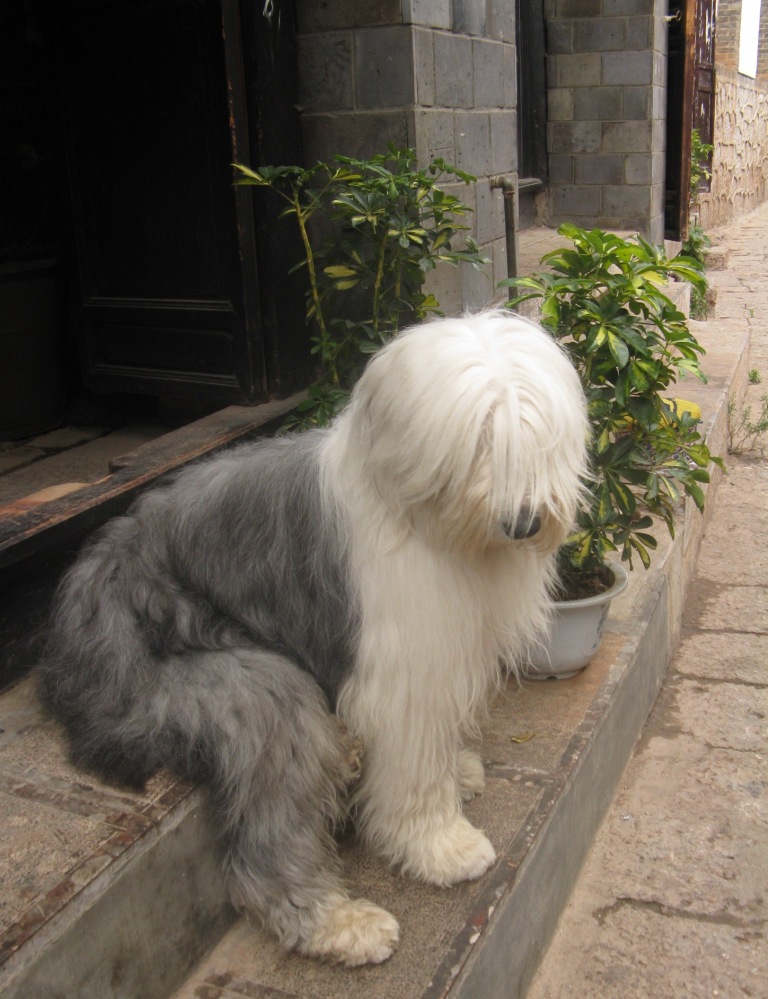
    I’ve never seen a dog sit like that before.

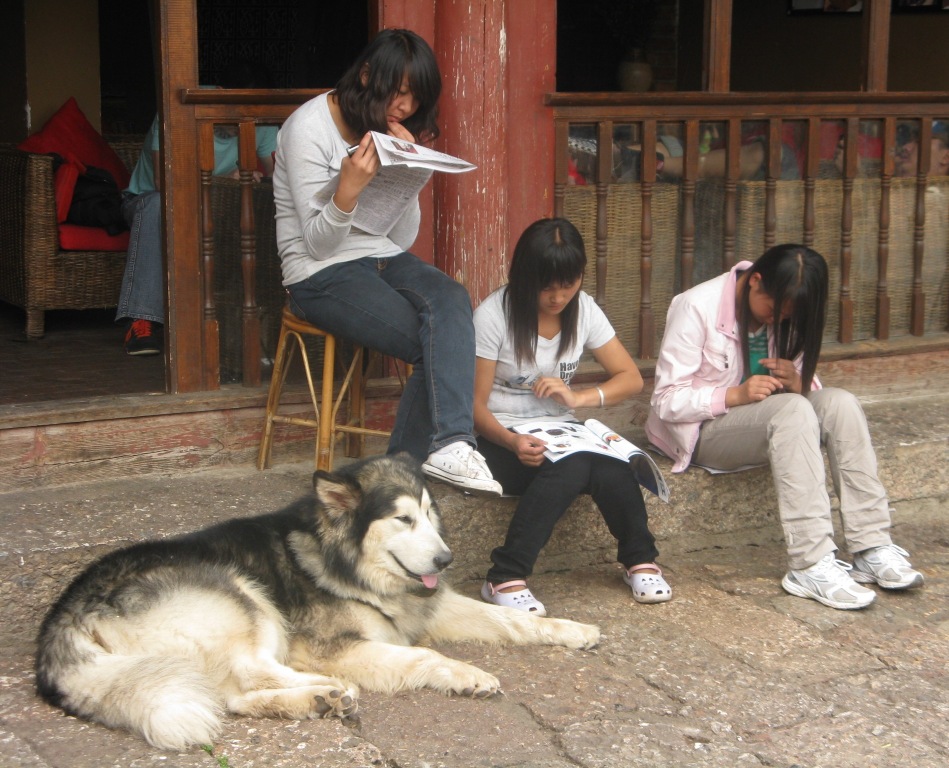
    The girls all put their heads down when I appeared with my camera.  They were all sitting outside a cafe.
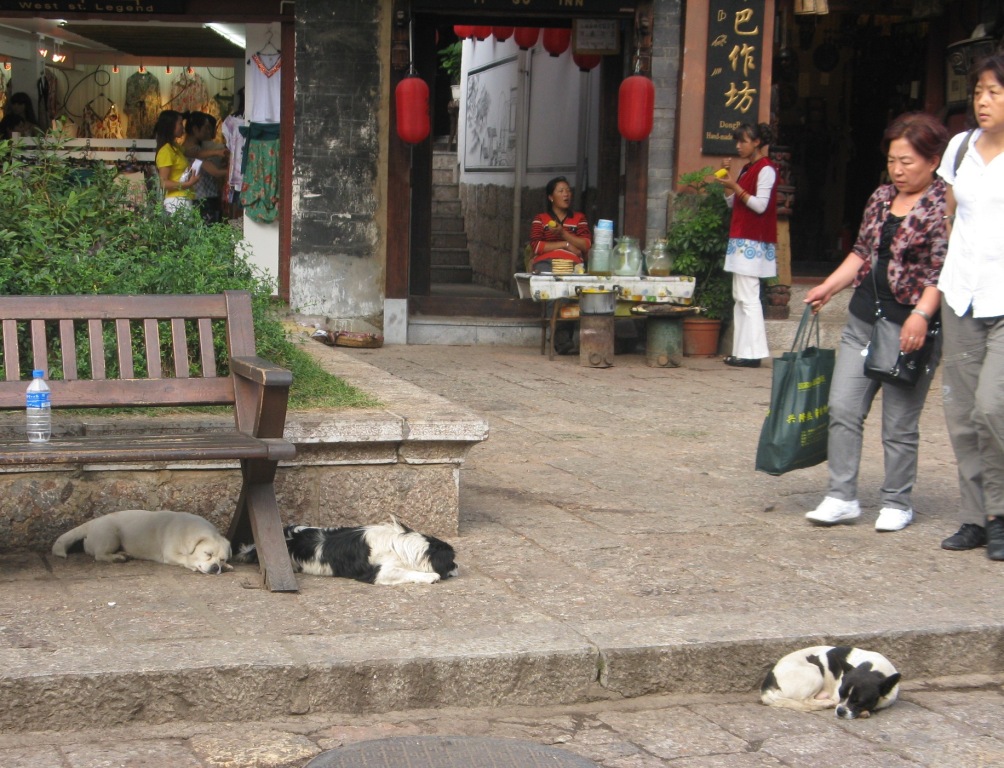
    This one is notable for 3 small dogs sleeping in proximity.

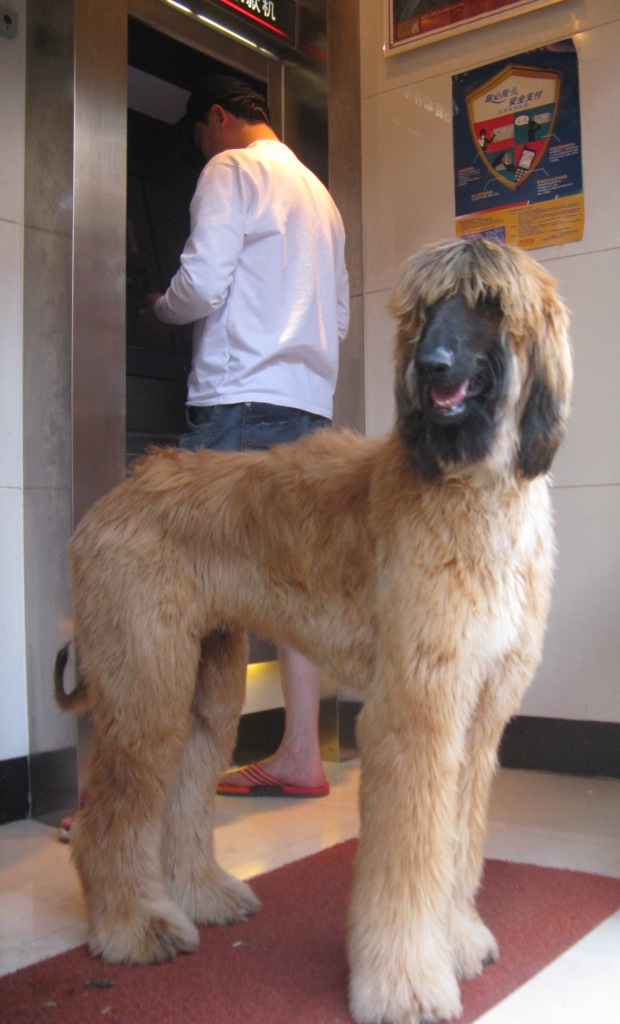
    This critter was visitng an ATM with its master.  When I stopped to photograph it  the Chinese did too so it ended up in quite a crowd.

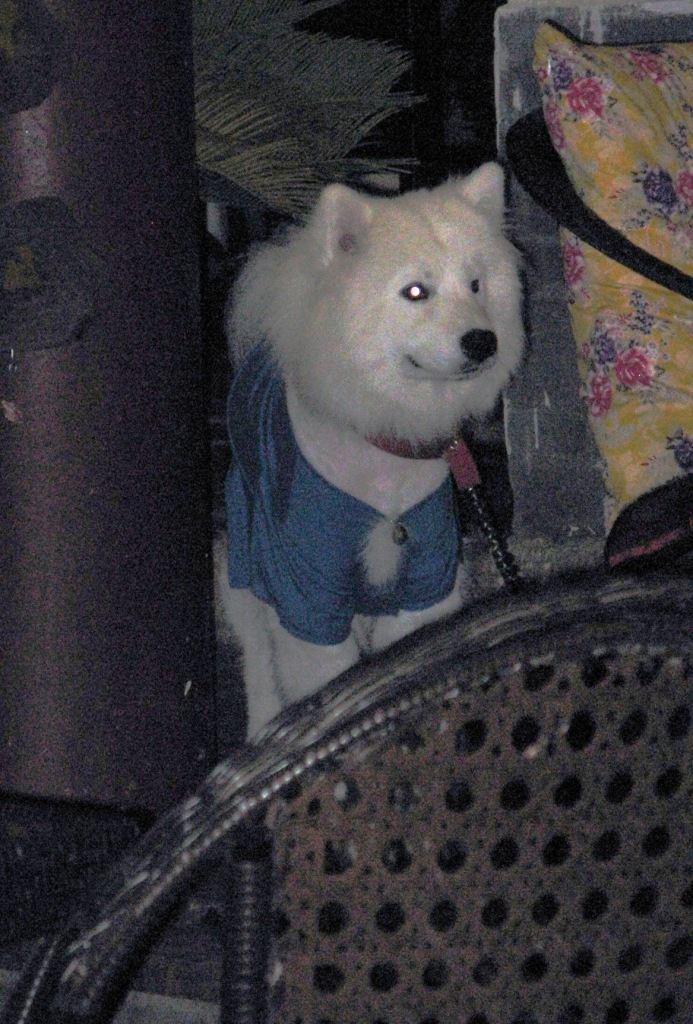
    This dog was all dressed up and had somewhere to go.  He was out with his owners who were dining in the street side of a nice little restaurant in the old town of Shushe  which I visited at night.

    Rural Critters

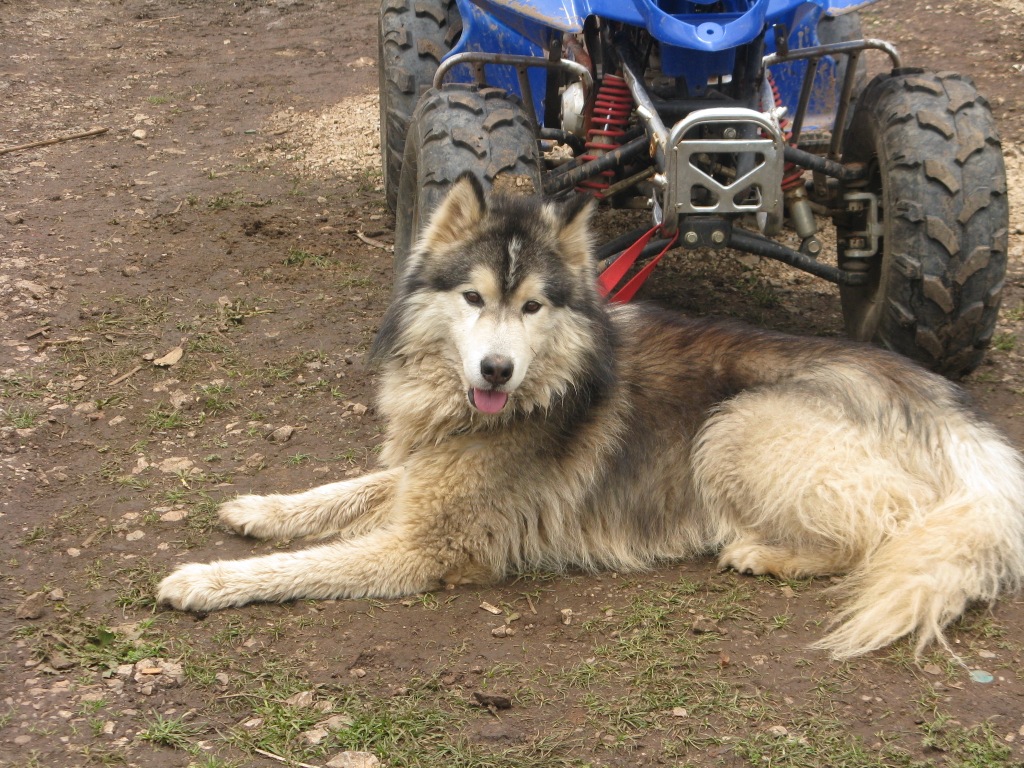
    This one was tied to a quad bike at Wenhai where the lake and medow was located.   Someone had a business involving renting quad bikes to tourists who rode them near the lake and then up the unpaved road towards Lijiang.  We saw a numer of young Chinese have a good time riding the bikes up nad down the mountain road.

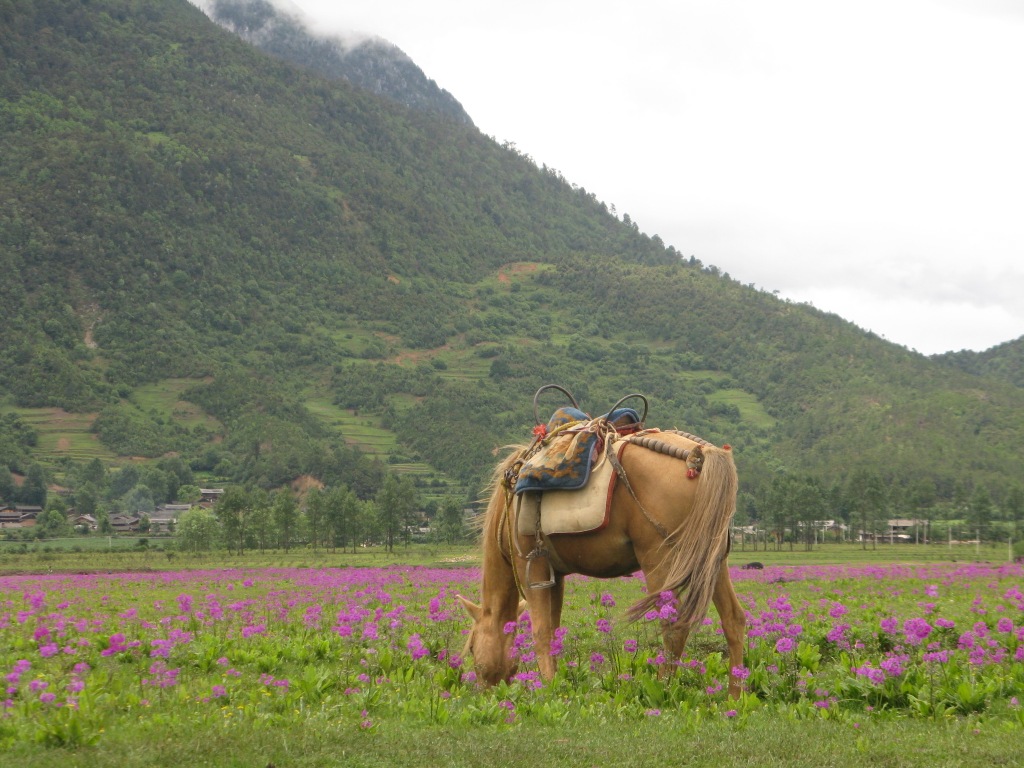
    This is one of the horses available for riding at Lake Wenhai. The flowers in the background are ones often found in Australian gardens or pots.

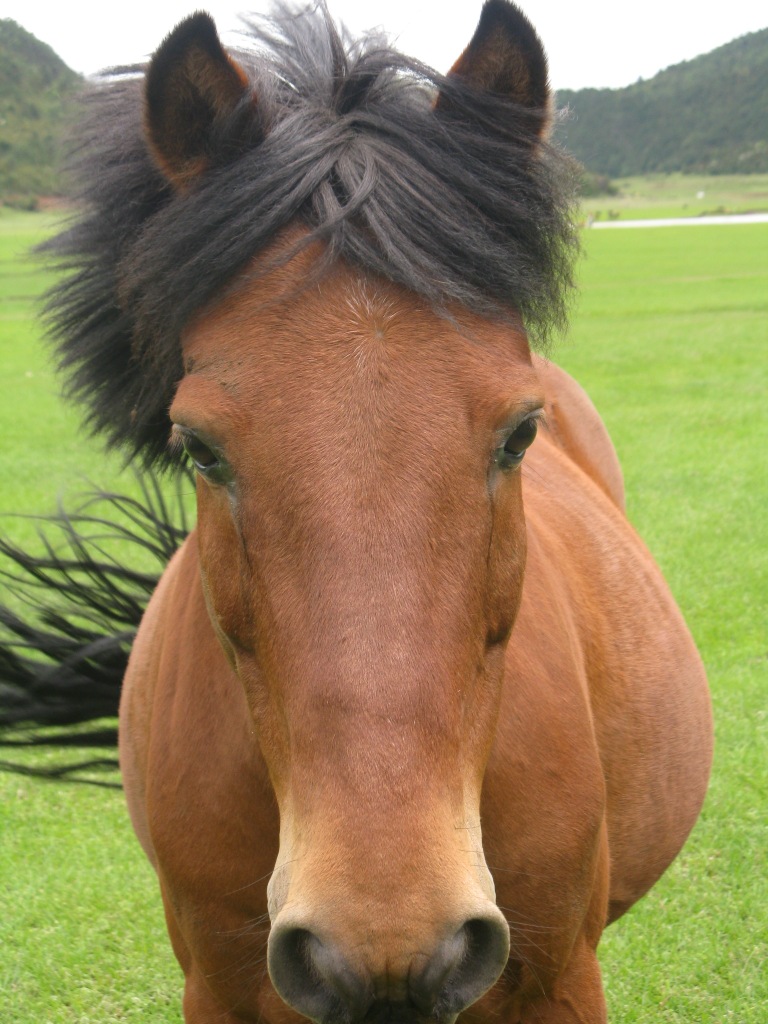
    This horse walked right up to me.  Being unfamiliar with horses and not wanting my hand chomped on by horse teeth I let it alone and it soon wandered off.

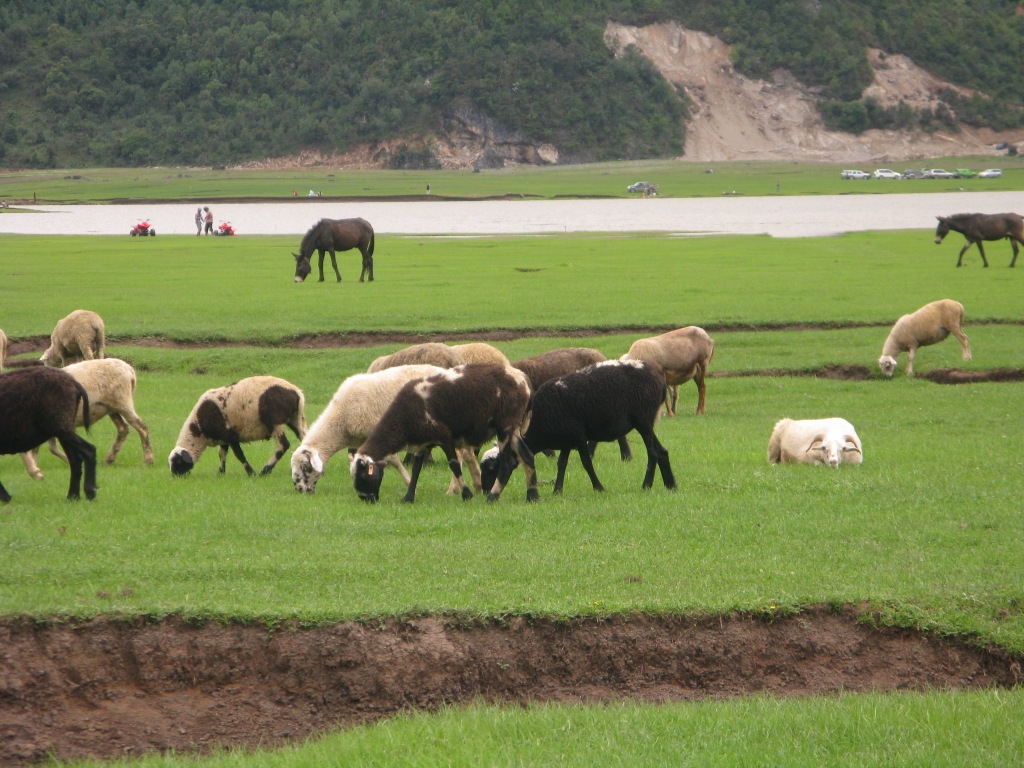
    Some of the goats and a view of the lake.  I’m not sure how badly afffected Yunnan continues to be following the last drought as everything seems so green and fertile.  However, this lake looks pretty small and I have seen a large scale dam completely devoid of water and another obviously still quite low plus a few creeks which look low.  It is the rainy season now.  I haven’t encountered much rain and I don’t know how normal that is.

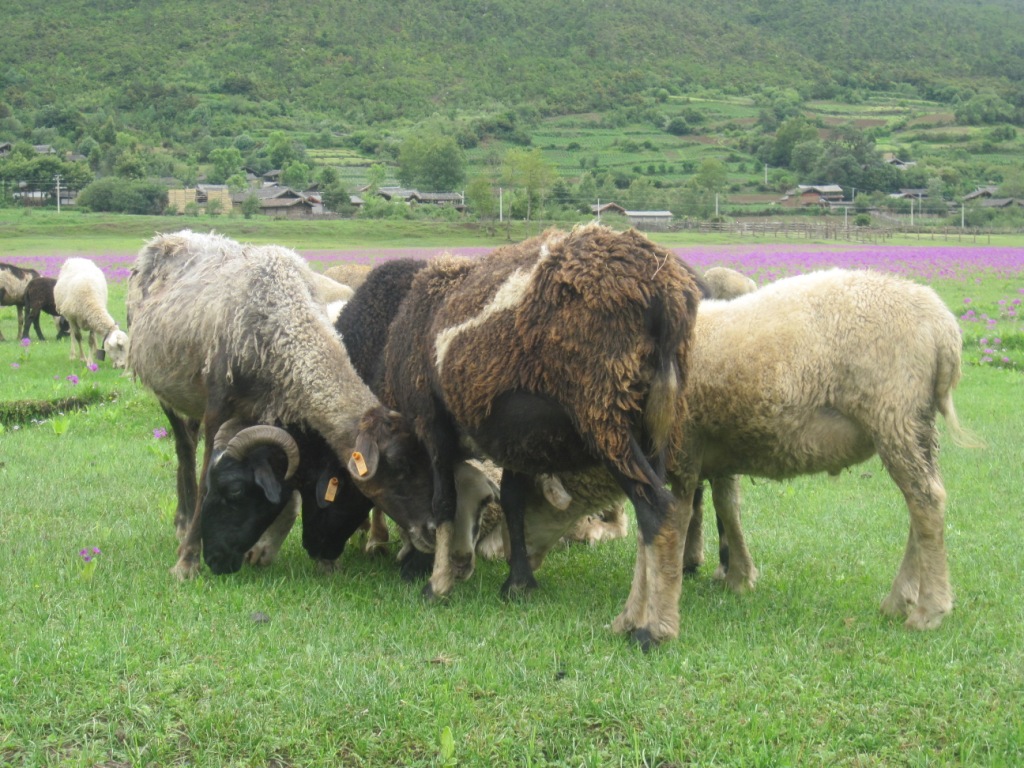
    One goat was lying down and the others crowded around her.

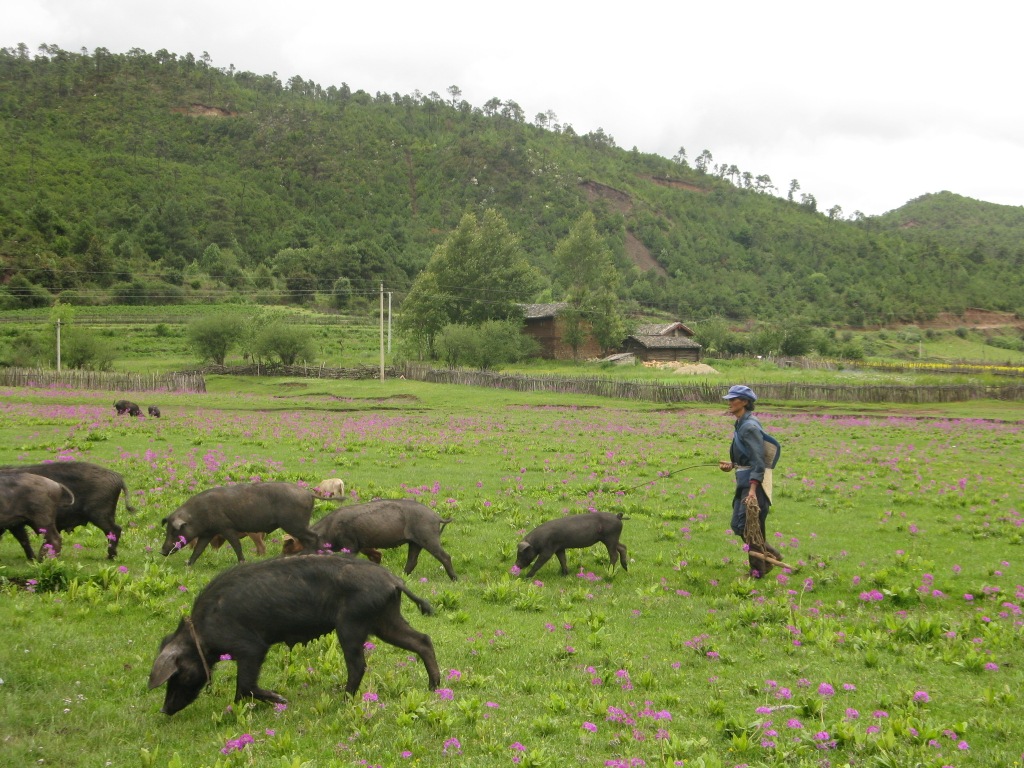
    Pig herding.  There were some others which were tethered.

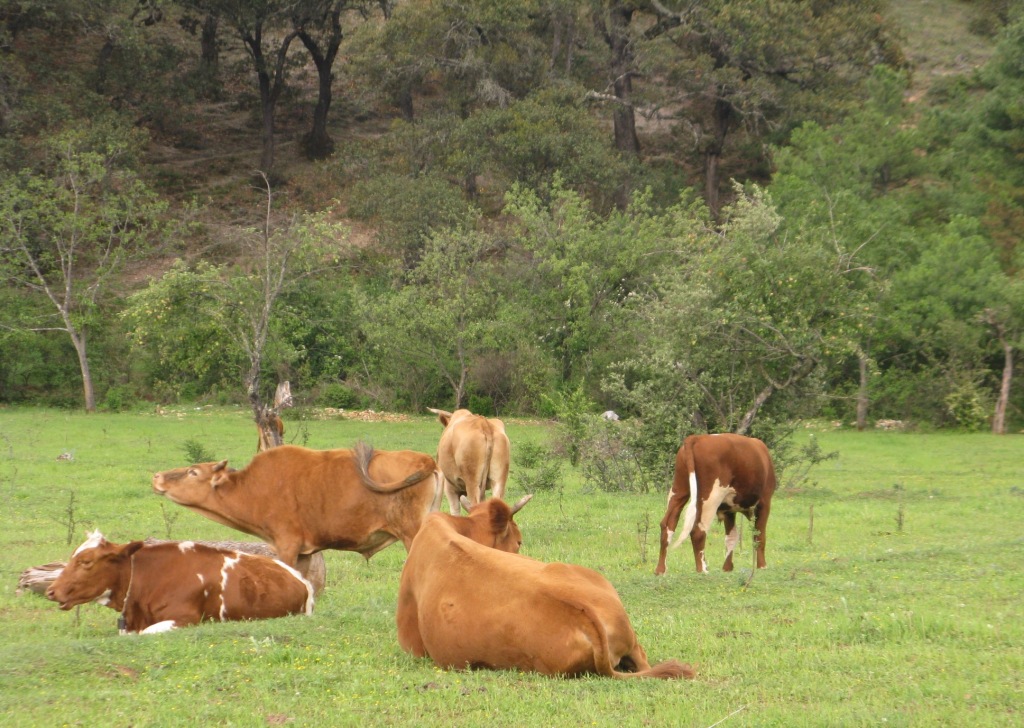
    These cattle were at the foot of a hill on which a monastry mostly destroyed during the Cultural Revolution is located.  A new monastry is being created and a monk materialised on a road and was followed by a couple of kids who also materialised from nowhere .

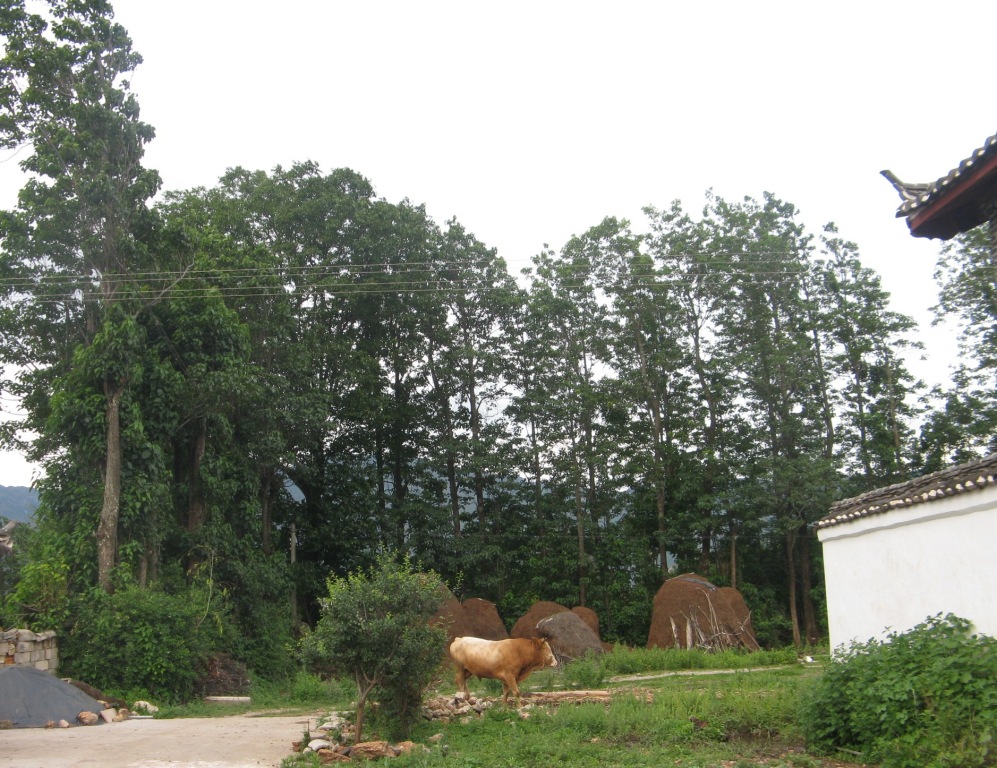
    This cow was tethered in the village where we went for dinner.

    Other Critters in Urban Environments

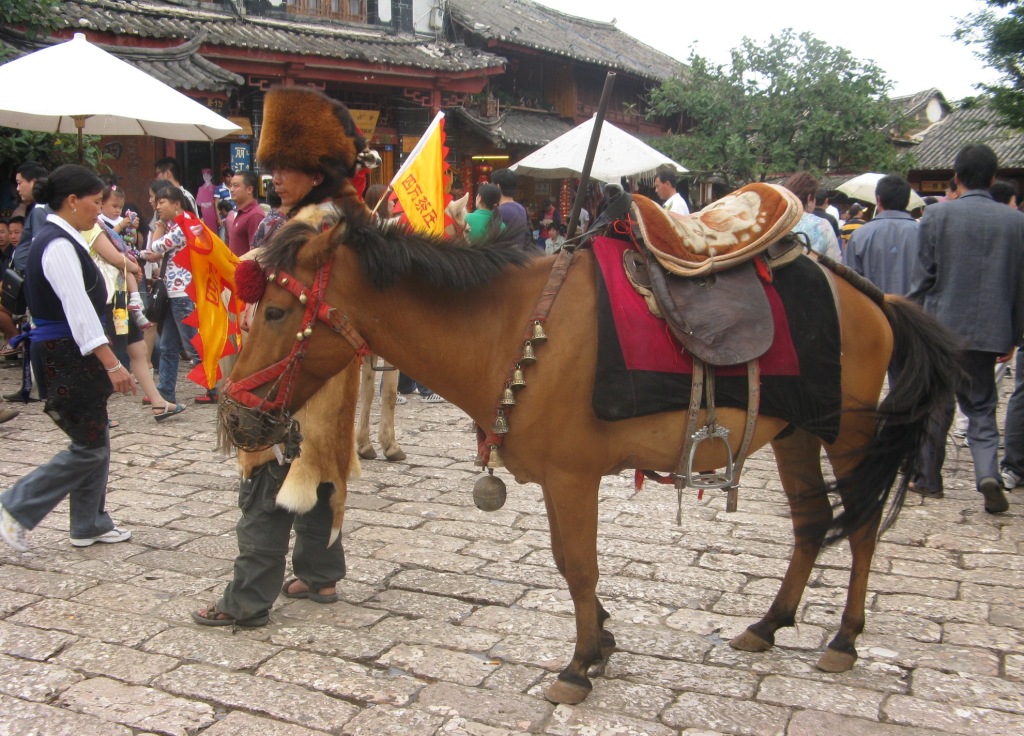
    This horse and its master were one of several in Lijiang available for tourists to ride through the streets.  Horses were an important part of Lijiang and other parts of Yunnan as they carried tea and silk along the Tea Horse Road to Tibet in times past.  Lijiang was one of the important stopping points.

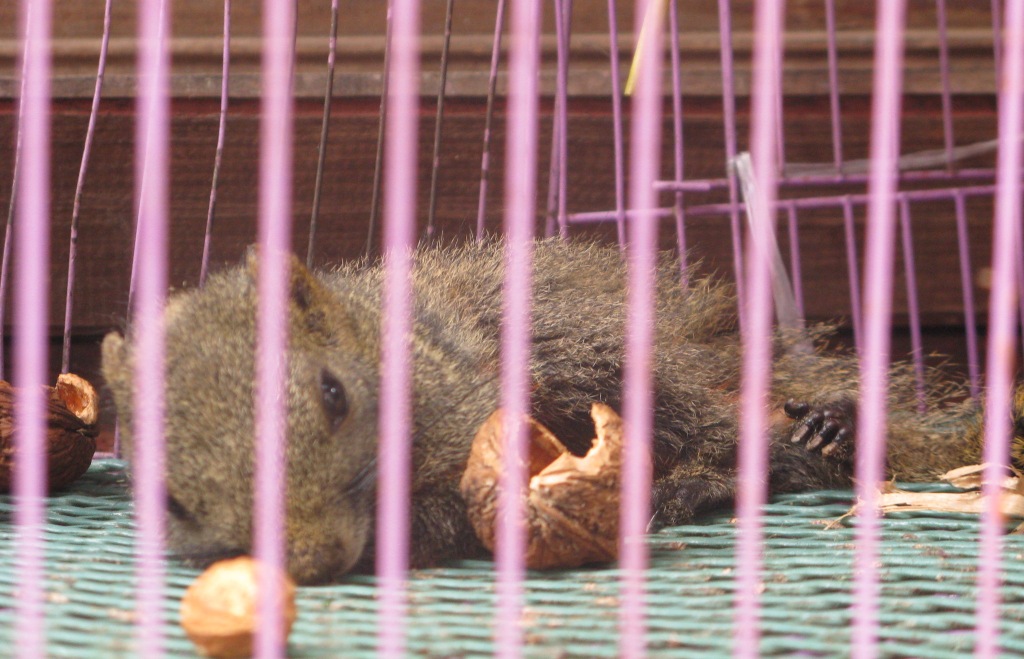
    This squirrel was resting in a small rabbit cage outside a shop in Lijiang.  There were many wild ones at the Golden Temple in Kunming where they scurried up and down trees in search of nuts and seeds sometimes left by tourists.

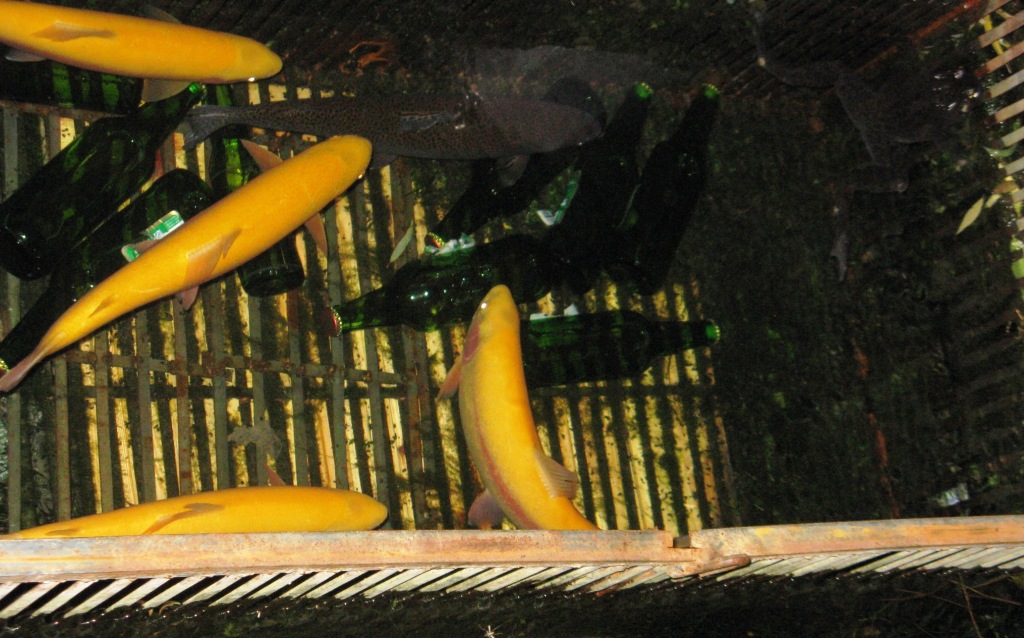
    These fish were in a cage outside a restaurant  in one of the canals running through Shushe.

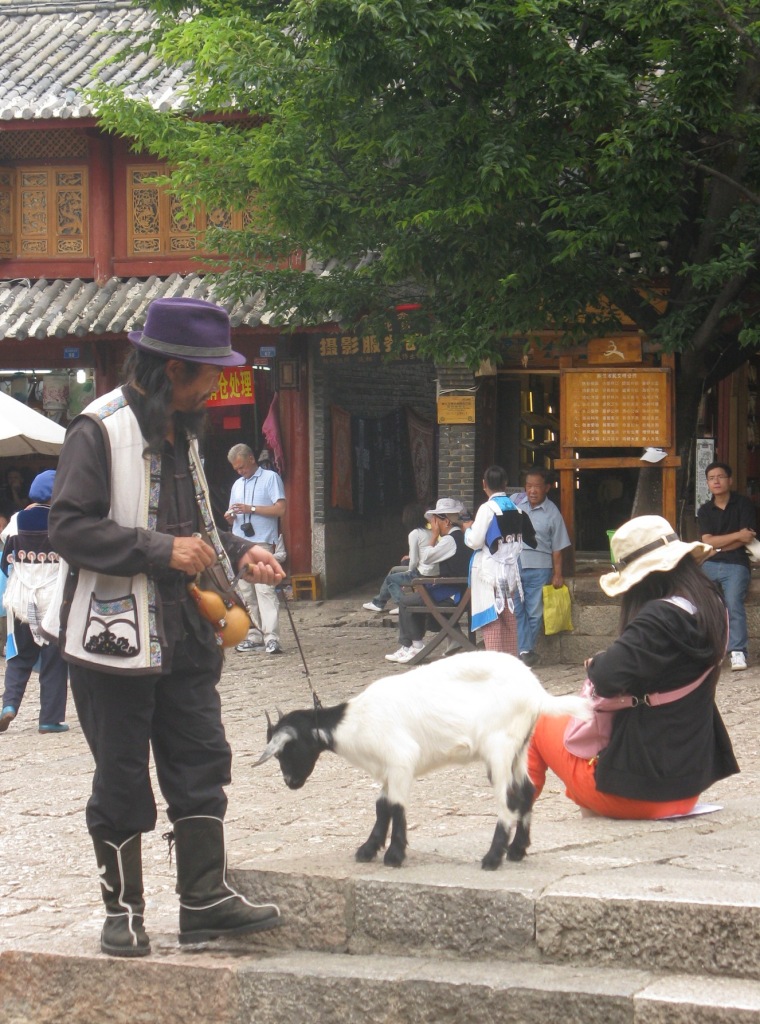
    This guy was putting the goat around the main square in Lijiang.,  I’m not sure what his role was apart from to look co-ordinated and good.  Presumably the horse people were paid for providing rides.  There were also some people standing in another large open area who were dressed in historical clothing and made up with metallic paint to go with the metallised appearance of their clothing who posed with tourists.  They wern’t taking any money.  This man and his goat were always alone.

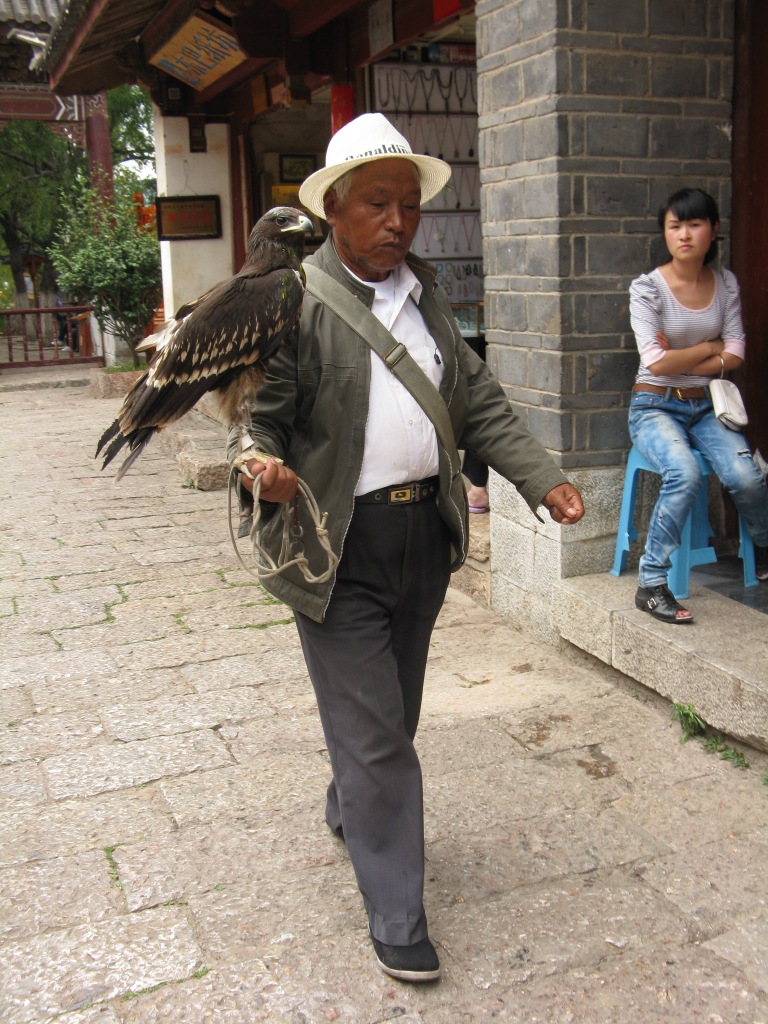
    These two were just walking through the streets.  I saw another eagle a couple of days later tethered to a post at a stage in a park  where people were playing Naxi music.  The man who seemed to be with it was different.

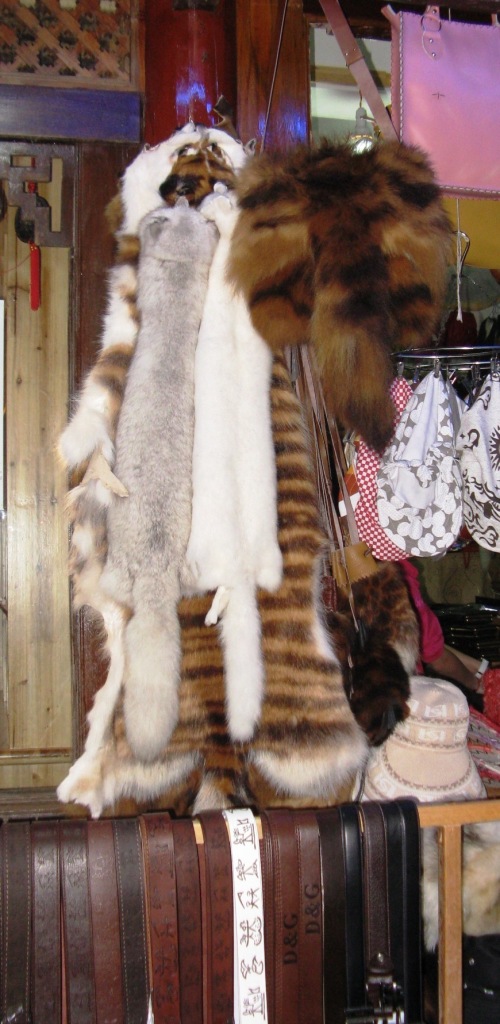
    There were a few shops selling ex-critters in the form of pelts.  The man with tourist horse had a fox or somesuch wrapped around his head in the form of a hat and I’ve seen the same elsewhere.  There were a few shops selling leather bags yet  few for leather shoes yet once upon a time Lijiang used to be  a centre of excellence for leather shoes.

    China, Lijiang, Uncategorized

    animals, China, culture, dogs, drought, ethnic minorities, Lijiang

  • Lijiang

    Jul 12th 2010

    By: Kerry

    No comments

    Lijiang

    After an hour’s delay at Jinghong airport I arrived in Lijang after midnight with the requirement that I call the hostel if I was to arrive after 1am. I then discovered that my Chinese SIM card had run out of credit.  I have no independent capacity of knowing its status & I’d thought it was OK. I couldn’t get the Aussie one to co-operate either though it was more likely operator error than anything else.  So that’s how I spent the bus trip from the airport to the drop off point; fiddling with phones in the dark.  At the drop off point in the middle of nowhere I asked one of passengers if he would call the hostel.  He not only did that but put me in a taxi with instructions to the driver.  When we arrived at the next drop off point a hostel employee was there to meet me.  The hostel was in a car free zone of the old city.  He then took me through dark but interesting streets by the light of a flashlight.

    The hostel had good staff but my room was rather run down.  The worst I’ve encountered.

     The next day a couple of men appeared and started chipping away at the pavers to give them an “ancient” appearance.  The room I booked was not available as the area outside it was having a paver makerover too.  Grey pavers were being placed over the shiny white tiles.

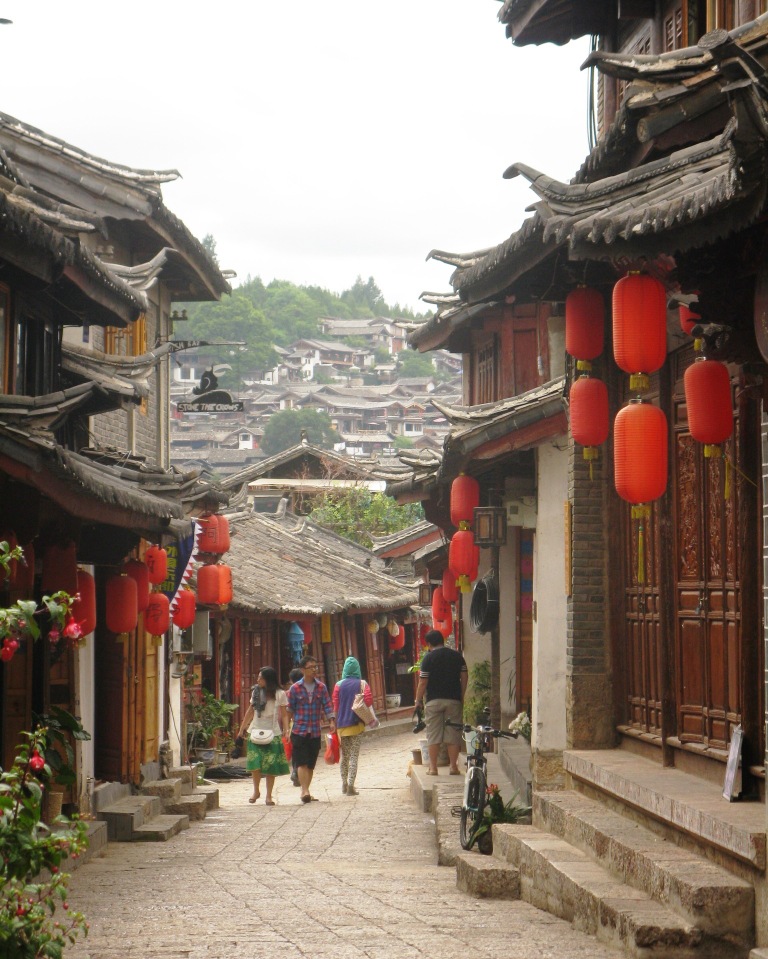
     I then spent the next few days getting lost in the   torturous streets and laneways. 

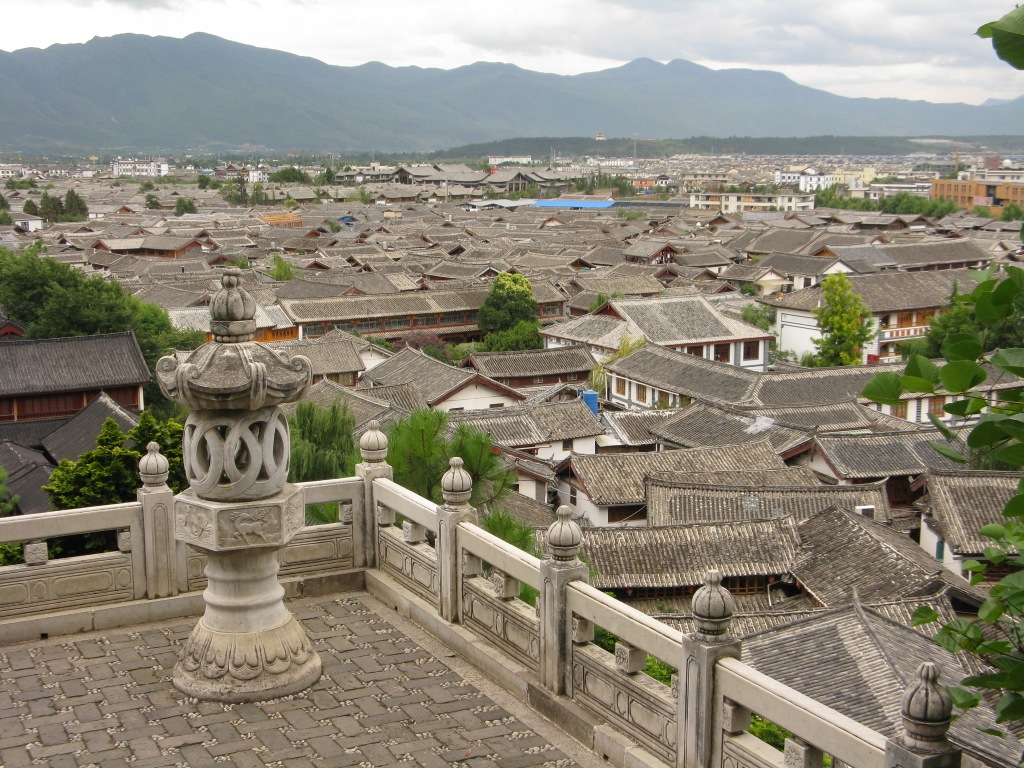
    This view of rooftops of Lijiang was taken from a place called Mu’s Mansion, the home of several centuries of local notables.

    The main areas which were infested with tourists had You are Here type maps which sometimes helped.   The hostel had a rudimentary map on the back of its card and in the end I bought a map.  However, it didn’t help a great deal as the streets weren’t marked in English.  I did advise me of a few interesting places to visit which weren’t tourist infested.  Usually it was only me and a handful of students who were drawing old buildings.

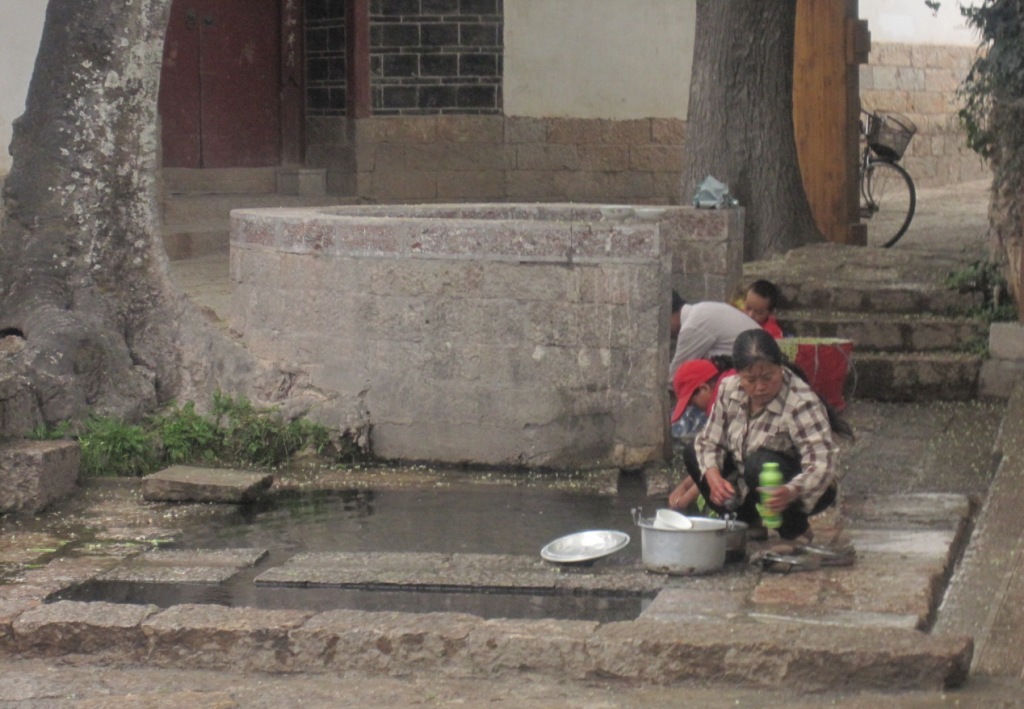
    This is one of the out of the way places.  It is a well.  This isn’t clear, but there are three different water sources here. The one at the top with the small wall is for drinking water & 2 people are collecting water. The 2nd is for washing vegetables and one woman is doing that.  The 3rd is for washing and a woman is washing dishes.

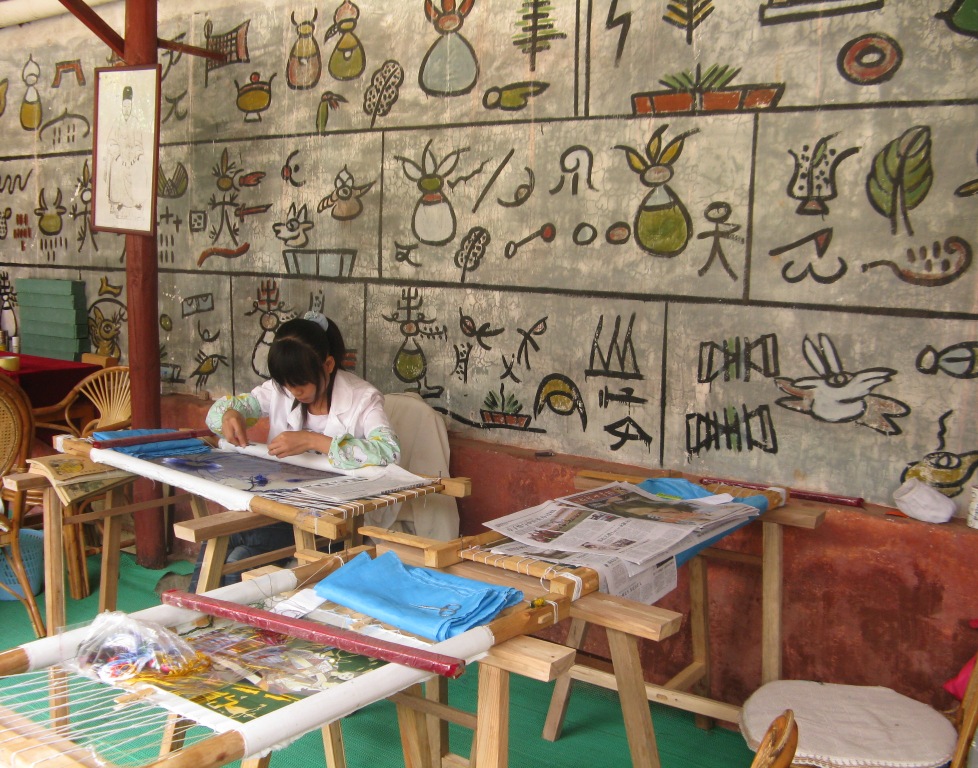
    The hostel arranged a tour to a nearby old town which used to be the centre of the local culture.  There were 7 of us in a small mini-van.  Baioshi had an embroidery workshop with some magnificent embroideries and a couple of young women working on large pieces. 

    This is some of the  embroidery under way.  The pictures on the wall are some of the pictographs of the Naxi language, the only one with such symbols still in use.

     I ended up wandering in the old part of town where people lived instead of where they sold things to visitors until the driver found me and hauled me into the approved section. 

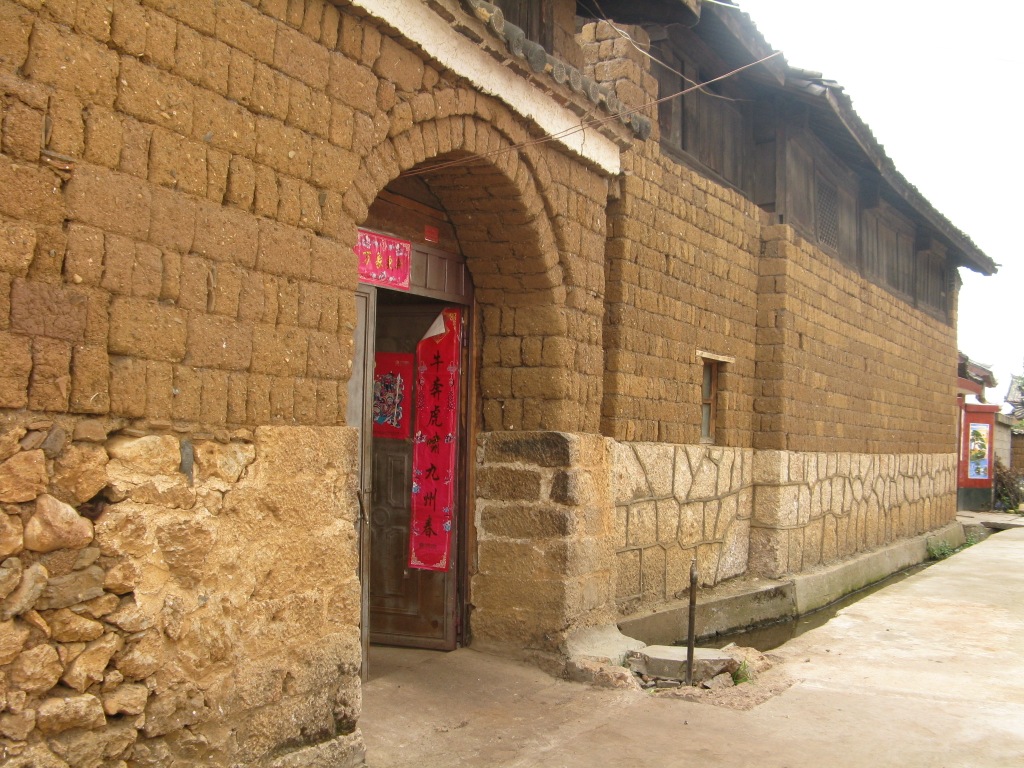
    The buildings seem to have a base of stone followed by mud bricks which usually are plastered and painted followed by a wooden layer.

    A young man showed me his family’s beautiful textile heritage along with some more modern items.  It wasn’t clear what was for sale and what wasn’t and when I asked the price of a bag was told, “too much.” I could have had another of much lesser quality, which I didn’t want, for a very large amount of money. So the luggage problem was saved yet again.

    After travelling along an unpaved road we then reached a small lake and large meadow and got to wander among the critters and wild flowers.  (see next post) This was followed by a BBQ late lunch, eaten with chopsticks. After dropping two small pieces of rib I gave up and used my fingers.  The young Chinese girl, about 10 years old, also with us then appeared and demonstrated how to do it.  You use chopsticks and fingers to steady the meat/bone.  She had limited English and was the liaison between the driver and myself and the 2 Finns also on the trip. We got to have a few more interesting experiences including walking in village fields looking for fruit for tea and a visit to another old town less tourist infested than Lijiang.

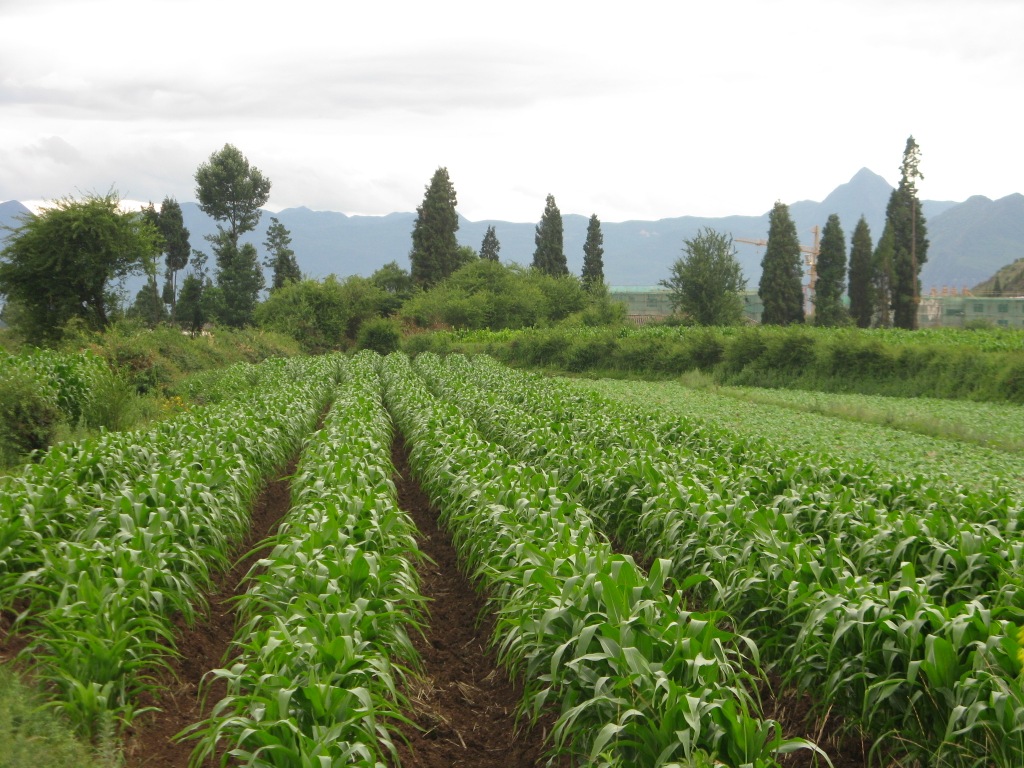
    Some of the fields and mountains in the distance.  More magnificant mountains were to another direction.

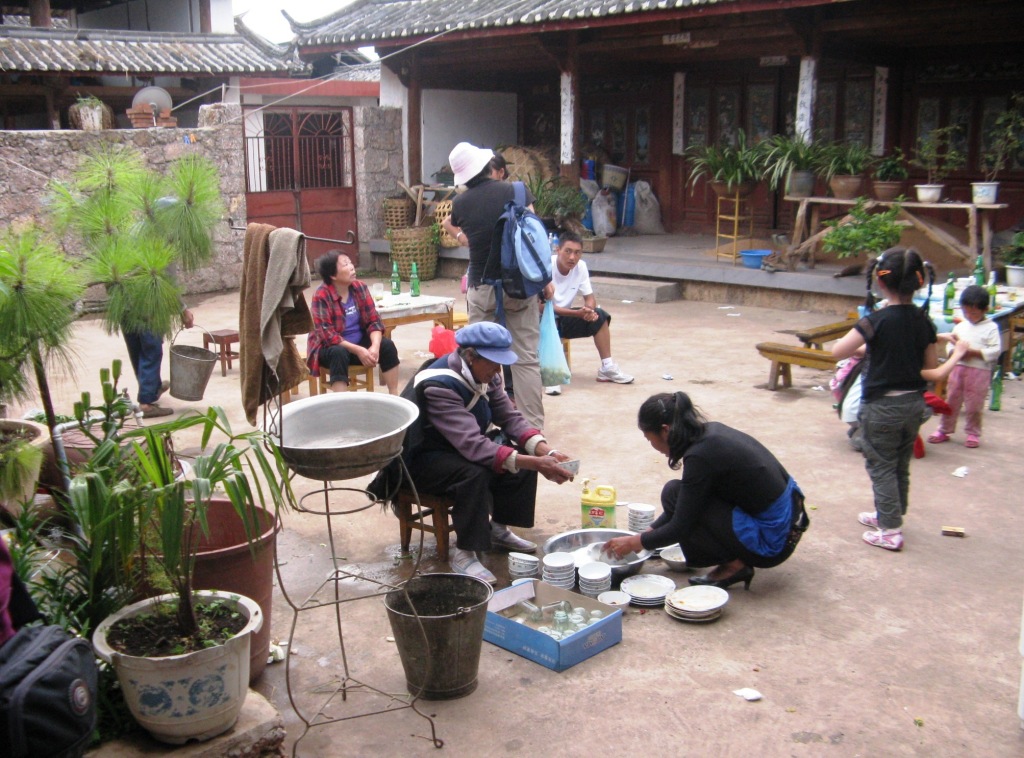
    This is where we had dinner at a Naxi household.  It was at the home of the hostel manager.  Her mother and a grandmother are washing dishes in the foreground. The table used by a noisy group of young Chinese is  on the right and at the back left is  the small table we used plus a coupleof people  from my group plus a couple of hangers on.  The smallest kid lives next door but spends a lot of time there. 

    I only saw a bit of Shuhe in the dark and am planning to stay there after I return to Lijiang.

    China, Lijiang

    architecture, art and craft, China, culture, ethnic minorities, Food, Lijiang

  • Villages and Temples

    Jul 12th 2010

    By: Kerry

    No comments

    Apart from visiting markets in the Jinghong area I also visited some ethnic villages and Buddhist temples.

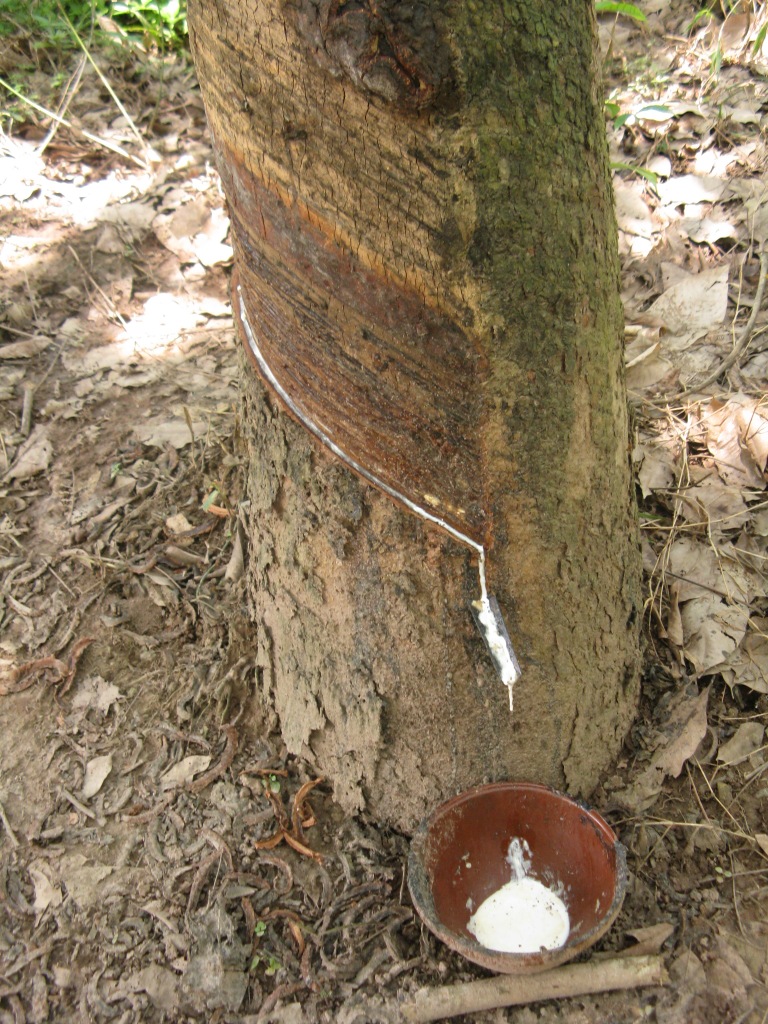
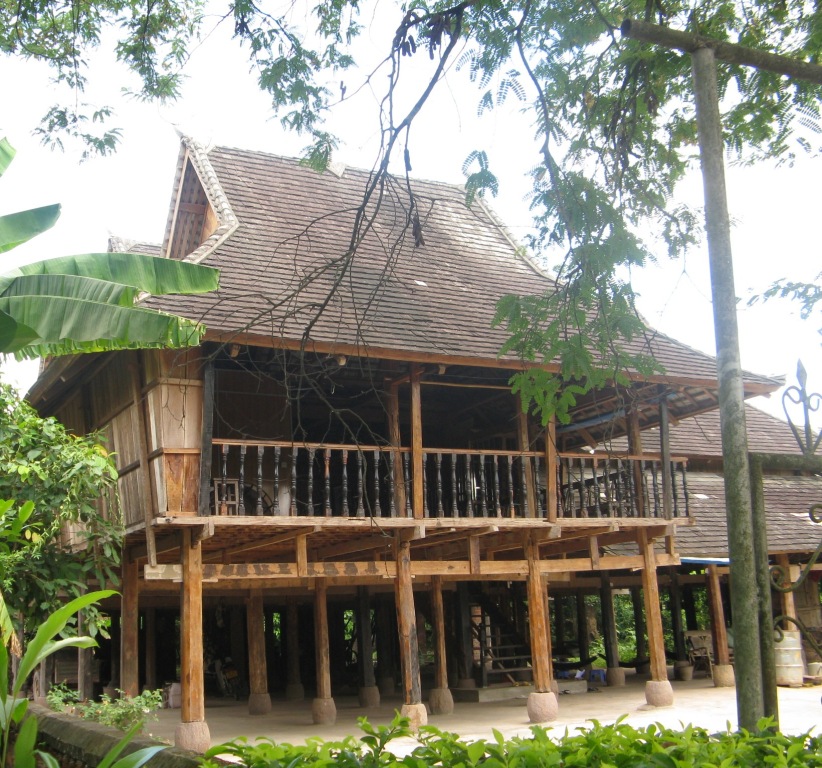
    The Dai people live in large wooden houses and have small farms.  Some also grow and tap rubber. 

    The source of the tyres we love to travel on.  I found this by wandering off a road onto a path.

     Some of them are smart enough to have retained their culture and put an elaborate gateway across the entrance to their village and charge an exorbitant amount of money for entry. The village certainly looks prosperous even if the new plumbing looks ugly. 

    This is one of the numerous large houses in the village.

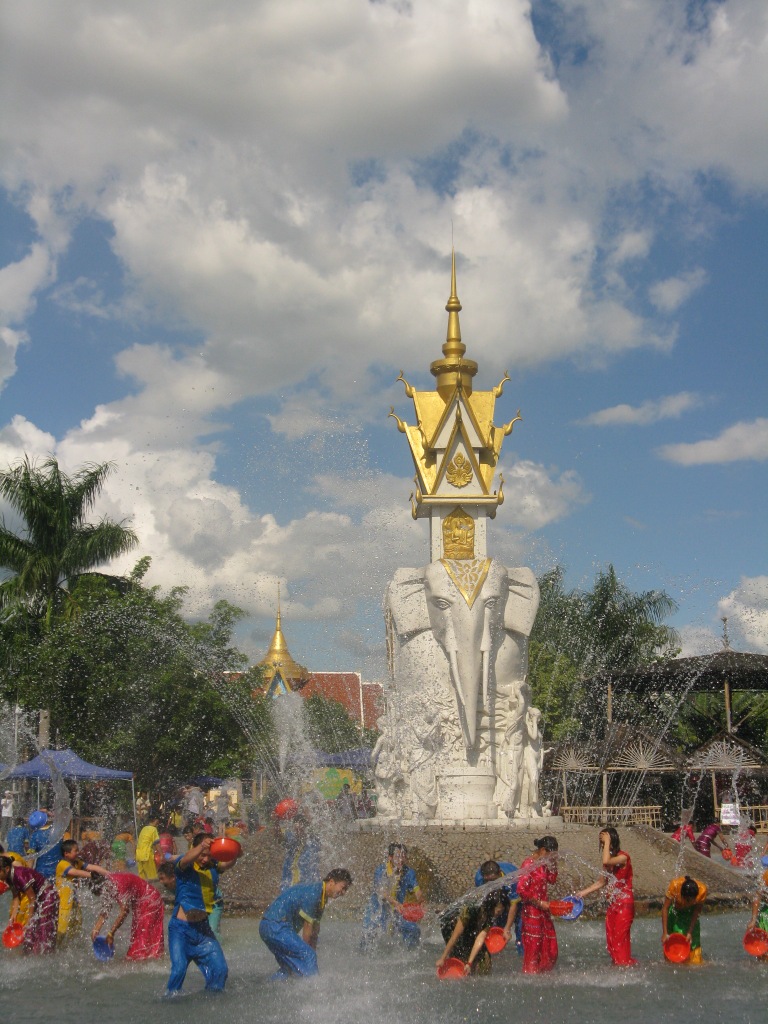
    Tourism has provided many jobs including in entertainment where they re-enact the Water Splashing Festival each day and tourists can join in.  I saw one small kid with a super soaker type water gun ready to become part of the act.  Normally this is an annual cultural festival where they splash each other with water to wash away the sorrows and dramas of the previous year.  The wetter you become the better.  Given the temperatures in that part of the world being wet isn’t a problem.

    This is part of the recreation of the Water Splashing Festival.

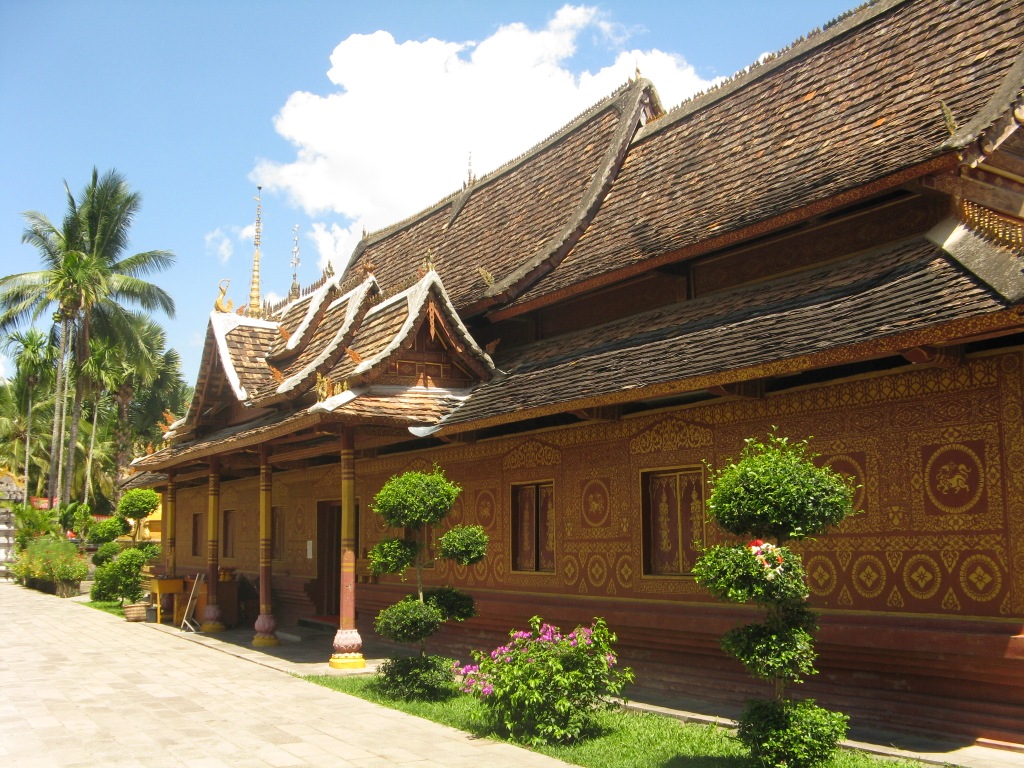
    The temple attached to that particular village is especially old and attractive. 

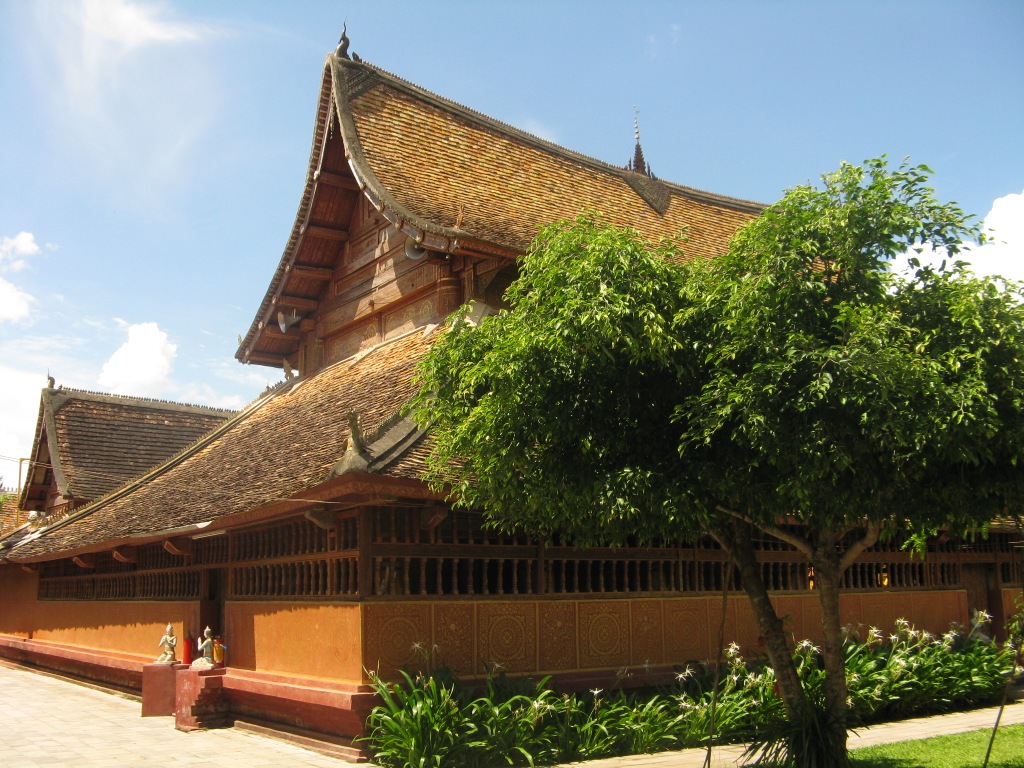
    This is one side of the temple.

    And this is another side.  It was richly decorated by the use of stencils and had beautifully coloured old  roof tiles.

    The others I saw are made from modern materials and don’t have the beauty and dignity of that one.

    A village owned by the Bulang people is much more higgley piggley in its setting out without the shaded lanes and vegetation which is around the Dai village.  It’s also on a slope too.

    China

  • To Market to Market Part 2

    Jul 9th 2010

    By: Kerry

    No comments

    To Market to Market Part 2

    STREET MARKET IN MENGHAI

      Note monk on bike & other bike with bamboo panniers.

    Note the different dress and the baby carrier. There are several different styles in use in Yunnan.

    Cutting dough into noodles using a bike seat as a  table.

    Frying dough into one of the many forms of bread sticks. 

    Bring your own table.  Colourful background.

    XIDING THURSDAY MARKET

    Minority woman at market.

    Buying meat.  Many wear gumboots and the’re  essential footwear quite often.

    Kebabs & fish with stove for cooking.

    Cooking

    Selling meat using hand held scales which are extremely common every where I’ve been.  Note kid on back.

    Selling amidst the mud.  The majority of minority women at the market were wearing the checked headscarf.  Note the woman walking down the path. There were quite a few like her too but she had more beads and head dress than others.

    This might be the same woman.

    Many women wear the broad brimmed hat.  The pots are common in markets and contain preserved foods.

    Blow torching pig legs.

    Some of the farm equipment for sale.

    Some of the underwear available for sale in the covered area still under construction.  Chinese bras are well upholstered and colourful.

    China, Jinghong, Uncategorized

    China, culture, ethnic minorities, markets

    • <
    • 1
    • …
    • 24
    • 25
    • 26
    • 27
    • 28
    • …
    • 31
    • >

© Copyright Kerry's Blog. All rights reserved.